Country: Burkina Faso
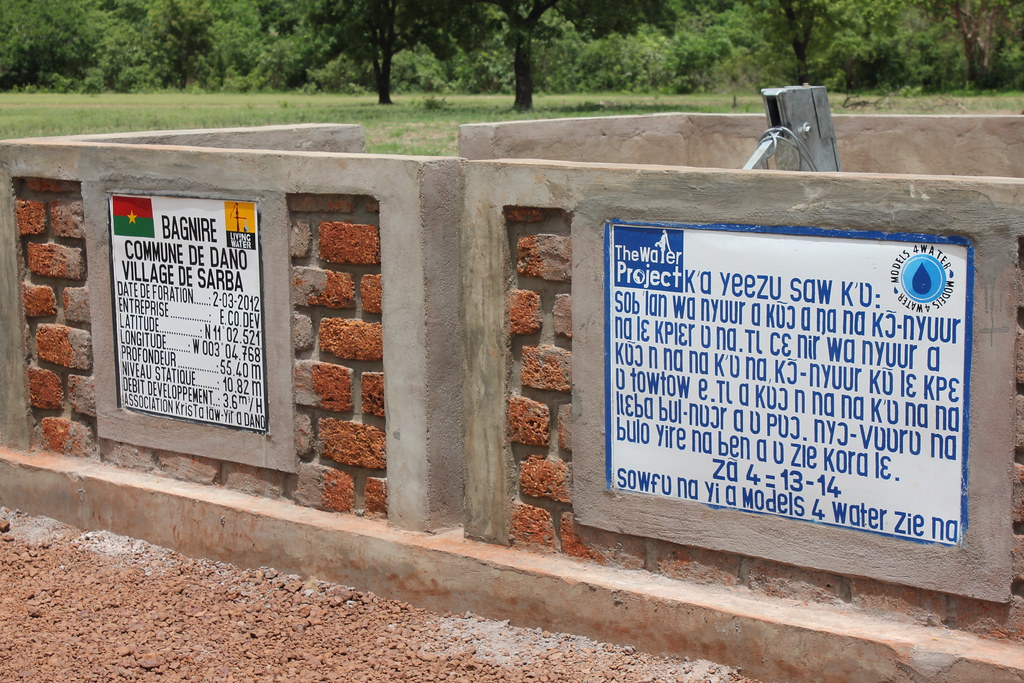
GPS Coordinates:
  Latitude 11.042017
Longitude -3.079467
Impact:
Total Served: 363
Status: Completed (What's This?)
Completion Date (or estimate): 06/26/2012
Upon completion of the project, our partner in the field reports...
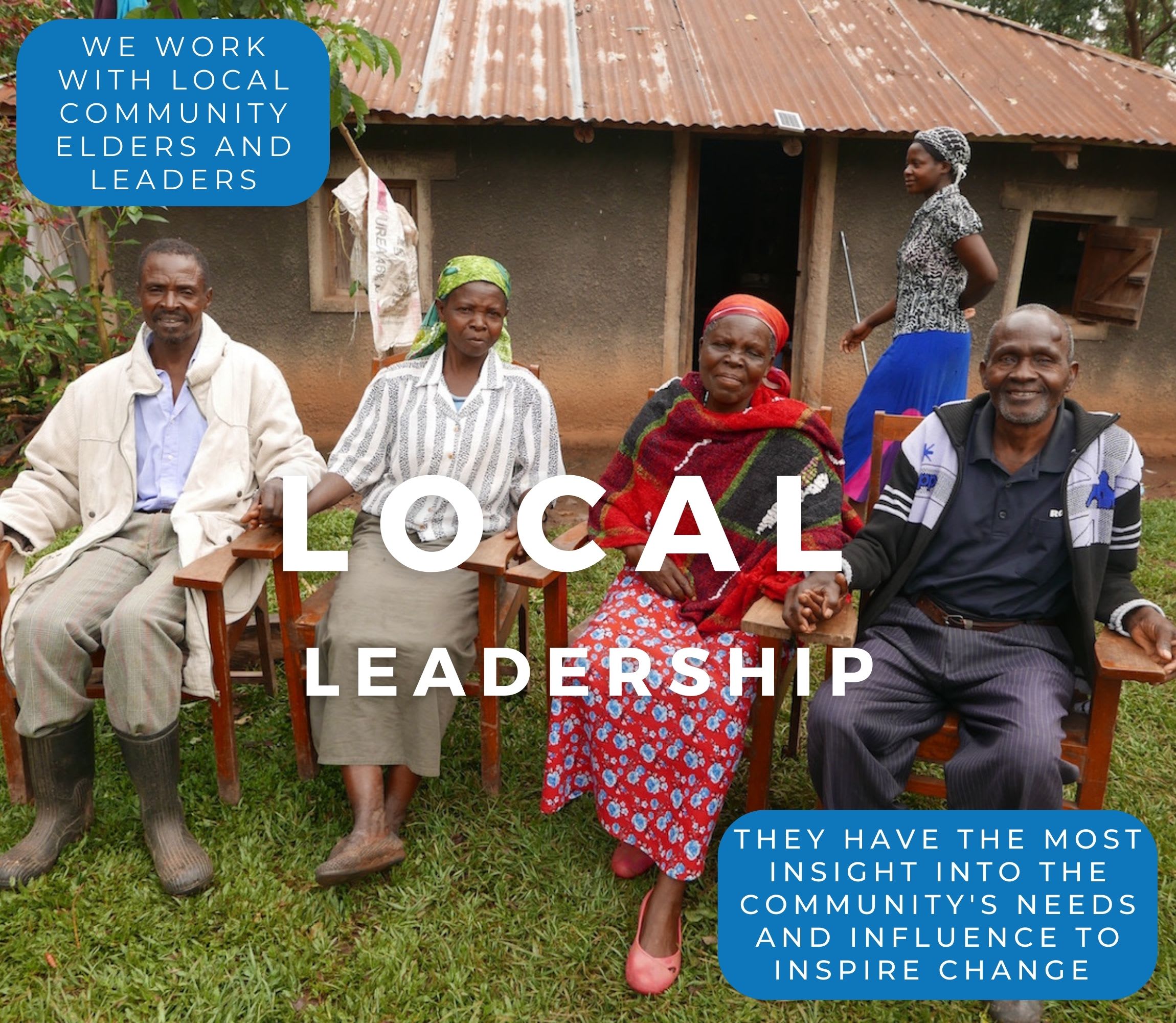
The LWI Burkina Faso team members stated, "Bagnire represents the poorest of the poor, remote and forgotten by the rest of the world. For centuries, since the time of their ancestors, they have been drinking dirty water from rainfall runoff in the creek and from holes in the ground." The people of the village of Bagnire depend on survival farming for their livelihood. When the LWI Burkina Faso team arrived, community members were utilizing an open river located half of a kilometer away from the community to meet all of their water needs. Because of this and the community’s practice of open defecation families were left suffering from dysentery, malaria, diarrhea and other preventable water related illnesses. During the teams’ stay a water committee of six men and two women assisted the team with the water project and provided any available materials for the water project. The water committee is also responsible for collecting an annual well maintenance fee of $1 per family to help sustain the community's water source. In keeping with our Strategic Plan launched in January of 2011, LWI's plan is to train communities to maintain water projects for sustainability. If communities slip back into a situation where they must rely on unimproved water sources, our donors' investment is compromised. To help prevent this occurrence, Living Water International engages communities to help in planning, managing and monitoring of the rural water supply. The nearest school is located five kilometers away from the community and now students, teachers and administrative personnel all have access to safe, clean drinking water. Before leaving the community the LWI Burkina Faso provided community member Paulin Somda with a LWI contact number in case the well were to fall into disrepair, become subject to vandalism or theft. In an effort to ensure project sustainability, LWI program staff is also responsible for visiting the well site annually.
The LWI Burkina Faso team had the opportunity to meet with sixty-five year old Farmer/Village Chief, Kamboule Teobar, who stated, "While we sat in Bagnire, we saw the church spread from Sarba to our village. And, we thought that one day the church would come and help deliver us from our problems. The children and young people started to pray and attend the services, and now we have a new well. You came and discovered that we had a problem with a lack of water in our village. It is very difficult to find sufficient water to meet all of our needs. The women of each family have to arrive at the only hand dug well very early in the morning to get only a little water to drink and do all their work. Others have to travel to the creek to get dirty water, and others travel far to neighboring villages to find water. We don't have a problem with enough food, but every year we had the problem of not enough water. We want to thank you but we have nothing to offer you but our thanks. Thank you very much!"
During the hygiene education, the LWI Burkina Faso team addresses: Hand washing, how to properly transport and store water, disease transmission and prevention, how to maintain proper care of the pump, as well as signs and symptoms of dehydration and how to make Oral Rehydration Solution. All of these lessons are taught in a participatory method to help community members discover ways to improve their hygiene and sanitation choices, and implement community driven solutions.
06/26/2012: A New Well For A Village In Burkina Faso
We are excited to report that Bagnire Village in Burkina Faso has a new well supplying clean, healthy water. We just posted a report from the field including pictures and GPS coordinates

According to the latest UNDP report, Burkina Faso is ranked 161st out of 169 countries with comparable date in the United Nations Human Development Index. Poverty is pervasive throughout the country, and recent challenges such as outbreaks of meningitis, yellow fever, and cholera, as well as civil conflict in neighboring Côte d'Ivoire, have only added to the extreme vulnerability of the Burkinabe people.
Only about 72% of Burkina's primary school-age children are enrolled in primary school due to the costs of school supplies, insufficient infrastructure and teachers, and opportunity costs of sending a child to school when he or she could earn money for the family. The landlocked nation has few natural resources and a weak industrial base. About 90% of the population is engaged in subsistence agriculture, and therefore vulnerable to periodic drought.
The country has an abundance of valuable water sources, but most pumps are either in some state of disrepair or altogether non-functioning. As a result of the lack of access to clean water and basic sanitation throughout the country, there is a persistence of waterborne illnesses like diarrhea and cholera. The most cost-effective and efficient way for TWP and our partners to affect change for Burkina Faso's thirsty is to rehabilitate these water sources: replacing hand pumps, repairing broken parts, sealing open wells—doing whatever is necessary to restore clean water to the people who need it most.

Nearly 20 years ago, we set out to help the church in North America be the hands and feet of Jesus by serving the poorest of the poor. 600 million people in the world live on less than $2 a day. 884 million people lack access to safe drinking water.
For all practical purposes, these statistics refer to the same people; around the world, communities are trapped in debilitating poverty because they constantly suffer from water-related diseases and parasites, and/or because they spend long stretches of their time carrying water over long distances.
In response to this need, we implement participatory, community-based water solutions in developing countries. Since we started, we’ve completed water projects for 7,000 communities in 26 countries.
It all began in 1990, when a group from Houston, Texas traveled to Kenya and saw the desperate need for clean drinking water. They returned to Houston and founded a 501(c)3 non-profit. The fledgling organization equipped and trained a team of Kenyan drillers, and LWI Kenya began operations the next year under the direction of a national board.
That pattern continues today; we train, consult, and equip local people to implement solutions in their own countries.
Remembering the life-changing nature of that first trip in 1990, we also lead hundreds of volunteers on mission trips each year, working with local communities, under the leadership of nationals, to implement water projects. It’s hard to know which lives are changed more—those “serving” or those “being served.”
Our training programs in shallow well drilling, pump repair, and hygiene education have equipped thousands of volunteers and professionals in the basics of integrated water solutions since 1997.
Living Water International exists to demonstrate the love of God by helping communities acquire desperately needed clean water.
Burkina Faso is one of our newest country programs. Our implementing partner is working primarily in and around Dano with the indigenous Dagara people. With the help of our donors around the world, the Burkina Faso program will provide clean, safe water to thousands of people for years to come.
A new well for a community in Burkina Faso
Project Type: Hand Pumped Well
Location: Bagnire, Ioba, Burkina Faso
Depth: 182.00
ProjectID: 9001