
 Rehabilitation Project




Upon completion of the project our implementing partner reported...
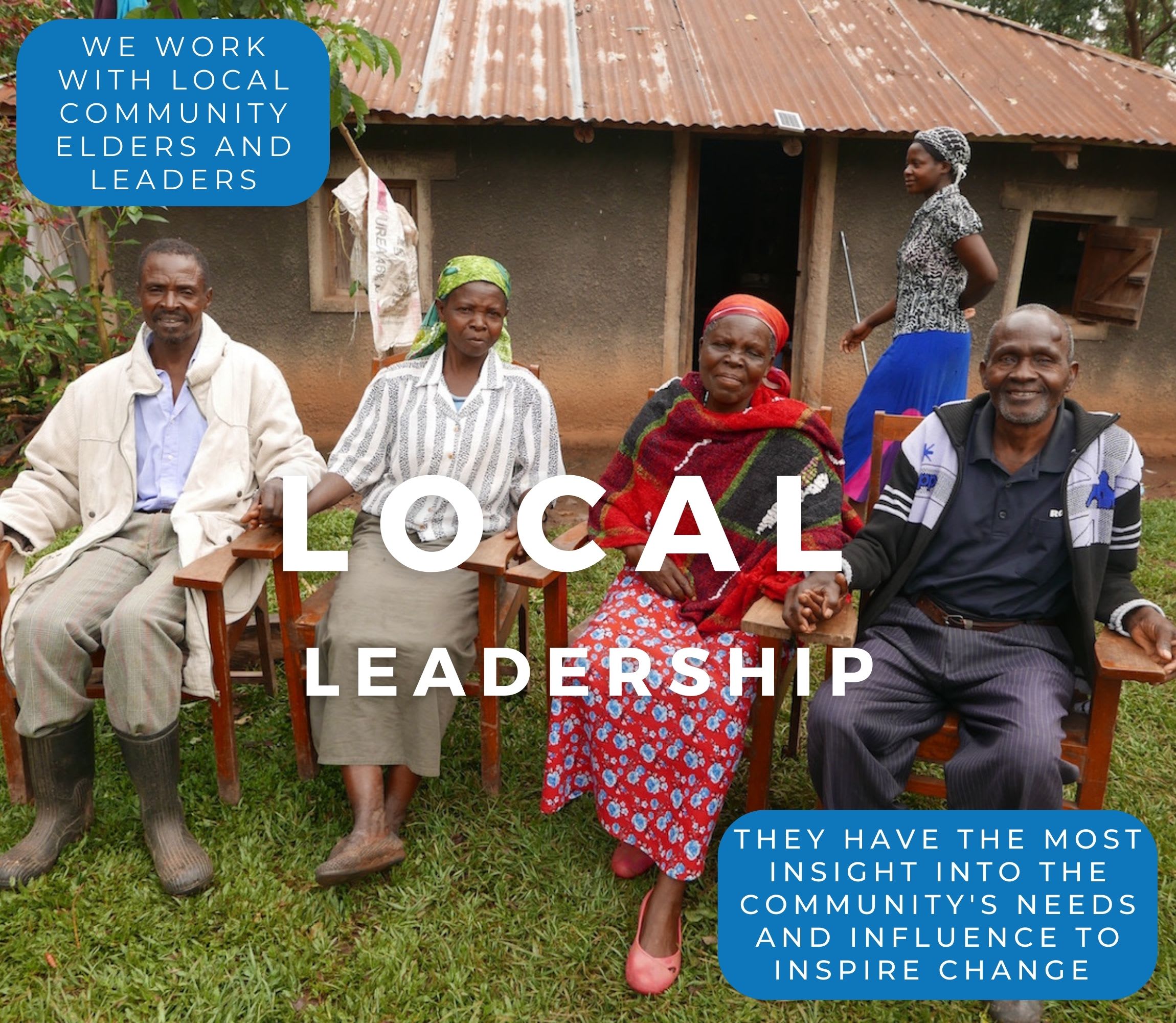
A LWI Rwanda team member commented, “We love to see communities take this kind of ownership of their water point. They have also promised to share their excess water with the surrounding community to bless them as well. LWI has also enlisted this well in its operation and maintenance program which will make quarterly visits to the site to check on the pump and to do follow up health and hygiene training with the community along with telling Bible stories, praying with the community, and strengthening ties with the local church.” When the team arrived, community members were utilizing a protected spring located 1.5 kilometers away from the community to meet all of their water needs. Because of this, families were suffering from dysentery, typhoid and malaria. The LWI Rwanda team was pleased to learn of the community’s use of a covered pit latrine as this will help prevent further spread of disease in the area. During the team’s stay, community members assisted the team with the water project whenever possible. Most community members sustain their families by farming and selling what excess produce they have at nearby markets. The nearest school is located 1.5 kilometers away from the community whose students, teachers and administrative personnel all have access to the new, safe water source. Before leaving the community, the team provided community member, Aime Nkunda, with a LWI Rwanda contact number in case their well were to fall into disrepair, become subject to vandalism or theft.
The LWI Rwanda team had an opportunity to meet with fifty-four year old community member and farmer, Edward Mukvendo, who stated, "We are happy to have good and clear water near home. We used to fetch water which was unclean and caused many problems in our lives."
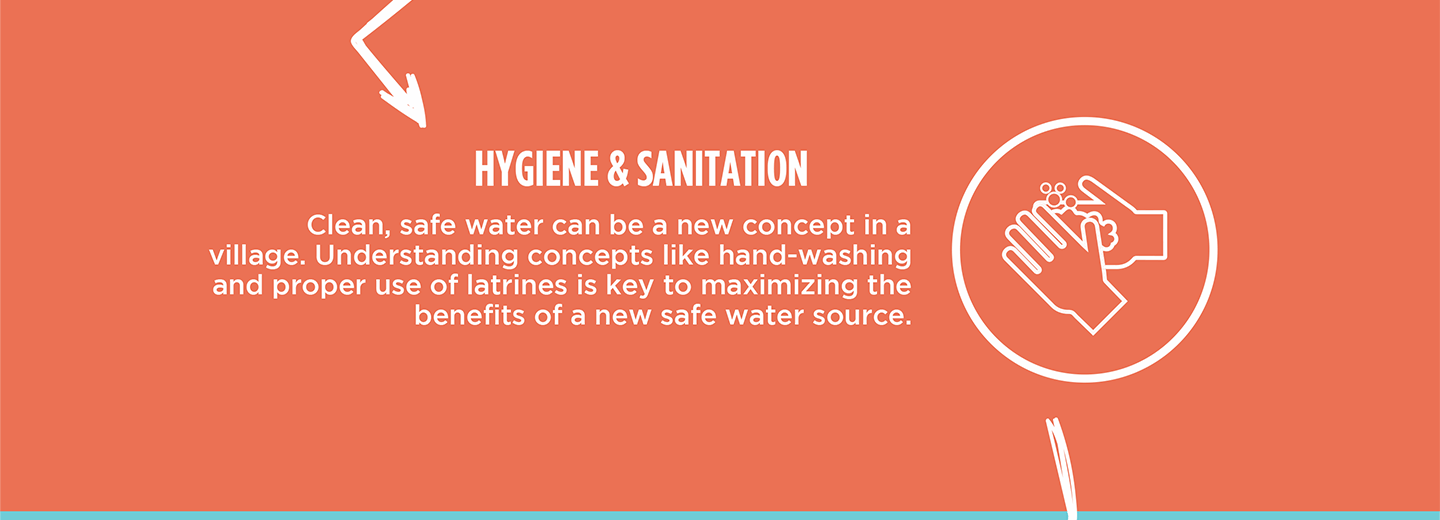
Arthur Kaneza taught health and hygiene on December 8, 2011 to the villagers of Cyeru. The health and hygiene teachings will be reinforced by our operations and maintenance team which will make quarterly visits to this site. During the hygiene education, Arthur addressed: Disease transmission, germs, hand washing, proper water saving techniques, healthy and unhealthy communities, causes of diarrhea, Oral Rehydration Solution, how to take proper care of the pump, how to keep the water clean, community mapping and identifying good and bad hygiene behaviors, disease transmission stories, clean hands and clean hearts and dental hygiene. The well at Cyeru will be used by a women's cooperative which is teaching good farming practices, as well as animal husbandry and how to make goat dairy products. The cooperative is organizing its own funding as well, in order to upgrade this pump to a solar submersible installation, which is why the pump pad is of a different from normal shape. The plan is for this solar upgrade to be done by the end of January; until then, the people will be served by the hand pump installed by Living Water International. We love to see communities take this kind of ownership of their water point. They have also promised to share their excess water with the surrounding community to bless them as well. Living Water International has also enlisted this well in its operation and maintenance program which will make quarterly visits to the site to check on the pump and to do follow up health and hygiene training with the community along with telling Bible stories, praying with the community, and strengthening ties with the local church.