 Rehabilitation Project




This project was implemented by another partner, but is now monitored and maintained by The Water Project together with Mariatu's Hope.
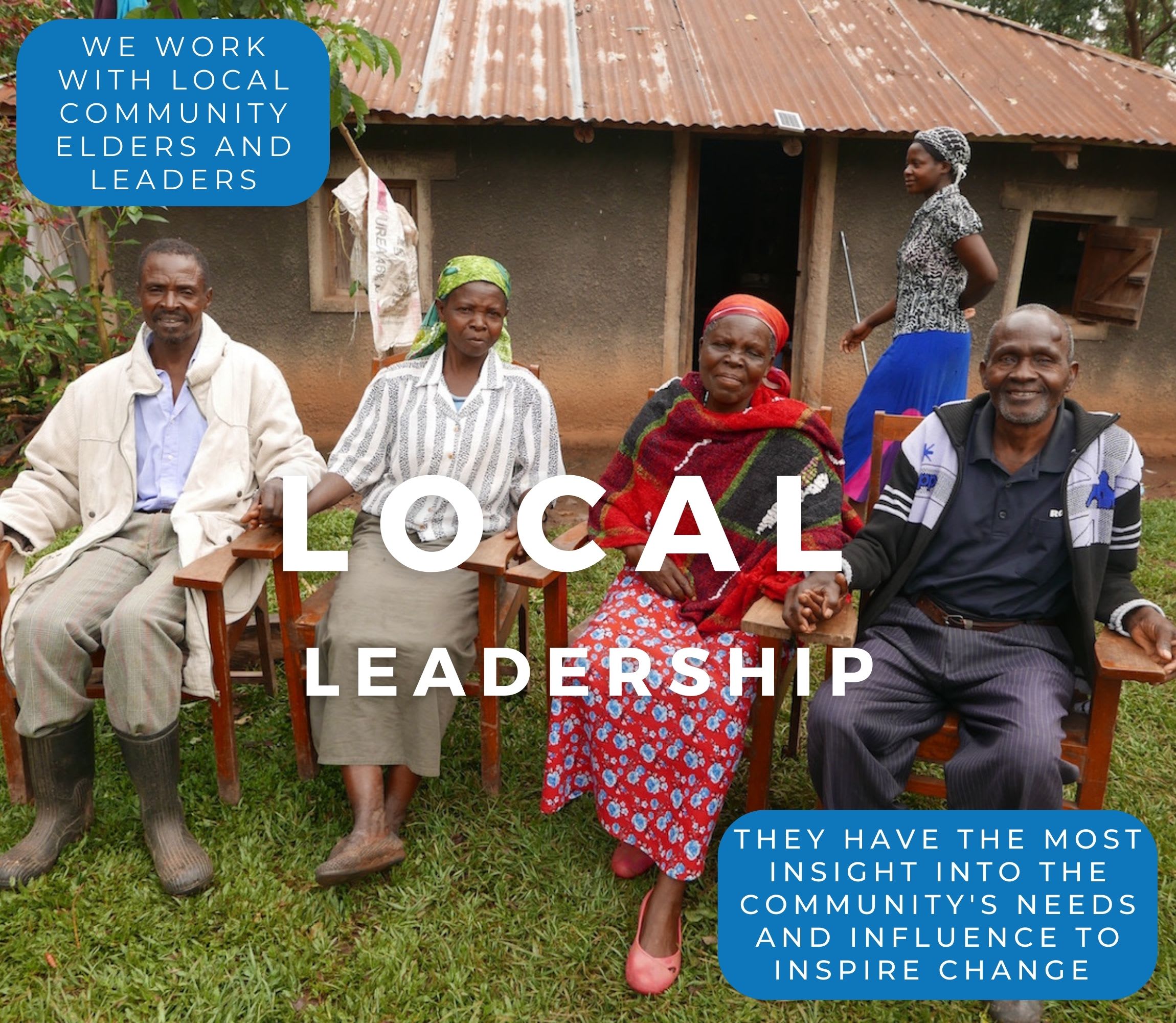
When the team arrived the community was utilizing a river as their primary source of water and because of this residents were suffering from preventable water related illnesses including Dysentery and Malaria. The community was very friendly, and residents were all excited to have their well repaired and to be a recipient of a cup of water in Jesus’ name. During the team’s stay the community assisted by providing materials and labor whenever possible. The majority of community residents sustain a living by trading at local markets and farming. The nearest school is located one kilometer away from the community whose students, teachers and administrative personnel all have access to the new, safe water source. Before leaving the community the team provided Pastor William Richards with a contact number in case their well were to fall into disrepair, become subject to vandalism or theft.
The team had an opportunity to meet with Mumunatu Conteh a twenty-one year old female community resident and local student who stated, "The distance to the stream is far. The well rehabilitation will now make it so much easier for me to get pure water. It will improve the health of the community."
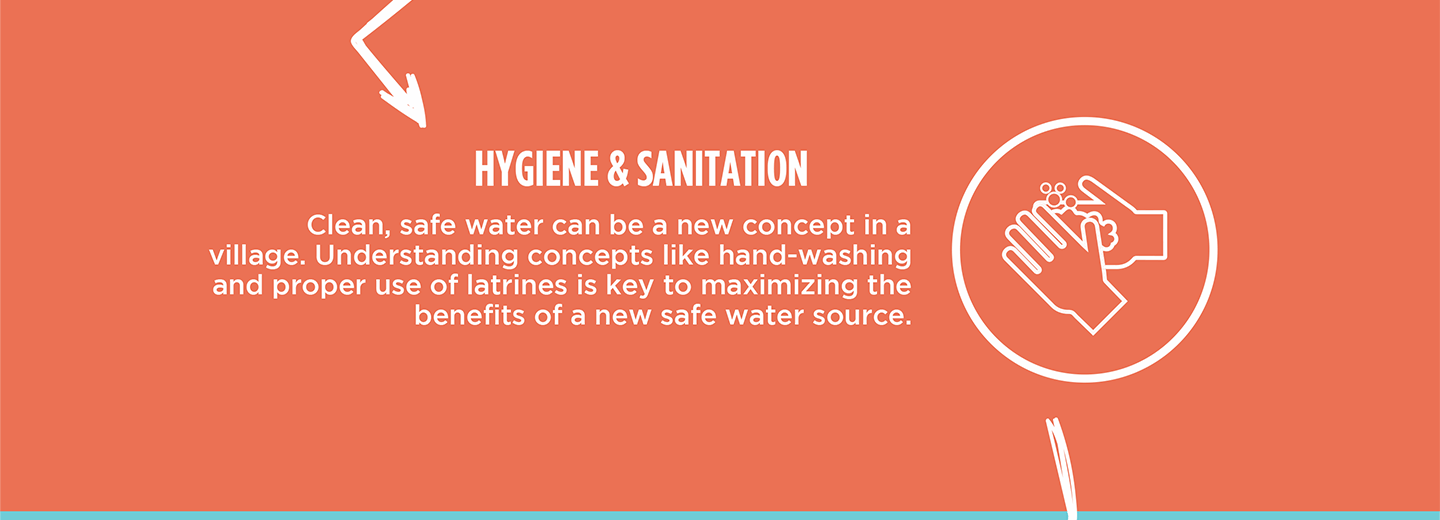
There were fifteen adults who attended the hygiene education. Each expressed their thanks for the information provided by the Sierra Leone team. They each received an ORS spoon, and in addition to the hygiene the team addressed the importance of using a latrine and encouraged each home to build a native toilet. During the hygiene training the following principal issues were addressed: Hand Washing- proper techniques and water saving methods, Healthy Unhealthy Communities, Oral Rehydration Solution, Proper care of the pump, Keeping the water clean, Good-bad hygiene behaviors and Disease Transmission Stories.