 Rehabilitation Project




Our implementing partner reports from the field...
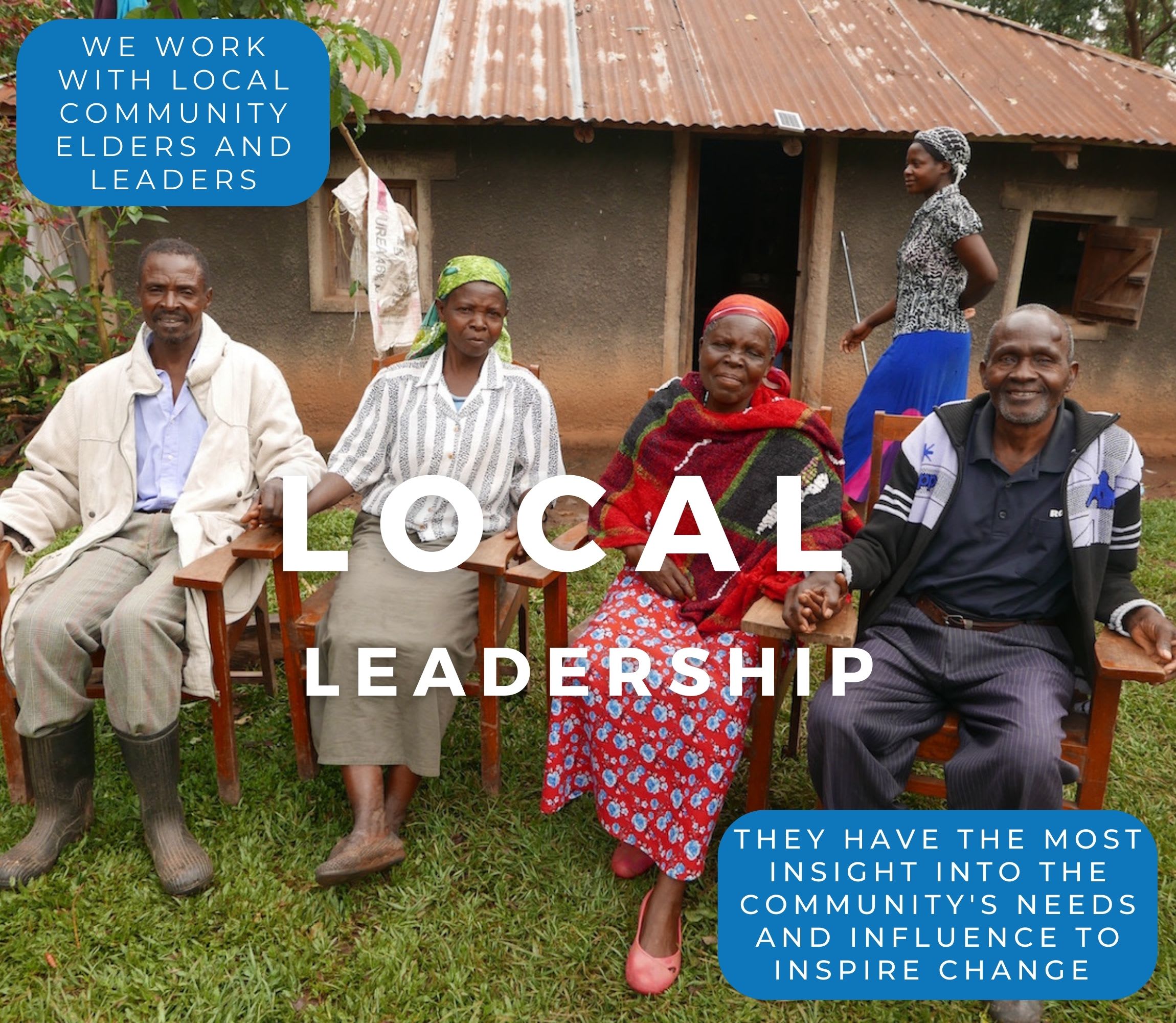
This village is located deep into the bush. One of the local counsel people notified the Mariatu's Hope team about this problem. The community was so happy we had come. They showed us the MOU that was written up when the well was initially dug (by another organization) and many of the items that had been promised, like hygiene training and well repair training, had never been done. They felt lied to. They were so happy when we did what we said we would do. Since their pump was broken they were gathering water from the open top of the well. This open well caused cholera, dysentery, typhoid and malaria. They worked alongside the team by providing materials and labor. The team repaired the pump handle, pump head, rod-sucker and cylinder. Most people in the community earn a living through farming, fishing, and salt making. When the well was complete, the community established a point person to be the caretaker of the well. Testimony from a community member: Makai Kargbo, 27 year old farmer spoke with the team about the water needs for her community. "I am very glad because clean water means less sickness. I have two children, one boy who is 5 years old and one girl that is 9 years old. I am very thankful. The water was so dirty, now we enjoy clean water, tenke tenke!"
There were 13 adults and 10 children who attended this hygiene training. There were 13 ORS spoons distributed. This is a very small community. The hygiene team talked about open defecation and how it transmits disease through the community. Only two houses in the village have toilets. They discussed the native toilet and it was agreed that this is a good idea. The team will follow up with this community in the hopes of them buying into CLTS (community led total sanitation) for their village. They enjoyed the hygiene lessons and they promised they were going to put what they learned into practice. The village is Muslim dominated. They were willing and happy to hear the Gospel about Jesus and they are willing to be followers of Christ. Makie Kargbo is the head woman in the community and she is willing to teach hygiene.
The team partnered with Pastor Lamin to show the Jesus video. There was also bible storying told at the well dedication. The community prayed with the team prior to beginning any work. At the completion of the installation, we gathered back around the well to dedicate it up to Papa God. The community was so thankful. They were happy the team had done what they said they were going to do. They felt so encouraged.