 Rehabilitation Project
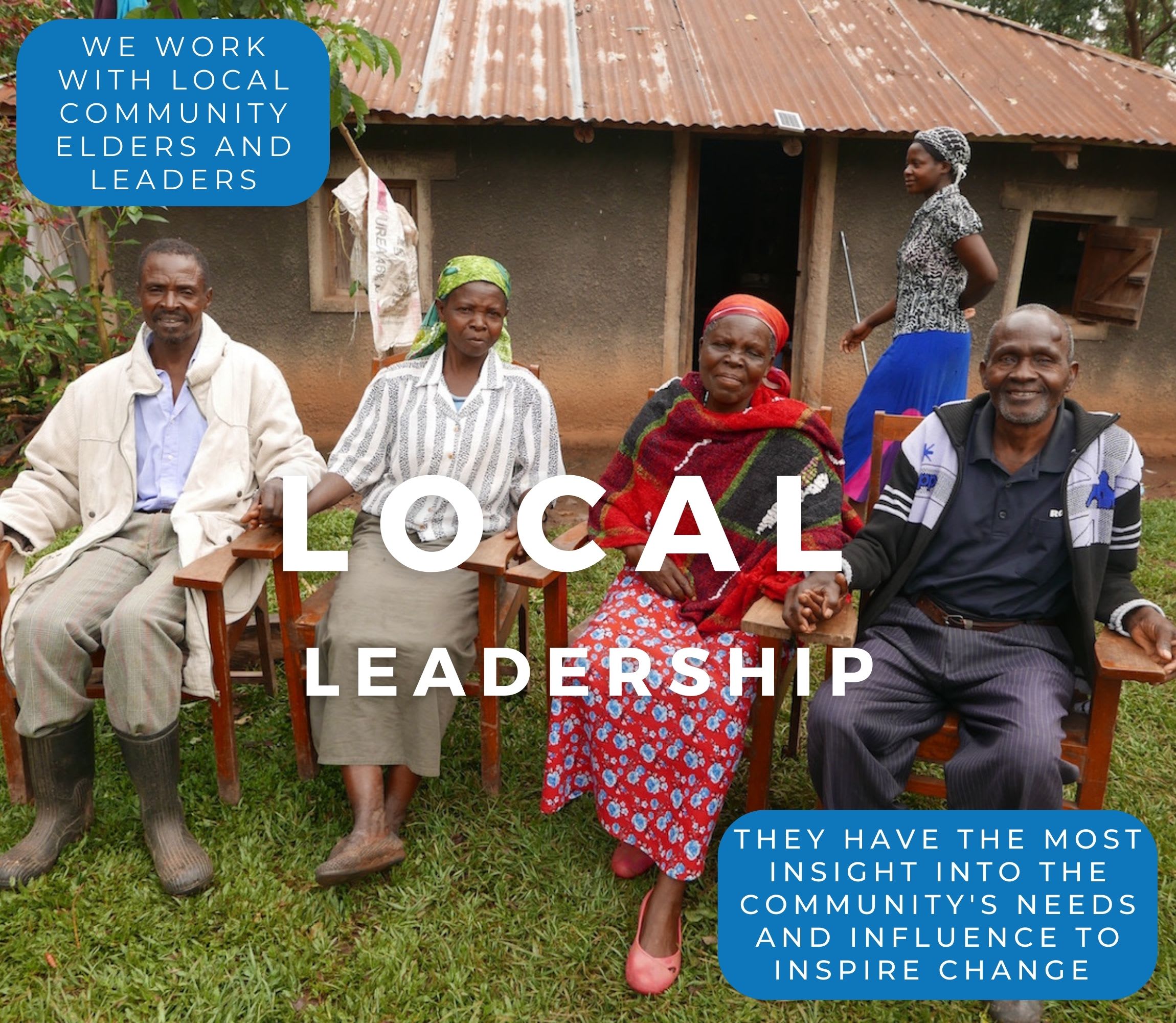




When the LWI Sierra Leone team arrived the community was utilizing a river as their primary source of water and practicing informal defecation. Because of this residents were suffering from Dysentery and Malaria among other preventable water related illnesses. There was great unity in this community. They were very excited that the LWI Sierra Leone team considered their community to construct a new borehole. The young men assisted with the installation of the hand pump and cement work. During the team’s stay the community assembled a water committee consisting of seven men and seven women who assisted the team by providing materials and labor whenever possible. The majority of community residents sustain a living by farming and few are teachers. The nearest school is located three kilometers away from the community whose students, teachers and administrative personnel all have access to the new, safe water source. Before leaving the community the team provided community resident Pa Alpha Kelleh with a LWI contact number in case their well were to fall into disrepair, become subject to vandalism or theft.
The LWI Sierra Leone team had an opportunity to meet with community resident Aminata Kabia, a sixty-two year old female farmer who stated, "The water is now easy to access because of the distance and because of the hand pump. Drawing water from the stream is very bad. This will control the spread of disease and sickness. The water won't be contaminated because it is covered."
There were fifty-six adults and forty-nine children who attended the hygiene education training. They thanked Living Water International for their good work and for giving them knowledge about their personal hygiene. Aminata Sillah, a local community resident, said she had been practicing everything the team labeled as unhealthy hygiene behaviors. Aminata also shared how she is willing to be able to put healthy hygiene teachings into practice and spread the education to other people in the community. Aminata stated, "It is good to know about your health." The LWI Sierra Leone team will provide Aminata with further hygiene education as a community hygiene educator and will work with her and her community towards a community led sanitation project. The community was instructed on how to construct a native toilet and the importance of using a latrine. During the health and hygiene education the following principal issues were addressed: Disease transmission, Hand Washing- proper techniques and water saving methods, Healthy Unhealthy Communities, Diarrhea Doll- causes of diarrhea, Oral Rehydration Solution, Proper care of the pump, Keeping the water clean, Good-bad hygiene behaviors, Disease Transmission Stories and Clean Hands Clean Hearts.