 Rehabilitation Project




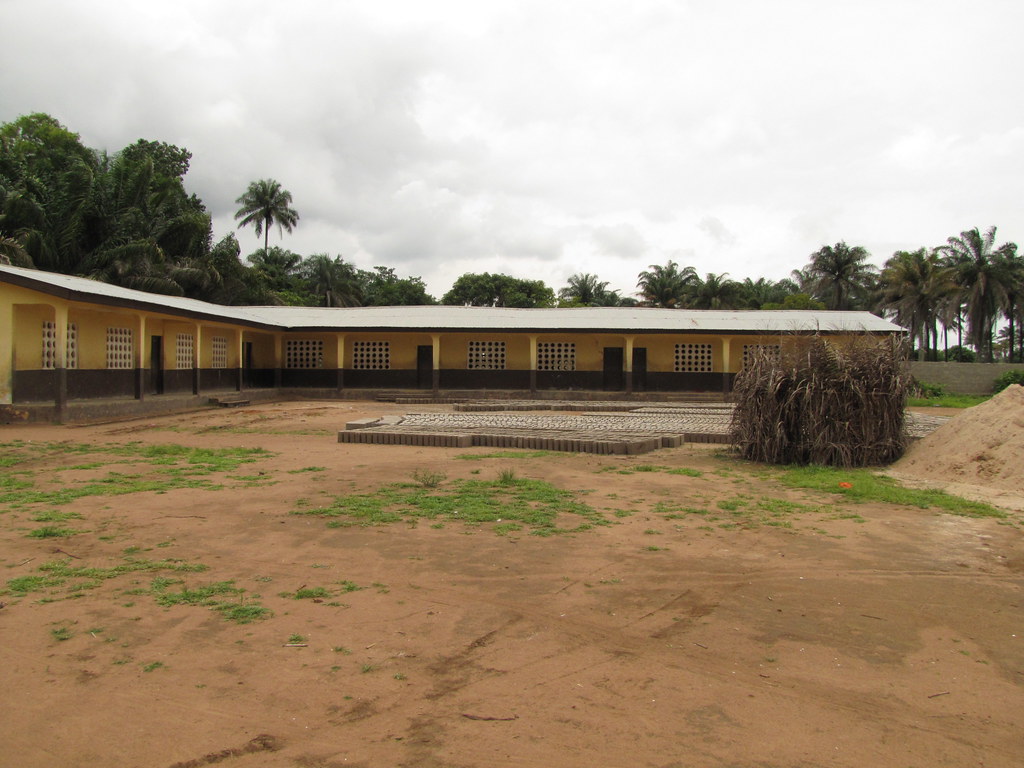
This project was implemented by another partner, but is now monitored and maintained by The Water Project together with Mariatu's Hope.
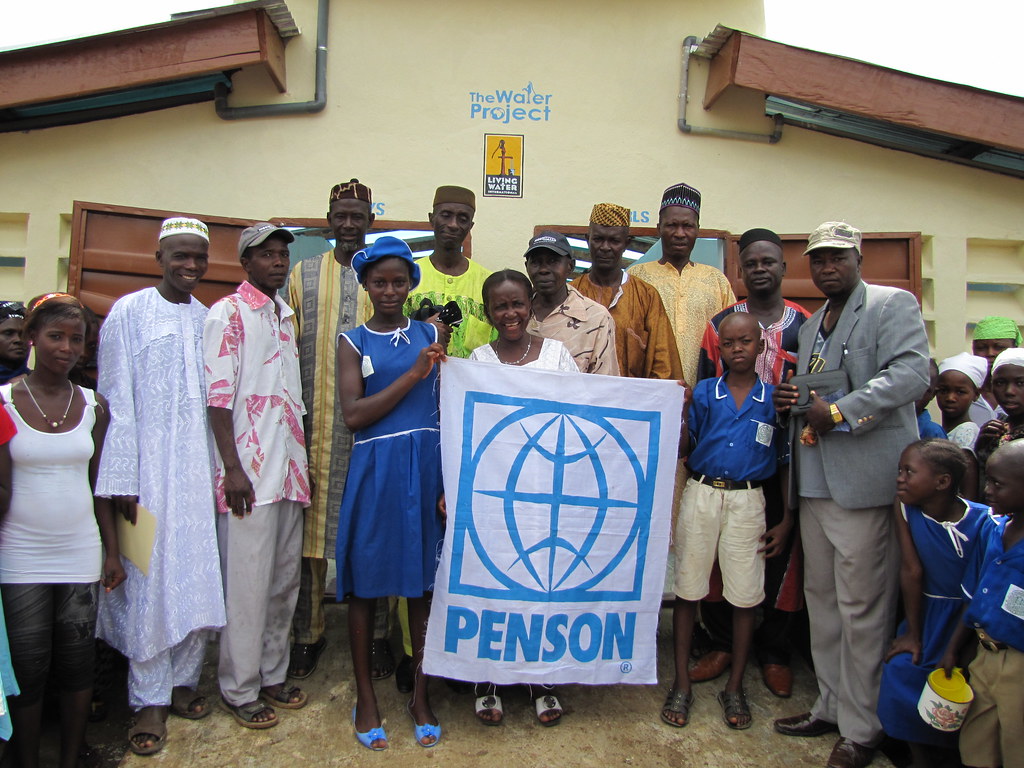
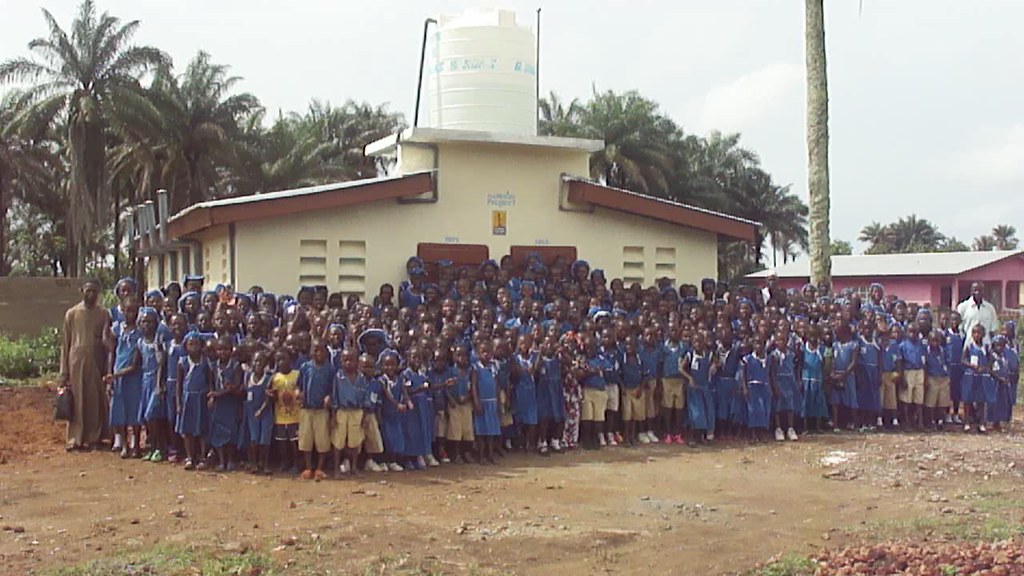
A Sierra Leone team member commented, "Knowing the impact of these new toilets on the lives of these students and on the members of this community will stay with us for a very long time. They are so thankful to God. During the building of this project, the school was broken into and several lengths of iron rod were stolen. We were able to work with the head teacher and others to talk about the theft. Unfortunately, the iron rod was never returned so additional expense was incurred.
"At the dedication, the representative for the Paramount Chief exclaimed his delight for the project and gave so much thanks. The head teacher remarked to us that since they got their well rehabilitated last year that there has been a decrease in sickness and vomiting and diarrhea has become very rare. School attendance is also better. When the children want water they no longer go to other places to get it. They know the water at the school is pure. The students at this school scored very high on their NPSE. Of the 45 that took the test, 44 passed, which is very good."
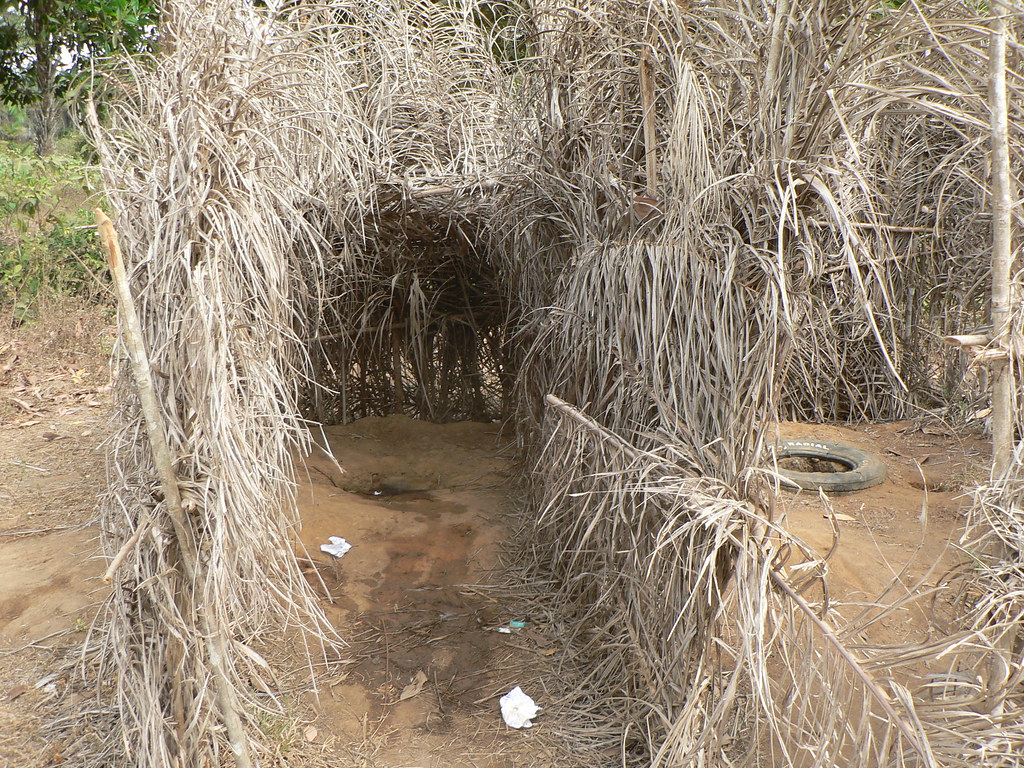
When the team arrived, community members were practicing informal defecation and were suffering from malaria, diarrhea and severe dehydration. Most community members earn a living working as petty traders, gardeners, teachers, some work for the local government and others work for the nearest airport.
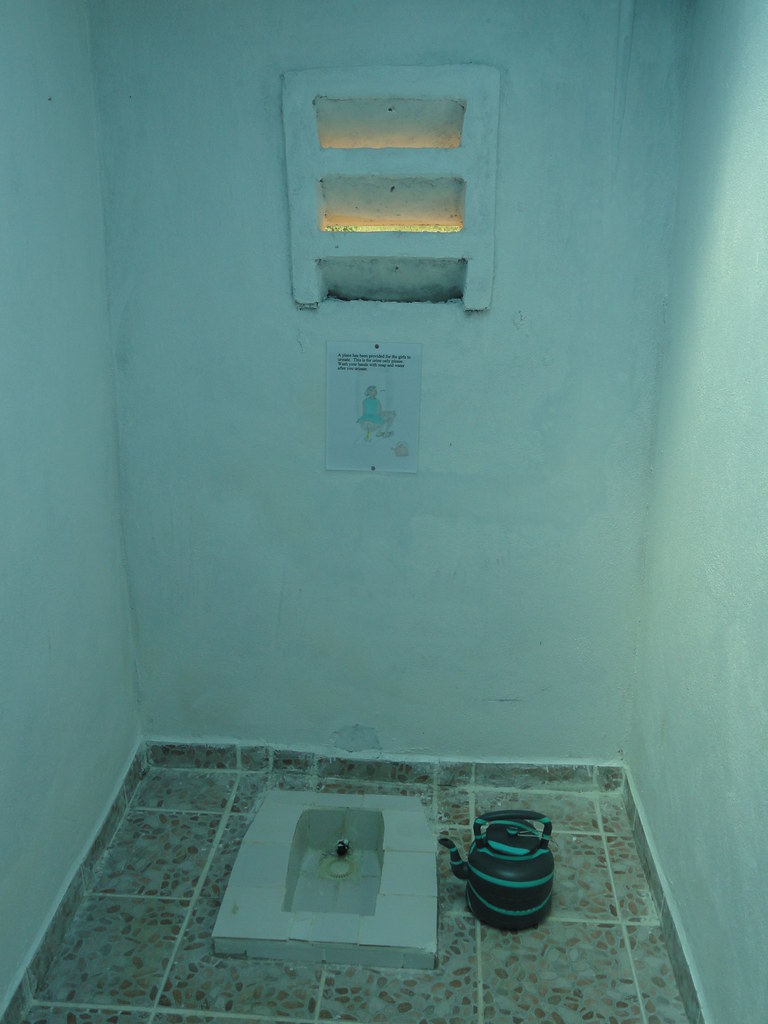
The Sierra Leone team had an opportunity to meet with eleven year old community member and students class 6, Isatu Bangura, who stated, "I feel happy because now I have a fine toilet. Before we didn't have toilets, just a hole in the ground. I love that I have a place to wash my hands with soap and water. When I grow up I want to be a doctor. I would like to be a member of the Child Health Club."
The hygiene training took place with two other schools who were also receiving sanitation projects. When the initial well rehab was done on this well, our team taught the students. This time, the teachers were taught using an SSHE/SLTS school sanitation and hygiene education, school led total sanitation approach. This method is more sustainable and hopefully will produce a result of long term change in the lives of these students and this community.
The teachers were engaged and were really excited about the training. Actually, when we had the training the teachers were on strike because they had not been paid for some of their time from the previous school year and had not received their contracts for this school year. Their dedication to the project and to the students showed up when most of them walked approximately five km to the training. Every teacher attended the training. This is really something they can be proud of and because of their dedication, the project will be more successful we hope.
As part of forming the Child Health Club, a water and sanitation committee will also be formed to care for the well at the school, which will help make it a more sustainable project. During the hygiene education, the team addressed: Disease transmission, germs, hand washing, proper water saving techniques, healthy and unhealthy communities, Oral Rehydration Solution, how to take proper care of the pump, how to keep the water clean, community mapping and identifying good and bad hygiene behaviors, disease transmission stories, clean hands and clean hearts and dental hygiene.