Rokundor Primary School
Project Snapshot
Country: Sierra Leone
GPS Coordinates:
  Latitude 8.311650
Longitude -12.928100
Impact:
Total Served: 570
Status: Completed (?)
Completion Date (or estimate): 12/20/2011
Share this Project
Our implementing partner reports directly from the field...
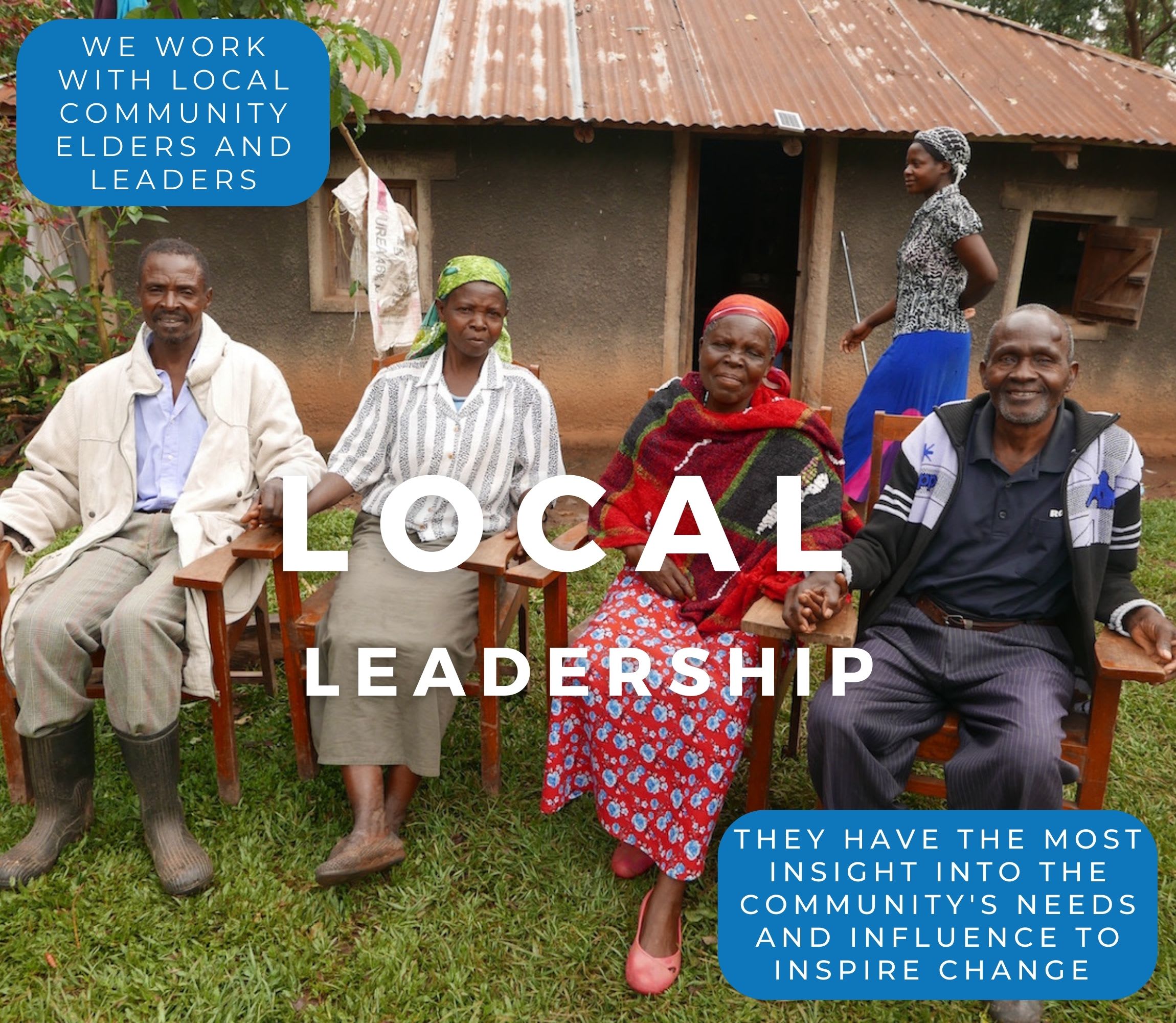
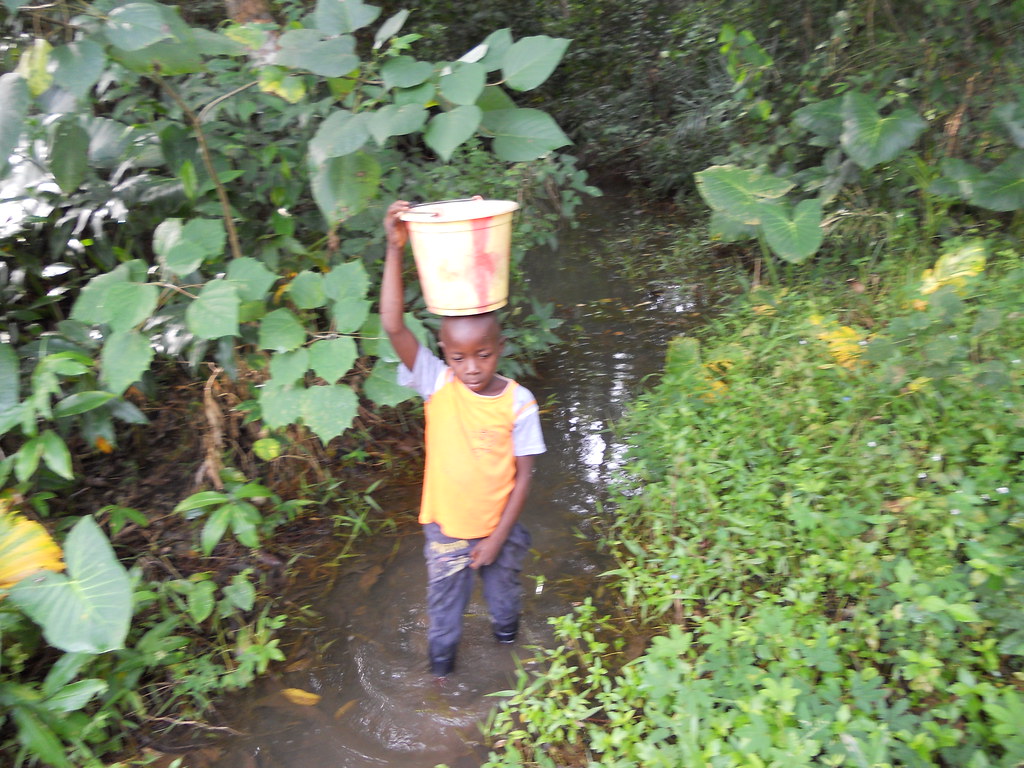
A LWI Sierra Leone team member commented, “Seeing how people have no conscience of putting an old pump in the ground and receiving money for a new pump is just sickening. The corruption shouldn't happen around providing clean water. The people were so thankful we had come and they knew we would always be there for them now as their good friends.” When the team arrived, community members were utilizing a well located two kilometers away from the community to meet all of their water needs. Because of this, families were suffering from dysentery and typhoid. During the team’s stay, community members assisted the team with the water project whenever possible. Most community members sustain their families by gardening, petty trading, teaching, working as health workers or burning coal. There is a primary school located in the community whose students, teachers and administrative personnel all have access to the new, safe water source.
The LWI Sierra Leone team had an opportunity to meet with forty-one year old community member and ward counsellor, Counsellor Mamoud T. Sillah, who stated, “I am so happy that Living Water International Sierra Leone came to our rescue!! Thank you to The Water Project as well. The old water source was very dirty and not pure at all. This new hand pump in this water well will provide us with plenty of good, clean, pure water. I tell you plenty tenke!”
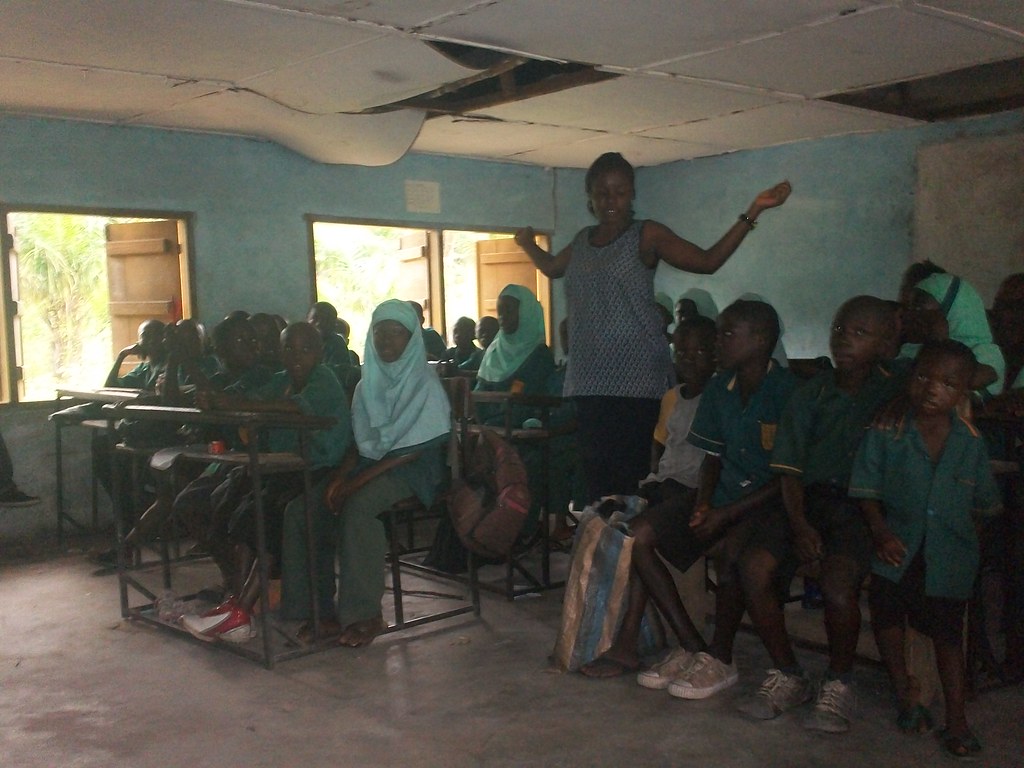
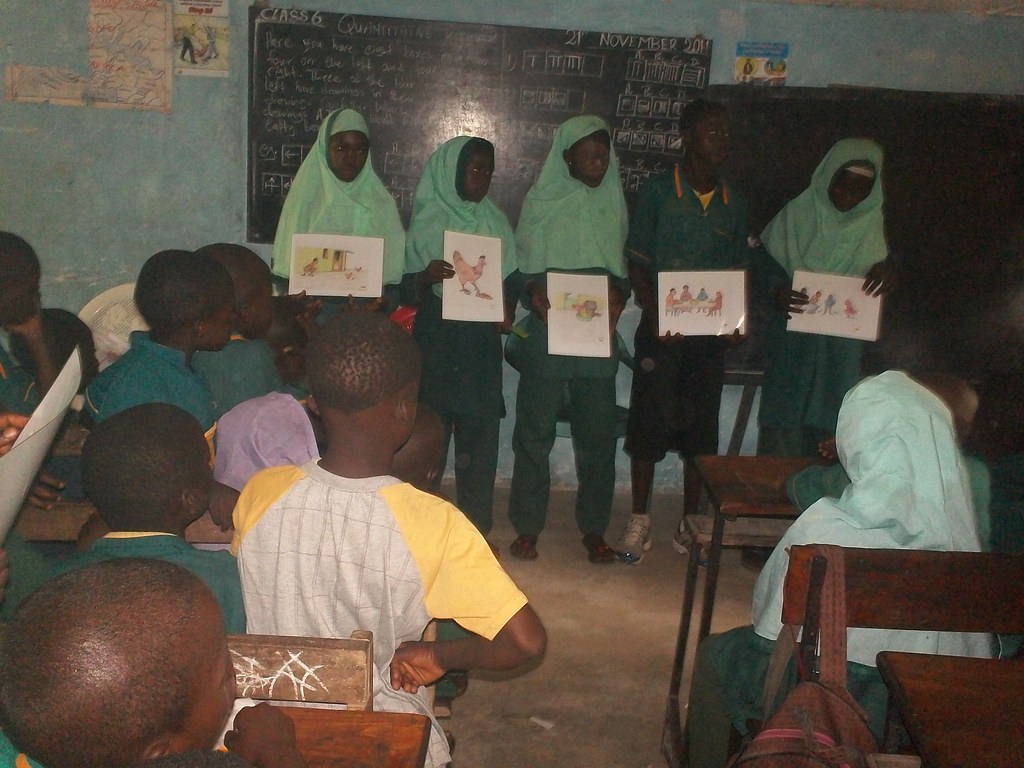
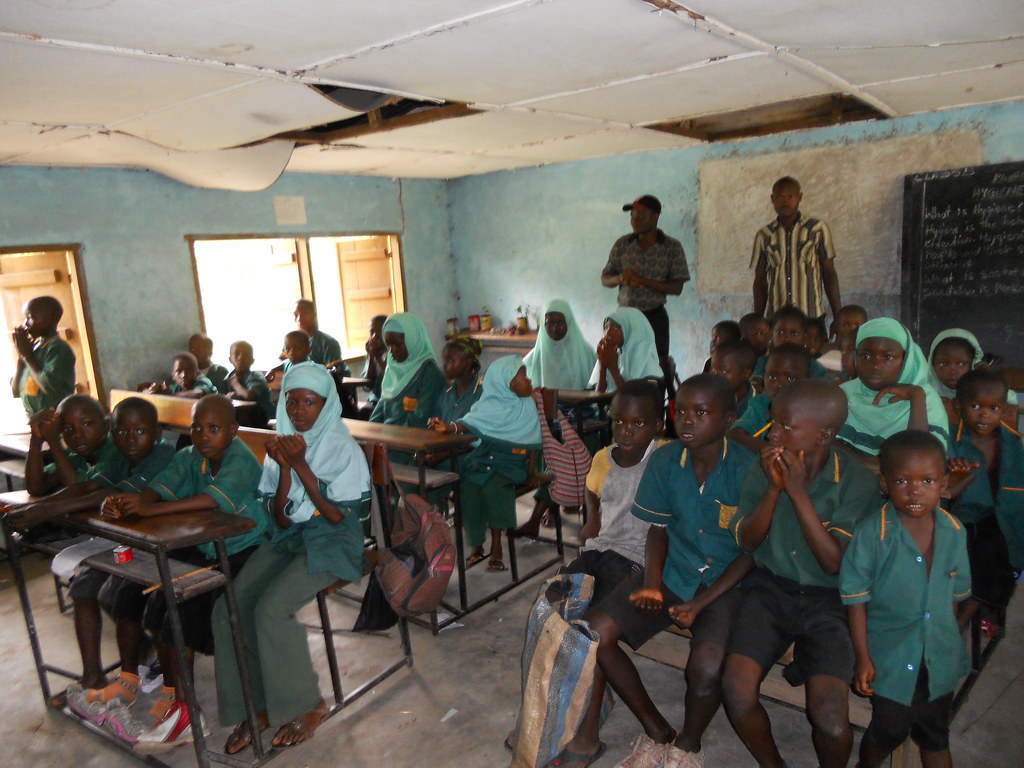
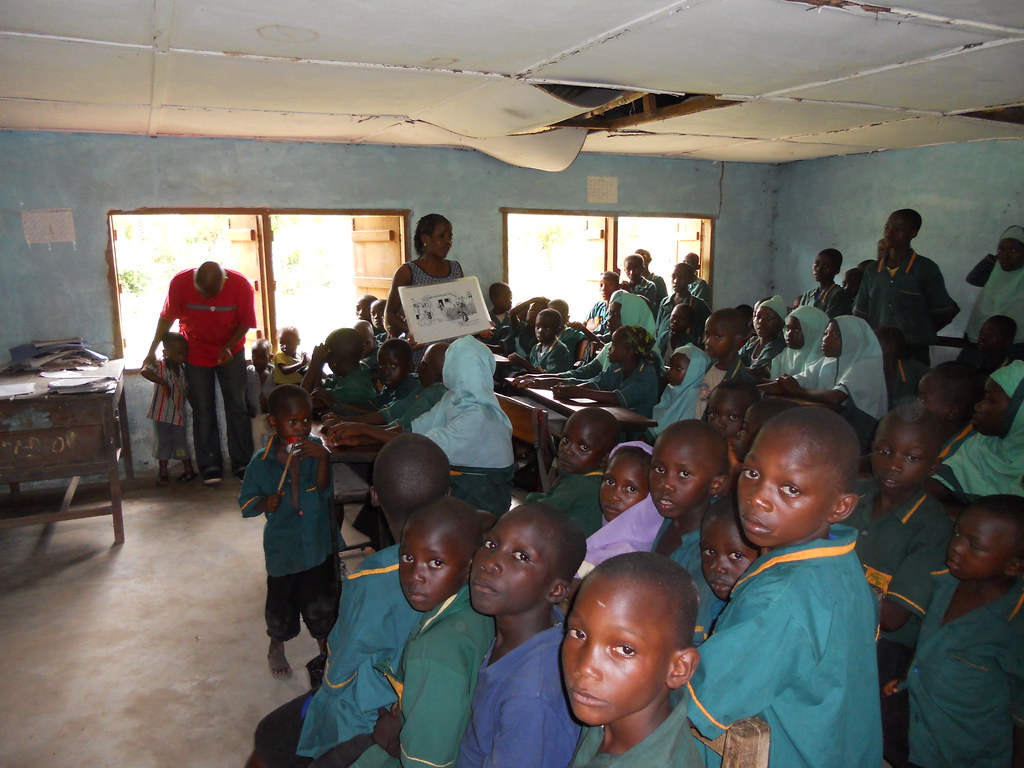
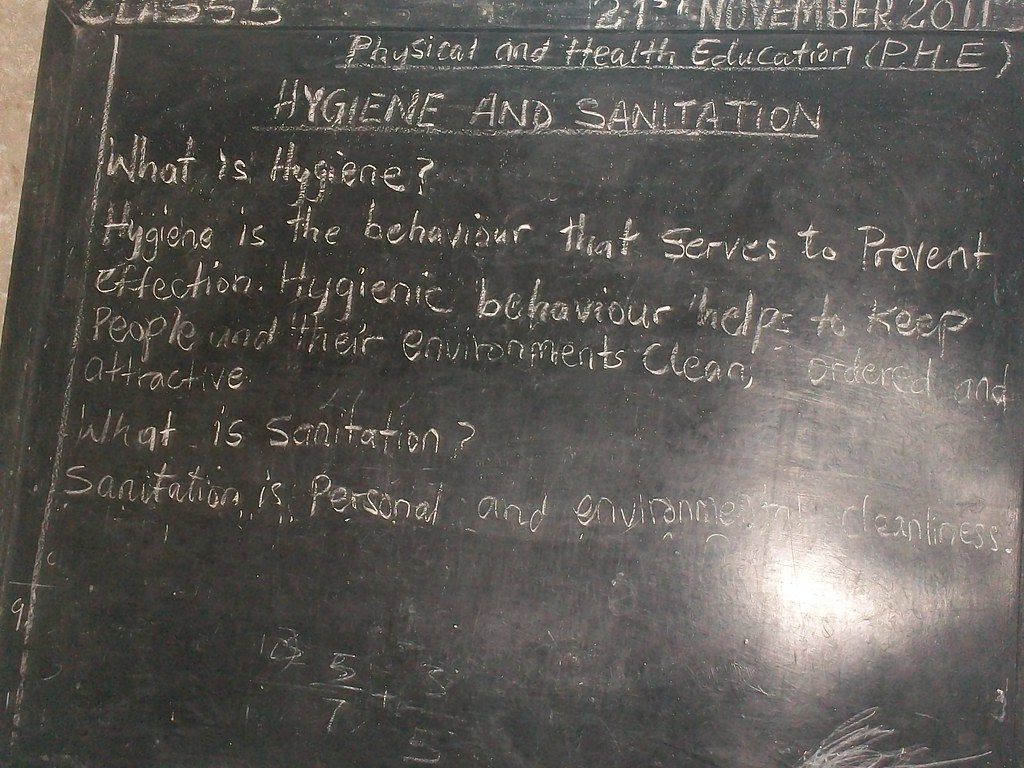
The teachers and students were very happy and excited to receive this hygiene training. The teachers were taking notes on the chalkboard. They said it helped them to know very much about personal hygiene. During the hygiene education, the team addressed: Disease transmission, germs, hand washing, proper water saving techniques, healthy and unhealthy communities, how to take proper care of the pump, how to keep the water clean, good and bad hygiene behaviors, disease transmission stories, clean hands and clean hearts and dental hygiene.
The school and community prayed with the team before beginning any work and the hygiene training. At the dedication the story of the woman at the well was told. We didn't have enough bibles with us at the time of the dedication so didn't pass out any. We will return when we have enough to go around.
Project Photos
Country Details
Sierra Leone

- Population: 9.7 Million
- Lacking clean water: 47%
- Below poverty line: 70%
- Climate: Tropical; hot, humid; summer rainy season; winter dry season
- Languages: English, Mende, Temne, Krio
- Ethnic Groups: 20 African ethnic groups 90% (Temne 30%, Mende 30%, other 30%), Creole (Krio) 10%
- Life Expectancy: 48 years
- Infant Mortality Rate: 155 deaths per 1000 live births
Partner Profile
Living Water International

Nearly 20 years ago, we set out to help the church in North America be the hands and feet of Jesus by serving the poorest of the poor. 600 million people in the world live on less than $2 a day. 884 million people lack access to safe drinking water.
For all practical purposes, these statistics refer to the same people; around the world, communities are trapped in debilitating poverty because they constantly suffer from water-related diseases and parasites, and/or because they spend long stretches of their time carrying water over long distances.
In response to this need, we implement participatory, community-based water solutions in developing countries. Since we started, we’ve completed water projects for 7,000 communities in 26 countries.
It all began in 1990, when a group from Houston, Texas traveled to Kenya and saw the desperate need for clean drinking water. They returned to Houston and founded a 501(c)3 non-profit. The fledgling organization equipped and trained a team of Kenyan drillers, and LWI Kenya began operations the next year under the direction of a national board.
That pattern continues today; we train, consult, and equip local people to implement solutions in their own countries.
Remembering the life-changing nature of that first trip in 1990, we also lead hundreds of volunteers on mission trips each year, working with local communities, under the leadership of nationals, to implement water projects. It’s hard to know which lives are changed more—those “serving” or those “being served.”
Our training programs in shallow well drilling, pump repair, and hygiene education have equipped thousands of volunteers and professionals in the basics of integrated water solutions since 1997.