Bwola Village
Project Snapshot
Country: Uganda
GPS Coordinates:
  Latitude 3.476530
Longitude 32.816870
Impact:
Total Served: 700
Status: Completed (?)
Completion Date (or estimate): 02/28/2011
Share this Project
"In the last 20 years of war, Padibe Sub-County was the most affected, with the highest death rate in Kitgum district, and with the largest squalid camp condition of 45,000 people during the war. It was the entry and exit point of the LRA rebel activity in and out of Sudan. As a result, there is the highest percentage of trauma and poverty level, ever seen in northern Uganda.
Education, agriculture and income generation, social development, spiritual development, medical care, women and children's needs, have all been severely neglected during these last 20 years of war.
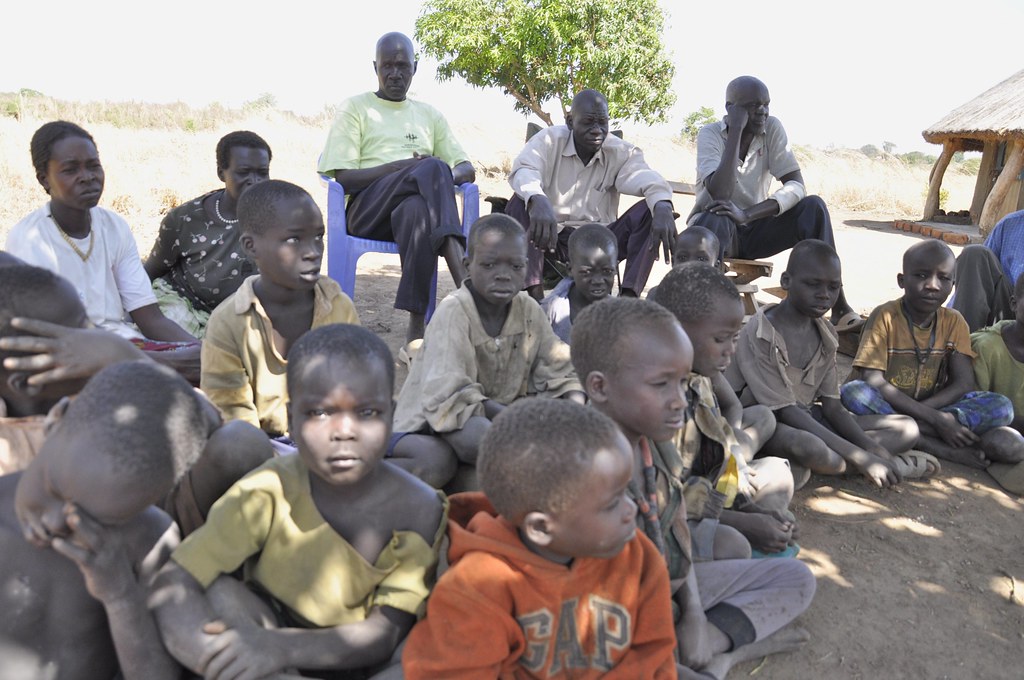
Bwola village, particularly, which is in Padibe, is where the water well is highly needed. It has a population of 700 plus people that would be using the well in the immediate vicinity plus many others traveling in for its use. The village is made up primarily of farmers, and some school teachers.
Bwola village was hit by a Hepatitis E epidemic, as a result of dirty water source from a seasonal stream. Thirty people died from this epidemic in 2009 in Bwola village alone, and over 350 people died in the whole Padibe subcounty as a result of this outbreak.
Because of this, we mobilized and sensitized the village on the use of clean water, and village resettlement project and their main plea was to have a clean water source.
There is a need in the area for a primary school and a clinic, which is also part of our 'village resettlement' vision. This well would be centrally located to serve both of these projects as they are developed.
Right now, the center of the well location, would be the church, which is right now being built. The pastor of the church has graduated from our Bible College in Gulu, and he has formed a co-op within the church community in Bwola to start animal and livestock sharing, as well as oxen sharing for plowing the church families' farms.
The vision is great, but having a water source is the first and foremost need for that area."
On completion of the well our partner sent this update...
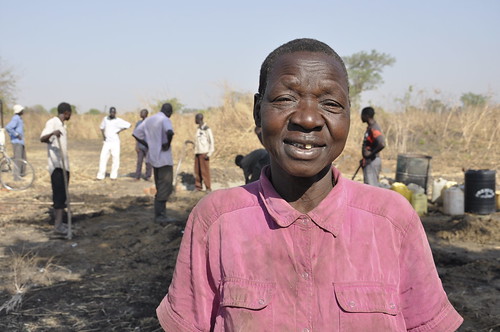
"My
name is Ayaa Ester, and I’m 62 years old. We‘ve had no clean water from
our village. The only water is from Lagwel, which is located three
kilometers from our village.The major problem would not be the long distance, but when we get there for water, we are limited to only two water cans per family, which is not enough to sustain our families.
I give thanks to Water Harvest International, and to the Therese Foundation. This well will help us so much and will reduce the stress, struggle, and fighting for water. May the almighty God bless you all and continue to work through you to solve the problems of us."
Project Photos
Recent Project Updates
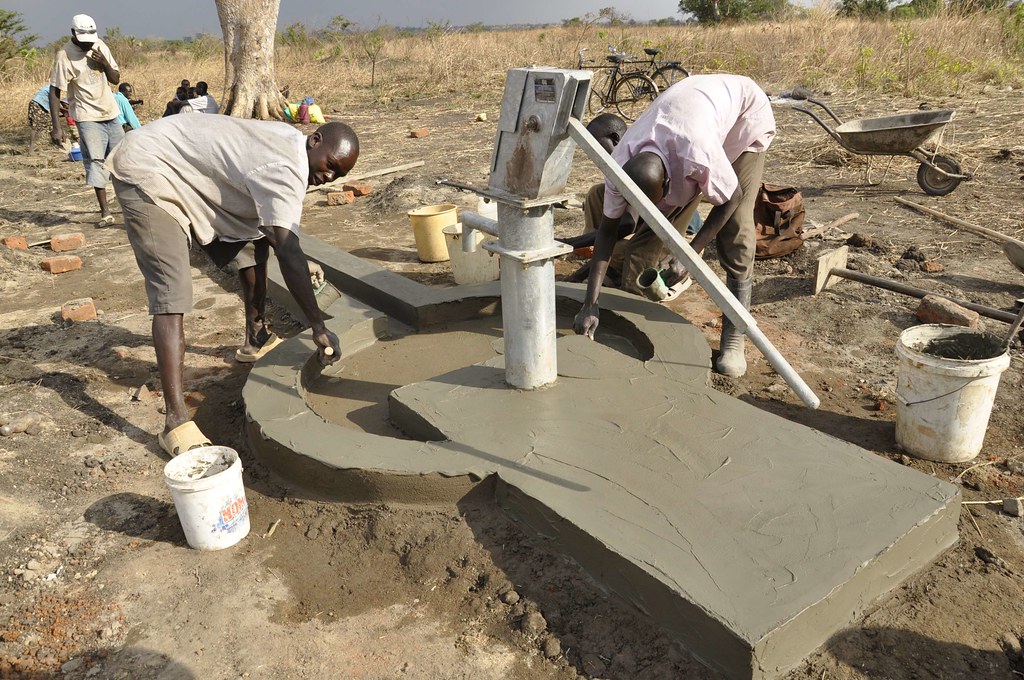
02/14/2011: Bwola Well is Completed

I would like to thank God very much for answering our prayers. We really suffered so much for not having clean water which is safe like the one of the borehole. I was born from this village in 1954 and all of my time has been spent from this same village. This village currently has over seventy households with a total population of 600 people both young and old.
During the rainy season, we would get our water from the hand dug open wells, which are not safe. Unfortunately, the wells would dry up during the dry season, forcing us to move longer distances to look for water. Also, it would be overcrowded because of the whole respective village population. People in this village normally spent sleepless nights. They woke up at dawn and move tens of kilometers in search for water and came back late, hence three quarters of the time was spent on searching for water than on other normal domestic responsibilities.
Livestock equally shared the available water points during rainy seasons since most of them are raised on free range system. Worst of all is when they leave their waste into the water point which is dangerous for human health.
Lagwel stream is the only water point that most populations come in all seasons and it is for all uses, (drinking, livestock, farm, swimming and etc).
As a result of the dirty water source for this community, the village was stormed with different water related diseases. We
were facing it hard. Our children, men, and women were always getting sick, giving us a difficult life in this village.
- Pastor Anja Mathew
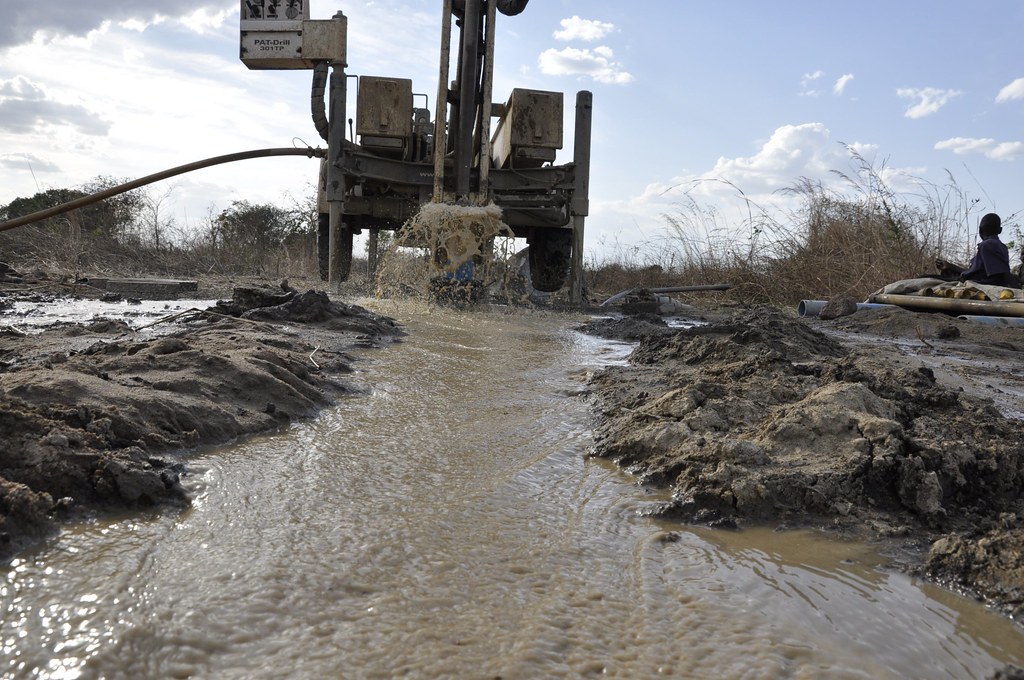
01/29/2011: Bwola Borehole Sunk
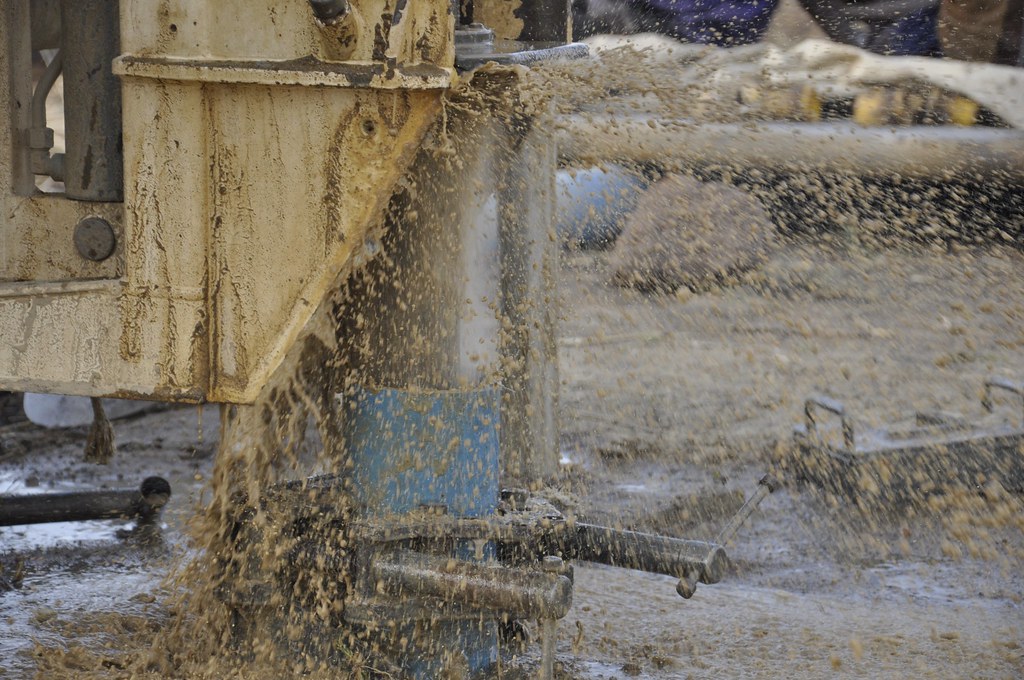
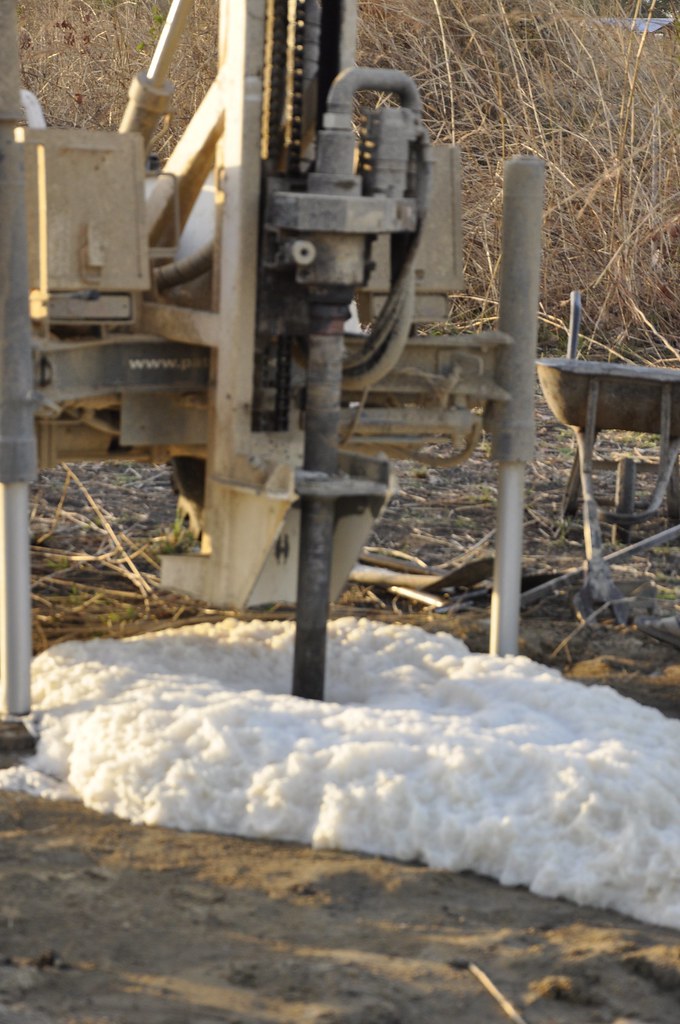
The WHI drill team just checked in via satellite to report that they have reached water at 42m with good yield.
That's great news! They should be working over the hole and installing the pump head this week.
Sponsors
Country Details
Uganda

Population: 27 million
- Lacking clean water: 36%
- Below poverty line: 37%
- Climate: Tropical; generally rainy with 2 dry seasons
- Languages: English (official), Ganda or Luganda
- Ethnic Groups: Baganda 17%, Ankole 8%, Basoga 8%, Iteso 8%, Bakiga 7%, Langi 6%, Rwanda 6%, Bagisu 5%, Acholi 4%, Lugbara 4%, Batoro 3%, Bunyoro 3%, Alur 2%
- Life Expectancy: 53 years
- Infant Mortality Rate: 65 deaths per 1000 live births
Partner Profile
Water Harvest International

The Water Project, Inc. is proud to be in partnership with Water Harvest International (WHI), a U.S.-based Christian safe water non-profit with an
operational base in Southern Sudan.
Between 2005 and 2007, several members of the Radler family visited both North and South Sudan on mission trips. Realizing the deep impact that clean water can have not only on a community but also how it can aid in spreading the Gospel, The Radler Foundation decided to start and fund a water drilling operation based in Kajo Keji County, South Sudan.
In May of 2008, as planning and development was taking shape, the Lord blessed the Foundation and brought Stephen Huber on board as WHI's first employee. Stephen moved to Sudan in July of 2008 to set up operations in-country.