
 Rehabilitation Project






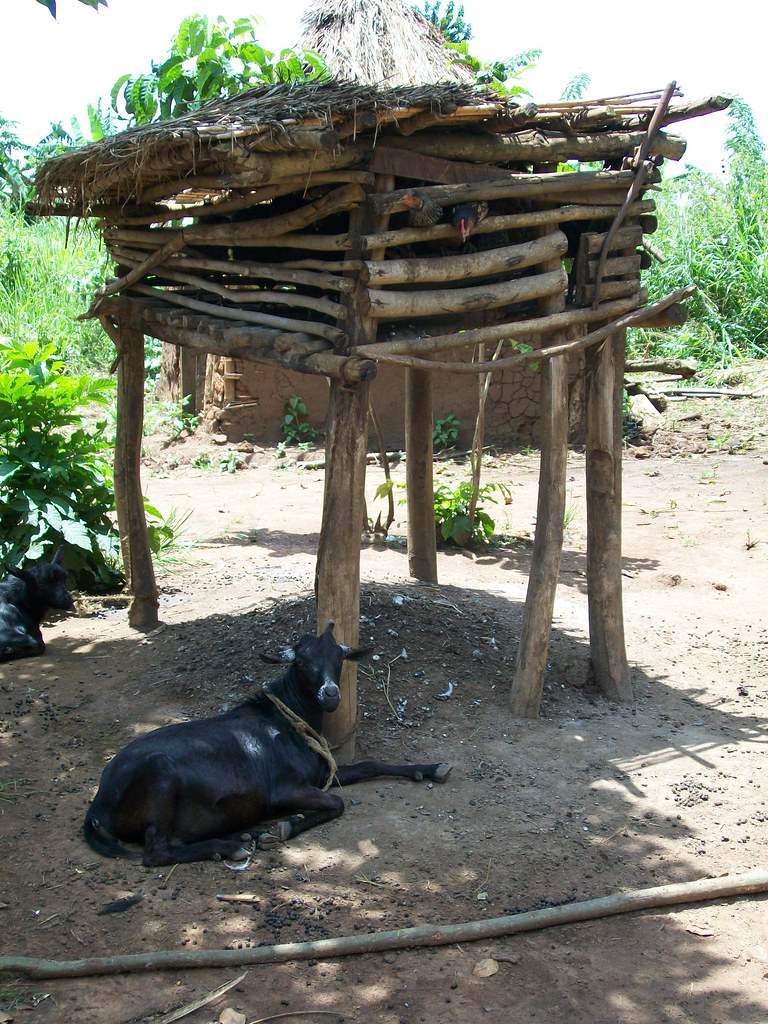
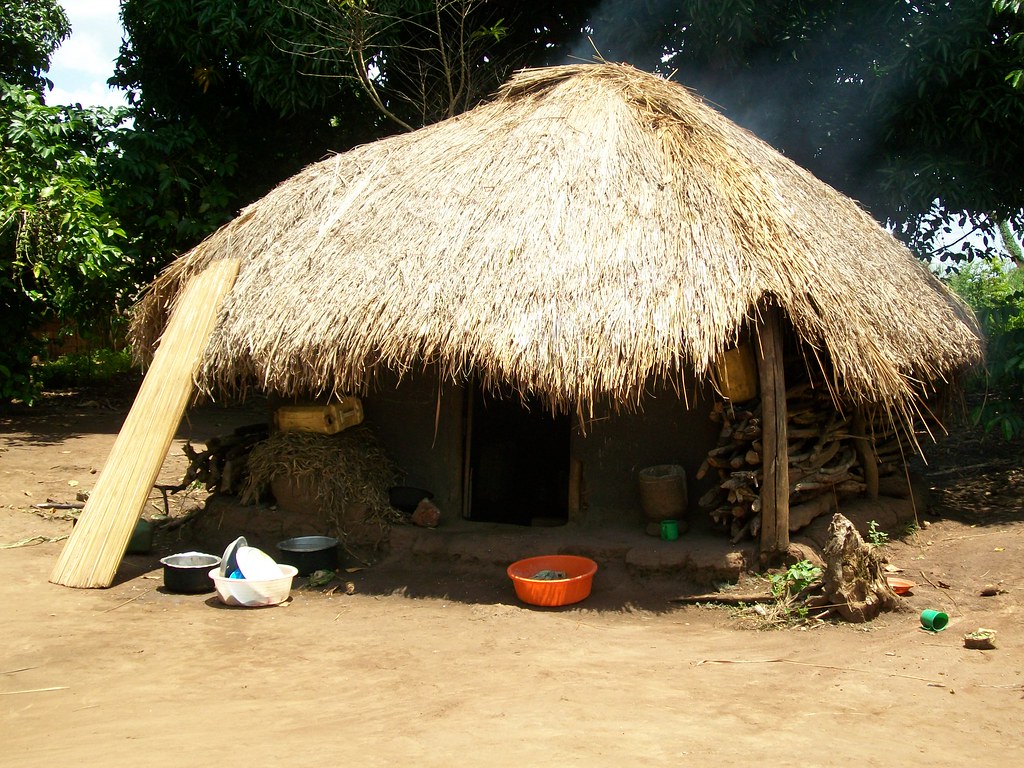
The community of Kisindi is located in a very lush and fertile area of Masindi District, Uganda. The vast majority of the local population is involved with subsistence agriculture. Maize, beans, plantains, and cassava root are the most commonly grown crops. Households also typically rear chickens, goats
and sheep. Within Kisindi there is a small trading center where residents can buy the necessities such as cooking oil, candles, meat and, of course, Coca-Cola. The shop fronts serve as popular places for people to meet and chat. Although a pleasant community in many ways, Kisindi also lacks many basic services, in particular, a clean water supply. The village chairman, Moses Murasa, succinctly states the
current water situation in Kisindi in his application to Busoga Trust for a shallow well;
“We are drinking pond water or we walk a long distance for safe water.”
The distance to the safe water
source which the chairman refers to is roughly 3-4 kilometers and only a
few people are willing to make the laborious trip. Carrying a jerry
can full of water over that distance is an exhausting and time consuming
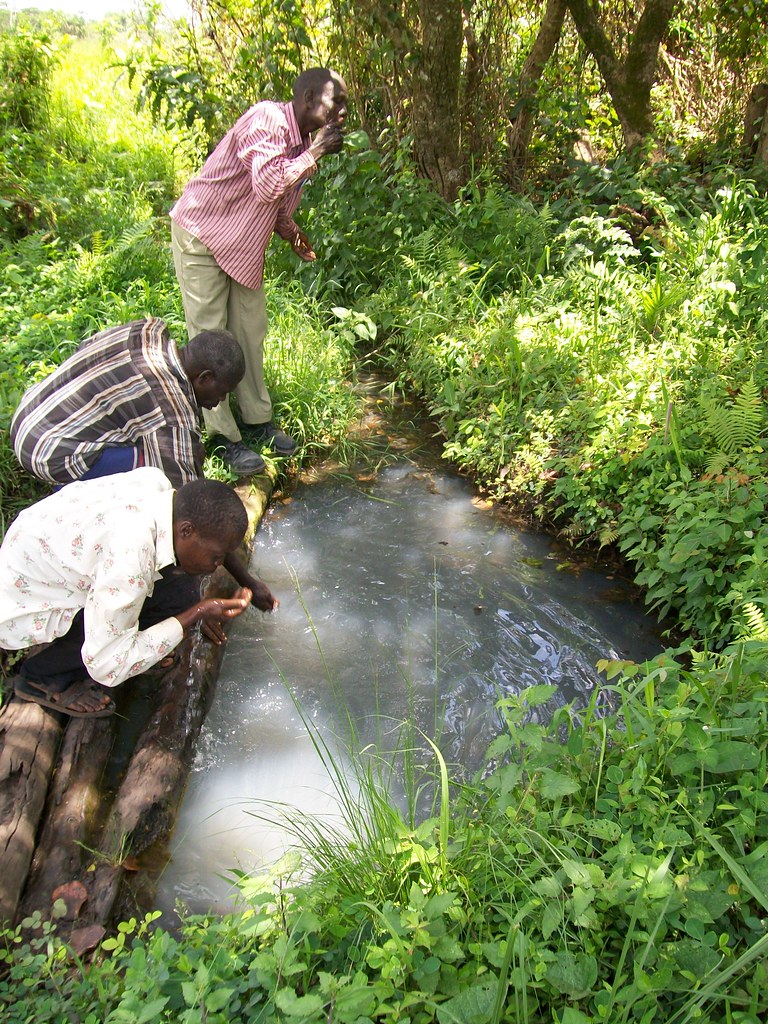
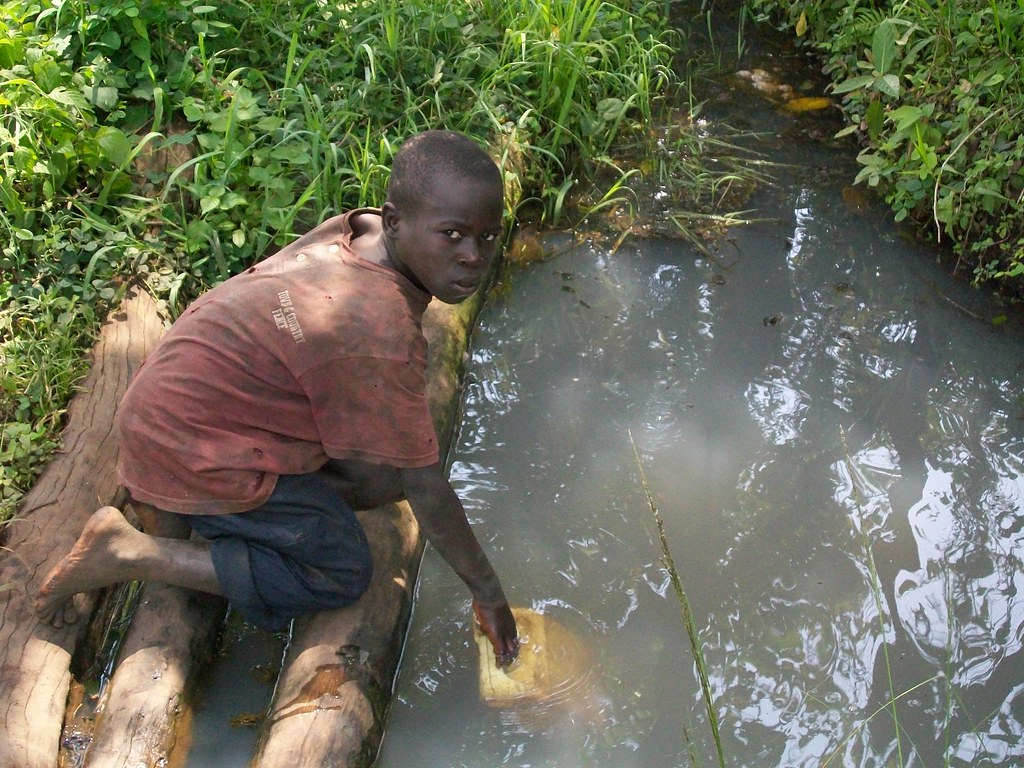
task. Kisindi residents therefore rely on naturally forming open pools
which sit in the small valleys of the area. Unfortunately, these ponds
are easily exposed to sources of bacteria which contaminate the water
and threaten the health of those who drink it. Water borne diseases
such as typhoid and dysentery, as well as water-washed diseases like
scabies commonly plague Kisindi residents. Without a clean source of
water they will continue to suffer from preventable diseases.
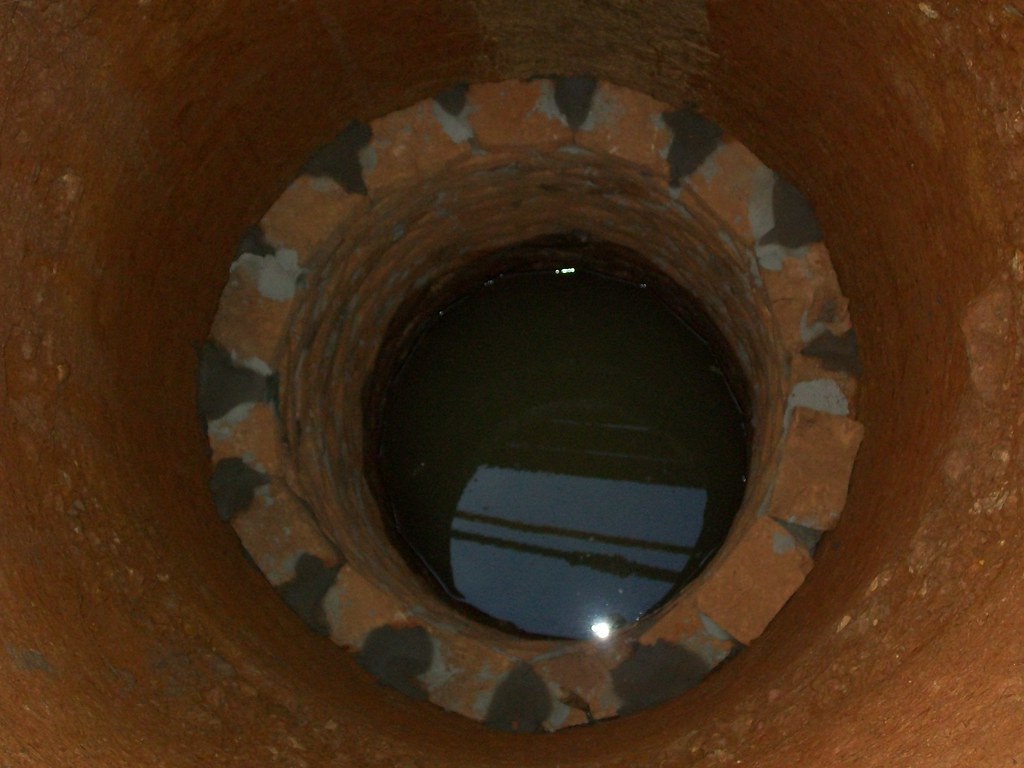
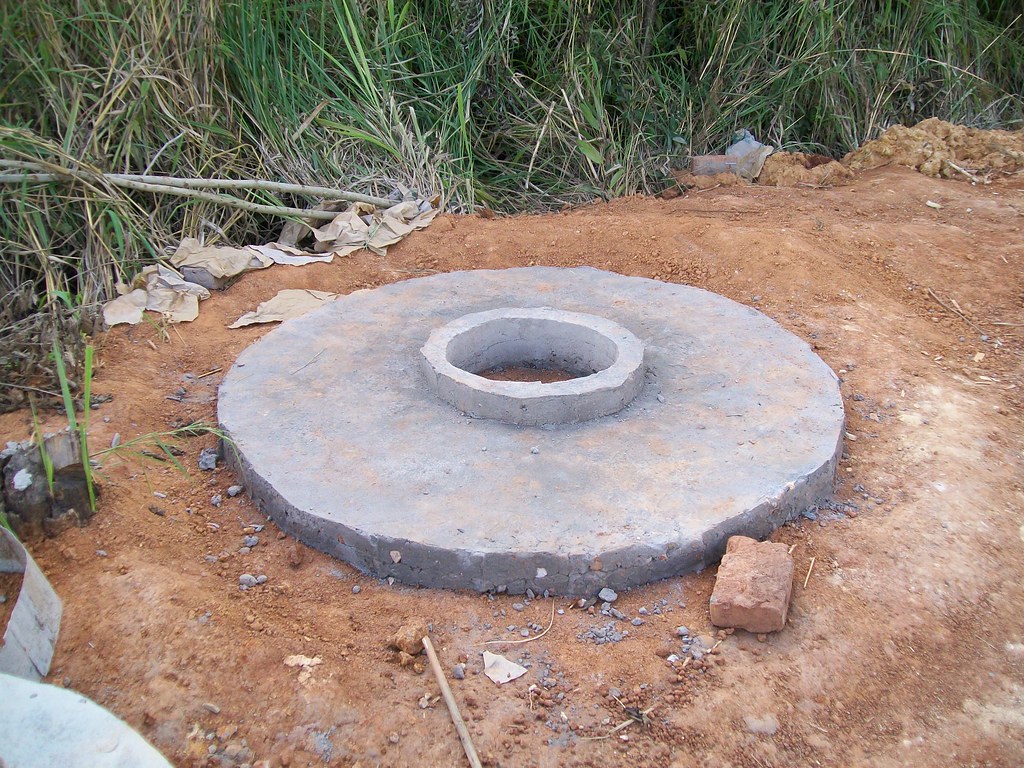
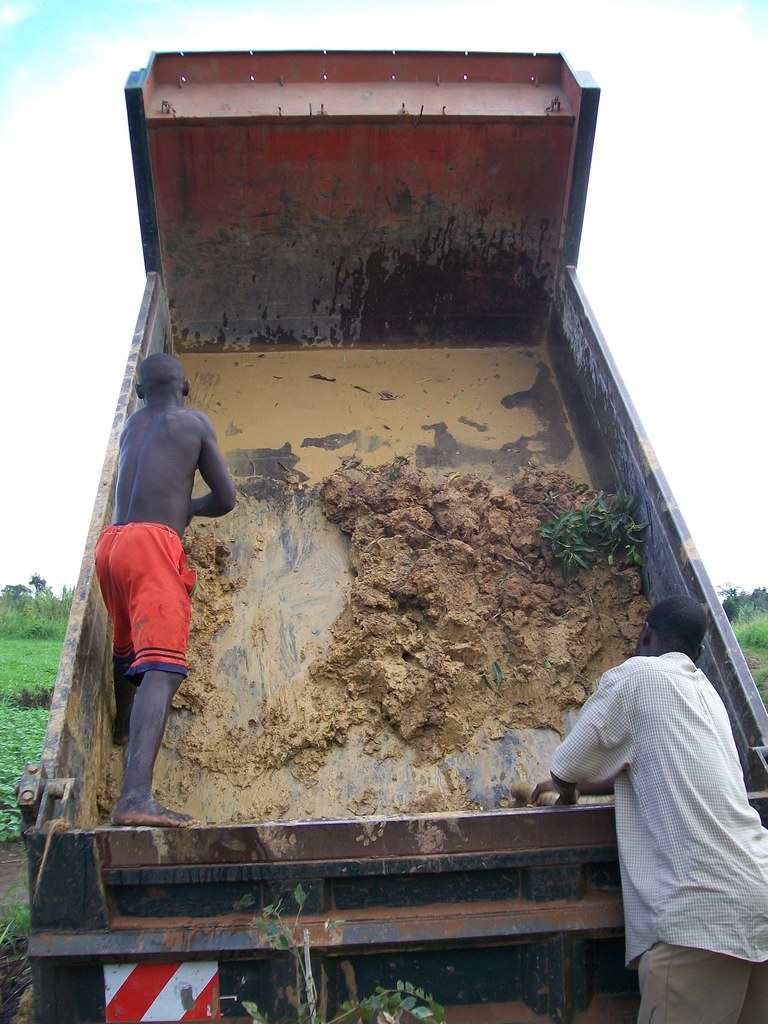
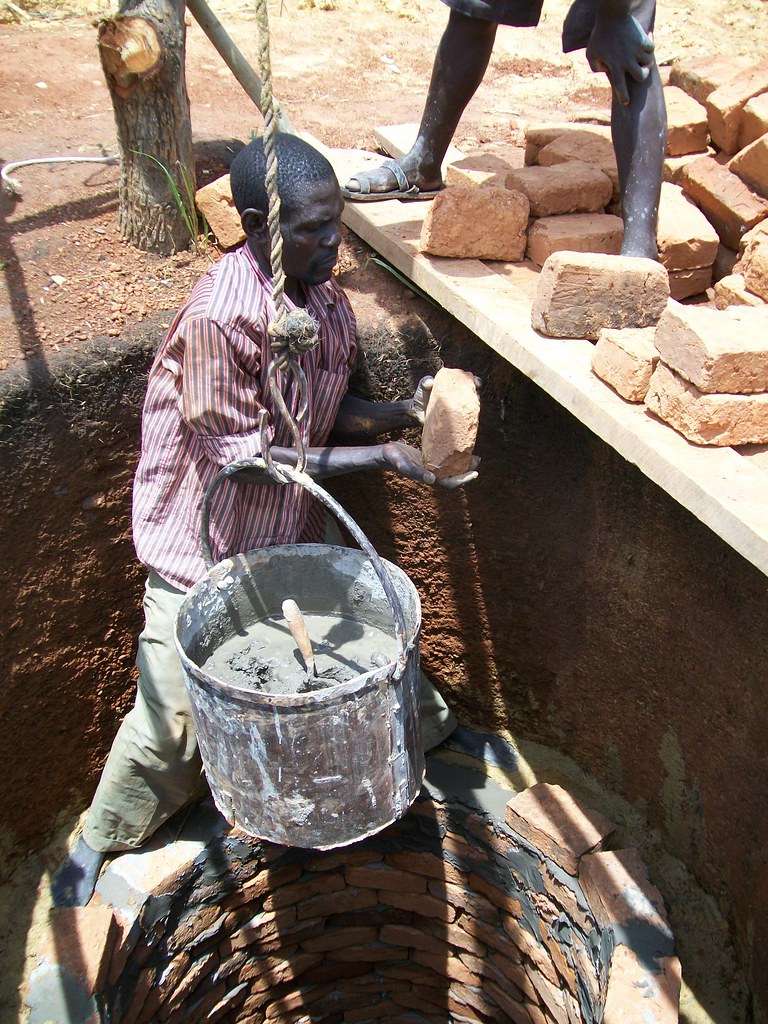
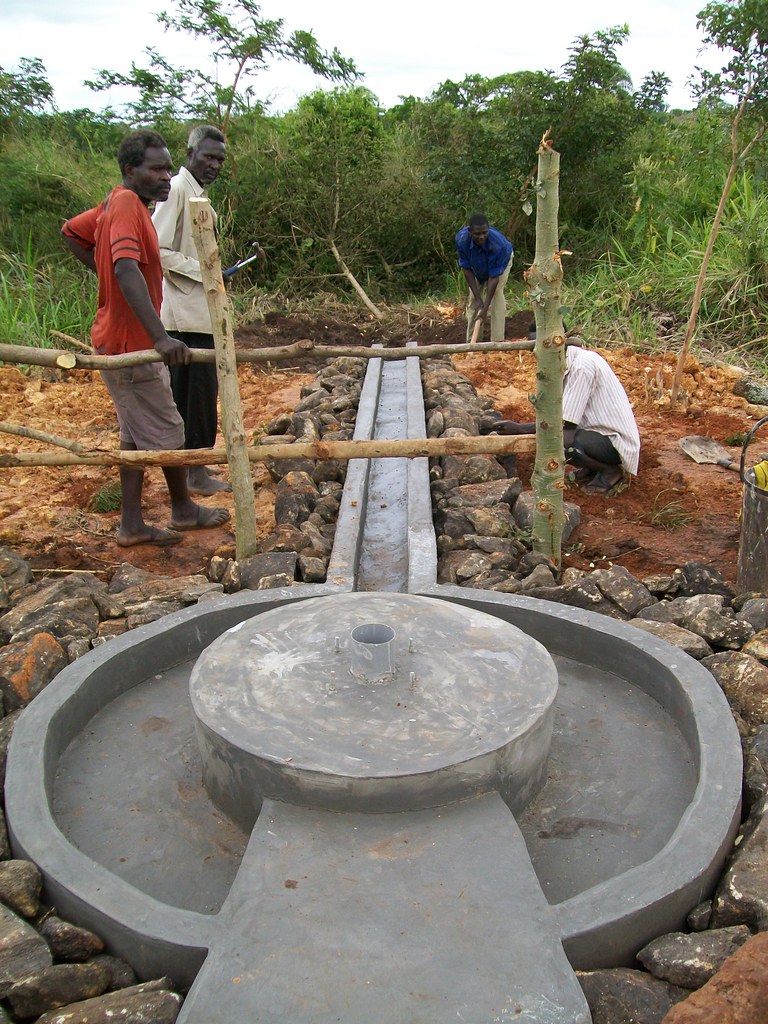
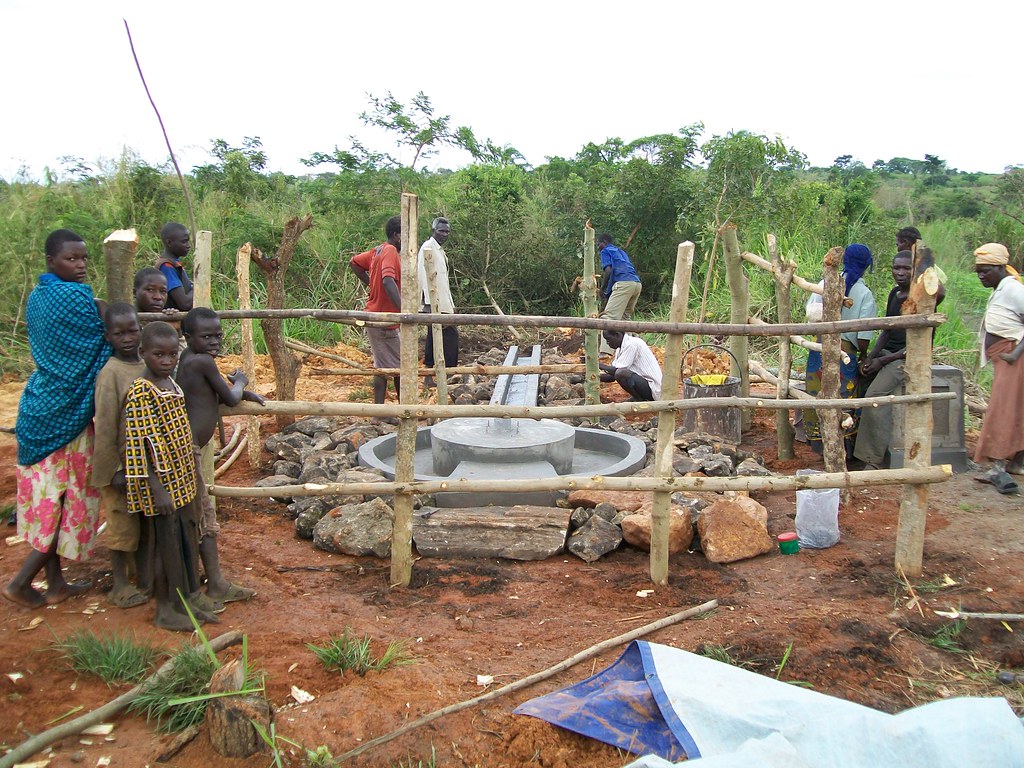
On September 28, 2010 Busoga Trust
placed a technician in Kisindi to begin the excavation of a shallow hand
dug well in cooperation with local residents. Construction of the well
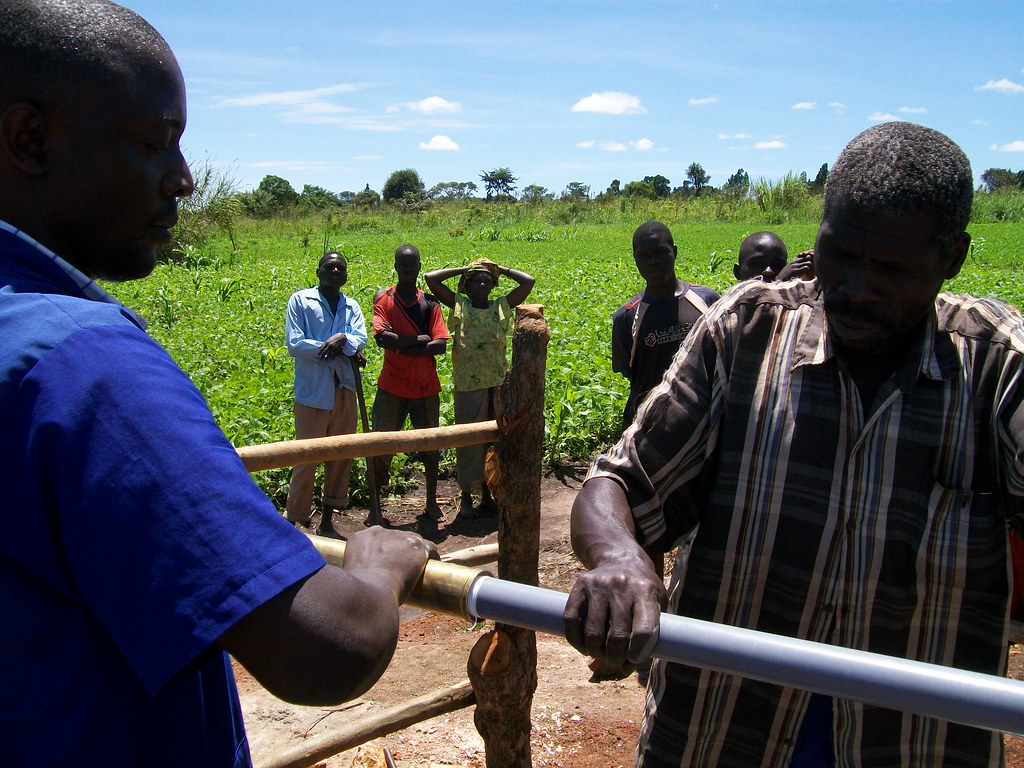
will take 3 – 4 weeks and following its completion a hand pump will be
installed. Additionally, sanitation and hygiene education will be
conducted via a drama show and household follow ups by Busoga Trust
staff. The combination of clean water provision and improved hygiene
and sanitation coverage will see the standard of health for Kisindi
residents increase considerably.
GPS Location Approximate