 Rehabilitation Project




This project was implemented by another partner, but is now monitored and maintained by The Water Project together with Mariatu's Hope.
When the team arrived the community was utilizing a river as their primary source of water and because of this residents were suffering from dehydration, diarrhea, Dysentery and Malaria. The nearest schools are Primary and Secondary schools located in the community whose students, teachers and administrative personnel all have access to the new, safe water source. There are children who also travel two to three miles a day to attend school, and although the school teachers and administration work diligently there are no books for students. The majority of
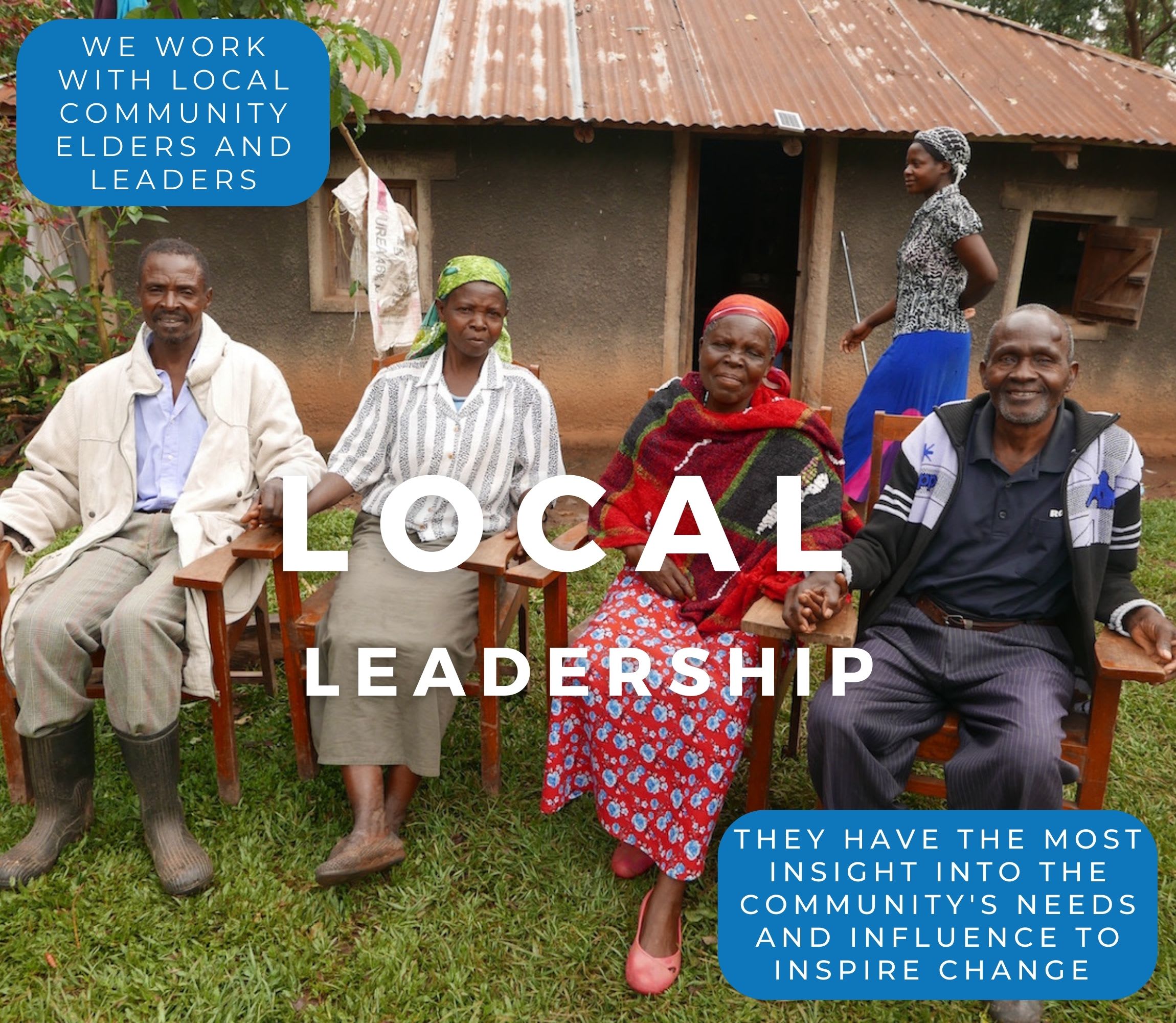
community residents sustain a living by fishing or farming and selling their produce at local markets. Before leaving the community the team provided community resident Alhaji M. Saccoh with a contact number incase their well were to fall into disrepair, become subject to vandalism or theft.
The team had an opportunity to meet with thirty-two year old male community resident and local teacher Edward Falama who stated, "The distance from the previous water source was very far and was not safe. The previous source is open and is not good for health but with the new hand pump and the well closed up it will now improve our health conditions. Thank you!"
During the hygiene education the team shared the following principal concepts: Disease transmission, Germs, Hand Washing- proper techniques and water saving methods, Healthy Unhealthy Communities, Oral Rehydration Solution, Proper care of the pump, Keeping the water clean, Good-bad hygiene behaviors, Disease Transmission Stories, Clean Hands Clean Hearts and Dental Hygiene.