 Well Rehab
 Rehabilitation Project

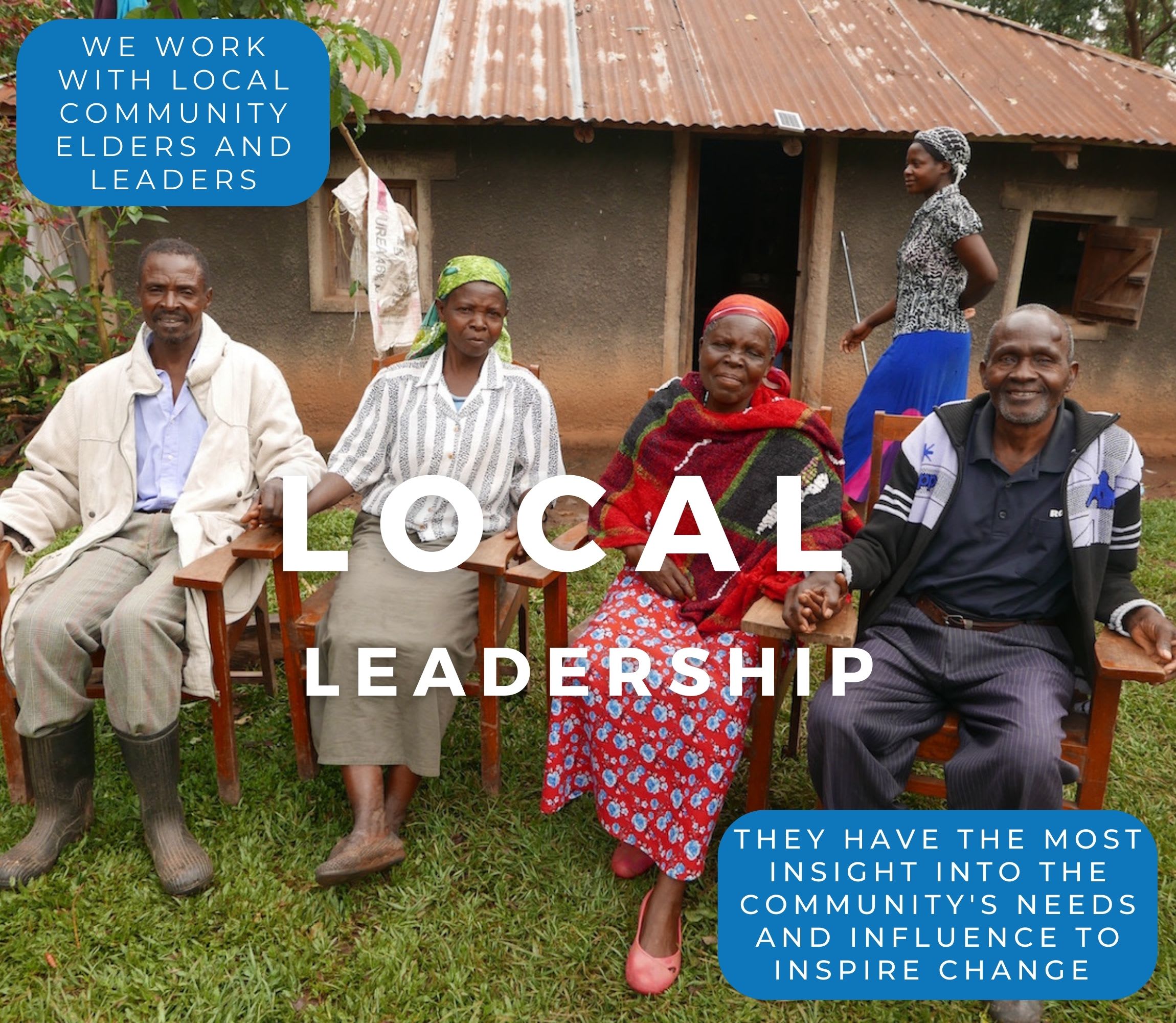




When the team arrived the community was utilizing a river as their primary source of water and because of this residents were suffering from Dysentery and Malaria. The women in this community were willing to work alongside the team to install the new hand pump. When asked about a water committee, they gave very high numbers of
committee members. The team and community settled on twenty men and fifteen women who made up the water committee assisting the team with materials and with the water project whenever possible. The majority of community residents sustain a living by farming, trading or fishing and selling their produce at local markets. The
nearest school is located .5 of a kilometer away from the community whose students, teachers and administrative personnel all have access to the new, safe water source. Before leaving the community the team provided community resident Haja Sesay with a LWI contact number incase their well were to fall into disrepair, become subject to vandalism or theft.
The LWI Sierra Leone team had an opportunity to meet with seventeen year old female community resident and local student Mary Kamara who stated, "The distance to the stream is far. The water is not clean. Now it is much closer to get water. It is easier for us. The well is protected and we won't get sick as much."
The LWI Sierra Leone team provided hygiene education for ninety-five adults and eighteen children after completing the pump repair. During the training the following principal issues were addressed: Disease transmission, Germs, Hand Washing- proper techniques and water saving methods, Healthy Unhealthy Communities, Oral Rehydration Solution, Proper care of the pump, Keeping the water clean, Good-bad hygiene behaviors and Disease Transmission Stories. After the hygiene education the team provided eighty-five Oral Rehydration Solution Spoons to resident families. During the hygiene education the team shared with the community how flies transfer germs from people to food after being exposed to feces. The community was shocked to learn of this and decided to cover their food from the flies. At that point, the team addressed open defecation as a contributing factor of disease transmission.
The team then addressed the idea and construction of native toilets. The LWI Sierra Leone has intentions to follow up with this community to see what practices the community has adopted.