
 Rehabilitation Project




A recent campaign in Uganda has helped provide clean water for schools throughout the Ruhaama district—an area like many others in Uganda where children can't go to school because of the time they spend collecting water or because they fall ill from drinking the water they fetch from contaminated sources. Thanks to the support of The Water Project donors, ten wells have been completed to date.
From Kigarama Primary School Well, our implementing partner, LWI, reports... (unedited)
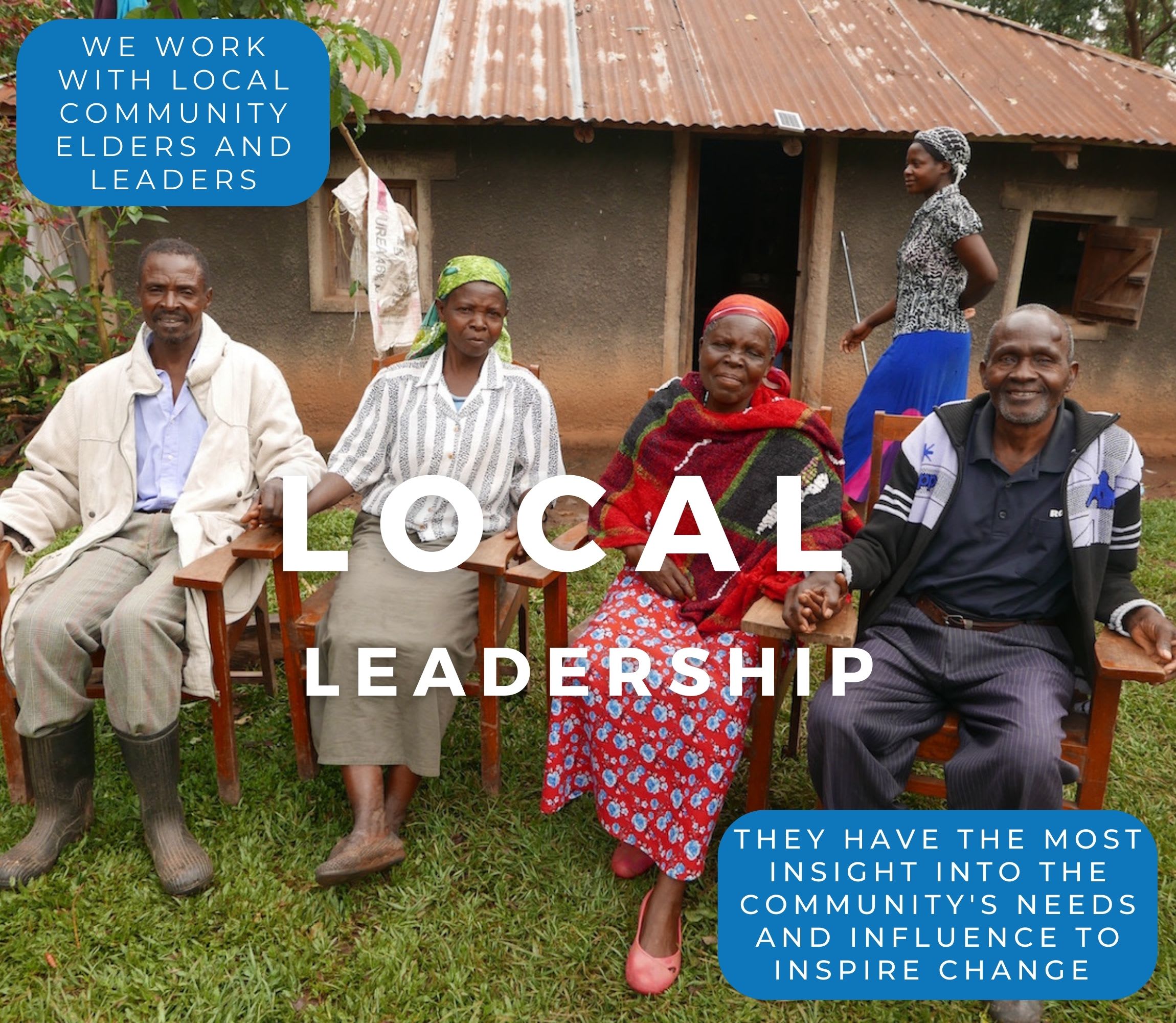
"When the team arrived, community members were using a water source unable to meet their water needs, and because of this, residents were suffering from typhoid, malaria, diarrhea and severe dehydration. During the team's stay, community members assembled a water committee consisting of six men and three women who assisted the team with the water project whenever possible, provided food for the staff and will be responsible for creating a water maintenance and management plan. This water committee will have access to the LWI Uganda sustainability coordinator to help develop a community driven plan. Most community members sustain a living by farming and selling their produce at local markets. The nearest school is located in the community whose students, teachers and administrative personnel all have access to the new, safe water source. Before leaving the community, the teamprovided community member, Emanuel Karuhanga, with a LWI Uganda contact number in case their well were to fall into disrepair, become subject to vandalism or theft.
The team had an opportunity to meet with forty-nine year old community member Emanuel Karuhanga, who stated, "The impacts on our community are: Good health, clean water, it will save time, poverty alleviation, allow us to help the needy and show believers and unbelievers how God gives freely. Thank you for this well."
When the team arrived at Kigarama primary school the head teacher Mr. Nshemereirwe welcomed the team and ushered the team into the office to explain training expectations. During the hygiene education, the team shared with 32 primary school students and community families the following: Disease transmission, germs, hand washing, proper water saving techniques, good and bad hygiene behaviors, disease transmission and how to keep the waterclean. The team was well received by the school parents and felt the lessons provided to the community were also well received. One boy asked a question whether it was necessary to wash hands using boiled water and the team told them that any water can wash hands as long as it’s clean. Another lesson taught during the day was introduction to disease transmission, disease blocking and disease stories. During the lesson, children were able to identify some of the common unhealthy practices taking place in their area including; Eating with dirty hands. This is mainly done by the children while having their lunch break at school. Other health issues addressed by the team were: Sharing clothes with others which has led to the spread of ring worms, the practice of community members washing their hands in the same container. Most people don’t wash hands after visiting a latrine. Children eat unwashed fruits and sometimes eat uncooked food, and drinking un-boiled water. It is hoped that after this hygiene education, most of these unhealthy practices will no longer be used.
This community and the school used to get their water from an unprotected spring located about 500 meters from the school. This is the only water source in the community and according to the headmaster of the school; this water is not good for the children. There have been many cases of diseases that he thinks is associated to bad water."