The Water Project

Share the Story

Njirinya Community Water Project

Photo of Njirinya Community Water Project

Project Snapshot

Country: Kenya

GPS Coordinates:
  Latitude 0.307755
  Longitude 34.551024

Impact:
  Total Served: 300

Status:  Completed (What's This?)

Completion Date (or estimate): 07/20/2012

Share this Project

This project is part of Bridge Water Project's well rehabilitation program. The following project details are direct from BWP, and have been edited of clarity:  

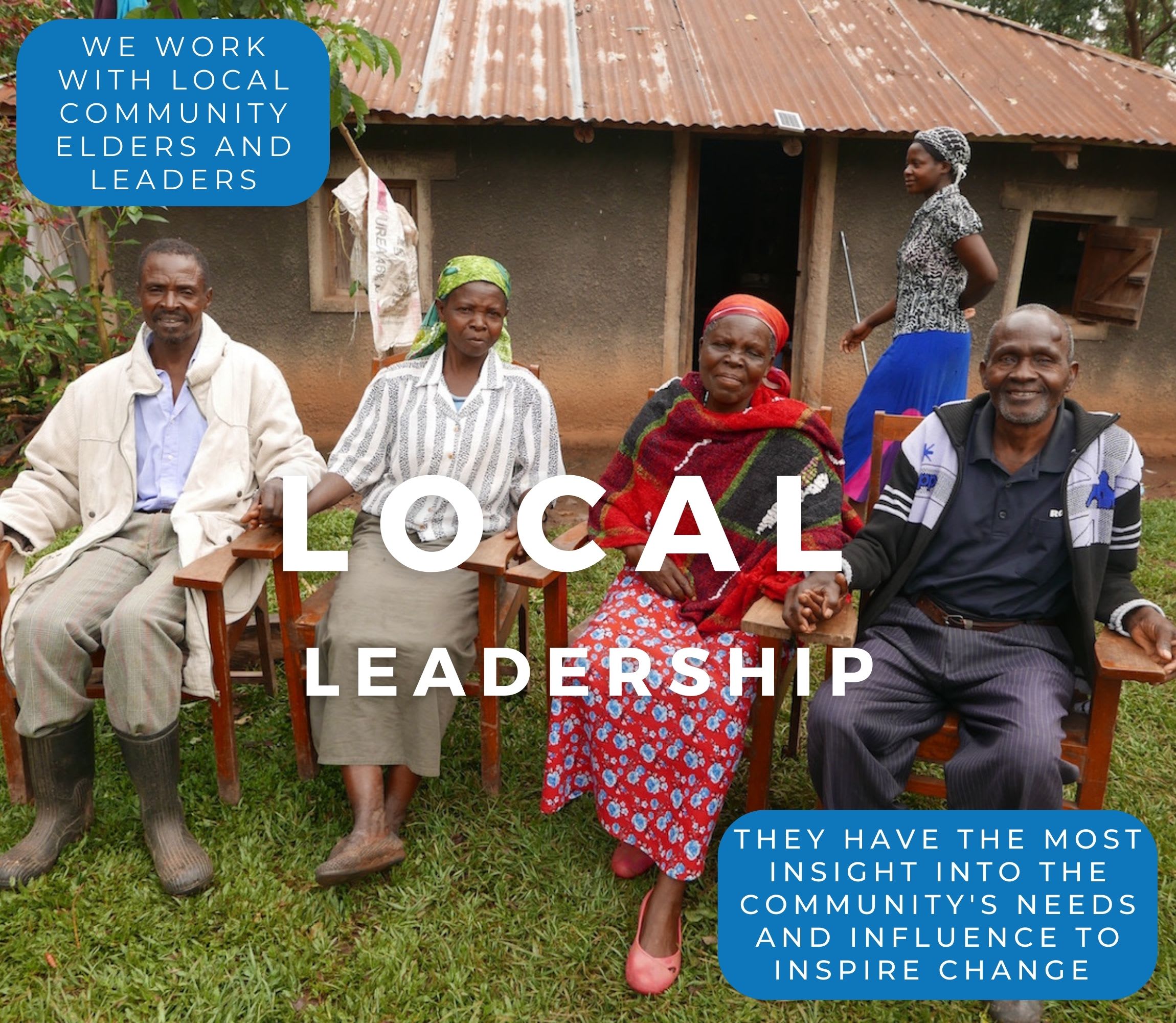
 The proposed project is with Nirinya community, in Mumias district. The community is made up of 50 households. The community constructed a hand dug well. The well was dug to serve the community, and to help the women in the community who used to fetch water from a long way away. The community are unable to fund the purchase of the necessary hand pump to finish the project, and approached BWP for assistance. Th installation of a hand pump will greatly improve this source as the community are currently drawing water using a rope and jerry can, which is highly susceptible to contamination. 

 Members of the self help group grow vegetables which they sell and support themselves. 

 The group is well organised and have appointed a water committee, and set up a bank account in which they can save the community contributions for operation and maintenance costs.    

 Bridge Water Project is committed to both the hardware implementation and a comprehensive hygiene and sanitation training program as part of this project. 

Project Photos


Recent Project Updates

07/20/2012: Njirinya Community project complete

These photos show the handing over ceremony at Njirinya Community. The well has been rehabilitated and is now a functioning water source. The community and the team from Bridge Water Project have taken part in a handing over ceremony, during which responsibility for management of the facility was officially taken on by the community. The project team will return to the site for follow up in a couple of months to ensure things are running smoothly. 


07/16/2012: Water flowing at Njirinya

This well rehabilitation project is progressing well. The team from Bridge Water Project have installed the pump, and water is now flowing. They'll be returning to the site in a few days time to attend teh handing over ceremony, when responsibility for the project will be assumed by the community. Excellent progress so far!


06/27/2012: Community education underway!

Bridge Water Project are in the middle of the hygiene promotion campaign with the community, and have sent through these photos showing the workshops in session.  


Country Details

Kenya

Population: 39.8 Million
Lacking clean water: 43%
Below poverty line: 50%
Climate: Varies from tropical along coast to arid in interior
Languages: English (official), Kiswahili (official), numerous indigenous languages
Ethnic Groups:Kikuyu 22%, Luhya 14%, Luo 13%, Kalenjin 12%, Kamba 11%, Kisii 6%, Meru 6%, other African 15%, non-African (Asian, European, and Arab) 1%
Life Expectancy: 57 years
Infant Mortality Rate: 55 deaths per 1000 live births

Partner Profile

Bridge Water Project

This small, indigenous well drilling NGO uses small pick-up truck mounted drill rigs to build new shallow wells in Western Kenya.

BWP staff and crew were originally trained by David Hansen, a retired water engineer from California. David visited Kenya, saw a need, and then recruited and organized this team. He got them equipment and trained them how to use it. He also trained them how to manage their new business.

Today they are drilling at least one well per week. They work in communities they know and help mobilize them. They are able to return and fix broken parts. They are committed to seeing their own people changed when clean water comes.

Implementer

Bridge Water Project

A local Kenyan well drilling NGO


Program Summary


Well Rehab in Kenya

Repairing wells can be one of the most efficient ways to bring clean, safe water to a community.  When our partners identify old broken down wells, they assess the costs of repairing it vs. replacing it.  Often times, it's relativly easy to simply replace a rusted pump or even re-case the hole.

Each repair project is put through the same community mobilization process as a new well.  Communities are trained in sanitation and hygiene and long-term follow up is put in place so that the repaired well will work for as long as possible.


Sponsor a Project


Project Data


A well is being restored for a community in Kenya

Project Type:  Well Rehab

Location:  

Depth:  0.00


ProjectID: 4104