Kayonza Vocational College

Photo of Kayonza Vocational College

Project Snapshot

Country: Rwanda

GPS Coordinates:
  Latitude -1.898183
  Longitude 30.508583

Impact:
  Total Served: 1200

Status:  Completed (?)

Completion Date (or estimate): 06/08/2011

Share this Project

Our implementing partner reports...

"When the team arrived, community members were utilizing a river to meet all of their water needs and because of this, residents were suffering from cholera, dysentery, typhoid, malaria, diarrhea and severe dehydration. During the team's stay, community members assisted the team with the water project whenever possible. The majority of
community members sustain a living by farming and selling their produce at local markets. The nearest school is a vocational school located in the community whose students, teachers and administrative personnel all have access to the new, safe water source. Before leaving the community, the team provided community member, Shabban Ali, with a LWI Rwanda contact number in case their well were to fall into disrepair, become subject to vandalism or theft.

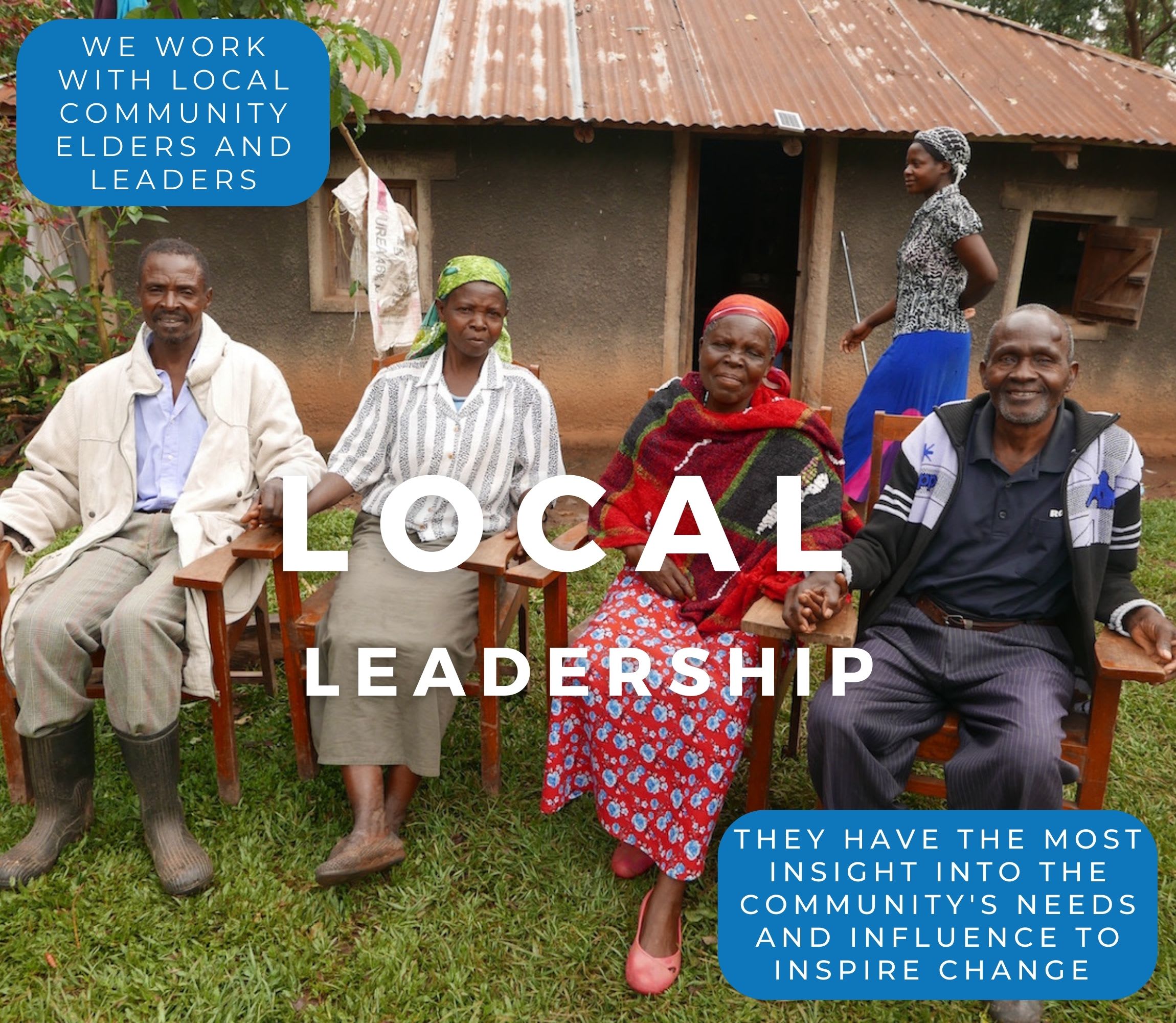
The LWI Rwanda team had an opportunity to meet with thirty-five year old community member and vocational school director, Shabban Ali, who stated, "The old water source was very dirty, not treated and smelled bad. I enjoy the new water source because it is inside the compound and it is clean."

The LWI Rwanda team shared an introductory hygiene lesson with 400 students, faculty and community members. During the hygiene education, the team addressed the following principle issues: Disease transmission, Germs, Hand Washing- proper techniques and water saving methods, Healthy Unhealthy Communities, Oral Rehydration Solution, Proper care of the pump, Keeping the water clean, Tippy Tap- simple hand washing devise, community mapping- identifying hygiene behaviors, Good-bad hygiene behaviors, Disease Transmission Stories and Dental Hygiene.

LWI Rwanda team member, Philip Rukamba, shared the story of the woman at the well, drawing a parallel between our physical need for water and our spiritual need for Living Water. Before leaving the community, the team had an opportunity to establish a partnership with the local church who will continue to cultivate community members after the team leaves the area and shared oral Bible stories with community families.
Project Photos


Recent Project Updates

06/08/2011: Kayonza Vocational College Well is Completed

The new well for the Kayonza Vocational College has been completed in Rwanda.  This project will serve over 1200 people.  Pictures, GPS, and a community profile have been posted.


Sponsors

14 individual donors

Scott English Sunday School Class FBC Benton, KY


Country Details

Rwanda

Population: 10.2 million
Lacking clean water: 35%
Below poverty line: 60%
Climate:Varies; equatorial in south, tropical in center, arid in north
Languages: Kinyarwanda (official) universal Bantu vernacular, French (official), English (official), Kiswahili (Swahili) used in commercial centers
Ethnic Groups: Hutu (Bantu) 84%, Tutsi (Hamitic) 15%, Twa (Pygmy) 1%
Life Expectancy: 51 years
Infant Mortality Rate: 72 deaths per 1000 live births

While 35 percent of Rwanda's population lacks access to an improved water source, the country has numerous rivers and streams as well as tremendous potential for developing groundwater resources. Villagers in many areas are forced to walk several miles to the nearest source of water—contaminated water from a swamp, stream, or open well. For these desperate communities, Living Water International offers hope. Since beginning operations in Rwanda in 2007, Living Water has completed more than 195 water projects there.

Read more about the program »

Partner Profile

Living Water International

Nearly 20 years ago, we set out to help the church in North America be the hands and feet of Jesus by serving the poorest of the poor. 600 million people in the world live on less than $2 a day. 884 million people lack access to safe drinking water.


For all practical purposes, these statistics refer to the same people; around the world, communities are trapped in debilitating poverty because they constantly suffer from water-related diseases and parasites, and/or because they spend long stretches of their time carrying water over long distances.


In response to this need, we implement participatory, community-based water solutions in developing countries. Since we started, we’ve completed water projects for 7,000 communities in 26 countries.


It all began in 1990, when a group from Houston, Texas traveled to Kenya and saw the desperate need for clean drinking water. They returned to Houston and founded a 501(c)3 non-profit. The fledgling organization equipped and trained a team of Kenyan drillers, and LWI Kenya began operations the next year under the direction of a national board.


That pattern continues today; we train, consult, and equip local people to implement solutions in their own countries.


Remembering the life-changing nature of that first trip in 1990, we also lead hundreds of volunteers on mission trips each year, working with local communities, under the leadership of nationals, to implement water projects. It’s hard to know which lives are changed more—those “serving” or those “being served.”


Our training programs in shallow well drilling, pump repair, and hygiene education have equipped thousands of volunteers and professionals in the basics of integrated water solutions since 1997.


Share and Comment