Country: Rwanda
GPS Coordinates:
  Latitude -2.253000
Longitude 29.692500
Impact:
Total Served: 500
Status: Completed (What's This?)
Completion Date (or estimate): 10/30/2012
Upon completion of the project, our partner in the field reports...
When the team arrived, community members were utilizing a water source located one kilometer away from the community that was unable to meet all of their water needs. Because of this, families were suffering from malaria, diarrhea and severe dehydration. Most community members earn a living by farming and selling their excess produce at nearby markets or by teaching at the nearby school. The community signed an MOU for the purpose of agreement between the community and Living Water, outlining the community's responsibilities and ownership of the well. The plan for sustainability for this site is to talk to the community people and discuss how to handle the well by putting the management that will handle the issues that will meet, either broken or any other problem. Plus this well is to be visited by LWI's operations and maintenance teams 3 to 4 times every year to ensure functionality. The testimony or story of the well is comparison of the new water and old one. People are very happy that they now have clean water which is reducing the diseases that they had because of the dirty water. A community member stated, "Many thanks to the people who managed to provide for us this clean water God bless you." The site called Rusororo belongs to a secondary school, called "SM Secondary School", which is located near the campus of "College Adventiste de Gitwe". When Philip, our Sustainability Coordinator, went to scout the site the villagers told him the name of the village and he didn't write down the name of the school (SMSS). Hence, the name "Rusororo". They plan on upgrading this hand pump to a submersible electric pump.
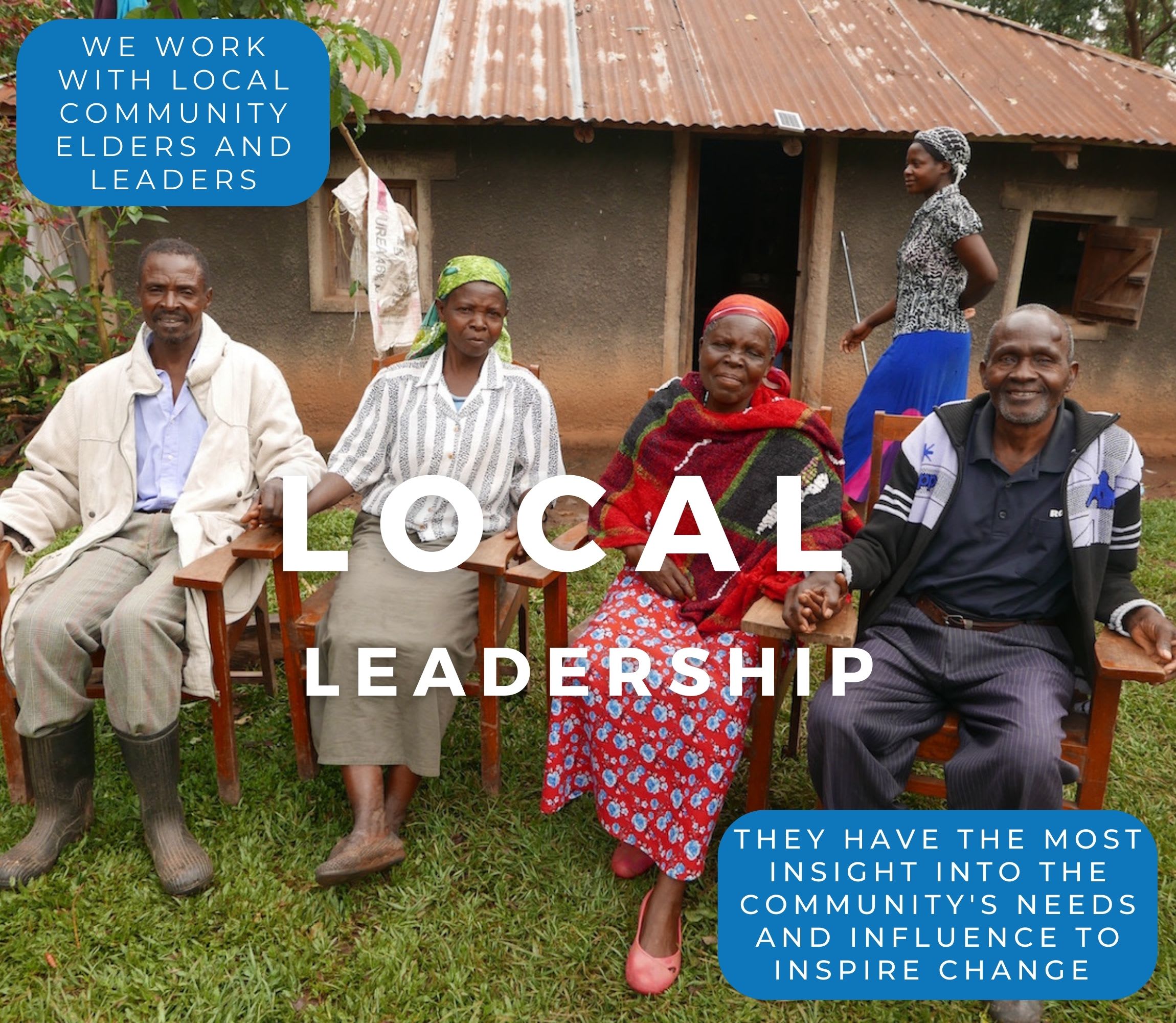
The LWI Rwanda team had an opportunity to meet with forty-four year old community member and farmer, Leonald Nsabimana, who stated, "The new water is clean compared to the old one. This water is good to the people; now we are so happy."
During the hygiene education, the LWI Rwanda team addresses: Hand washing, how to properly transport and store water, disease transmission and prevention, how to maintain proper care of the pump, as well as signs and symptoms of dehydration and how to make Oral Rehydration Solution. All of these lessons are taught in a participatory method to help community members discover ways to improve their hygiene and sanitation choices, and implement community driven solutions.
10/30/2012: Rusororo Well Completed
We are excited to report that a new well has been completed for the community of Rusororo, Rwanda. We just posted a report from the field including GPS coordinates and some pictures from the project site
10/18/2012: A Brief Project Update
We are told by our partner that Project updates are on their way; we expect them in the next few weeks. We'll be sure to pass them along as soon as we can.


Nearly 20 years ago, we set out to help the church in North America be the hands and feet of Jesus by serving the poorest of the poor. 600 million people in the world live on less than $2 a day. 884 million people lack access to safe drinking water.
For all practical purposes, these statistics refer to the same people; around the world, communities are trapped in debilitating poverty because they constantly suffer from water-related diseases and parasites, and/or because they spend long stretches of their time carrying water over long distances.
In response to this need, we implement participatory, community-based water solutions in developing countries. Since we started, we’ve completed water projects for 7,000 communities in 26 countries.
It all began in 1990, when a group from Houston, Texas traveled to Kenya and saw the desperate need for clean drinking water. They returned to Houston and founded a 501(c)3 non-profit. The fledgling organization equipped and trained a team of Kenyan drillers, and LWI Kenya began operations the next year under the direction of a national board.
That pattern continues today; we train, consult, and equip local people to implement solutions in their own countries.
Remembering the life-changing nature of that first trip in 1990, we also lead hundreds of volunteers on mission trips each year, working with local communities, under the leadership of nationals, to implement water projects. It’s hard to know which lives are changed more—those “serving” or those “being served.”
Our training programs in shallow well drilling, pump repair, and hygiene education have equipped thousands of volunteers and professionals in the basics of integrated water solutions since 1997.
Living Water International exists to demonstrate the love of God by helping communities acquire desperately needed clean water.
The Water Project is partnering with Living Water International to provide wells in Rwanda that bring clean, safe drinking water to thousands. And we're committing to making sure that these projects last for a long time by thinking through sustainability first. From the beginning, we'll have a plan in place to monitor and evaluate each well over time. We'll train communities in basic repair and maintenance, and we'll be available to help if things break down.
LWI will work with each community to ensure there is local ownership. We'll also fund sanitation and hygiene training so that better health practices will multiply the good of a new clean source of water. And then we'll keep going back...to make sure things continue working long into the future.
A new well for a community in Rwanda
Project Type: Hand Pumped Well
Location: Southern Ruhango, Bweramana, Rusororo, Rwanda
Depth: 246.00
ProjectID: 3037