
 Rehabilitation Project
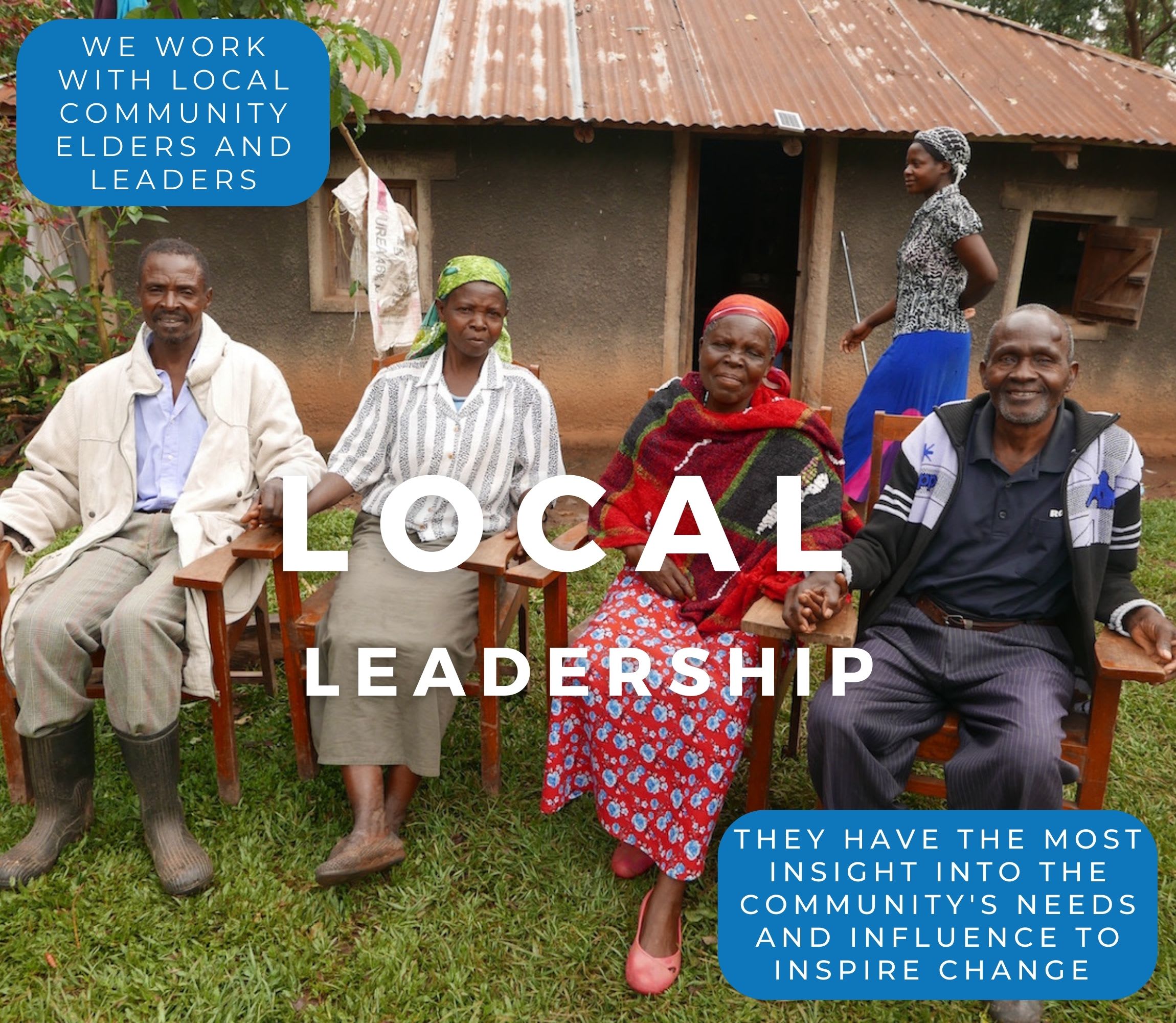




Our implementing partner recently completed a new well for the village of Joom in South Sudan. During their time developing this well, they met with Rose and Luka who shared their stories.
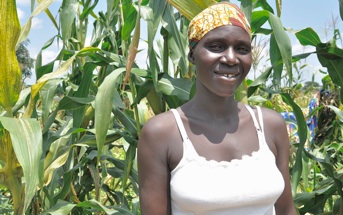 "My name is Rose Modong, I’m 34 years old. I was born in Ongor village and got married in Joom Village to my lovely husband James Lodio in 1999. We have been blessed with five children."
"During the war our my family stayed in Oliji refugee Camp in Uganda." Rose noted that life for her family was not easy while in exile. Sanitation was poor and it was very hard to get clean water. They kept praying for a day to return home. Finally in 1997 they were able to resettle in their home village."
"Since I have lived in this village, we have been drinking water out of stream called Kije, which does not dry up through out the year. Both humans and animals share this stream. Water turns dirty, especially during rainy season due to run-off from the main road."
According to Rose, it is very hard to boil water daily, and the community has been lacking knowledge of sanitation. She concluded by giving thanks to both the donor and WHI staff for the borehole. She believes that the community will utilize the borehole and sanitation training to further develop its people.
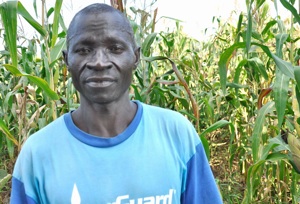
Luka Tondo Pitia was born in June 1963 in Joom village, and got married to his wife in 1991. The couple has seven children and an orphan boy they take care of.
In 1965, when war became serious in the County, the family ran for exile in Masindi, Uganda. At that time Luka’s parents lifted him on the back. They stayed in exile for nine years until 1974 when they finally returned home to Joom.
"In 1983, I left for Torit, South Sudan, for studying. It was then that the war broke out and my school closed. This kept me from finishing my education and starting a real career."
"Since I was born in this village, the community has been drinking water from both stream and a hand dug shallow well. This has been the major cause of the common diseases in this community. Sicknesses such as, dysentery, typhoid, guardia have constantly affected this village. I'm so pleased and give thanks to the Lord for looking onto our cry and prayers. Today we are able to receive a borehole in our village for the first time. Also I thank the donor for the contribution let God bless the hand that has given."