
 Rehabilitation Project





Upon completion of the project, our implementing partner reported...
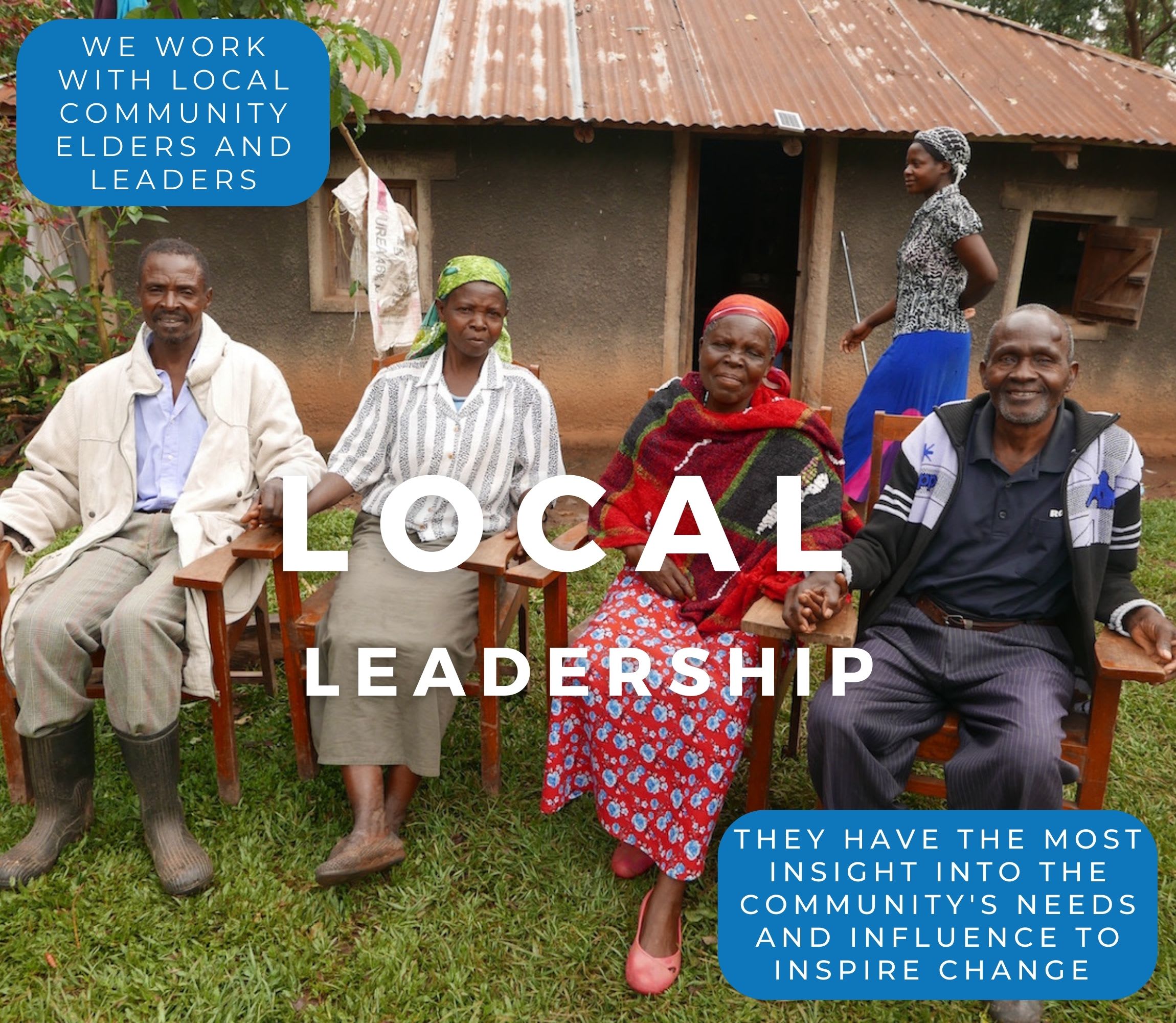
The people of the village of Ntungamo depend on agriculture and subsistence farming for their livelihood. When the LWI Uganda team arrived, community members were utilizing a protected hand dug well located one and a half of a kilometer away from the community to meet all of their water needs. Because of this families were left suffering from typhoid, malaria, diarrhea and other preventable water related illnesses. The LWI Uganda team was pleased to hear that the community utilizes covered latrine pits which will help prevent further spread of diseases in the area. During the teams’ stay, a water committee consisting of eight men and seventeen women who assisted the team with the water project and made food for the team. This water committee is also responsible for collecting a monthly well maintenance fee of 2000 shillings per household for six months and 500 shillings for each student per term to help sustain the community’s water source. In keeping with our Strategic Plan launched in January of 2011, LWI’s plan is to train communities to maintain water projects for sustainability. If communities slip back into a situation where they must rely on unimproved water sources, our donors’ investment is compromised. To help prevent this occurrence, Ling Water International engages communities to help in planning managing and monitoring of the rural water supply. The Muslim Quality primary school is located within the community and now 133 students, teachers and administrative personnel all have access to safe, clean water. LWI also provided community member, Mr. Byamungu Kalimunda, with a LWI Uganda contact number in case the well were to fall into disrepair, become subject to vandalism or theft. In an effort to ensure project sustainability, LWI program staff is also responsible for visiting the well site annually.
The LWI Uganda team had the opportunity to meet with forty-two year old farmer/Chairman PTA, Byamungu Kalimunda, who stated, "I am very glad to see this water source without any challenges, I am really very glad to see water here, we are now soon getting rid of this sickness like typhoid and malaria which has been disturbing our children, we had one shallow well which is also very congested and during the rainy season you can’t reach there because there are floods around it so what people do is to scoop this water near them and at the same time the animals just go there. Another reason is that; we Muslims it is in our custom to use water when we are preparing for prayers (getting Uthu) and that has been a problem to go down to the well to fetch water but now Allah has brought the well close to our mosque. So all in all we thank God the almighty who is using all people to bring this water in Africa."
During the hygiene education, the LWI Uganda team addresses: Hand washing, how to properly transport and store water, disease transmission and prevention, how to maintain proper care of the pump, as well as signs and symptoms of dehydration and how to make Oral Rehydration Solution. All of these lessons are taught in a participatory method to help community members discover ways to improve their hygiene and sanitation choices, and implement community driven solutions.