Stories from the Field
As we work to provide water, we're committed to helping people like you meet your global neighbors and to realize that we all share the same basic needs. We hope to break down stereotypes and the false distinctions between the so-called winners and losers, rich and poor, the needy and charitable, by introducing you to the people we serve with the respect and admiration they rightfully deserve.
These are stories of hope, told in the words of those who carry out this work every day - our friends in the field.

A Year Later: More Time for Books!
Before John Wesaya Spring was protected last year, community members used to struggle to collect water safely. "I one day fell into the unprotected spring after it had rained and hurt my leg. I also got [the] flu sometime back when I drank water from this water point," said 12-year-old Cecelia A. But the spring's protection has changed things and...

A Year Later: "I now use less than 5 minutes at the water point"
Community members in Lunyinya used to spend a lot of time collecting water from Shirongo Spring. And sadly, the water they worked so hard to collect made them ill with water-related illnesses. "I used to queue for a very long time while fetching water from the spring due to its unprotected nature," said nine-year-old Josiah M. But we protected th...
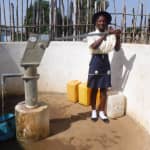
A Year Later: "This water point has impacted my life"
Last year, students at Kingsway Secondary School had to leave their school campus to collect water every day since the dug well they relied upon often went dry. "Before, the school was without [a] safe and pure drinking water point. Even to have water to drink was difficult for us. It was difficult to use the sanitation facility [and] also to do f...
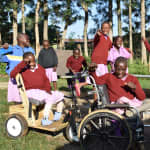
A Year Later: Easier Access for the Handicapped!
Last year, the students at Rise and Shine Special School for the Physically Handicapped found it very difficult to collect water from the shallow well on their campus. "It was very risky and hard for us to get water because of our state," said nine-year-old Francis O. But we installed a well that made water access easier for students. "We are re...
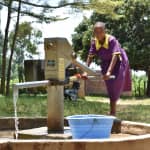
A Year Later: Dreams of becoming a model!
Last year, the students at Mahola Primary School often had to bring water to school because the school's hand-dug well was drying up. "I had to depend on myself for water, and it was very tough. I stay with my grandmother, who is not strong enough to go look for water. I had to do double work [to] get her water, then get mine. Sometimes I could g...