Why Do People Live Where Water Isn’t Available?
Yesterday, December 10th, happened to be Human Rights Day. Since water was named a human right in 2010, you might think that fifteen years down the line, every human would have access to safe water. And I wish I could say you were spot on.
But the truth is, the “haves” have been leaving our brothers and sisters in sub-Saharan Africa behind. While so many of us are waiting on in-home robot servants, people in the places we work are still struggling every single day without basic water infrastructure.
In the communities we have not yet reached in sub-Saharan Africa, people leave home every day to collect water for their households. But they often find the only water sources available are far away, unsafe, overcrowded, or all of the above.

When people learn about this issue, a natural follow-up question for some would be: “Why don’t the people who live in sub-Saharan Africa just move?” Surely, if their governments aren’t providing necessary resources, the people of sub-Saharan Africa ought to move somewhere else, where reliable water infrastructure does exist.
Why do people live in dry areas?
About a third of the world’s total area is arid (dry) land, meaning that it has low precipitation and a high potential for water evaporation. In these places, water is scarce and precious. In the United States, about 35% of our land is considered arid or semi-arid.
Surprisingly, only 43% of the massive region of sub-Saharan Africa is considered arid or semi-arid. Therefore, 57% of people in sub-Saharan Africa should have water sources ready to use, right?
Nothing is that simple.
Only one of our work areas — southeast Kenya — is considered semi-arid. But we also work in western Kenya, Sierra Leone, and Uganda, where water is plentiful both on the Earth’s surface and underground.
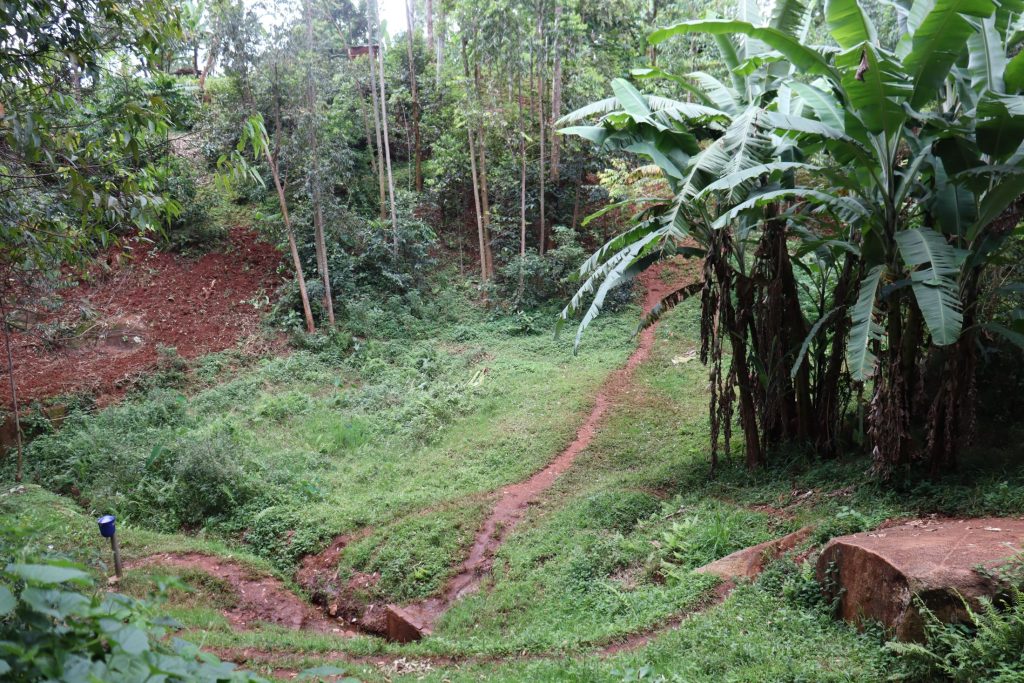

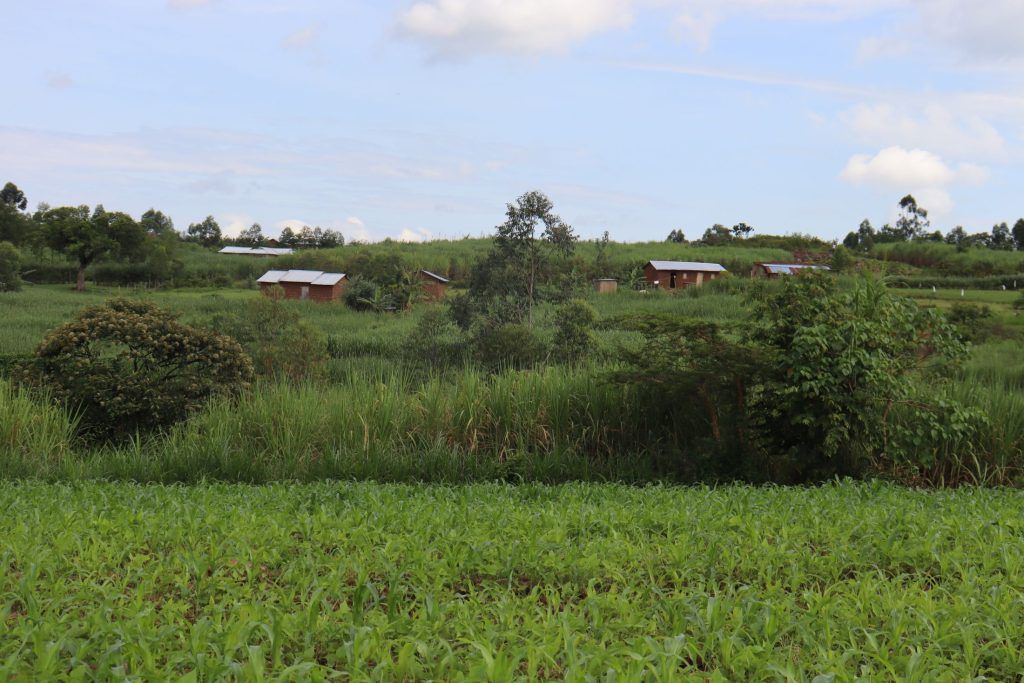
There’s a difference between physical water scarcity and economic water insecurity. In Arizona, water is scarce, but not insecure. But where we work, water is either scarce, or the average person’s ability to access safe water on a daily basis is significantly reduced.
And systems, not geography, determine whether people have safe water.
So, why don’t they just move?
Some people do move.
But research demonstrates that the vast majority of people worldwide — over 96% — remain in their country of origin. And when Africans move, most (75%) migrate within Africa, with the majority relocating to a new place within their own country. If people grew up in the country, they may try living and working a city, or vice-versa.
However, moving may not solve a family’s water insecurity. Water scarcity is becoming more and more prevalent as humanity struggles under the effects of climate change.
If the entire population of sub-Saharan Africa were to somehow migrate to avoid the continent’s issues with water insecurity, as the question we’re addressing suggests they ought to do, the water supply in the new location would simply face the same stressors.
Then, what do people do to cope with water insecurity?
Most adapt to water insecurity rather than moving. Their methods include:
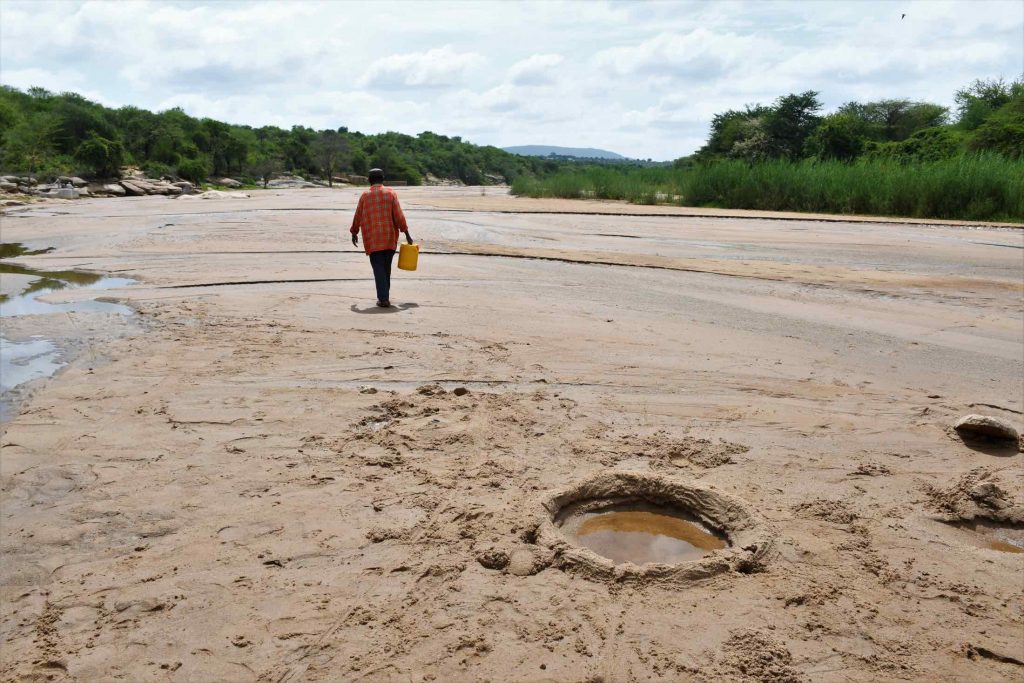
- Collecting water from distant or unsafe sources (walking farther to rivers, scoop holes, dry riverbeds, or seasonal streams)
- Leaving very early in the morning or late at night to avoid long queues, or waiting for hours — and sometimes days — to collect water
- Using multiple water sources (one water source for drinking, another for cooking, another for washing, another for animals, etc.)
- Rationing water (reusing greywater for cleaning or gardens, bathing less frequently, washing clothes less often, reducing livestock water use)
- Storing and hoarding water
- Initiating rotational water access or scheduled use
Why is moving so undesirable — or downright impossible — for people in sub-Saharan Africa?
The reasons for this are complicated and vary from person to person. But one giant reason is a lack of money.
Money
Migration — and daily life — is expensive worldwide, but especially in sub-Saharan Africa, where poverty and inequality levels remain “stubbornly high,” despite the gradual lessening of global poverty overall.
This means the people suffering most from water scarcity are also the least able to migrate. They are trapped in place by their poverty, a concept which social scientists refer to as involuntary immobility.
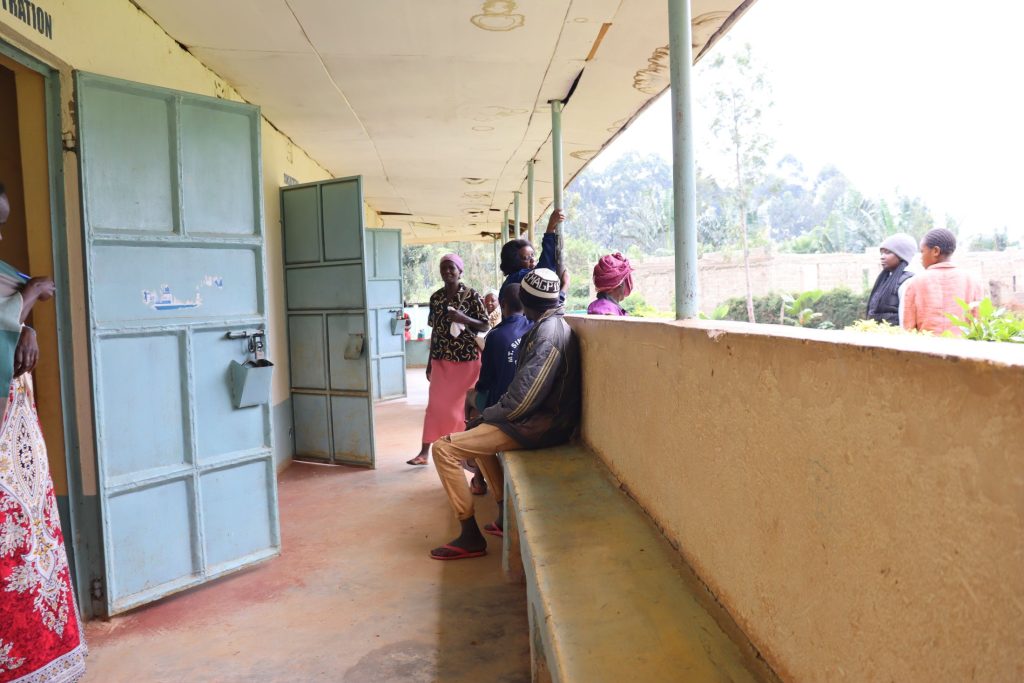
Water scarcity and insecurity translate to both a lack of income and more expenses. Households lose productive time collecting water and/or must purchase water from vendors. Using unsafe water often leads to illnesses that require costly treatment — and sick family members lose more days of work and school.
Even when families without reliable safe water access can save money, that money might not stretch as far in cities or across borders. At the time of writing, one United States dollar equals 24 Sierra Leonean leone, 129.25 Kenyan shillings, and 3,570 Ugandan shillings.
When I was in Kenya, everything felt so inexpensive to a privileged American like me, while my Kenyan coworkers talked about sky-high costs of living. For example, a bottle of water in an international Kenyan airport — a venue where the vendor monopoly means they likely charged more than usual — cost me $2 including tax and tip.
What seems like a meaningful savings in a rural village might end up being insufficient to support urban living, let alone a cross-border relocation.
Community
Moving might also require leaving an established social safety net behind.
In sub-Saharan Africa, many governments are unable (or unwilling) to provide the necessary resources for their people. This means that, rather than waiting around for government assistance that may never come, people are sometimes forced to lean on each other instead. In Kenya, for example, people often pool their funds in a concept called table banking or merry-go-’rounds.
When I visited Kenya earlier this year, I was speaking with our Regional Director, Humphrey Buradi, about an employee’s mother’s funeral. He took out his phone and scrolled through records of hundreds upon hundreds of contributions toward the employee’s funeral costs. I told him that I felt the United States has lost that sense of community in many ways, with much of our socializing having shifted online. Humphrey asked me if I knew my neighbors, and I said I knew a few of their names but nothing else about them. He replied that he knew all of his neighbors, because in Kenya, everyone needs to depend on each other for help. If you give a gift to honor someone’s wedding or funeral one week, you may find them helping to repair your house when it burns down the next week. This exact scenario happened to one of our employees in 2023, and all of our other western Kenya team members pulled together to rebuild her house.
That’s only one anecdote, of course. But in general, extended support networks equate to communal childcare, farming labor. Leaving an area could destroy the system that would help a household survive.
Farms
One uniting thread throughout sub-Saharan Africa is farming. While the percentage of people employed in farming has been declining in recent years, about half of the population remains employed in small-scale agriculture.
And if someone moves, they can’t take a valuable parcel of land or its crops with them.
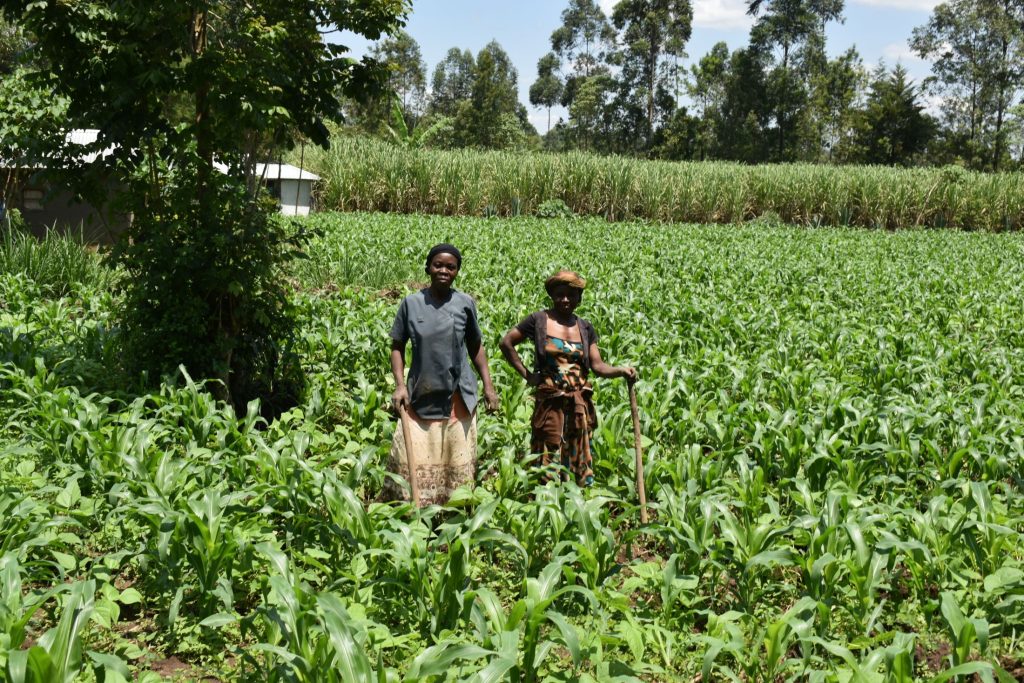
For the people we serve, the concept of home is often tied to their crops, animals, seed varieties, familial land, and their knowledge of local soils and rainfall patterns.
Leaving means abandoning harvests, tried and true grazing routes, and the only livelihood they’ve ever known. And with a good education being so difficult to come by in sub-Saharan Africa, breadwinners may not have any fallback plans if their farming ventures fail.
What should we ask instead?
Instead of asking why people live in places with no water, we should be asking why reliable water systems have not been built in sub-Saharan Africa yet. To which, I would respond: lots of good people are trying to build them as we speak.
In arid or semi-arid regions, the issue is complex. But even in those regions, water sources tailored to the climate can work wonders. For instance, we build sand dams along seasonal riverbeds in southeast Kenya that hold a small percentage of the river’s water in place throughout the year to sustain populations through drought or expected dry seasons that overstay their welcome.
Many places in sub-Saharan Africa actually have less physical water scarcity than the U.S. Southwest. However, what’s lacking is:
- long-term water infrastructure investment
- maintenance programs
- energy systems
- financial resilience
- political frameworks
When we build safe, reliable systems, people thrive.
How can I help?
This holiday season, we’re bringing a sand dam and protected dug well to Kasyalani, Kenya. There, Muvai and Beatrice collect water for their families, walking long distances over hilly terrain to dig into dry riverbeds for the previous rainy season’s brown, salty water.
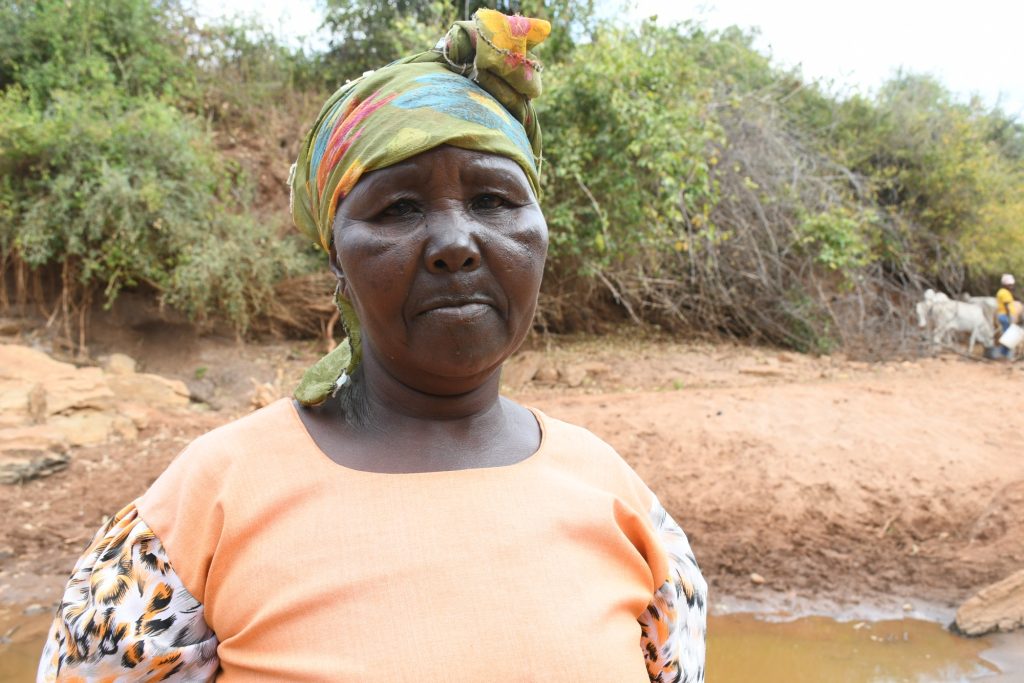
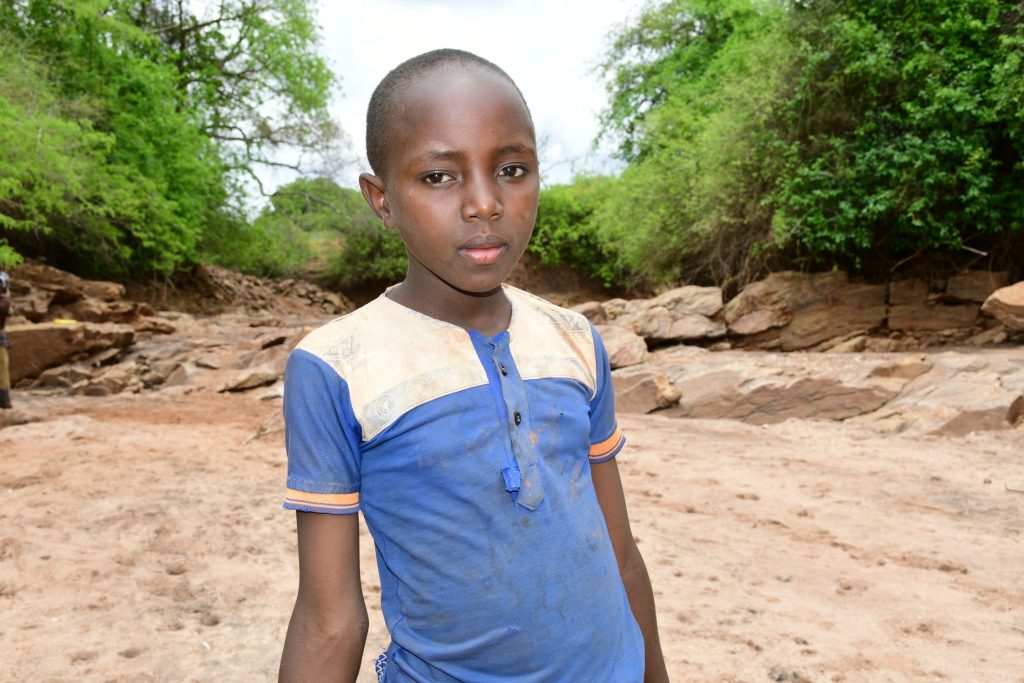
Muvai and Beatrice don’t lack motivation. They don’t lack resilience. They lack safe, reliable water infrastructure.
Right now, they and their neighbors are working hard. They are preparing a site for their new sand dam, hauling stone, breaking boulders into gravel, and sourcing sand, getting ready to construct the solution to their problems as a community team.
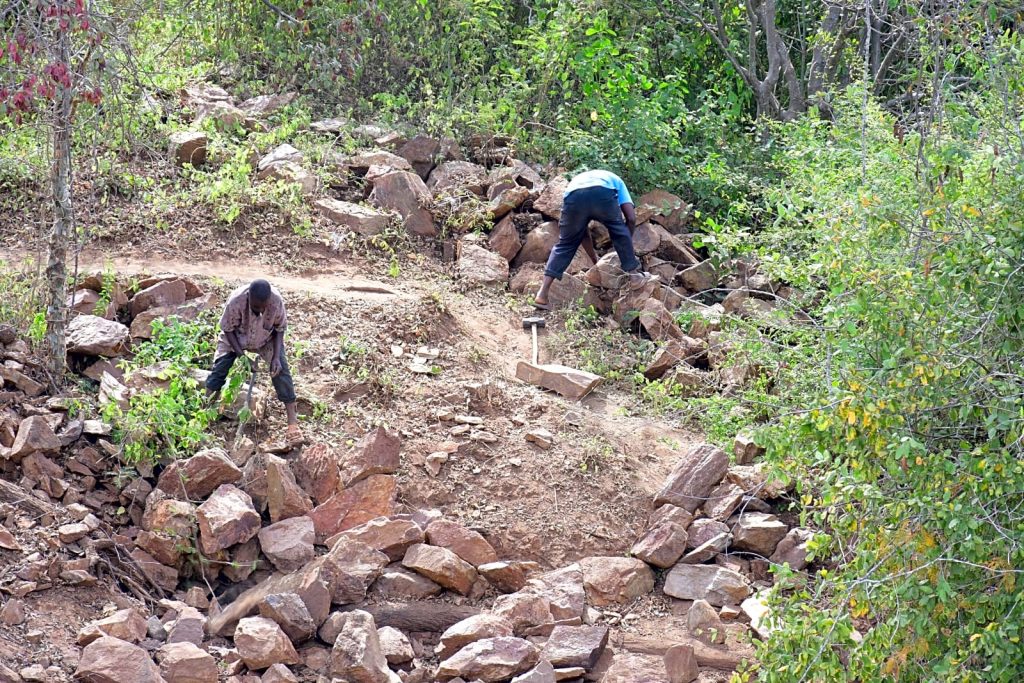
Muvai, Beatrice, and their neighbors stay in Kasyalani because it’s home — and with your help, it can become a place where safe, reliable water can finally flow.
People everywhere live in places that aren’t naturally blessed with water. The difference is means, not motivation.
With the right investments and partnerships, communities can thrive right where they are.
Please consider giving today to help bring safe, reliable, year-round water access to Muvai and Beatrice.
Home More Like ThisTweet

Jamie Heminway
Jamie is a storyteller by nature. In joining the Water Project, she’s finally found a workplace where that pesky bleeding heart of hers can be put to use (and, less importantly, that BA in English Language & Literature from New England College).