From Water Fetching to Water Engineering: How One Well Changed Everything
At Ebulechia Primary School in Kenya, two ninth-grade girls stand in their classroom with dreams that reach far beyond their rural community. Sara wants to be a doctor. Electine dreams of becoming a water engineer.
Just months ago, these same girls spent hours each day walking to the river, hauling heavy containers of unsafe water back to school. Hours that could have gone to homework went to hauling water instead.
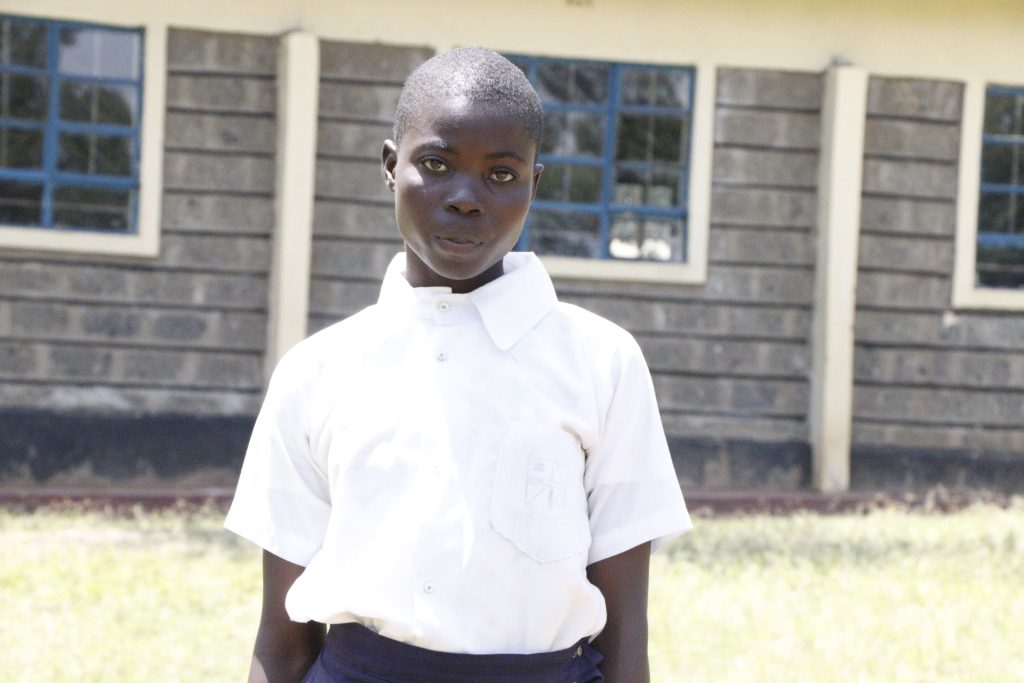
“My name is Sara and I’m in grade nine. I love science subjects,” Sara shares. “When I grow up I would like to be a doctor so that I can help my community and my family, especially my mother, access better healthcare.”
This week, as we celebrate the International Day of Women and Girls in Science, Sara’s dream feels possible in ways it never did before. The water well at her school hasn’t just provided clean water. It’s provided time to study, to excel, and to imagine a future where she’s not fetching water but saving lives.
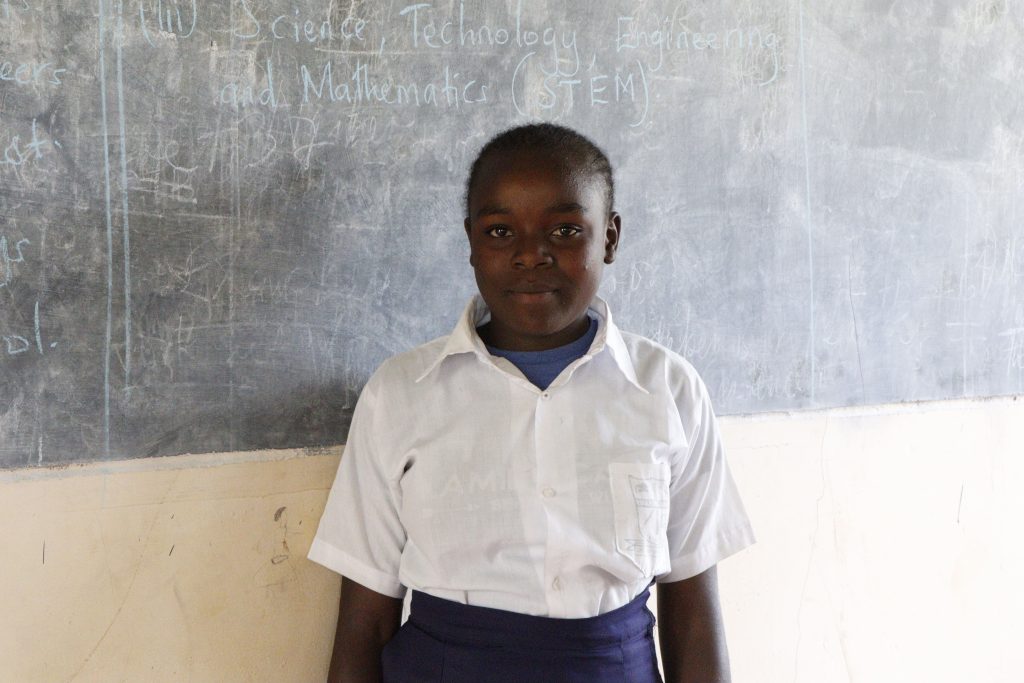
Electine’s vision is equally powerful. “My name is Electine and I’m so passionate about science,” she says. “This will enable me to pursue my future career of becoming a water engineer when I grow up. Being a water engineer, I will help my community get access to clean and safe water.”
It’s a beautiful full circle: the water well that gave Electine the freedom to dream will one day inspire her to bring that same freedom to other communities.
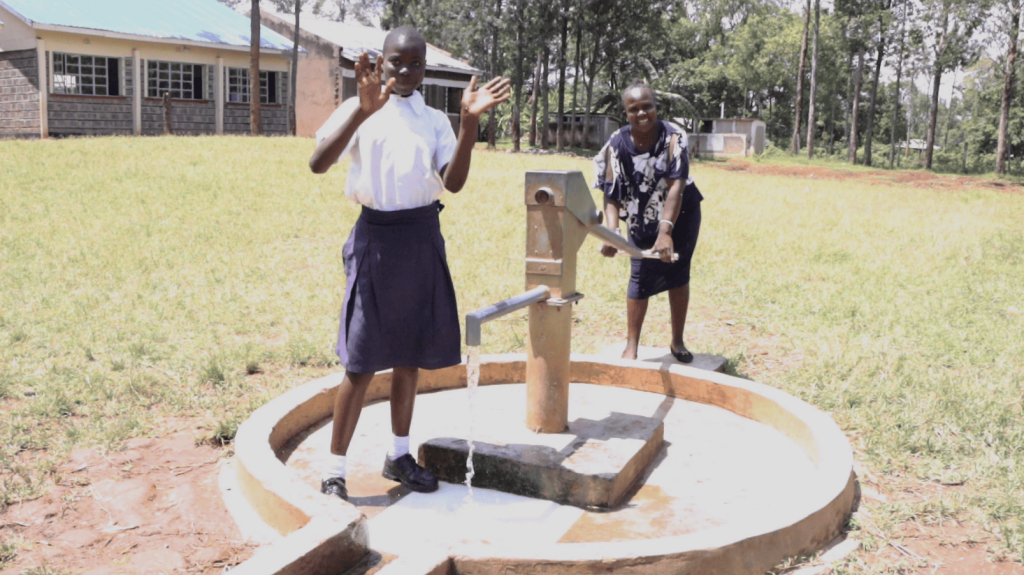
Their teacher, Anastacia Abdala, has watched this transformation unfold. For fourteen years, she’s been mentoring girls in science at Ebulechia, but something shifted when the water arrived. “Girls can concentrate well in their studies. They no longer waste time going to fetch water in the river. I can perform science practical lessons so effectively as there is enough clean water to be used.”
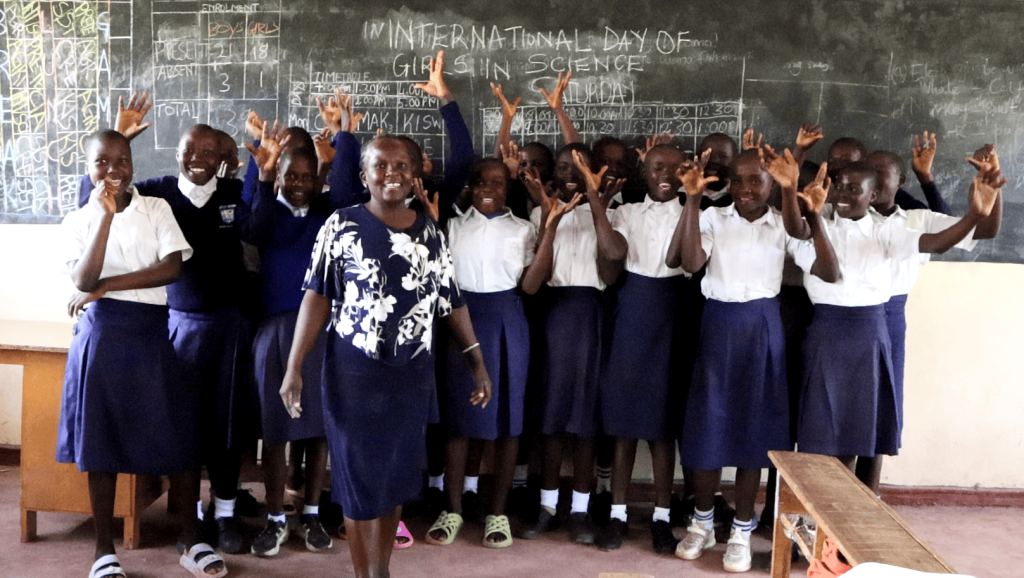
Across Sub-Saharan Africa, countless girls still miss school to fetch water or stay home sick from waterborne diseases, or just drop out entirely.
At Ebulechia Primary School, that cycle broke. A reliable water source gave Sara and Electine something invaluable: time. Time to prepare, to study, and to pursue the futures they’re working toward.
When we talk about women in science, we often focus on representation in labs and leadership. But the pipeline to those achievements starts much earlier, in classrooms where girls need access to education and freedom from burdens that have nothing to do with their abilities. Clean water provides both.
This week as we reflect on International Day of Women and Girls in Science, let’s remember that the next generation of doctors, engineers, and innovators is already here. Access to clean water is just one barrier, but it’s one we can remove together.
Home More Like ThisTweet