World Water Day: Where Water Flows, Equality Grows
As a young girl, I grew up in a community where the responsibility of fetching water was left to the women and girls. The only source of water at that time was an unprotected spring which was miles away, and we had to cover that distance daily just to make sure that there was water in the home. To access the water, we had to fold our dresses or skirts above the knee so that they would not get wet.
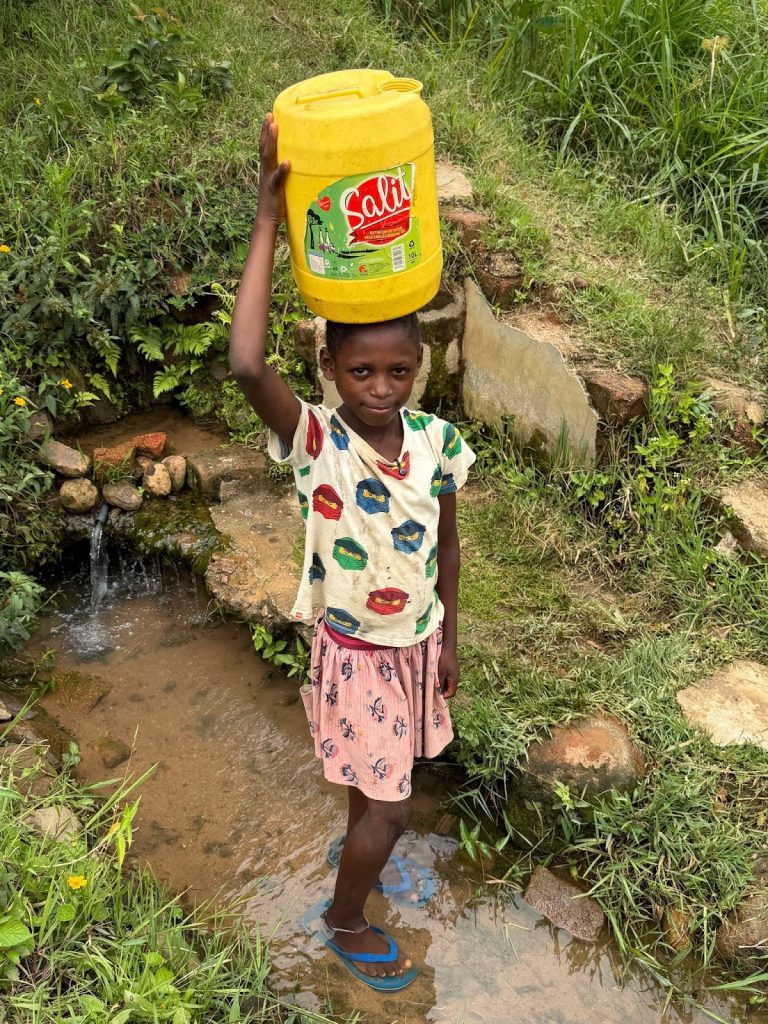
Boys from the same village would also bring livestock to drink water. This created a lot of commotion since the cows would make the water dirty, and even urinate or defecate in the water. Once the boys arrived, they would ignore us and ensure that the cows, sheep, and goats took priority. As young girls and women, there was nothing we could do, and none of us would raise our voice against the boys. This is one amongst many cases in our region where women are looked down upon.
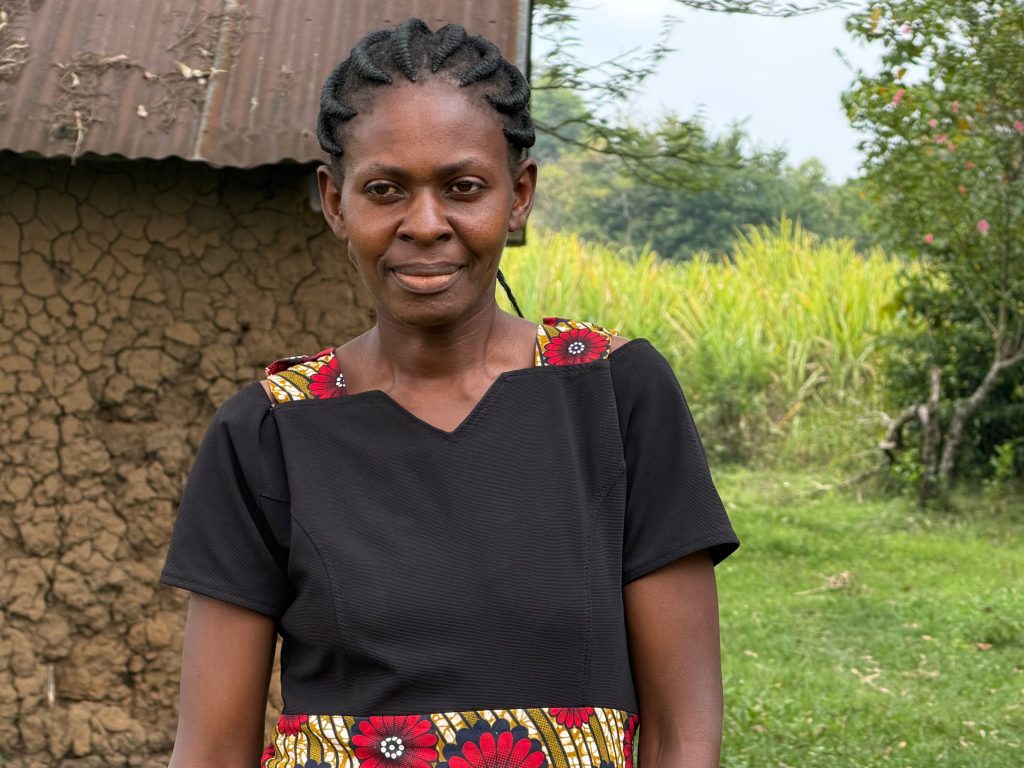
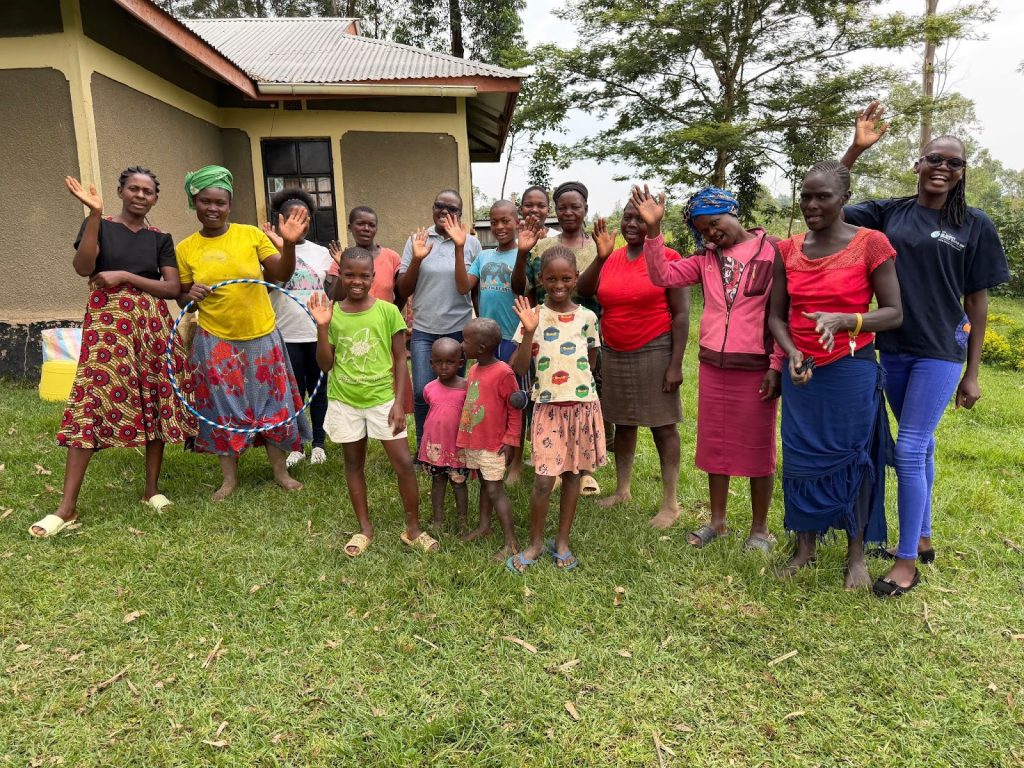
Recently, I visited a place called Mumasaka community in Western Kenya to learn about the challenges that women face when in search of water. Jacklyne Segani, pictured below, said, “I have stayed in this community for over twenty years, and all that while, I have been fetching water from this unprotected spring. Getting water from this spring has not been easy. I spend a lot of time trying to get water, while women elsewhere are engaged in developmental activities. Considering the fact that this water point is open and exposed to all forms of contamination, cases of water-related illnesses like stomach pains and diarrhea are so rampant.”
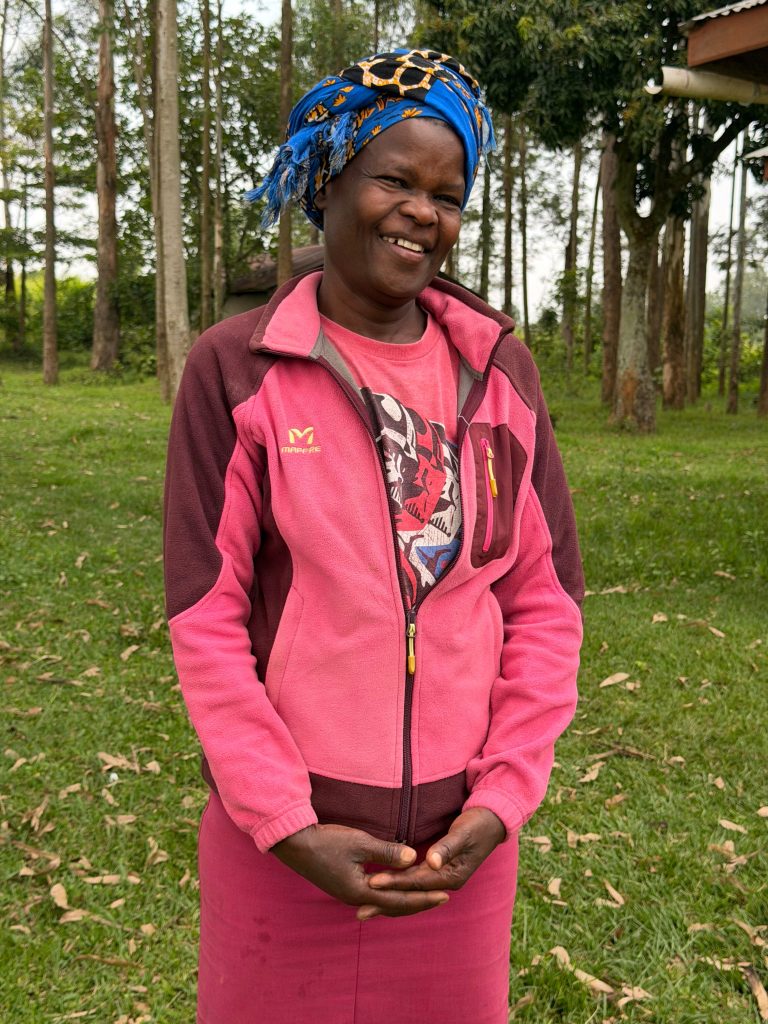
Jackline Mutambi comes from the same community. She shares that she too encounters many challenges when fetching water from this unprotected spring.
“It is dirty with some greenish substance that makes it unsafe for consumption. Also, as women, we spend a lot of time coming here for water. I often quarrel with my husband because I’m gone for so long. Whenever we try to explain that we spend a lot of time scooping the water, they never understand.” – Jackline Mutambi
Jesca Asiko, a grade five student, has a similar experience when she goes in search of water. “Water from this point is dirty, and whenever we consume it, we end up being sick and fail to go to school. We also spend a lot of time looking for water and we get to school when it is late.
This World Water Day focused on gender equality with the goal of women and girls taking on a larger role in water decision-making. The 2026 World Water Day campaign calls for a transformative, rights-based approach where women have equal voice, leadership, and opportunities in water decision-making, making water a force for a healthier, more prosperous, gender-equal future that will benefit us all.
The Water Project, our generous donors and our team on the ground have played a crucial role in ensuring that call is achieved by building water infrastructure to ensure that women and girls gain access to clean and safe water with ease. A protected spring is currently under construction in the region, promising to ease the daily burden on women and girls while improving health, saving time, and restoring dignity within the community.
Tweet