Walking a Dusty Road – A Village’s Journey to Clean Water (Part 1)
The sun rises early in Uganda, spreading gold across the red earth. By 6:00 AM, Kyanga is already walking.
Her sandals kick up dust along the narrow path that snakes past thorny shrubs and termite mounds. Balanced on her head is an empty yellow jerrycan, its hollow echo tapping softly with every step. The smell of dry earth hangs heavy in the air, mixed with smoke from cooking fires where millet porridge bubbles in iron pots. Birds call from distant acacia trees, but otherwise the land feels still.
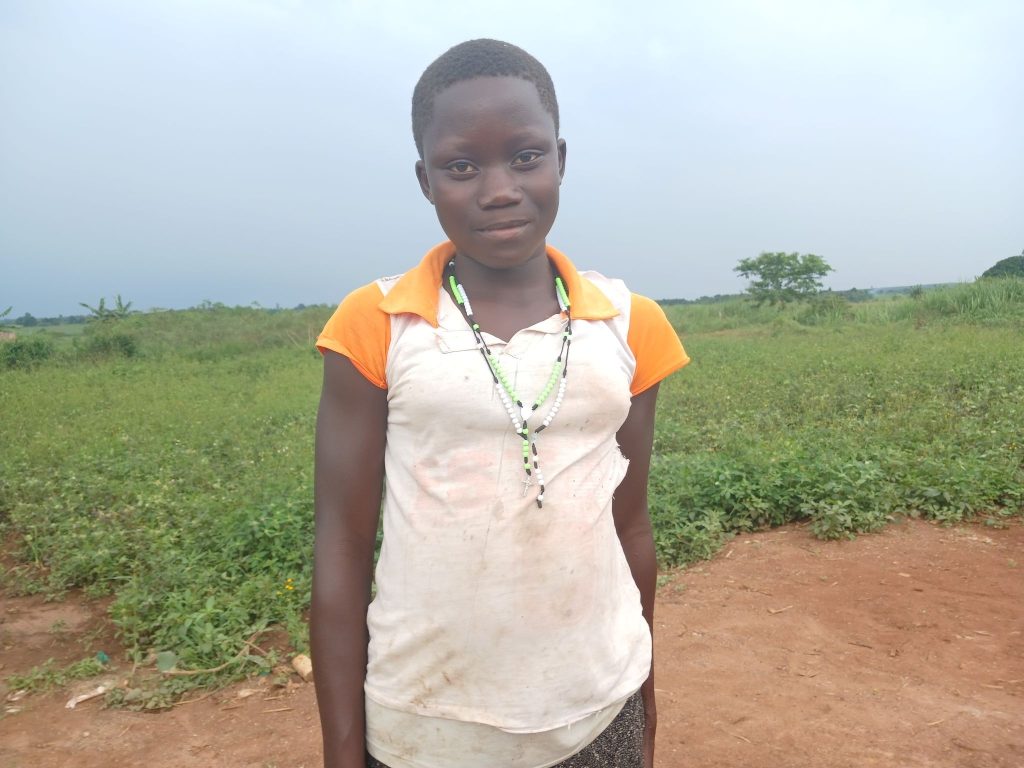
Kyanga walks nearly an hour to reach the water source. When she arrives, she joins a cluster of women and children gathered around a shallow, muddy pool. The water smells faintly sour, tinged with algae and decay. It looks brown, reflecting the sky only in broken patches between floating debris.
She crouches, dips her container carefully, and watches the murky liquid swirl inside.
This water will be used for everything — drinking, cooking, washing, cleaning.
It will also shape the future of her village’s economy.
The Hidden Cost of Dirty Water
For many communities across Sub-Saharan Africa, water scarcity isn’t only a health issue, it’s also an economic one.
Before access to clean water, entire days are consumed by the act of collecting it. In many regions, women and children spend three to six hours daily walking to distant sources. That lost time has a measurable economic cost.
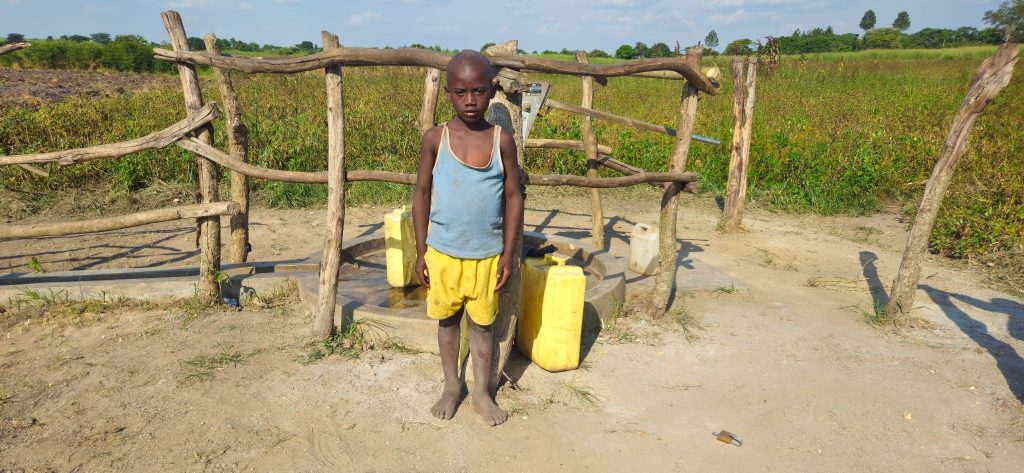
Imagine the sound of metal classroom desks scraping across concrete floors, but many of them sit empty. Children, especially girls, miss school because they’re needed to fetch water. Over time, fewer years of education translate into fewer skilled workers, lower wages, and slower economic growth.
Businesses feel the absence, too.
A tailor cannot sew without water to wash fabrics. A farmer cannot irrigate crops reliably. A brickmaker cannot mix clay without hauling buckets first. Productivity slows to the rhythm of footsteps along dusty paths.
When water is scarce or unsafe, illness spreads easily. The sharp smell of disinfectant inside rural clinics becomes familiar as cases of diarrheal diseases rise, which are largely preventable with clean water. Sick workers stay home. Medical costs drain household savings. Crops go untended.
The economy rarely crashes outright. Instead, it drags forward slowly, like running through mud.
The Day the Pump Arrived
Now imagine a different morning.
The same sun rises over Kyanga’s village, but today the air hums with anticipation. A truck has arrived, its metal frame rattling, its tires crunching against stones. Children gather, eyes wide. Men unload pipes and tools. Women cluster nearby, whispering hopeful questions.
The smell of fresh-cut metal mixes with dust as workers drill into the earth.
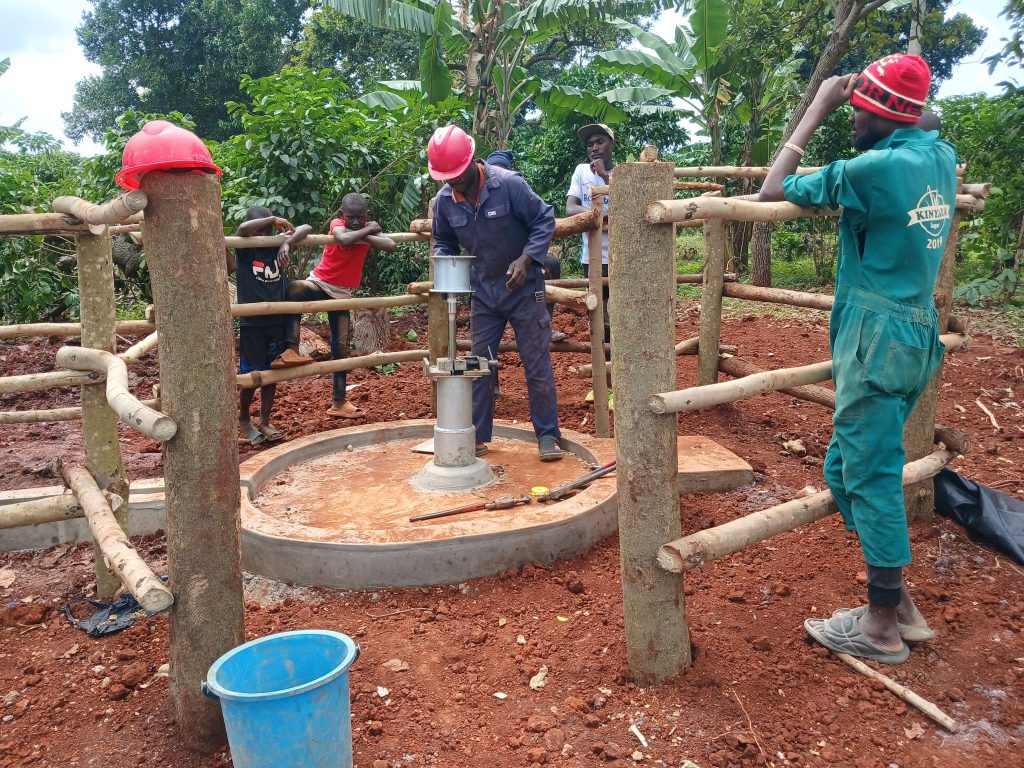
Hours pass.
Then it happens.
A lever is pulled, and with a groan of machinery, clear water bursts upward, sparkling in the sunlight.
Women laugh. Children clap. Some cry openly.
Kyanga steps forward, places her jerrycan beneath the stream, and watches it fill with water so clear she can see her reflection. She lifts it easily, lighter than before, not just in weight, but in time saved.
Her walk home is now measured in minutes, not hours.
That difference, those saved hours, is where the economic ripple begins.
But this was only the beginning.
The real transformation didn’t happen in a single day. It unfolded slowly, through changes in time, health, and opportunity.
Next week, we’ll follow Kyanga’s village as the ripple effects of clean water begin to reshape daily life, and the local economy.
Home More Like ThisTweet