 Borehole Well and Hand Pump
 Rehabilitation Project









At first glance, Mukhalanya Primary School appears to have several water sources that should meet the daily water needs of its 756 students and teachers. Surveying the campus, you would find a well, a collection area where piped water is accessed, and a rainwater storage tank. Yet, looks can be deceiving.
The well installed by another organization in 1989 has gone for years without proper maintenance, making it increasingly unreliable. It breaks down often.
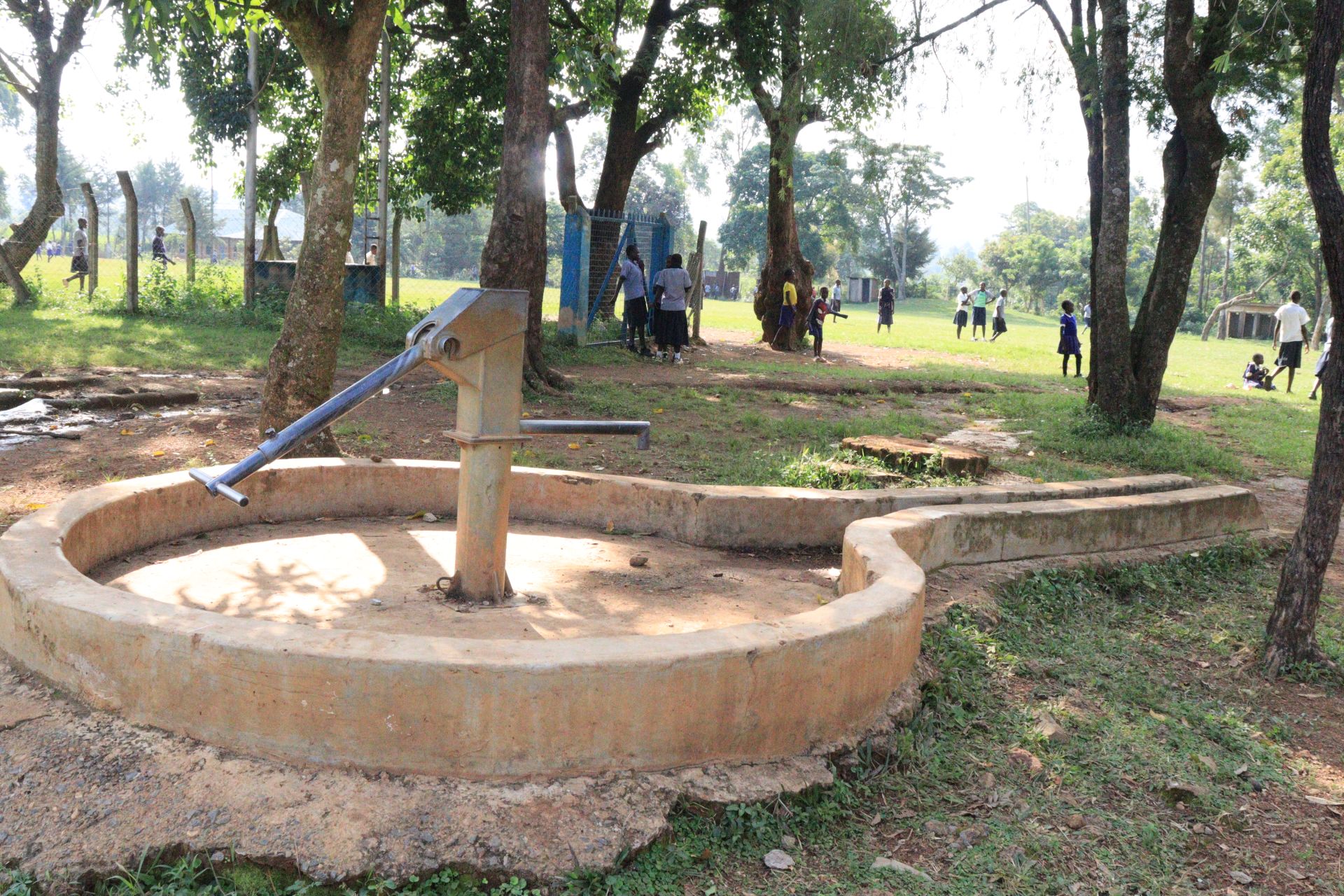
The well that needs attention.
The piped water is inconsistent and controlled outside of the school, so they never know when it may stop flowing or for how long.
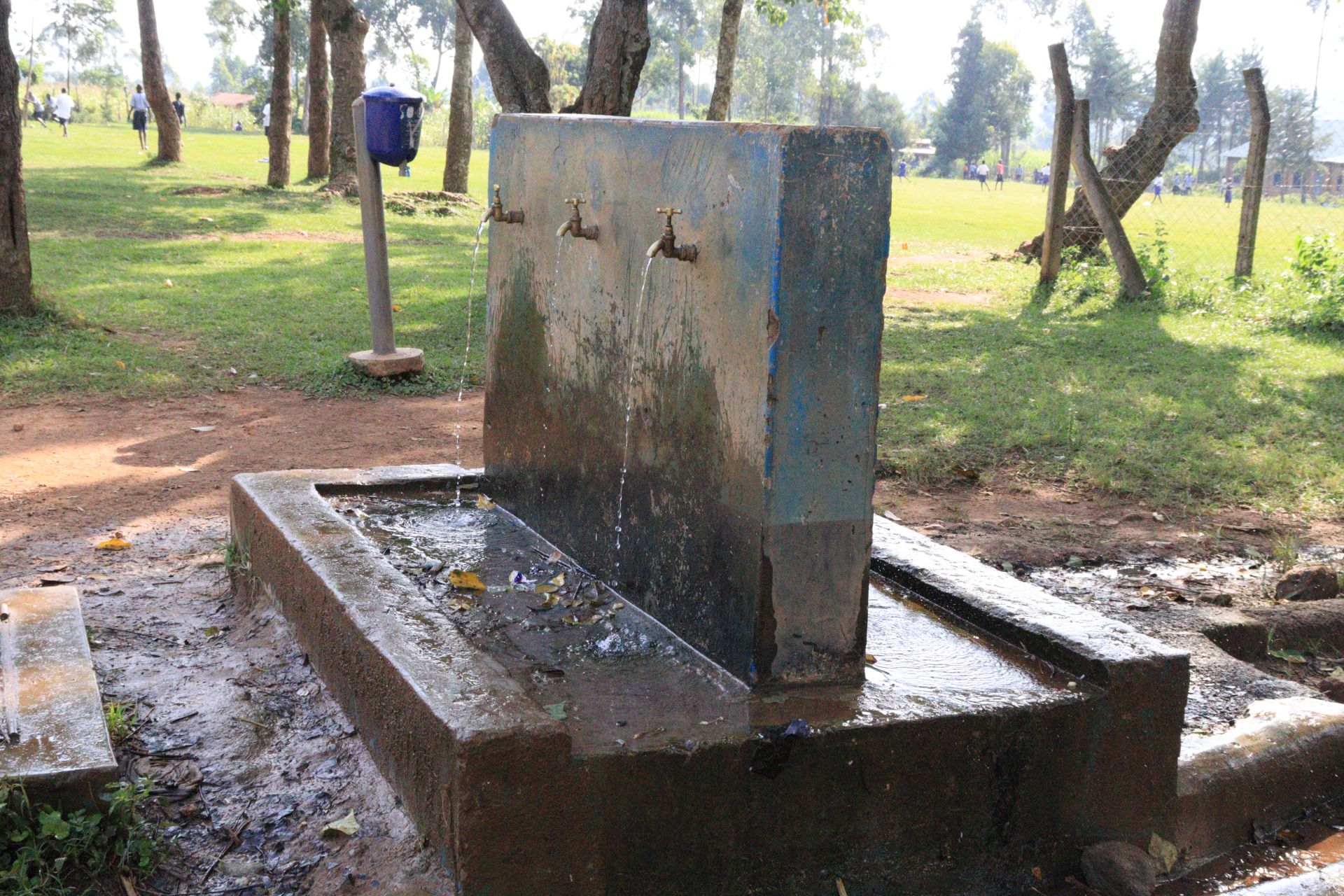
Piped water.
The rain tank only fills during the rainy season, and with such a large population, it runs dry quickly.

All of this unreliable water access places the school in a constant state of uncertainty. It has been a financial burden on the school and is a source of worry and distraction for administrators. Teachers must ration water, and when even that is not enough, students are forced to leave their classrooms and collect water from a community spring.
Teacher Maxmiller Luvai, 43, shared her thoughts on the situation.
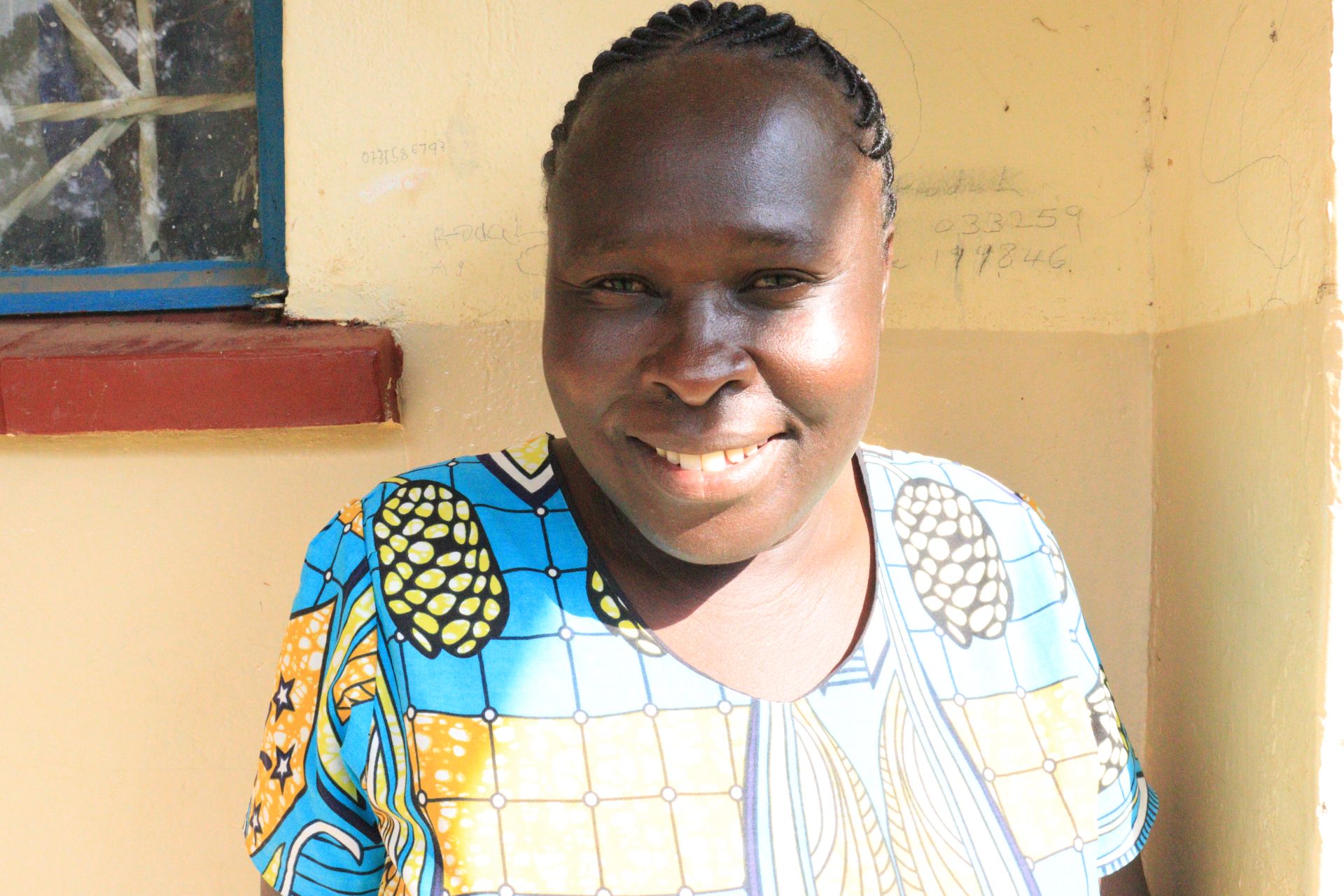
"The shortage of water affects students in many ways. It limits access to safe drinking water, makes it difficult to maintain hygiene, and interferes with the smooth running of school activities. As a result, learners may become distracted and less able to concentrate in class," Ms. Luvai said.
"Since the water point stopped functioning properly, the school has faced challenges in providing enough water for drinking, handwashing, and cleaning. This has placed additional pressure on both staff and learners and has affected the learning environment. When water is scarce, staff have to closely monitor its use to ensure all learners have access to drinking water while maintaining sanitation and cleanliness. This can be stressful, especially when the available water cannot meet all the school's daily needs," she continued.
"The quality of the piped water is good, but its unreliable availability is a major challenge. Since the supply is controlled from outside the school, we sometimes go for several days without receiving any water. When this happens, and the school's borehole is also out of service, staff and learners have no option but to collect water from an unprotected spring outside the school compound," she said.
When students have to leave school to collect water from the spring, they make the long, tiring trek when they should be sitting in class learning. It is not ideal, and no one knows how far behind it puts students.

"I would like people to understand that having a water connection alone is not enough if the supply is unreliable. When water is controlled from outside and can [be] stopped for several days, the school still experiences serious challenges that affect learners and staff every day," she stated.
"I feel concerned and saddened because water shortages affect the health and comfort of our learners. As teachers, we want to provide the best learning environment possible, and it is difficult when such a basic need is not consistently available," Ms. Luvai lamented.
Steps Toward a Solution
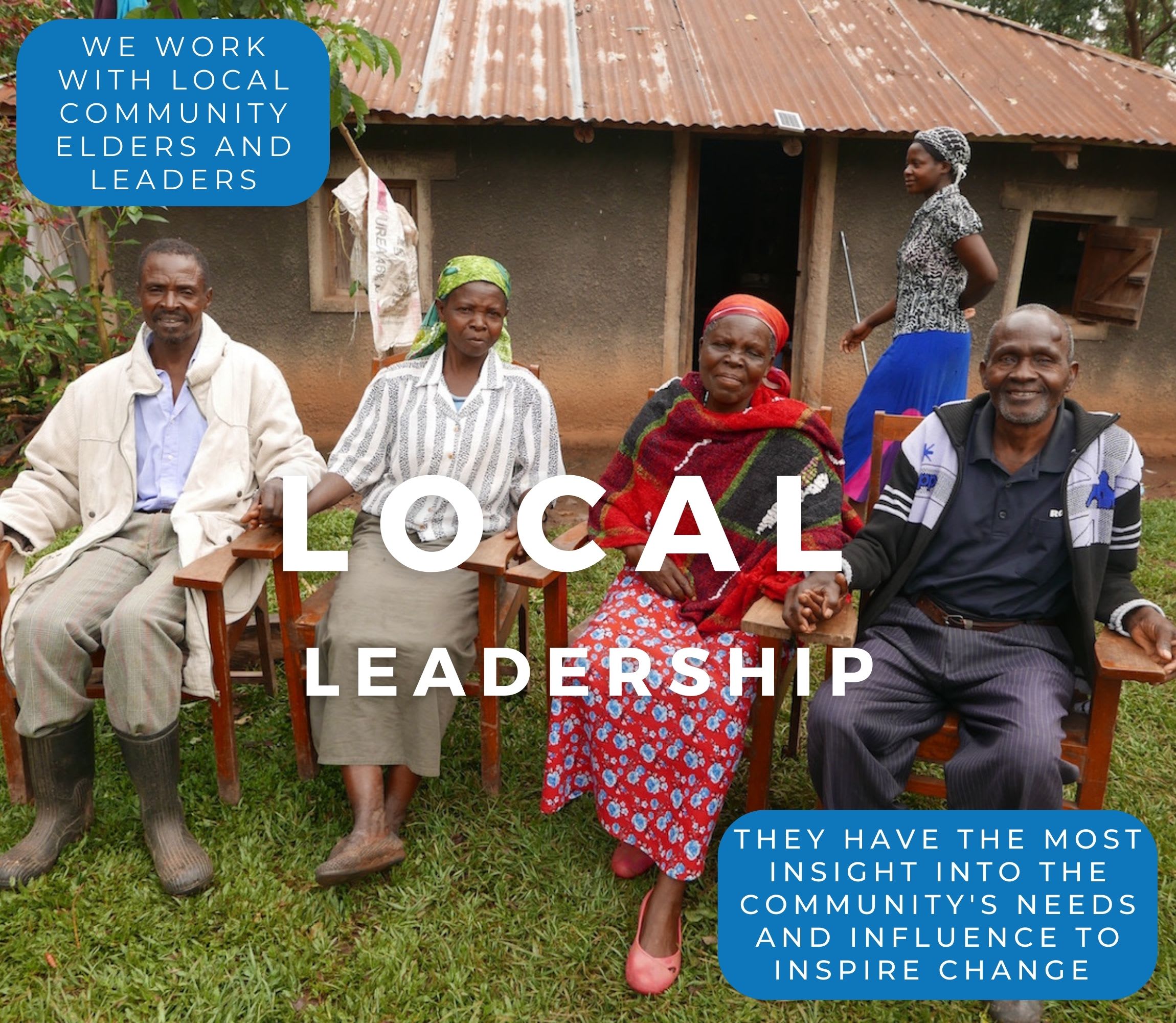
Our technical experts worked with the local community to identify the most effective solution to their water crisis. Together, they agreed to adopt a well previously drilled by another organization that is no longer actively maintained.
Adopted Well: Ensuring Lasting Reliability
This adoption program protects and strengthens access to clean water by identifying functional community boreholes installed by other organizations and adopting them into The Water Project’s proven monitoring and maintenance systems. By intervening before breakdowns occur, this cost-effective approach reduces downtime, prevents waterborne illness, safeguards health and livelihoods, and advances long-term regional water coverage.
Before use, the well will be thoroughly vetted and repaired to meet our established standards. From there, we keep the system safe and dependable through quarterly monitoring and prompt attention to any maintenance needs — minimizing the risk of unexpected breakdowns. Water quality testing is conducted twice a year to ensure the supply remains healthy for the entire community. All of these services are covered by an affordable annual fee, with no additional costs at the time of repairs.
School Education & Ownership
Hygiene and sanitation training are integral to our water projects. Training is tailored to each school's specific needs and includes key topics such as proper water handling, improved hygiene practices, disease transmission prevention, and care of the new water point.
To ensure a lasting impact, we support forming a student health club composed of elected student representatives and a teacher. These clubs promote hygiene practices schoolwide and keep handwashing stations well-stocked. This student-led model encourages a sense of ownership and responsibility.
Safe water and improved hygiene habits foster a healthier future for the entire school.
