 Borehole Well and Hand Pump
 Rehabilitation Project









The 444 students and 23 teachers at Ebung'ale Primary School depend on a well installed by the government in 2021 as their primary source of water. But after years of neglect, the well has become increasingly unreliable, leaving the school in a constant state of uncertainty.
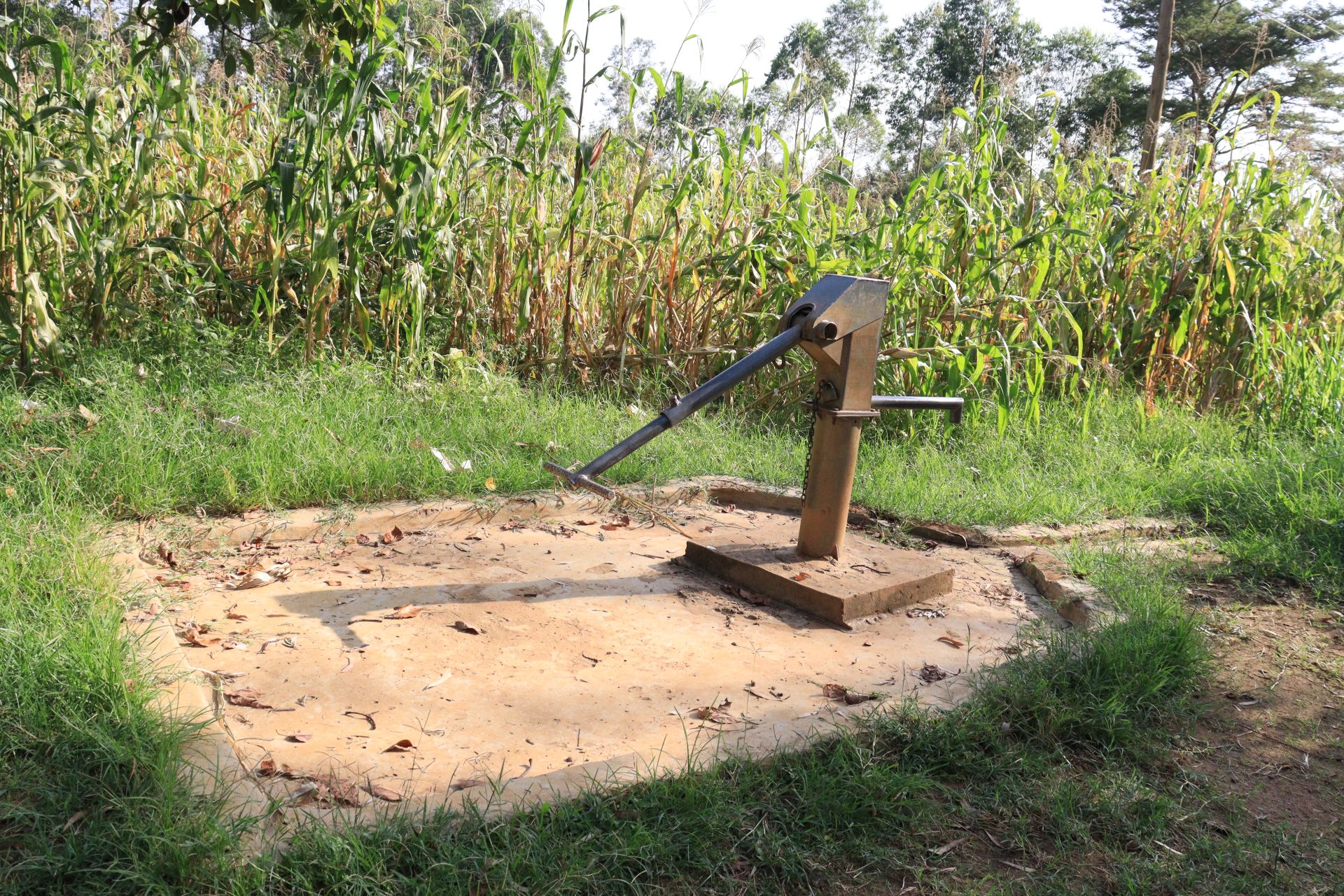
The well that needs to be adopted.
Each breakdown creates a crisis. With no dedicated funding or technical support to maintain the well, or the expertise to fix it when it breaks down, everyone at the school suffers. Valuable resources that should be funneled to ensure students receive a quality education are instead diverted to restore water.
It's been a constant source of worry and distraction for both administrators and students.
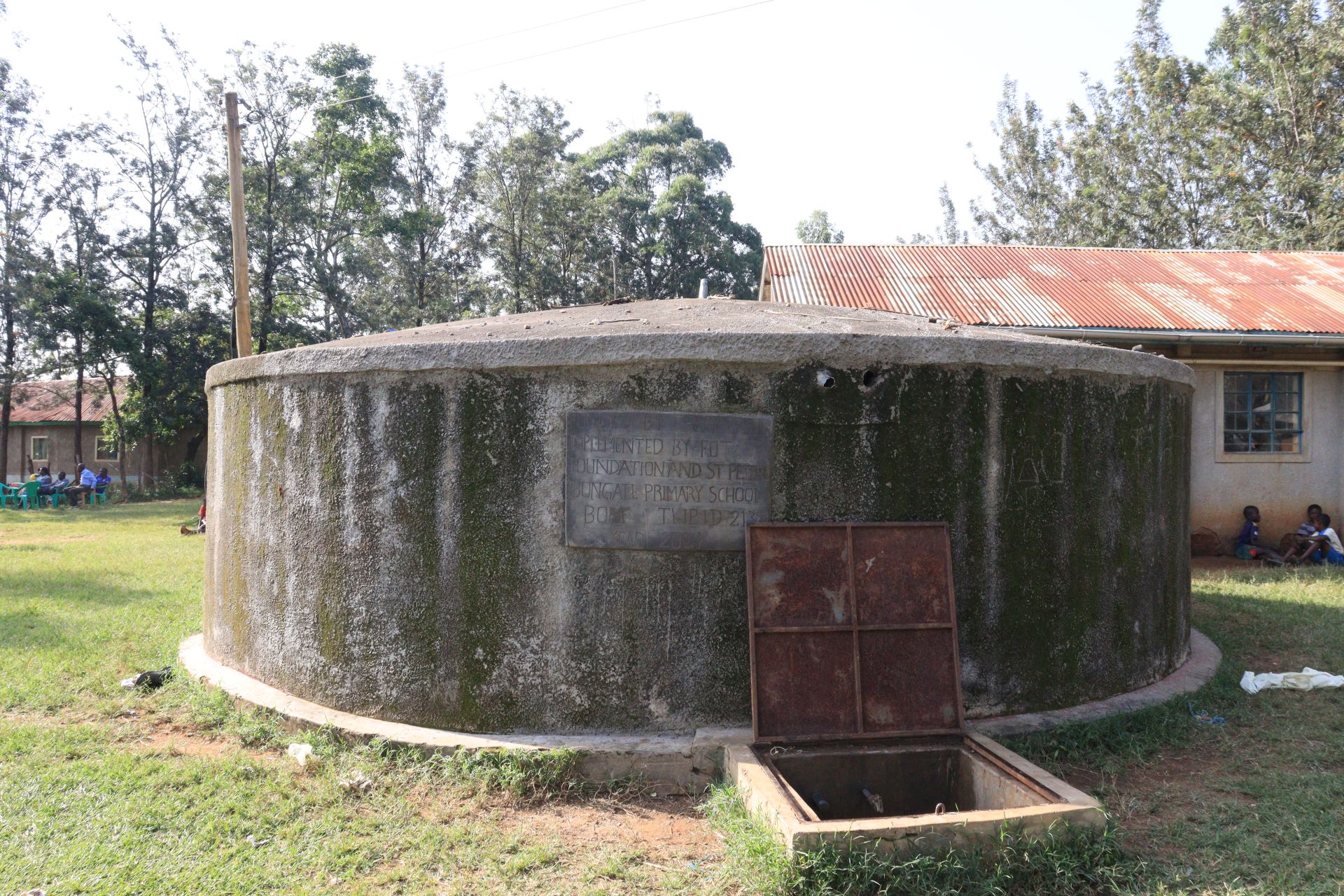
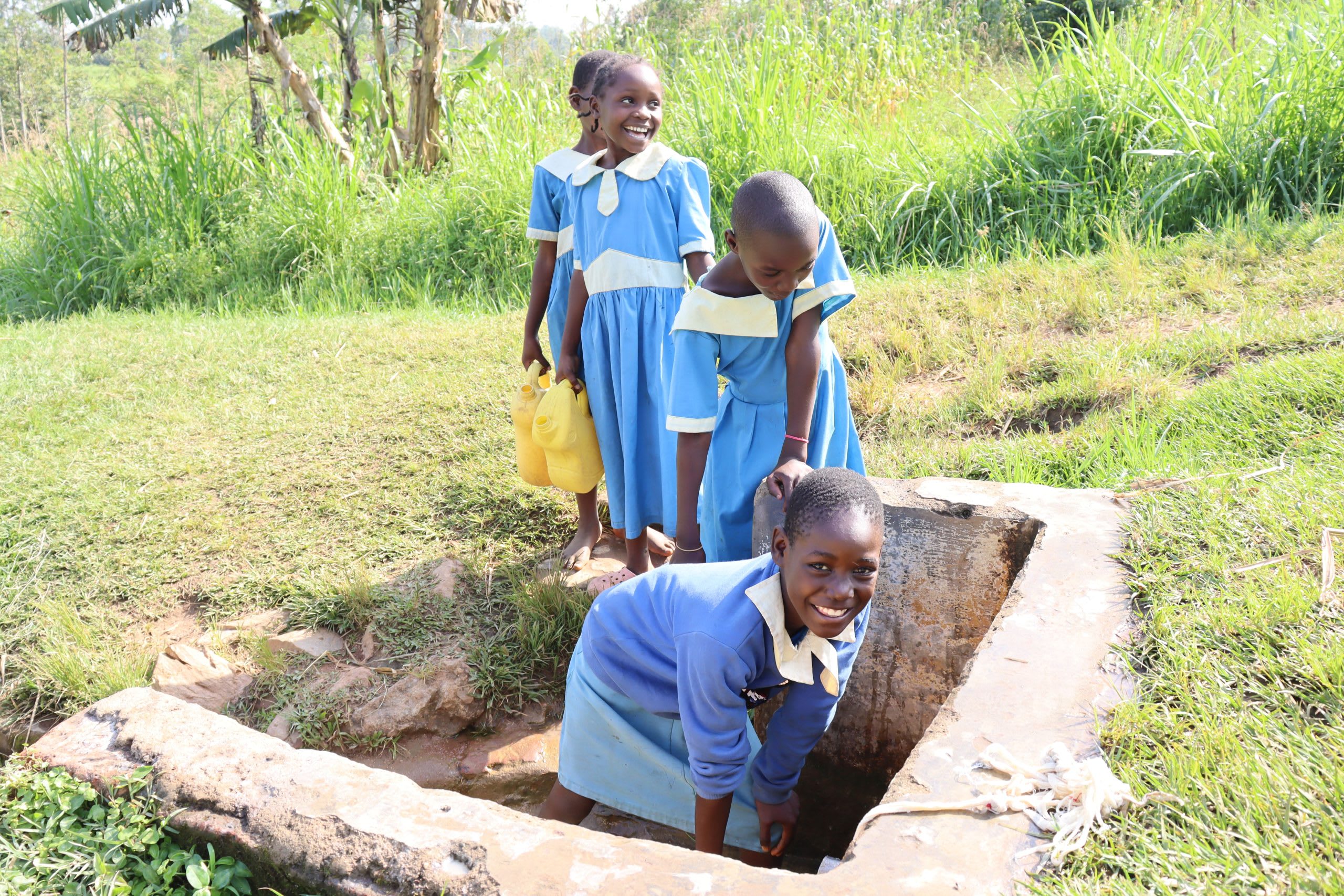
When the well, the school's main drinking water source, stops functioning, students collect water from a rainwater tank we installed in 2021. It depends on the rainy season to fill, and with so many students, it drains quickly and goes dry.
When the tank is dry, students are left to either trek an hour to a community spring, which drains their time and energy, or bring water from home, collected from unknown sources, which is a risky venture for everyone's health and well-being.

Students take great risks each time they are forced to collect water away from their school campus.
Bonventure Mutebera, a 45-year-old teacher at the school, voiced several of his concerns.
"Over the past year, our borehole has been out of service for more than 12 consecutive months. This situation forced us to seek alternative water sources, particularly during the dry season when our rainwater tanks are empty. As a result, students had to go to a nearby spring to fetch water. However, this spring is well-protected and often crowded with community members and residents from neighboring areas during the dry season. Our learners sometimes have to wait in line for up to half a day. On the worst days, they return to school without any water," he said.
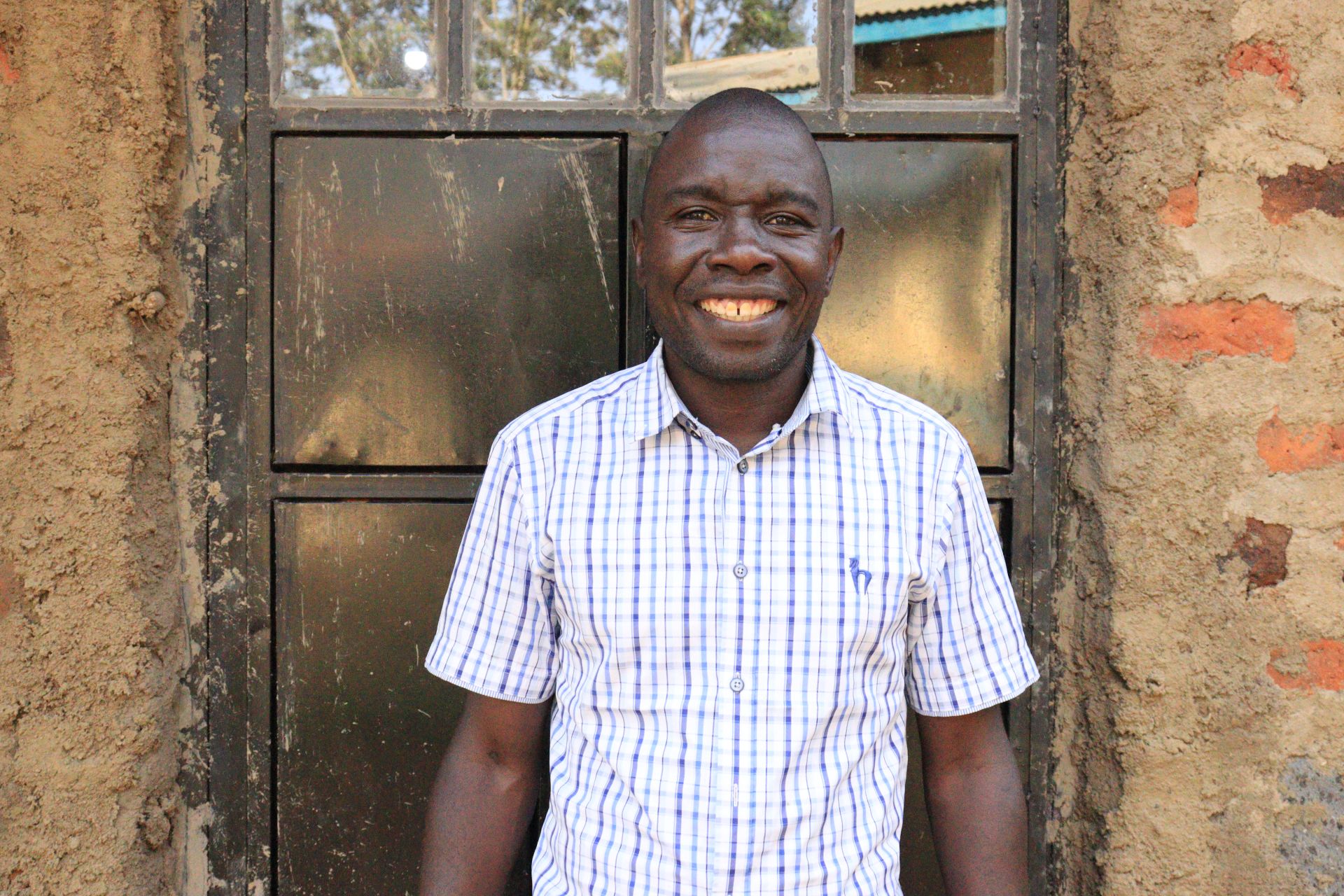
Mr. Mutebera.
When students cannot collect water from the well or make the trek to the spring, they resort to collecting and drinking any water they can find in their community, which puts everyone who consumes it at risk.
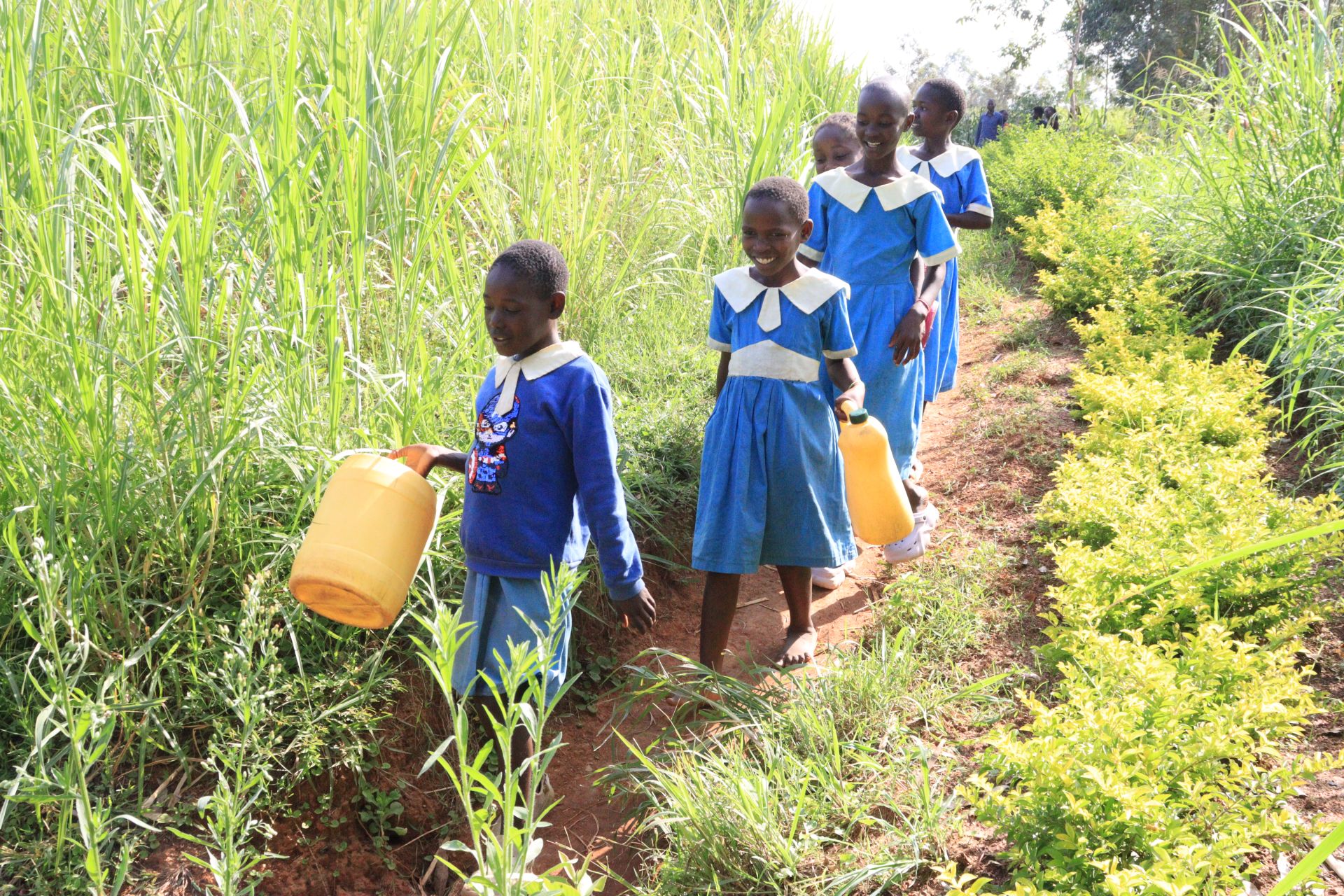
Students walk to collect water.
"One common incident occurred during the dry season, due to the frequent use of our borehole, which led to the breakdown of the hand pump installed at our borehole, pushing the school to rely on water brought from home by learners or bought from vendors who brought water from unknown sources. Several pupils complained of stomach pains, diarrhea, and vomiting after drinking the water. Some learners were absent from school for several days while receiving treatment at a nearby health facility. Teachers reported that affected pupils appeared weak, dehydrated, and unable to concentrate in class. The situation disrupted learning and increased absenteeism among students," Mr. Mutebera reported.
"This frequent illness mostly affects their academic performance because they miss lessons, examinations, and other school activities," he declared. "Teachers also become ill in this school, which leads to reduced productivity, increased absenteeism, and disruptions in the learning process. When many pupils get sick simultaneously, we experience lower attendance rates and reduced academic achievement. In addition, time that could be spent on learning and teaching is instead devoted to seeking medical care and recovery. So generally, water-related illnesses negatively affect health, education, attendance, and school performance."

"I believe it is unacceptable for students to drink water that may harm their health," Mr. Mutebera lamented.
"Safe drinking water is a basic necessity and is essential for learning, growth, and overall well-being. As a school community, we are concerned about the health and safety of our students. Every child deserves access to clean and safe drinking water while at school," he continued.
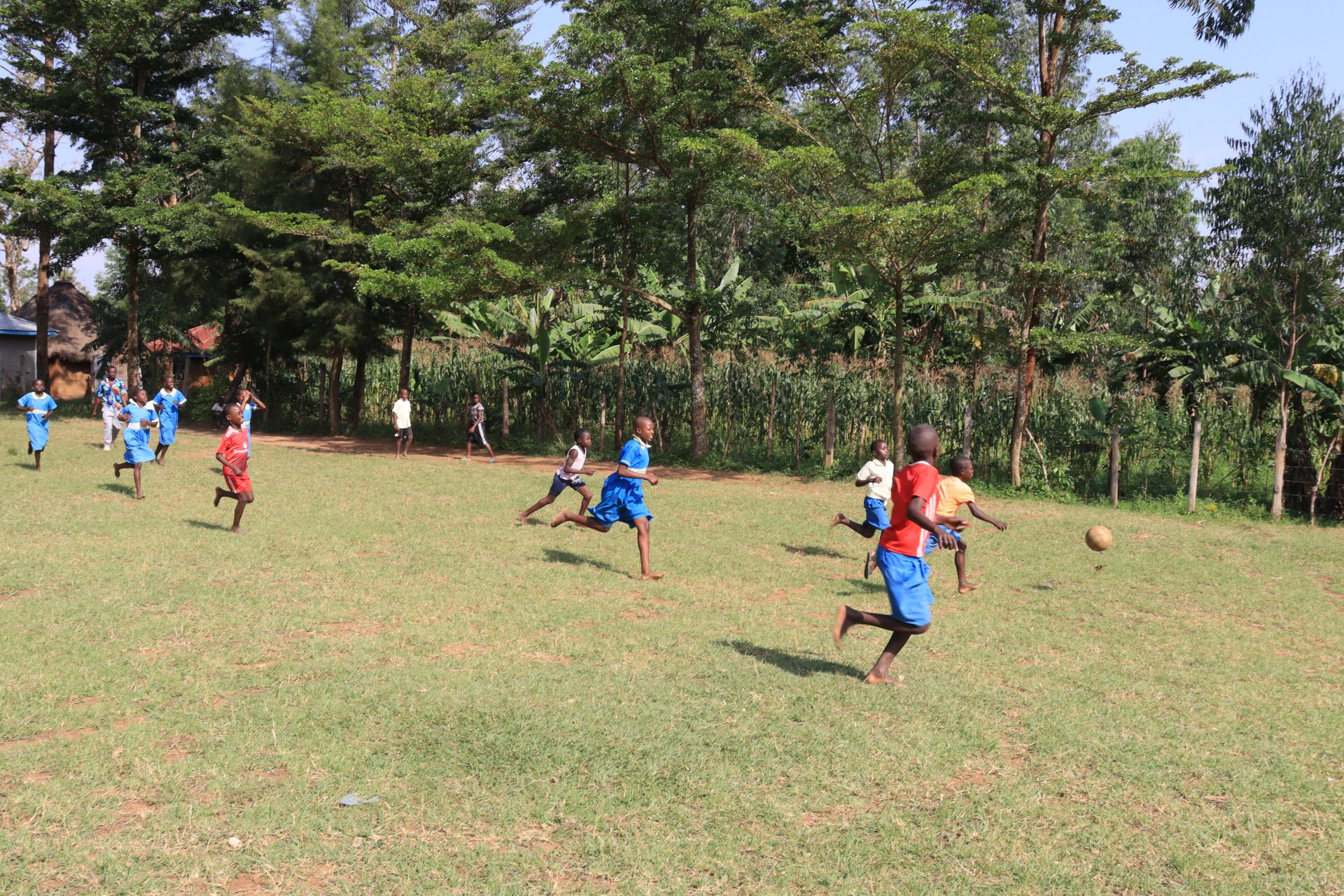
"Access to a safe and reliable water source through a borehole would help reduce the occurrence of waterborne diseases, improve school attendance, enhance learning outcomes, and create a healthier school environment," Mr. Mutebera concluded.
Steps Toward a Solution
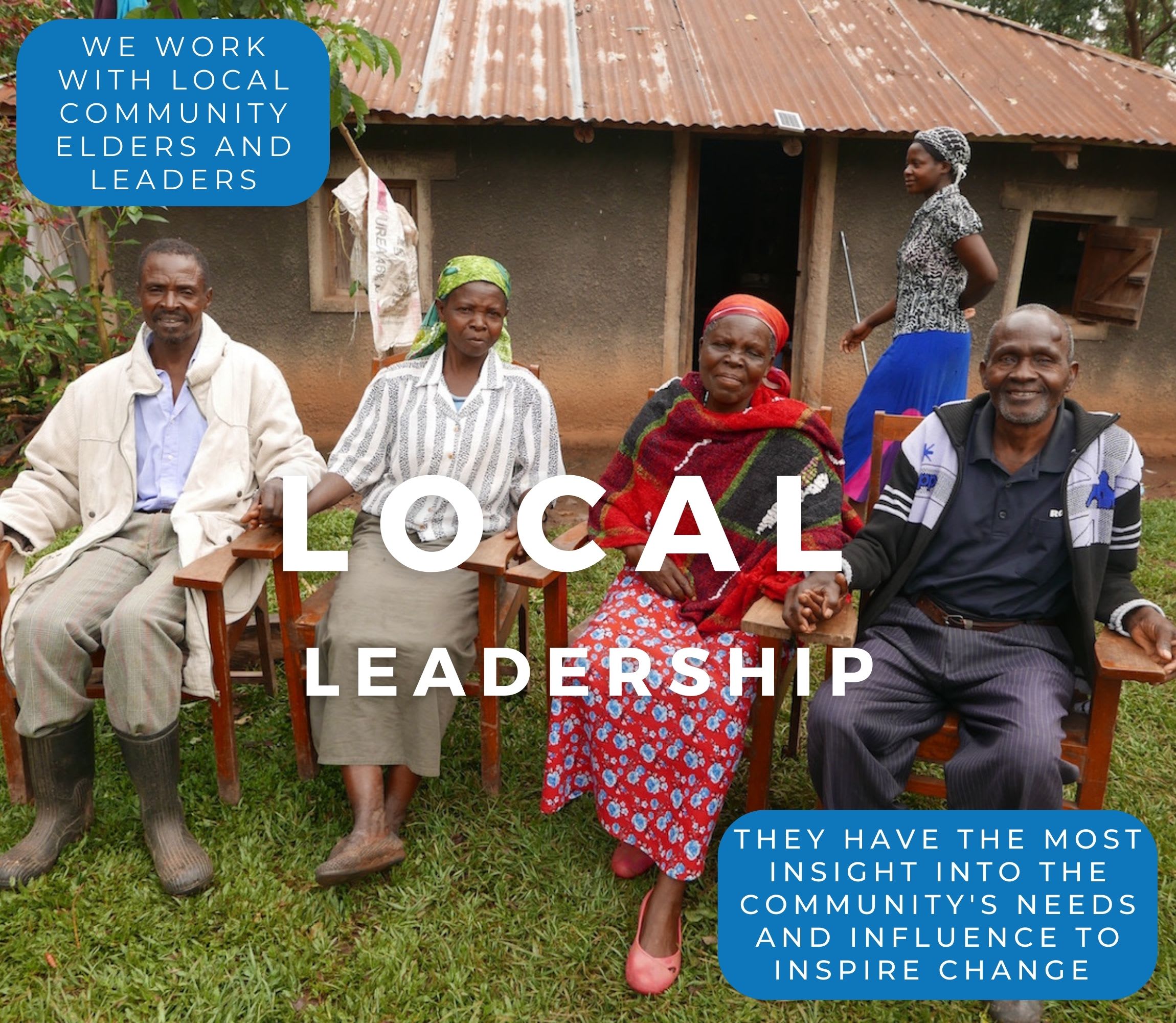
Our technical experts worked with the local community to identify the most effective solution to their water crisis. Together, they agreed to adopt a well previously drilled by another organization that is no longer actively maintained.
Adopted Well: Ensuring Lasting Reliability
This adoption program protects and strengthens access to clean water by identifying boreholes installed by other organizations and adopting them into The Water Project’s proven monitoring and maintenance systems. This cost-effective approach reduces downtime, prevents waterborne illness, safeguards health and livelihoods, and advances long-term regional water coverage.
Before use, the well will be thoroughly vetted and repaired to meet our established standards. From there, we keep the system safe and dependable through quarterly monitoring and prompt attention to any maintenance needs — minimizing the risk of unexpected breakdowns. Water quality testing is conducted twice a year to ensure the supply remains healthy for the entire community. All of these services are covered by an affordable annual fee, with no additional costs at the time of repairs.
School Education & Ownership
Hygiene and sanitation training are integral to our water projects. Training is tailored to each school's specific needs and includes key topics such as proper water handling, improved hygiene practices, disease transmission prevention, and care of the new water point.
To ensure a lasting impact, we support forming a student health club composed of elected student representatives and a teacher. These clubs promote hygiene practices schoolwide and keep handwashing stations well-stocked. This student-led model encourages a sense of ownership and responsibility.
Safe water and improved hygiene habits foster a healthier future for the entire school.