 Borehole Well and Hand Pump
 Rehabilitation Project

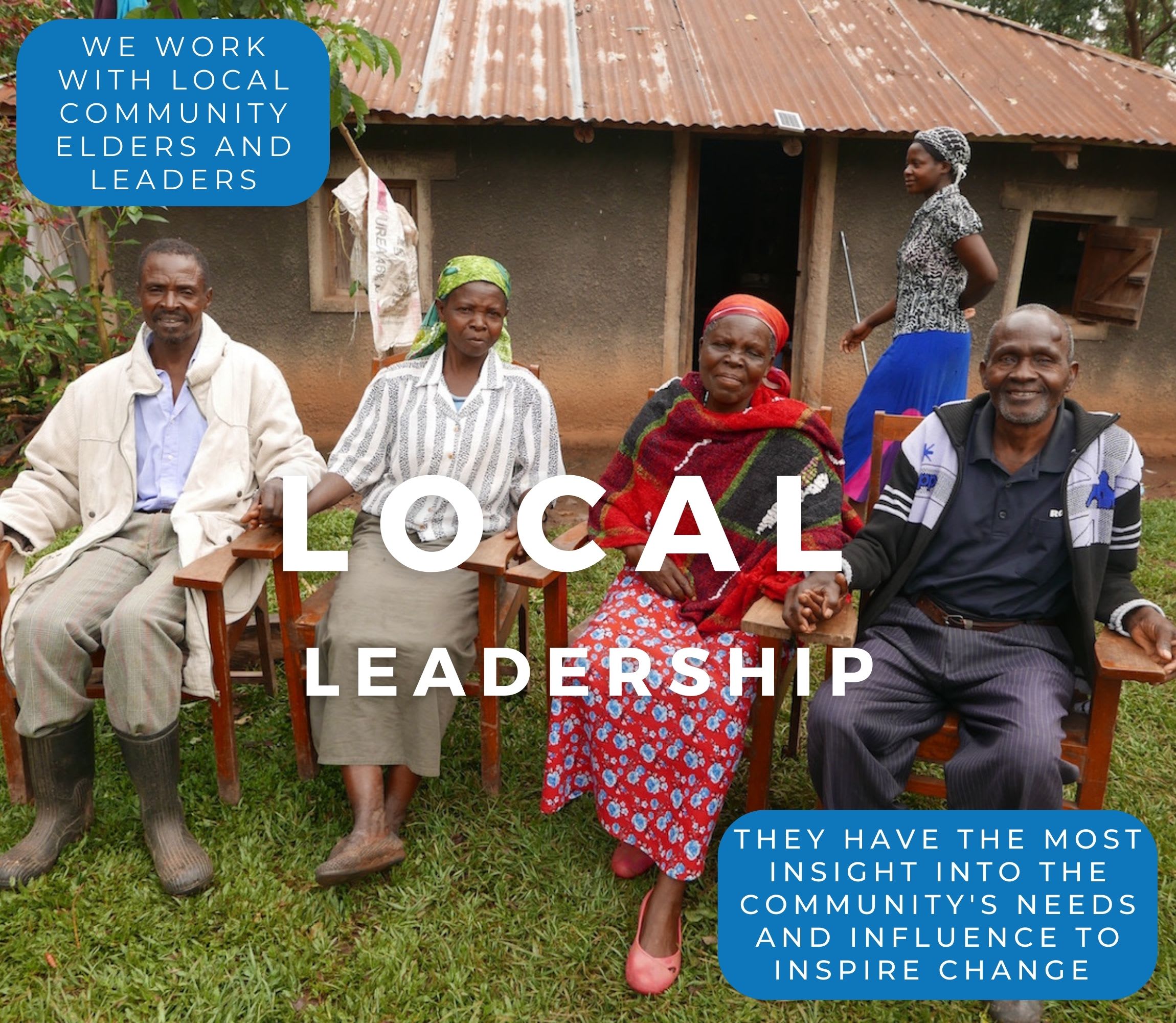







Eshikhuyu Polytechnic was established in June 2016 through a community initiative to provide technical and vocational training opportunities for young people.
"The polytechnic plays a particularly important role in the community because Eshikhuyu does not have a secondary school. Many learners who complete primary school would otherwise have to travel to neighboring communities to pursue secondary education. For those who are unable or unwilling to travel long distances, Eshikhuyu Polytechnic provides an accessible alternative where they can acquire practical vocational and technical skills that prepare them for self-employment, entrepreneurship, and future livelihoods," shared Field Officer Terry Fanice.
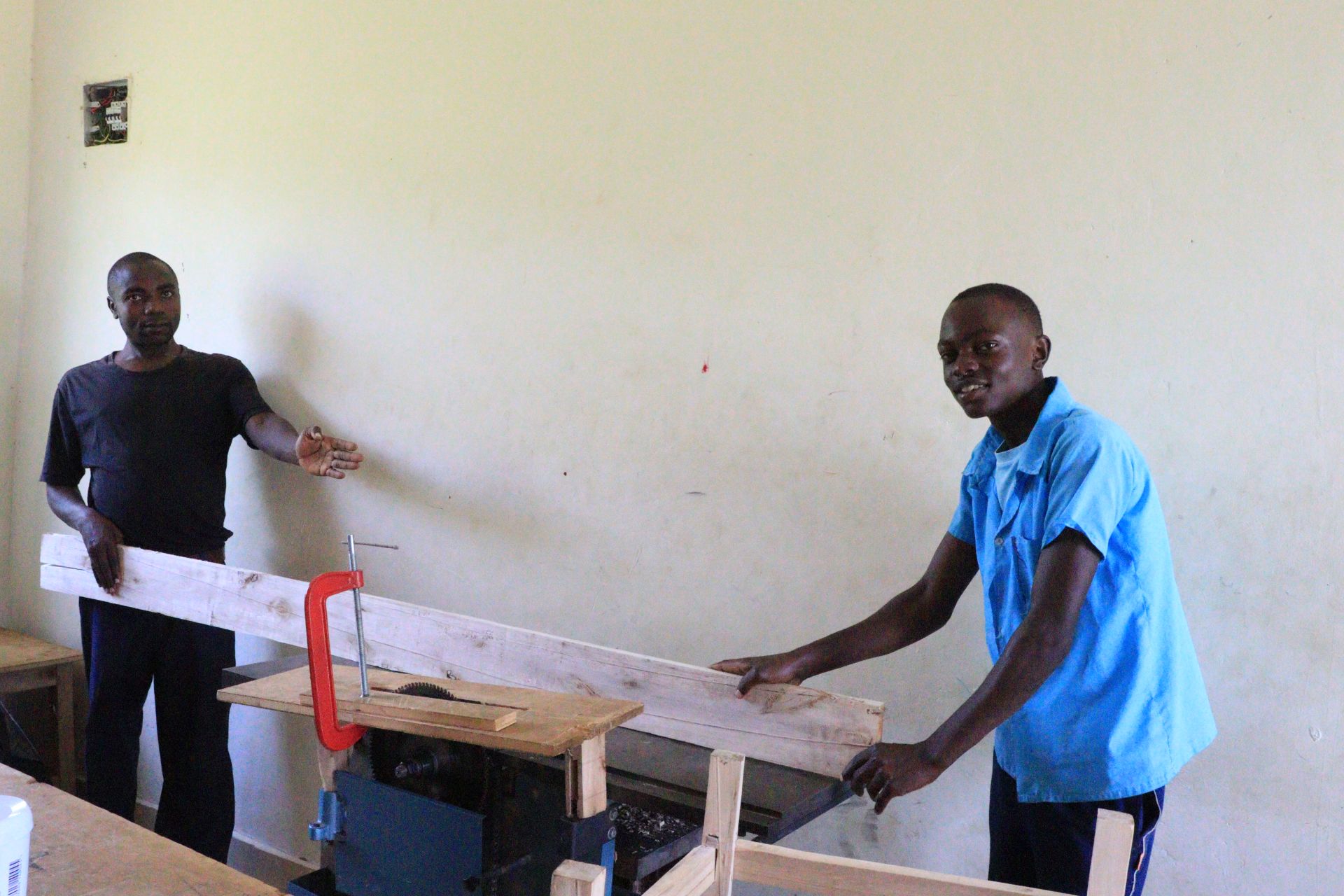
Carpentry class.
"Today, Eshikhuyu Polytechnic continues to serve as a vital center for skills development and youth empowerment. As enrollment continues to grow, improving access to reliable water and sanitation is essential to supporting the institution's expansion, maintaining a healthy learning environment, and ensuring that students can fully benefit from the training it provides," she continued.
For the 144 students and teachers currently at Eshikhuyu Polytechnic who depend on a well installed by the government in 2021, the water situation has become precarious. After years of neglect, the well has become increasingly unreliable, leaving the school in a constant state of uncertainty.
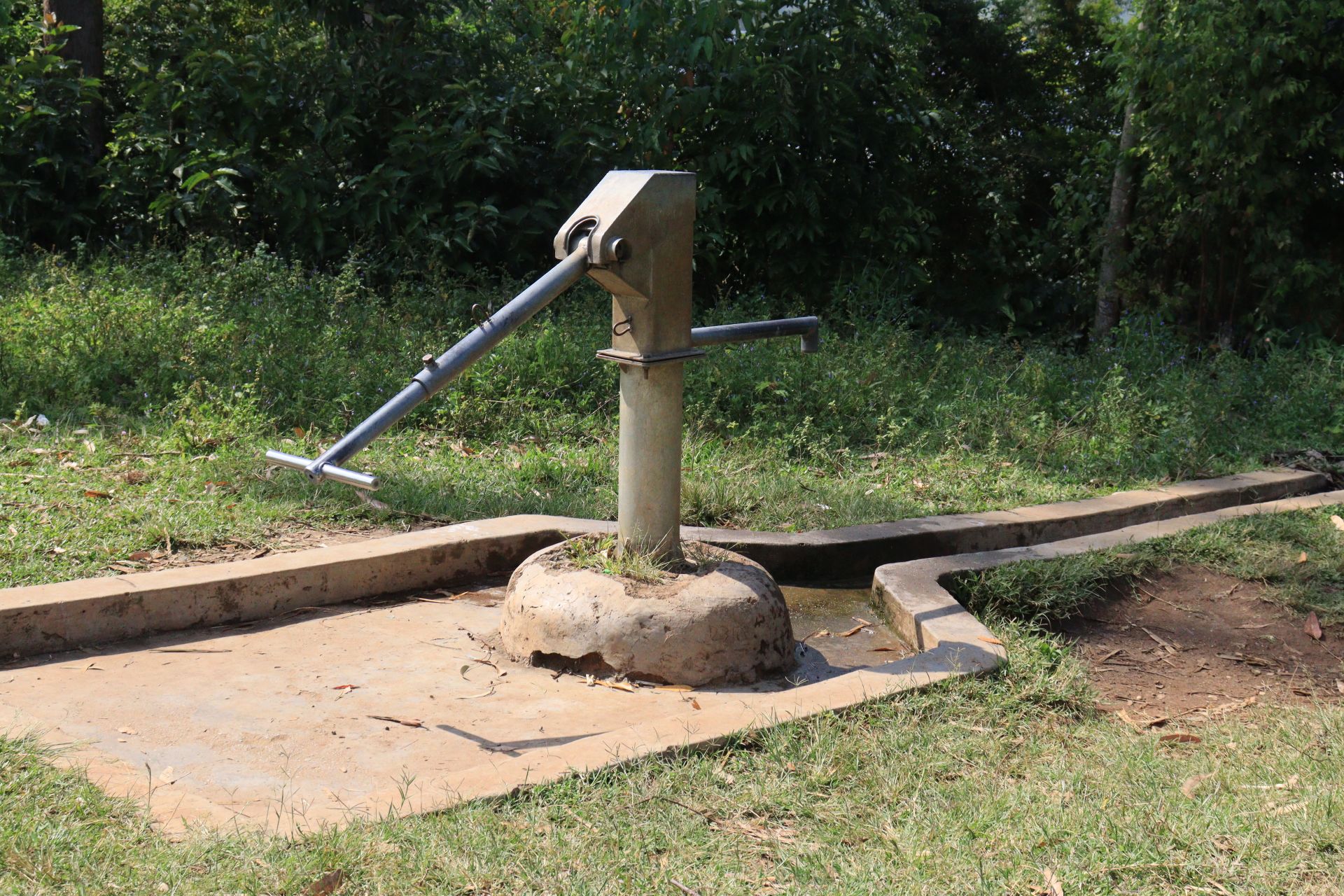
With no dedicated funding or technical support to maintain the well, or the expertise to fix it when it breaks down, each breakdown creates a crisis. Valuable resources that should be funneled toward educating students have instead been diverted to restoring water. And, more importantly, when the school's well is broken, students must collect water from other community sources.
Sometimes that is a faraway spring, sometimes it is a local stream.

Students walking to the spring.
"The spring is located a considerable distance from the polytechnic. During the assessment, it took approximately 45 minutes on foot and 25 minutes by motorcycle to reach the water point, illustrating how far it is from the institution. For students and staff who collect water on foot while carrying containers, the journey is much longer and physically demanding, making the spring an impractical source for meeting the institution's daily water needs," shared Terry.
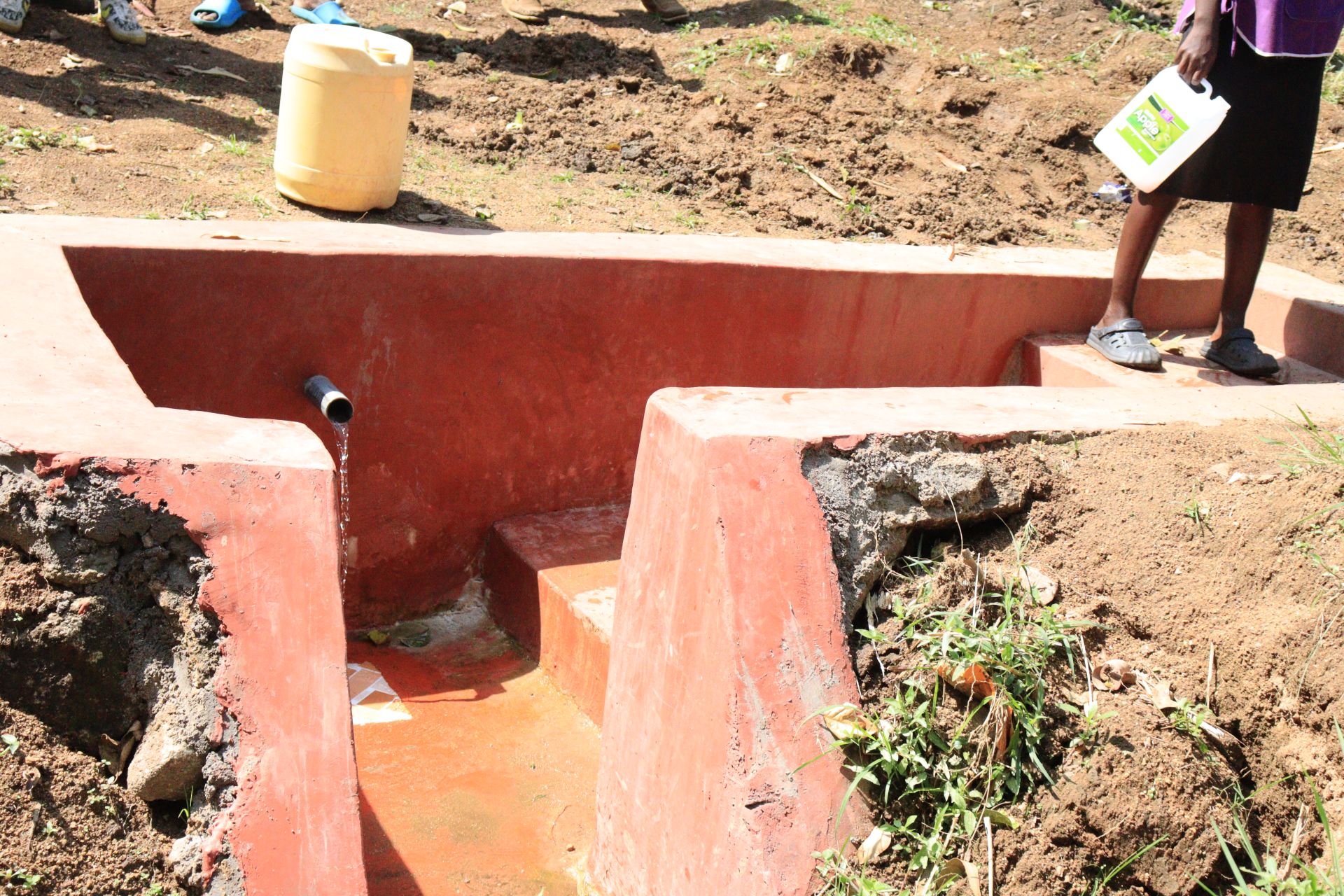
The spring where students collect water.
When the trip to the spring is too much for students, they resort to collecting water from the local stream, which puts everyone's health at risk.
"The institution also relies on an open stream as an alternative water source whenever the borehole and the protected spring cannot adequately meet its water needs. Although the stream provides water during shortages, it is unprotected and therefore more vulnerable to contamination from human activities, animals, and surface runoff. As a result, the stream water is not considered a safe or sustainable source for drinking unless it is treated. Reliance on the stream highlights the need for a reliable borehole within the polytechnic to ensure consistent access to safe water for students and staff," Terry explained.

Teacher Meshack Omwaka collects water from the stream.
Teacher Meshack Omwaka, 38, shared his thoughts: "Since the borehole became unreliable, the institution has had to rely more on the protected spring, which is located a long distance from the school. This has increased the time and effort required to collect water, reducing the time available for teaching, learning, and other productive activities."
He continued: "A reliable borehole would save us many hours that are currently lost walking long distances to fetch safe water. That time could be devoted to improving the quality of teaching, supporting students academically, and maintaining a clean and healthy learning environment. Our learners would also have more time and energy to focus on developing the vocational skills that will help them build their future."
Mr. Omwaka understands that clean water is a critical need for students to have a chance at a bright future.
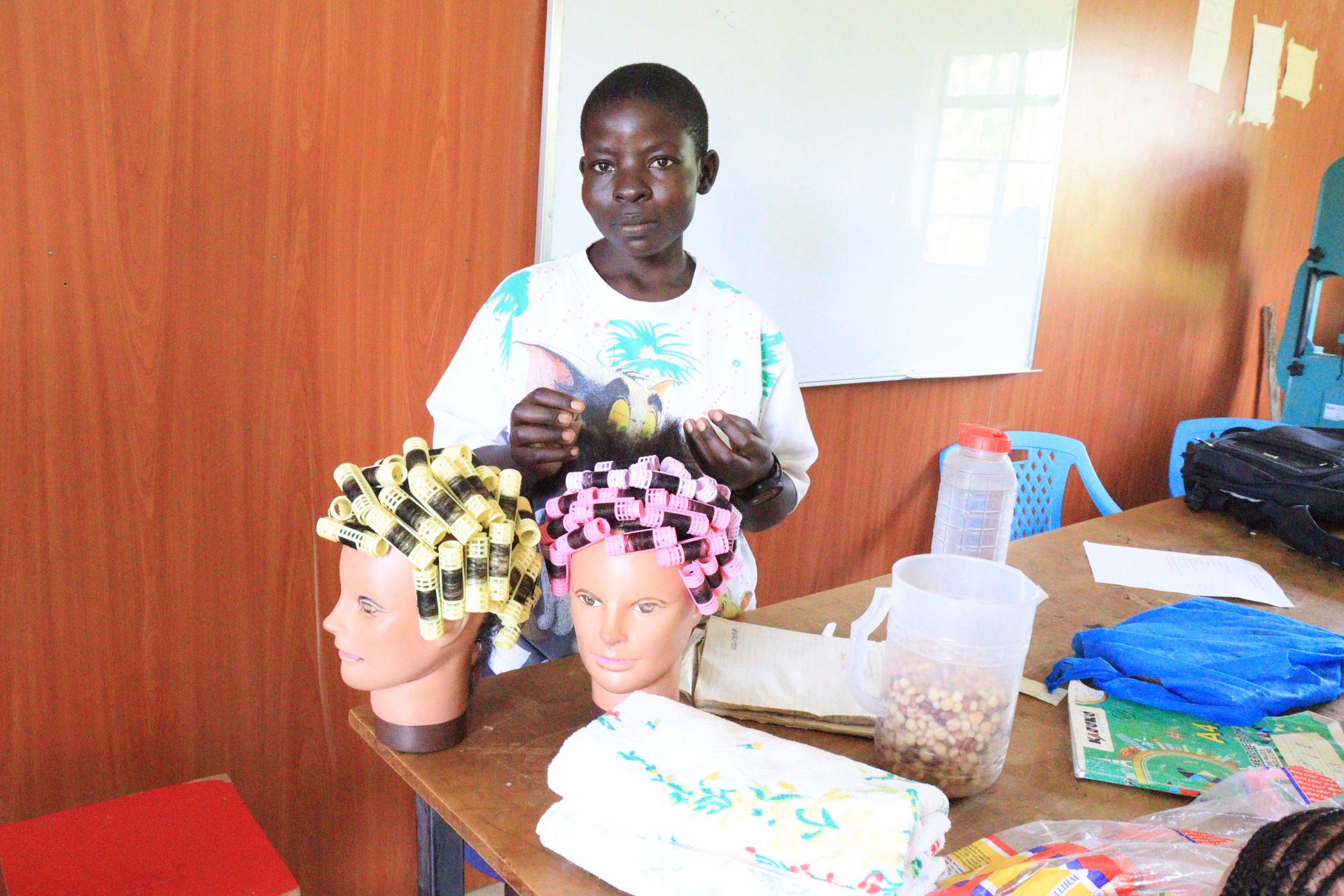
A student learns cosmetology.
"Water is essential because it supports every aspect of learning and daily life at the polytechnic. We need it for drinking, preparing meals, maintaining hygiene, cleaning classrooms, and supporting practical training. Without reliable access to water, it is difficult to provide a healthy and productive learning environment," he said.
Our hope is to take on the responsibility of maintaining the well so students no longer have to put their learning and future goals aside because, as Mr. Omwaka said, "Water is essential and supports every aspect of learning."
Steps Toward a Solution
Our technical experts worked with the local community to identify the most effective solution to their water crisis. Together, they agreed to adopt a well previously drilled by another organization that is no longer actively maintained.
Adopted Well: Ensuring Lasting Reliability
This adoption program protects and strengthens access to clean water by identifying boreholes installed by other organizations and adopting them into The Water Project’s proven monitoring and maintenance systems. This cost-effective approach reduces downtime, prevents waterborne illness, safeguards health and livelihoods, and advances long-term regional water coverage.
Before use, the well will be thoroughly vetted and repaired to meet our established standards. From there, we keep the system safe and dependable through quarterly monitoring and prompt attention to any maintenance needs — minimizing the risk of unexpected breakdowns. Water quality testing is conducted twice a year to ensure the supply remains healthy for the entire community. All of these services are covered by an affordable annual fee, with no additional costs at the time of repairs.
School Education & Ownership
Hygiene and sanitation training are integral to our water projects. Training is tailored to each school's specific needs and includes key topics such as proper water handling, improved hygiene practices, disease transmission prevention, and care of the new water point.
To ensure a lasting impact, we support forming a student health club composed of elected student representatives and a teacher. These clubs promote hygiene practices schoolwide and keep handwashing stations well-stocked. This student-led model encourages a sense of ownership and responsibility.
Safe water and improved hygiene habits foster a healthier future for the entire school.