 Borehole Well and Hand Pump
 Rehabilitation Project








The 300 community members of Eshikhuyu rely on a well that was installed by another organization in 2015. However, people collecting water here face challenges because the well has not been properly maintained for several years and frequently breaks down, sometimes for up to a month.
The community has done its best to take on the heavy responsibility of maintaining the well and securing the resources and expertise to fix it when it breaks down, but at times, it is more than they can handle. It has been a financial burden on the community, where many struggle to survive day to day. It's a constant source of worry for those who need a reliable, safe water supply.

The well that needs attention.
When the well is non-functional, community members must find water elsewhere.
They attempt to collect rainwater, but the seasonal nature of that is limited at best.
"The tank is functional, and the surrounding area is kept free from debris. However, at the time of the assessment, there was no water in the tank because the community had experienced nearly three weeks without rainfall, leaving the tank empty," shared Field Officer Terry Fanice.
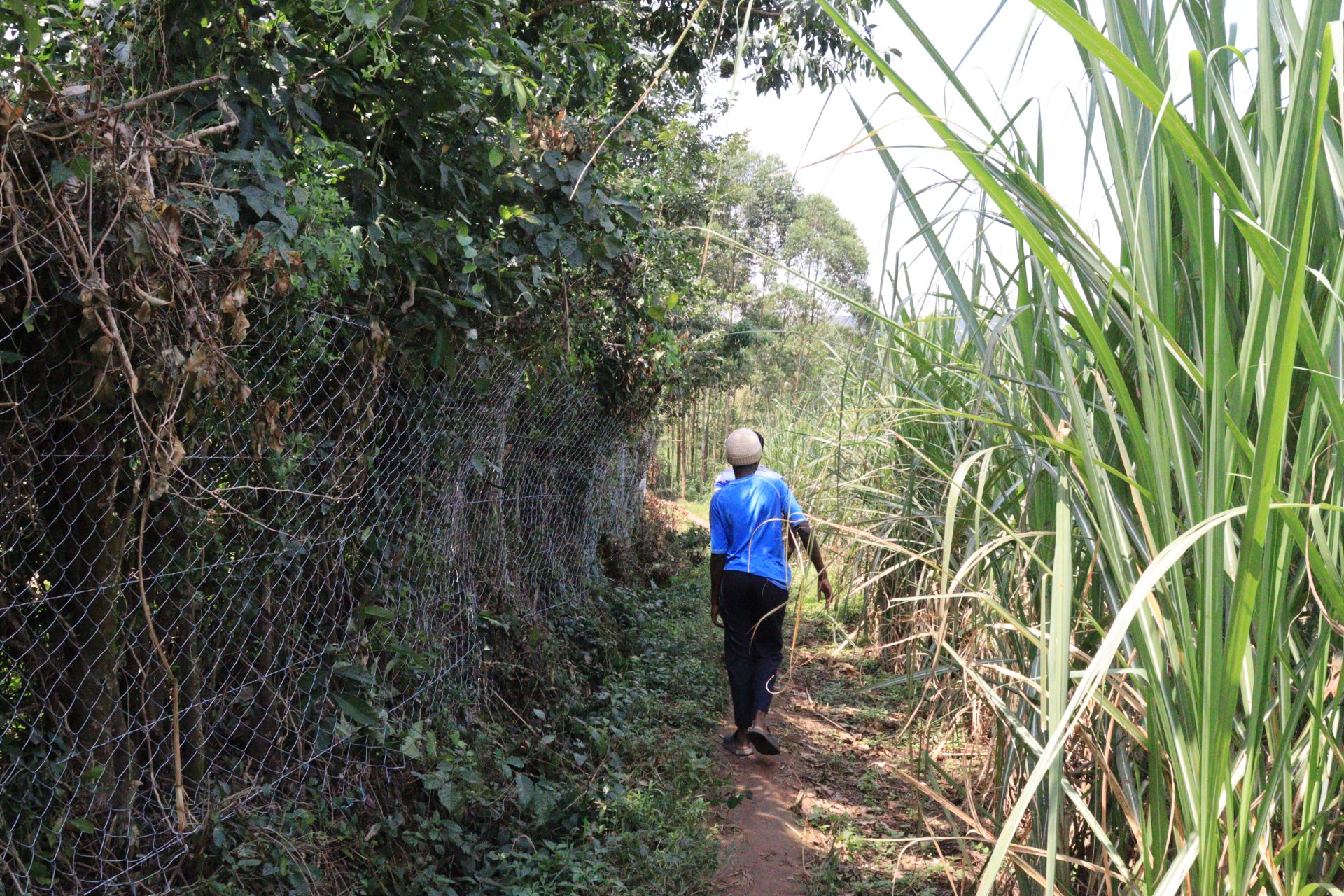
Walking to the spring.
Their next alternative is to collect water from a community spring we protected in 2024. Although it provides safe water, reaching the water point requires physical effort, and the site becomes overcrowded, prolonging collection times and consuming time that could otherwise be used to make progress in their daily lives.
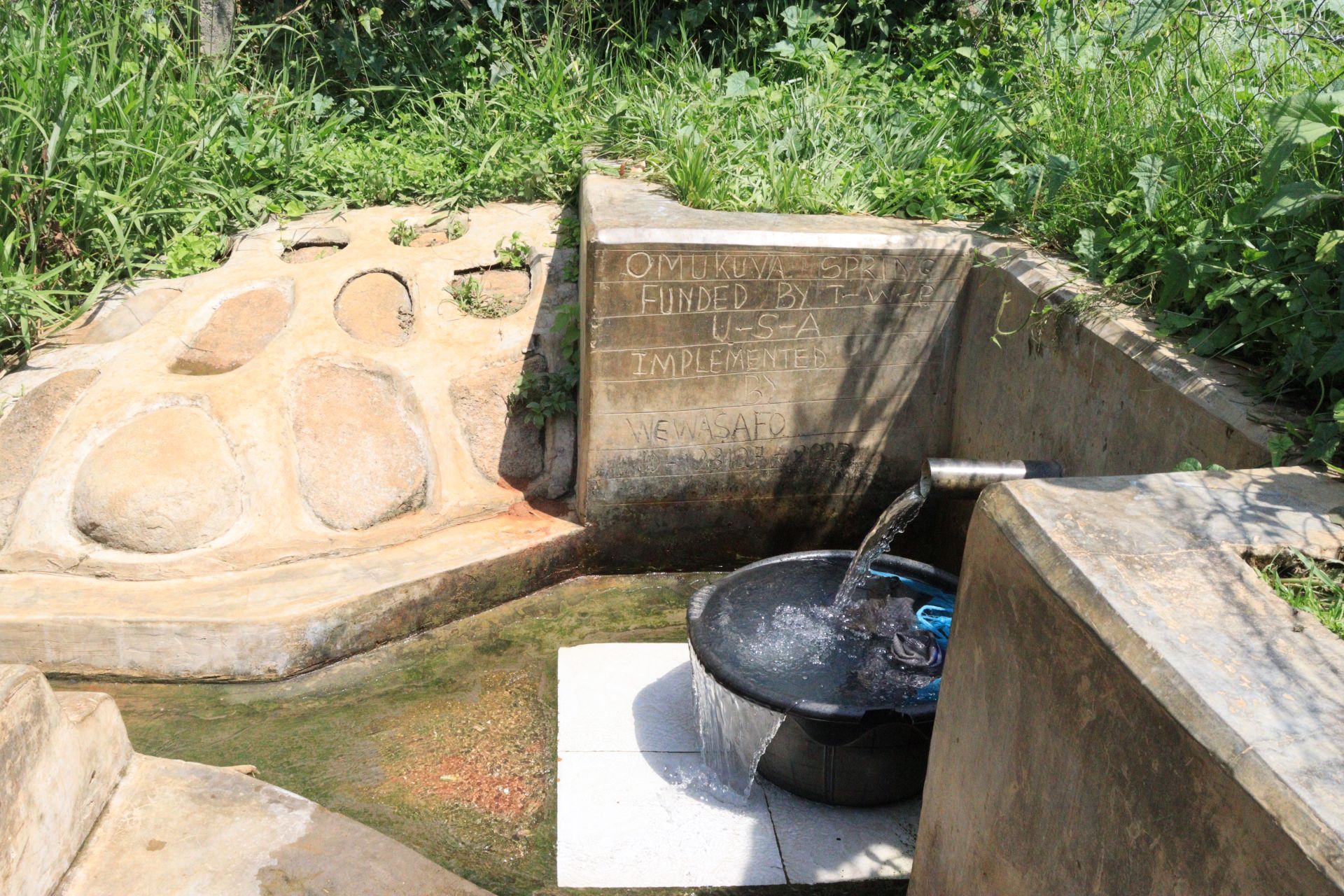
The community spring.
"I feel concerned when the borehole is not working properly because it makes accessing water less convenient. Although we have a protected spring, I would prefer the borehole to function fully so that the community has a more reliable water supply. When the borehole is not fully available, more people depend on the protected spring, which can become crowded. Water collection takes longer, and it becomes less convenient, although the spring continues to provide safe water," said 69-year-old farmer Titus Ananga.
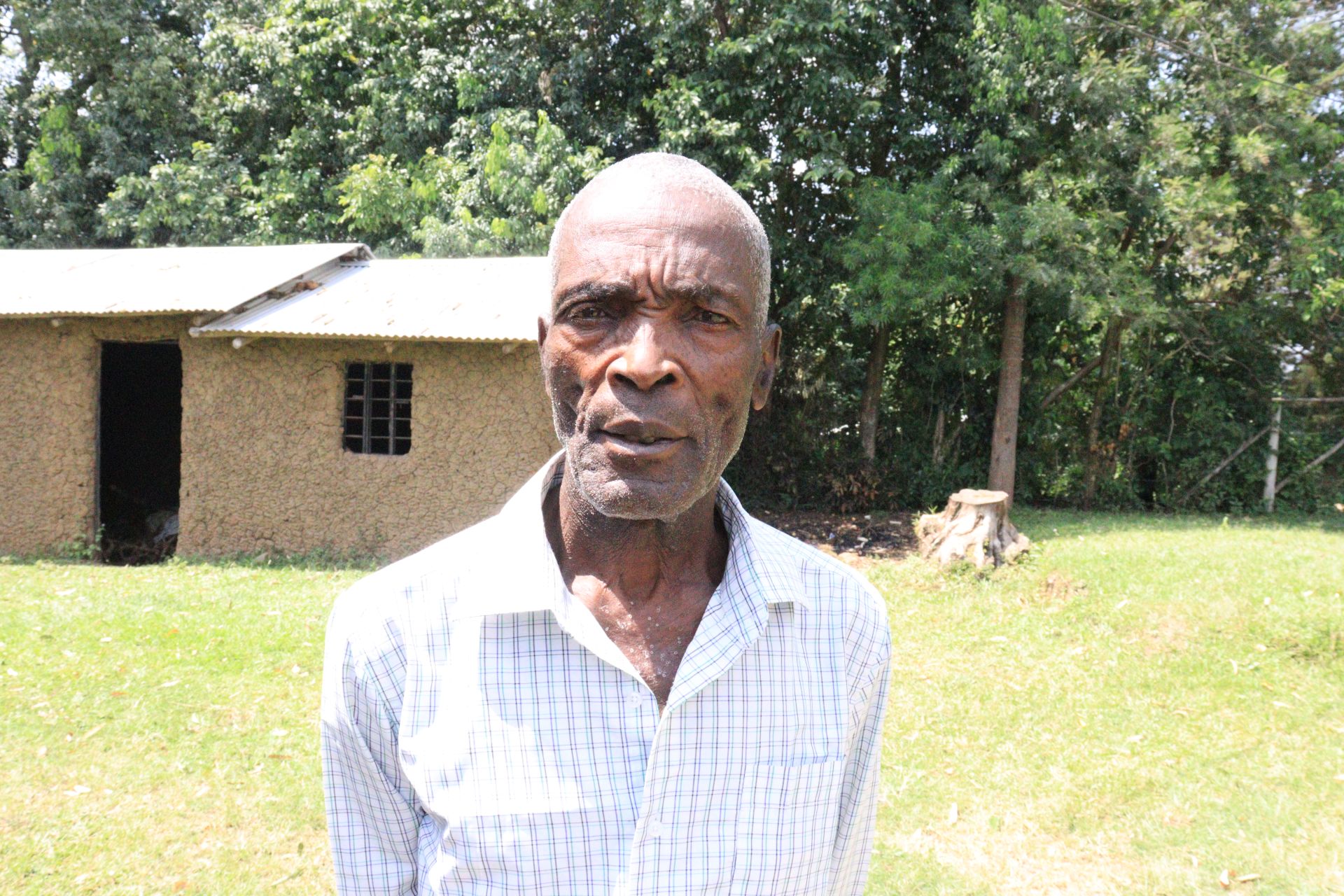
Mr. Titus Ananga.
"I would like people to understand that even when we have an alternative source, a fully reliable borehole is still essential. It ensures a consistent supply of safe water, reduces pressure on other sources, and makes life easier for the entire community," he continued. "A fully reliable borehole would ensure that the community has a consistent supply of safe water throughout the year. It would reduce pressure on the protected spring and make water collection faster and more convenient for everyone."
Titus has plans for the future, and having water from the well nearby will make them possible.
"I plan to improve my household's income through farming and other economic activities. Reliable water will reduce the time spent collecting water and allow me to focus more on productive work while ensuring my family has safe water every day," he concluded.
Steps Toward a Solution
Our technical experts worked with the local community to identify the most effective solution to their water crisis. Together, they agreed to adopt a well previously drilled by another organization that is no longer actively maintained.
Adopted Well: Ensuring Lasting Reliability
This adoption program protects and strengthens access to clean water by identifying boreholes installed by other organizations and adopting them into The Water Project’s proven monitoring and maintenance systems. This cost-effective approach reduces downtime, prevents waterborne illness, safeguards health and livelihoods, and advances long-term regional water coverage.
Before use, the well will be thoroughly vetted and repaired to meet our established standards. From there, we keep the system safe and dependable through quarterly monitoring and prompt attention to any maintenance needs — minimizing the risk of unexpected breakdowns. Water quality testing is conducted twice a year to ensure the supply remains healthy for the entire community. All of these services are covered by an affordable annual fee, with no additional costs at the time of repairs.
Community Education
Hygiene and sanitation training are integral to our water projects. Training is tailored to each community's specific needs and includes key topics such as proper water handling, improved hygiene practices, disease transmission prevention, and care of the new water point. Safe water and improved hygiene habits foster a healthier future for everyone in the community. Encouraged and supported by the guidance of our team, a water user committee representative of the community's diverse members assumes responsibility for maintaining the water point, often gathering fees to ensure its upkeep.