 Borehole Well and Hand Pump
 Rehabilitation Project








The 300 community members who call Iyala home rely on a nearby well installed by the government in 2016. Heartbreakingly, even though there is a well nearby, it has not been properly maintained, frequently breaks down, and has been non-operational for the past two years.
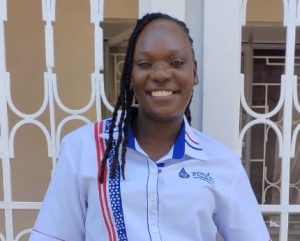
Terry Fanice, a field officer, shared that the most impactful moment of her visit to the community was seeing the non-functional borehole, which has remained out of service for nearly two years despite the community's repeated efforts to repair it.
"The community has made several efforts to restore the borehole by mobilizing resources and hiring mechanics to repair the hand pump whenever it breaks down. However, the borehole has remained non-functional for nearly two years. Although several mechanics have attempted repairs, none have been able to restore the borehole to full functionality," reported Terry.

The inoperable well that needs attention.
"The borehole area is generally clean, but the water point is currently not functioning. The apron is damaged, increasing the risk of contamination during the rainy season as surface runoff can enter the area around the borehole. At the time of the assessment, no water was flowing from the pump, leaving the community without access to water from this source. The damaged apron and non-functional borehole require rehabilitation to restore a safe and reliable water supply," Terry said, describing the current condition of the well.
The community does its best to pool its resources and hire someone to repair the failing well, but none of those they have called have been able to resolve its issues.
"It was evident that the community has invested both time and money in trying to restore the water point, yet they continue to depend on an alternative source. Their determination to keep searching for a lasting solution, despite repeated setbacks, demonstrated both their resilience and the urgent need for professional rehabilitation of the borehole," Terry concluded.
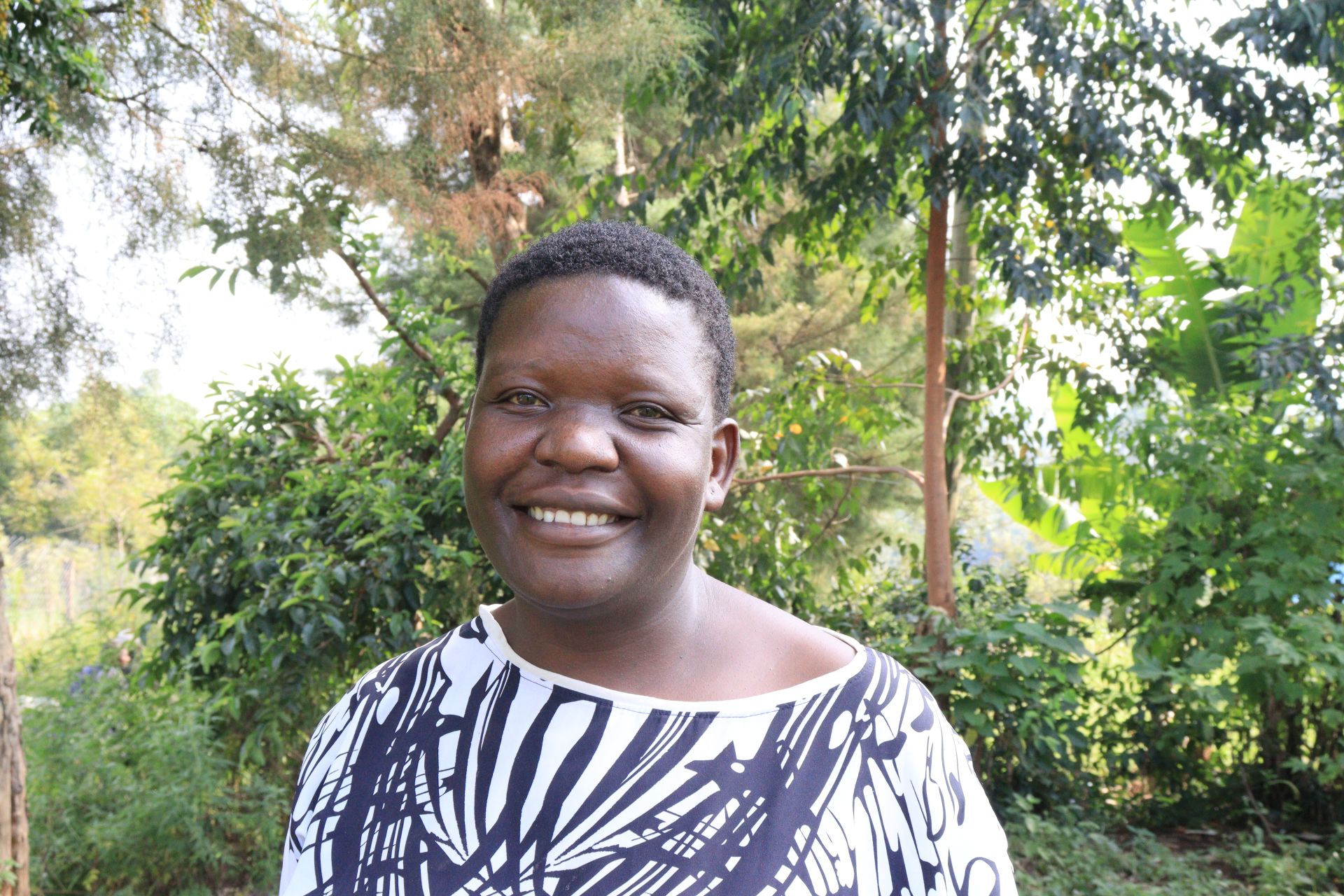
Ms. Juliet Mukweyu.
Juliet Mukweyu, a 35-year-old mother and housewife, is frustrated with the water situation and wasting her family's resources on repairs that do not work.
"Water is life because everything in our household depends on it. It is necessary for drinking, preparing food, maintaining hygiene, and caring for our children. Having safe water nearby makes life healthier and easier for everyone," she said.
"I feel sad and discouraged when the well breaks down. The money we contributed for repairs affected our family finances because we had to use funds that would normally cover household needs. It was disappointing that, despite spending KSh 7,000 (54 USD), the borehole remained non-functional," Juliet lamented.
That amount of money is significant for Juliet's family and could definitely be used in other, more impactful ways.

Juliet collects water at the spring.
Because the well is not functioning, community members must find water elsewhere. The source most relied upon is the community spring, but it presents unique challenges of its own.
Terry explained, "The protected spring is located on steep and sloping terrain, making it difficult to reach, particularly for elderly people and young children. The challenging terrain makes water collection physically demanding and increases the risk of slips and falls, especially during the rainy season."

Carrying water home up the steep incline is exhausting work.
"The difficult access to the spring also means that people spend more time and effort collecting water, particularly elderly people and young children. These challenges reduce the time available for productive activities, increase physical strain, and make it difficult for families to access a reliable supply of safe water," she continued.
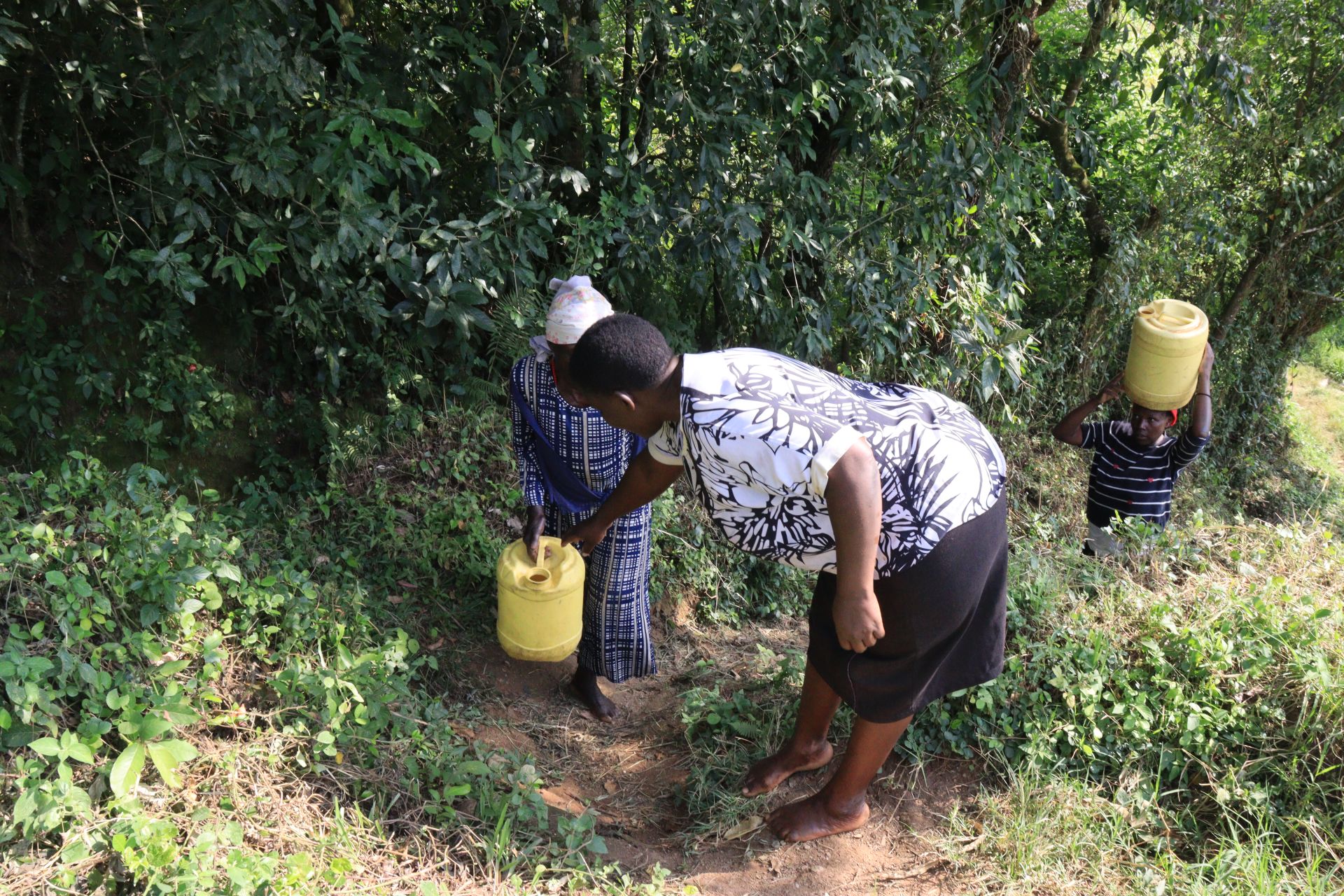
Juliet helps an elderly community member make it up the steep hill.
Terry made it clear why we need to step in at this point. "After nearly two years of unsuccessful repair attempts, it is clear that the borehole requires professional rehabilitation to restore a reliable and sustainable water supply."
Steps Toward a Solution
Our technical experts worked with the local community to identify the most effective solution to their water crisis. Together, they agreed to adopt a well previously drilled by another organization that is no longer actively maintained.
Adopted Well: Ensuring Lasting Reliability
This adoption program protects and strengthens access to clean water by identifying boreholes installed by other organizations and adopting them into The Water Project’s proven monitoring and maintenance systems. This cost-effective approach reduces downtime, prevents waterborne illness, safeguards health and livelihoods, and advances long-term regional water coverage.
Before use, the well will be thoroughly vetted and repaired to meet our established standards. From there, we keep the system safe and dependable through quarterly monitoring and prompt attention to any maintenance needs — minimizing the risk of unexpected breakdowns. Water quality testing is conducted twice a year to ensure the supply remains healthy for the entire community. All of these services are covered by an affordable annual fee, with no additional costs at the time of repairs.
Community Education
Hygiene and sanitation training are integral to our water projects. Training is tailored to each community's specific needs and includes key topics such as proper water handling, improved hygiene practices, disease transmission prevention, and care of the new water point. Safe water and improved hygiene habits foster a healthier future for everyone in the community. Encouraged and supported by the guidance of our team, a water user committee representative of the community's diverse members assumes responsibility for maintaining the water point, often gathering fees to ensure its upkeep.