 Borehole Well and Hand Pump
 Rehabilitation Project








The 300 community members of Emulomonye Community rely on a well installed by the government in 2014, when it functions. Sadly, people often face periods without access to the well's water because it has not been properly maintained for several years and frequently breaks down, sometimes for up to a month at a time. The last time it broke down, the community went without water for six weeks, leaving them scrambling and forcing them to find water in other, riskier locations.
The responsibility of maintaining the well and finding the resources and expertise to fix it when it breaks down has weighed heavily on the community. Over the years, they have done what they can to keep it functional, but without expertise and resources, it has been a losing battle.
After witnessing the community's struggle, one village elder approached us to help find a solution for their water crisis. Adopting their well and ensuring access to reliable, clean water will provide a more secure future for the community members of Emulomonye, enabling them to thrive rather than just survive.
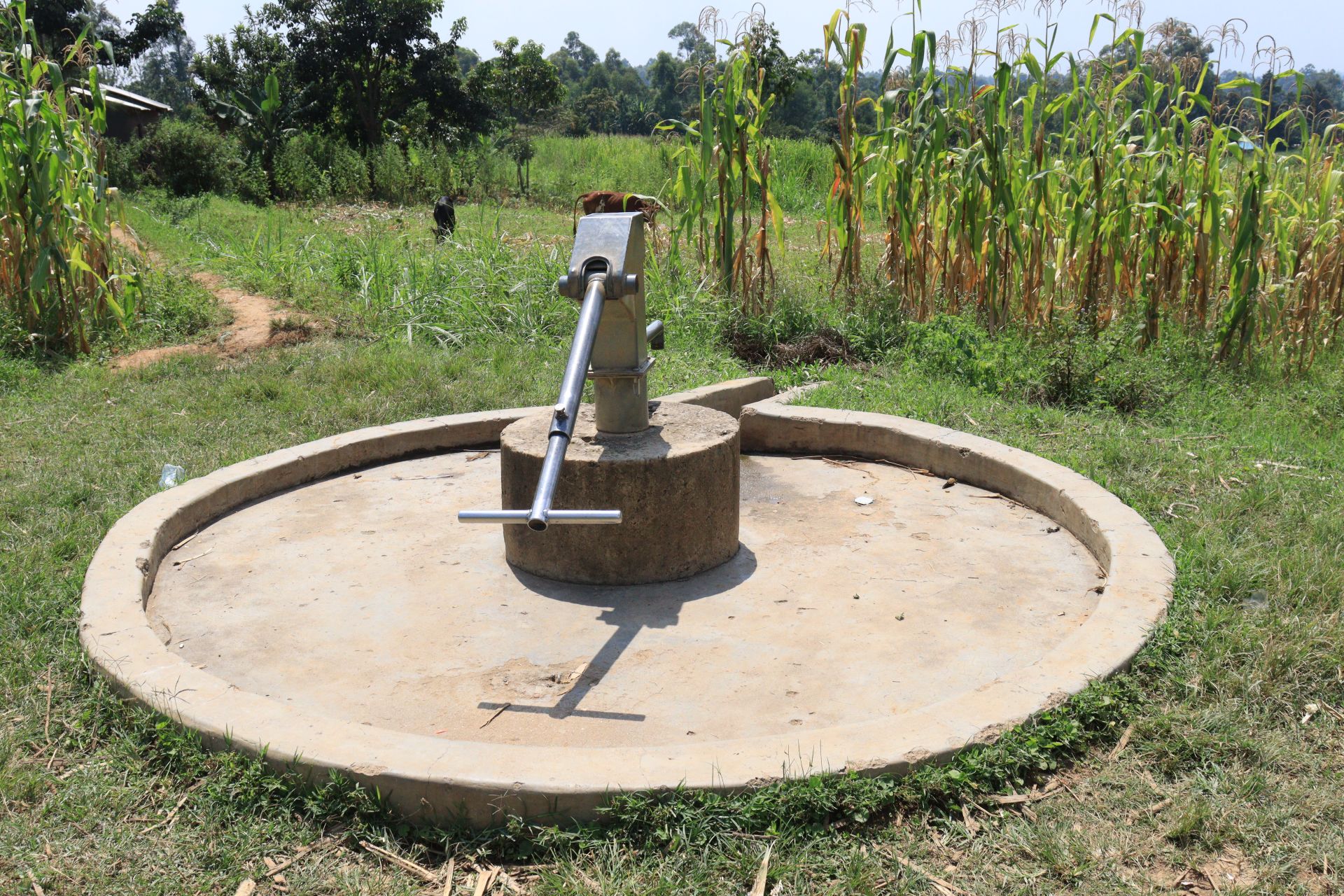
The well that needs attention.
When the well is inoperable, people in the community must rely on seasonal rainwater or collect water from the local stream or community spring, which puts everyone's health at risk.
"Most people scoop water from this stream during the dry seasons, and their water pump has broken down. Though it is flowing and appears clean, there are a lot of toads and other living creatures in the stream, which are potential contaminants of the water source," reported Field Officer Terry Fanice. "The health impacts that are mostly reported in this community are diarrhea, vomiting, and stomach aches due to the consumption."
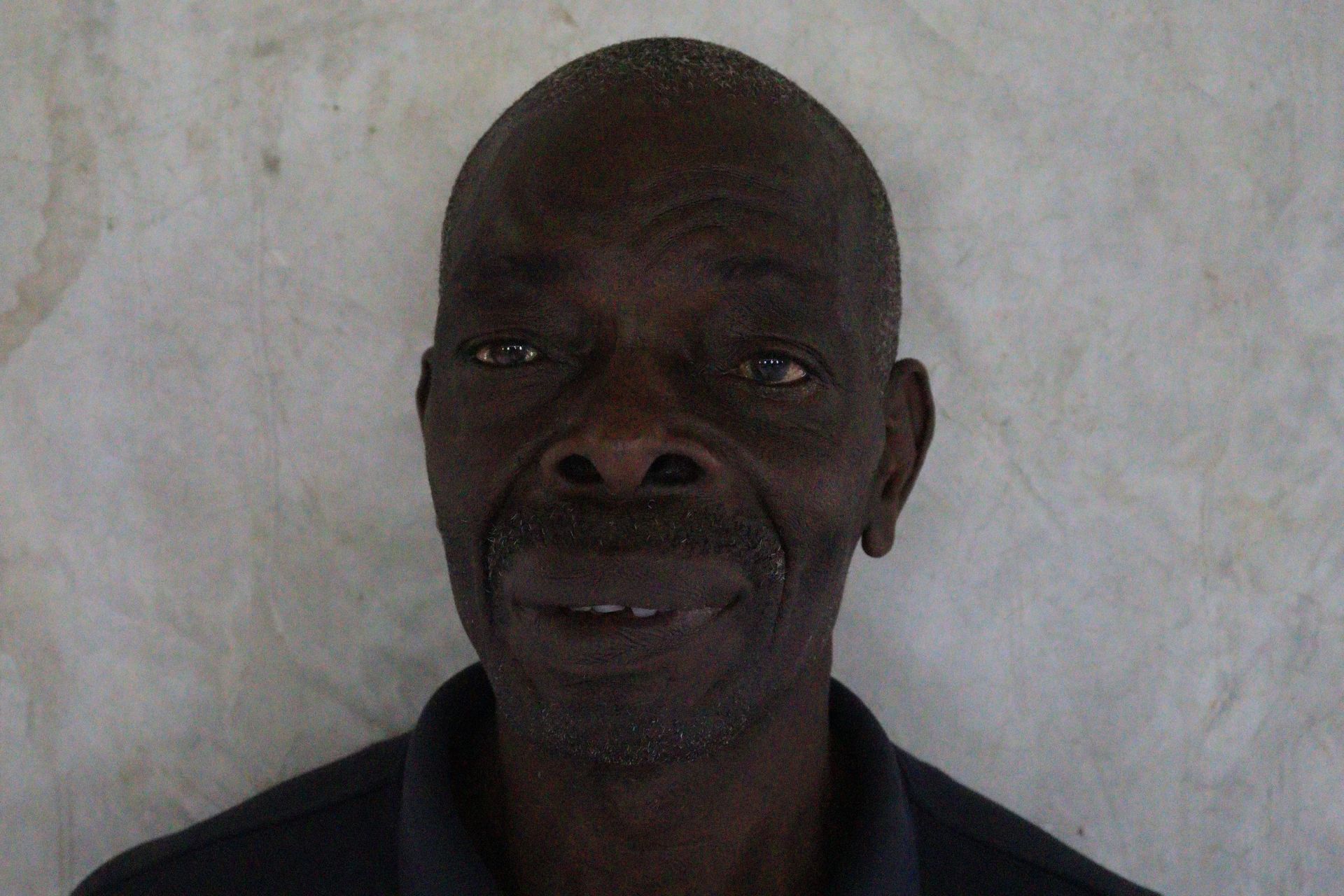
Mr. Wanga.
William Wanga, a 73-year-old farmer in the community, is familiar with the high price of drinking contaminated water.
"My two-year-old child suffered diarrhea last month. We almost lost her, but God was faithful. She was treated and felt better. The incident was so hurtful because the baby kept crying, yet we could not do anything. The baby was treated in our nearby dispensary. The treatment was not only costly financially, but it also drained our energy, and we could not sleep the entire time because of discomfort," William recalled.

The alternative water source - the community spring.
"Drinking water that harms me or any member of my family is not fun. I wish there was something I could do, but my hands are tied as the provider of my family. I feel frustrated. The hustle of looking for water that you are not sure of its quality really scares me," he continued.
Physical illness is not the only cost. When community members like William are forced to spend their time and resources recovering from preventable water-related illnesses, their families' well-being and livelihoods pay the price as well.

Mr. Wanga transports water.
"While our child was sick, we spent three weeks in the hospital, and we found our crops on the farm had spoiled," William lamented. The future is uncertain for William and his family now that their crops have failed - it is a scary prospect.
He needs a reliable water source near his home so he can save time and energy for other valuable tasks, such as caring for his family and earning an income.
William has dreams for the future, and right now, water is the only thing standing in his way.
"I would like to expand my farm and introduce vegetables because there is a ready market. Water reliability will enable me to practice irrigation and produce vegetables during the dry seasons as well," said William.
Steps Toward a Solution
Our technical experts worked with the local community to identify the most effective solution to their water crisis. Together, they agreed to adopt a well previously drilled by another organization that is no longer actively maintained.
Adopted Well: Ensuring Lasting Reliability
This adoption program protects and strengthens access to clean water by identifying boreholes installed by other organizations and adopting them into The Water Project’s proven monitoring and maintenance systems. This cost-effective approach reduces downtime, prevents waterborne illness, safeguards health and livelihoods, and advances long-term regional water coverage.
Before use, the well will be thoroughly vetted and repaired to meet our established standards. From there, we keep the system safe and dependable through quarterly monitoring and prompt attention to any maintenance needs — minimizing the risk of unexpected breakdowns. Water quality testing is conducted twice a year to ensure the supply remains healthy for the entire community. All of these services are covered by an affordable annual fee, with no additional costs at the time of repairs.
Community Education
Hygiene and sanitation training are integral to our water projects. Training is tailored to each community's specific needs and includes key topics such as proper water handling, improved hygiene practices, disease transmission prevention, and care of the new water point. Safe water and improved hygiene habits foster a healthier future for everyone in the community. Encouraged and supported by the guidance of our team, a water user committee representative of the community's diverse members assumes responsibility for maintaining the water point, often gathering fees to ensure its upkeep.