 Borehole Well and Hand Pump
 Rehabilitation Project








The 280 community members of the Mundutsu Community rely on a nearby well that was installed by the government in 2015. However, people collecting water here face challenges because the well has not been properly maintained for several years and frequently breaks down, sometimes for up to a month at a time, forcing them to find water in other, more risky locations.
The heavy responsibility of maintaining the well and finding the resources and expertise to fix it when it breaks down has weighed heavily on the community. It's a constant source of worry for those who need a reliable, safe water supply nearby to make daily progress in their lives.

The well that needs adoption.
When the well is broken, community members must travel nearly an hour to a spring to collect water. The trip is long and exhausting, especially for water that is questionable to consume.
"When the water system does not function properly, community members report feeling frustrated, worried, and stressed. Many are concerned about the health and safety of their families due to the lack of access to safe water. Women and children often feel burdened because they must spend additional time and effort searching for alternative water sources. The situation also creates anxiety about household needs, sanitation, school attendance, and livelihood activities that depend on a reliable water supply," shared Field Officer Terry Fanice.
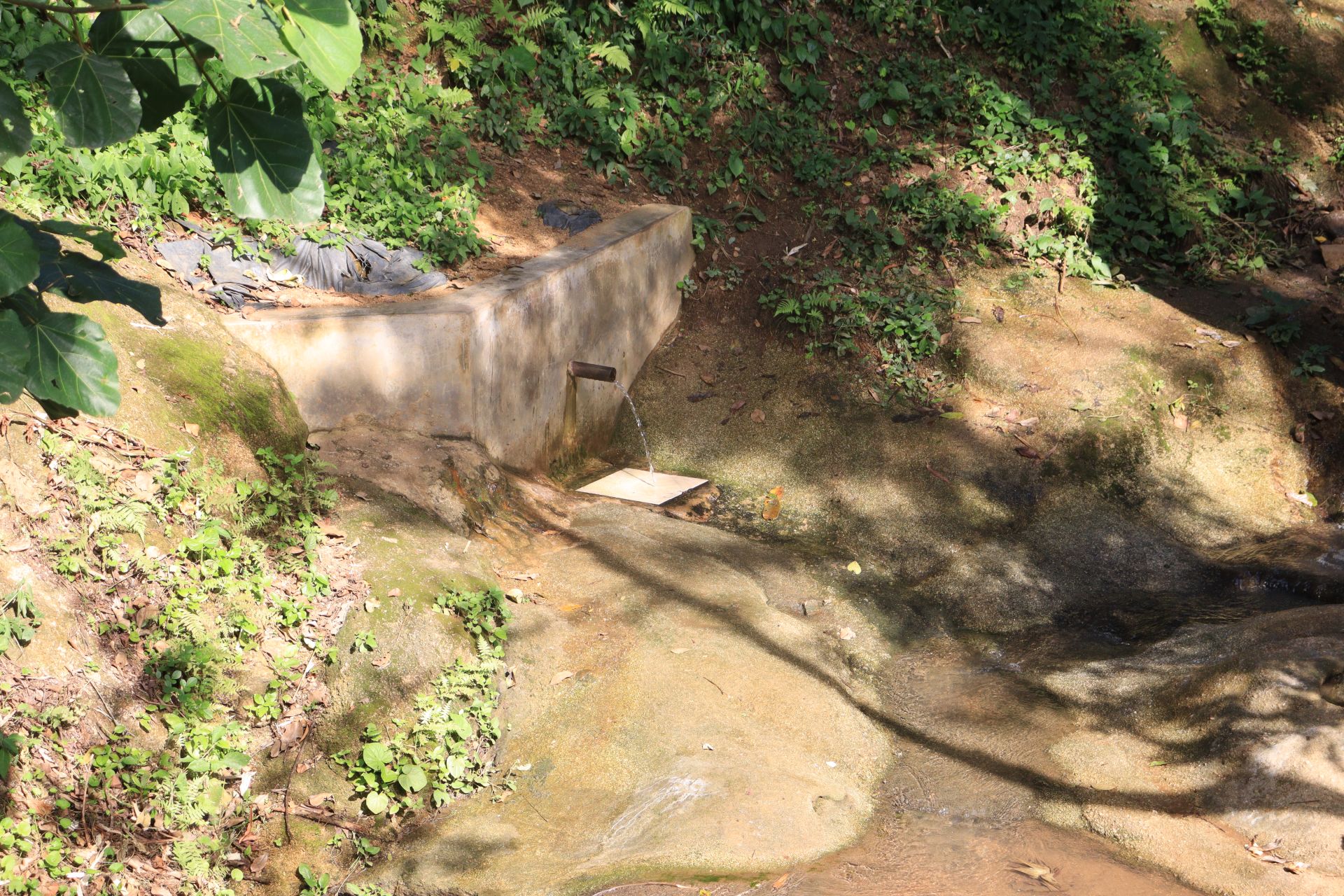
The spring.
"Community members report experiencing water-related illnesses associated with the use of unsafe water sources. Commonly reported health impacts include diarrhea, typhoid, stomach infections, dysentery, and other gastrointestinal diseases. Children are particularly vulnerable, resulting in school absenteeism and increased healthcare costs for families. Community members expressed concerns that the quality of available water poses ongoing health risks and negatively affects their overall well-being," Terry continued.
"In addition to the health risks associated with unsafe water, the community experiences several other negative consequences from relying on surface water sources. Households spend a significant amount of time collecting water, reducing the time available for income-generating activities, education, and household responsibilities. Women and children bear most of the burden of water collection and often have to travel long distances carrying heavy containers. During dry periods, water shortages become more severe, leading to conflicts over limited water resources. The use of unsafe and unreliable water sources also increases household expenditure on medical treatment and negatively affects the overall quality of life within the community," she concluded.
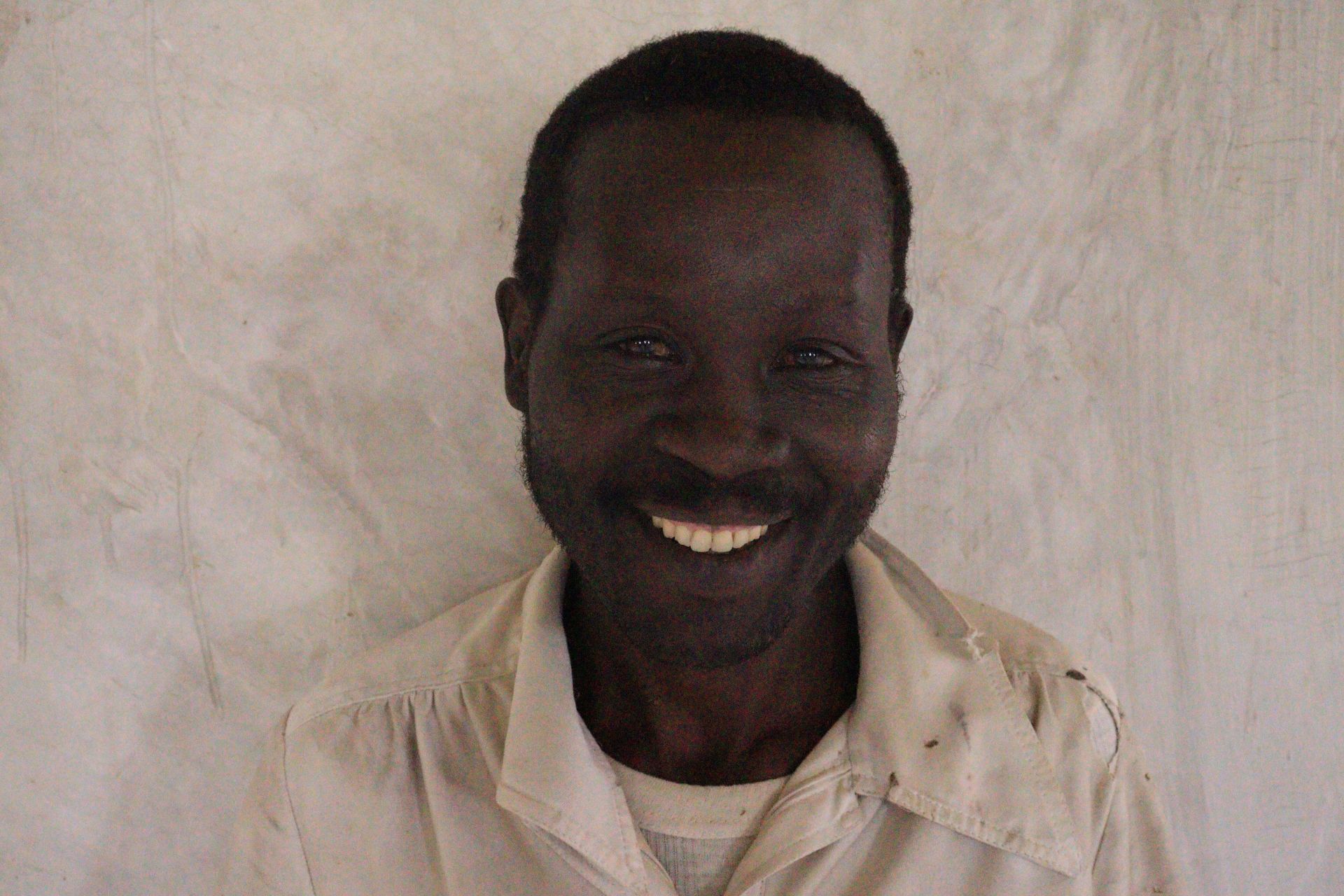
Mr. Simon Onyo.
Community member Simon Onyo, a 40-year-old driver, is familiar with the struggle.
"A recent instance involved a family member who developed severe diarrhea and stomach pains after drinking water from an unsafe source when the usual water supply was unavailable. The illness resulted in weakness, dehydration, and several days of missed work and school. The family incurred medical expenses for treatment and transportation to a health facility. The experience was stressful and highlighted the importance of having consistent access to safe, clean drinking water to prevent waterborne diseases and protect the health of community members," Mr. Onyo shared.
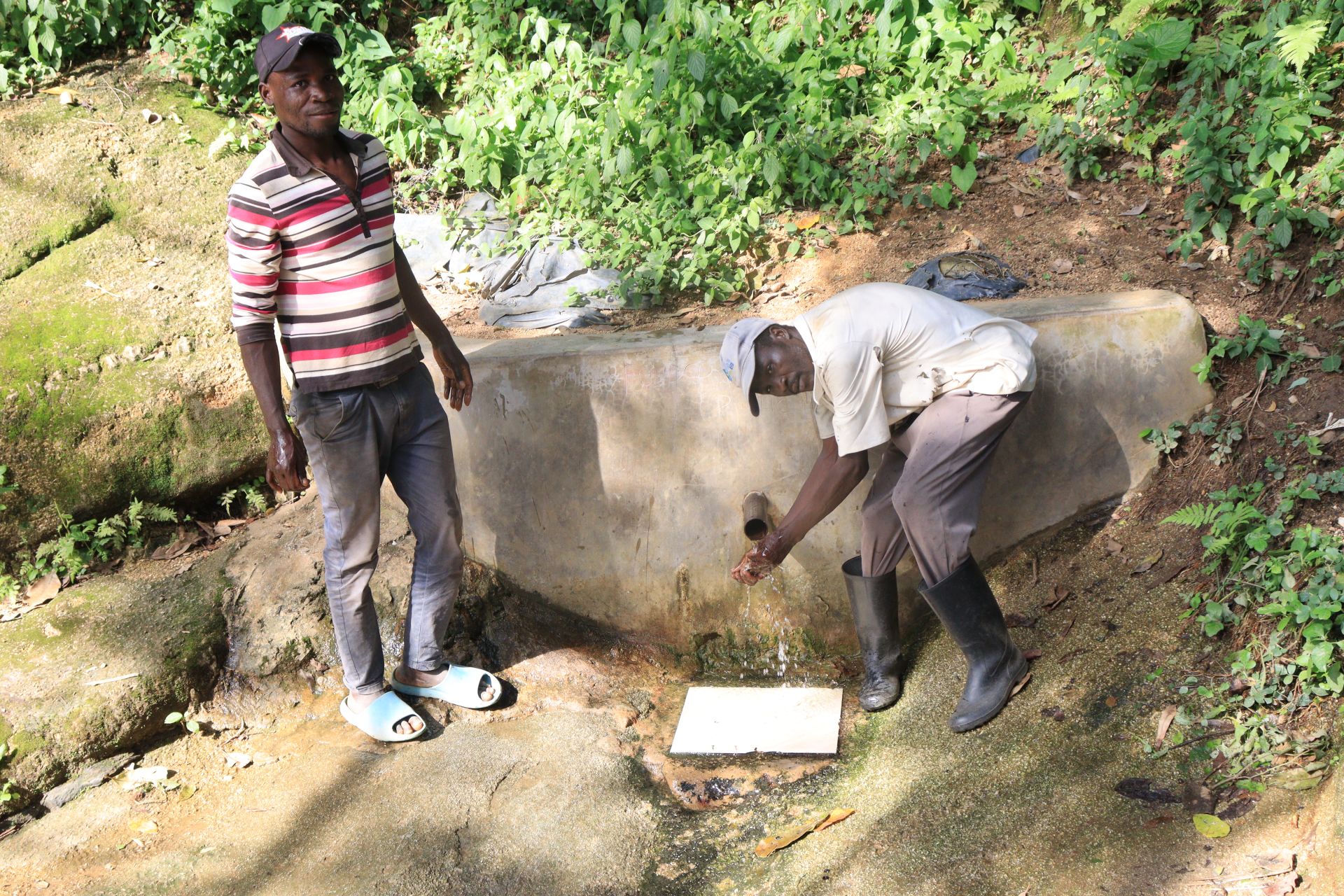
Simon (right) at the spring.
"Drinking water that harms my family is deeply concerning and distressing. Water is essential for life and should improve our health, not put it at risk. When the available water is unsafe, it creates fear and uncertainty because family members may become sick from diseases that could be prevented with access to clean water. It also leads to additional expenses for medical treatment and affects our overall quality of life," Simon said.
"Every family deserves access to safe and reliable drinking water that protects their health and well-being," he concluded.
We wholeheartedly agree with Simon, which is why we plan to intervene in this community and set a different course for the future.
Steps Toward a Solution
Our technical experts worked with the local community to identify the most effective solution to their water crisis. Together, they agreed to adopt a well previously drilled by another organization that is no longer actively maintained.
Adopted Well: Ensuring Lasting Reliability
This adoption program protects and strengthens access to clean water by identifying boreholes installed by other organizations and adopting them into The Water Project’s proven monitoring and maintenance systems. This cost-effective approach reduces downtime, prevents waterborne illness, safeguards health and livelihoods, and advances long-term regional water coverage.
Before use, the well will be thoroughly vetted and repaired to meet our established standards. From there, we keep the system safe and dependable through quarterly monitoring and prompt attention to any maintenance needs — minimizing the risk of unexpected breakdowns. Water quality testing is conducted twice a year to ensure the supply remains healthy for the entire community. All of these services are covered by an affordable annual fee, with no additional costs at the time of repairs.
Community Education
Hygiene and sanitation training are integral to our water projects. Training is tailored to each community's specific needs and includes key topics such as proper water handling, improved hygiene practices, disease transmission prevention, and care of the new water point. Safe water and improved hygiene habits foster a healthier future for everyone in the community. Encouraged and supported by the guidance of our team, a water user committee representative of the community's diverse members assumes responsibility for maintaining the water point, often gathering fees to ensure its upkeep.