 Borehole Well and Hand Pump
 Rehabilitation Project

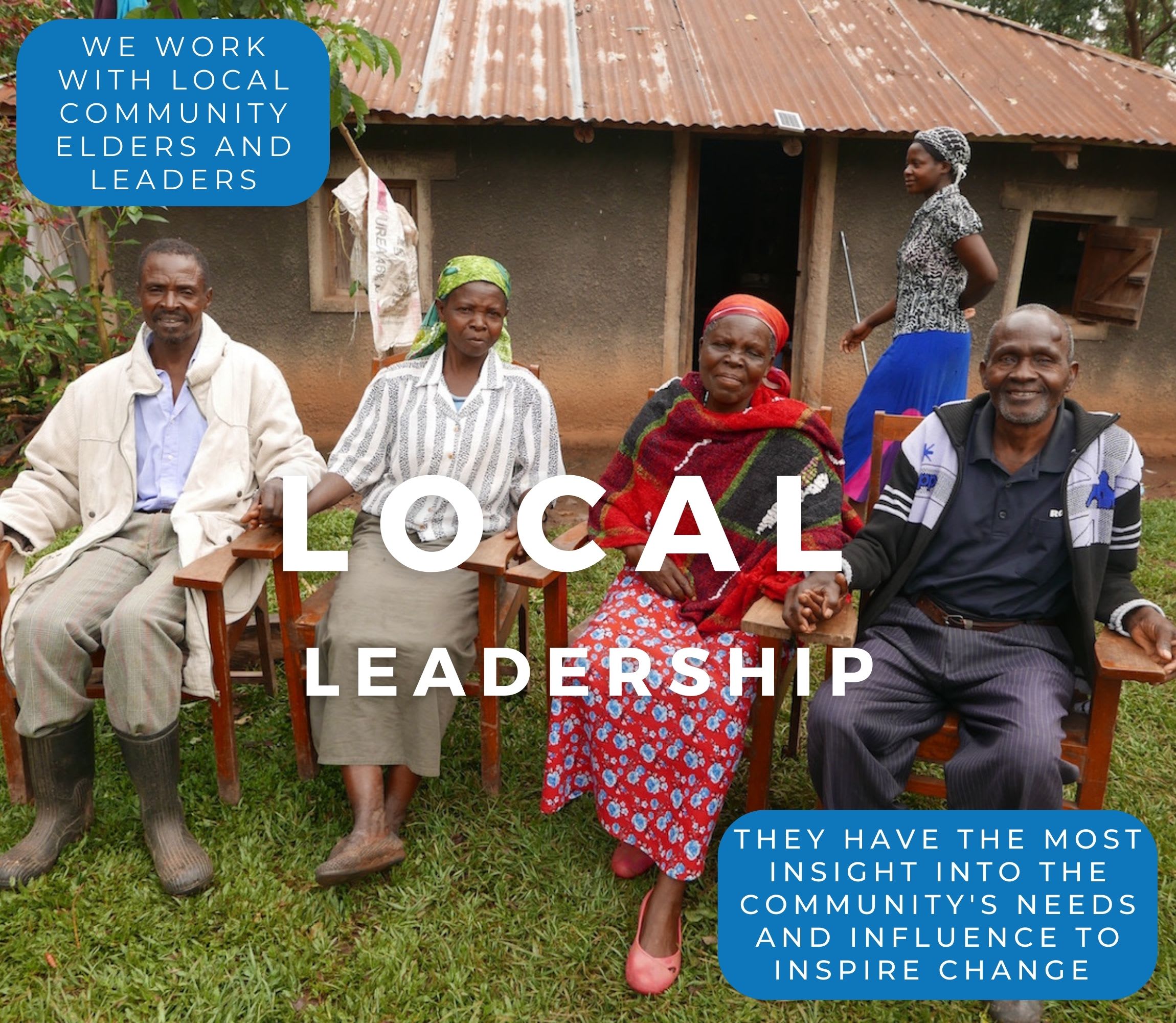







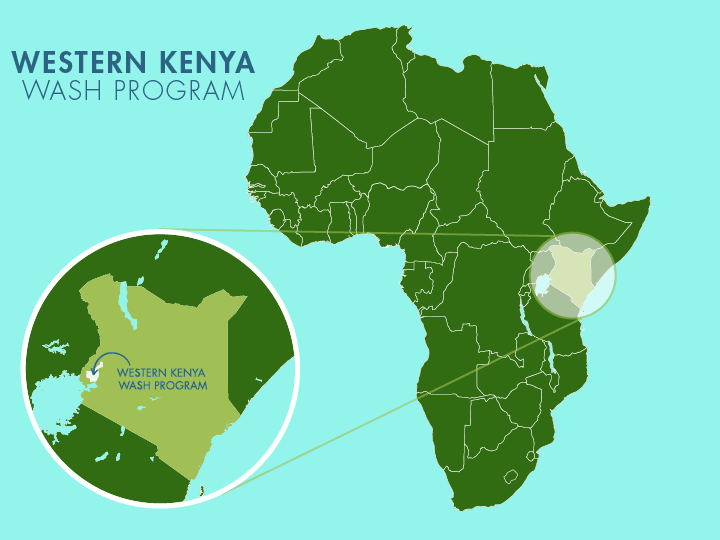
The 300 community members who call Emusaka Community home rely on a nearby well that was installed in 1984 by another organization. But for community members, collecting water here poses challenges because it has not been properly maintained for several years and frequently breaks down, forcing them to seek water elsewhere.
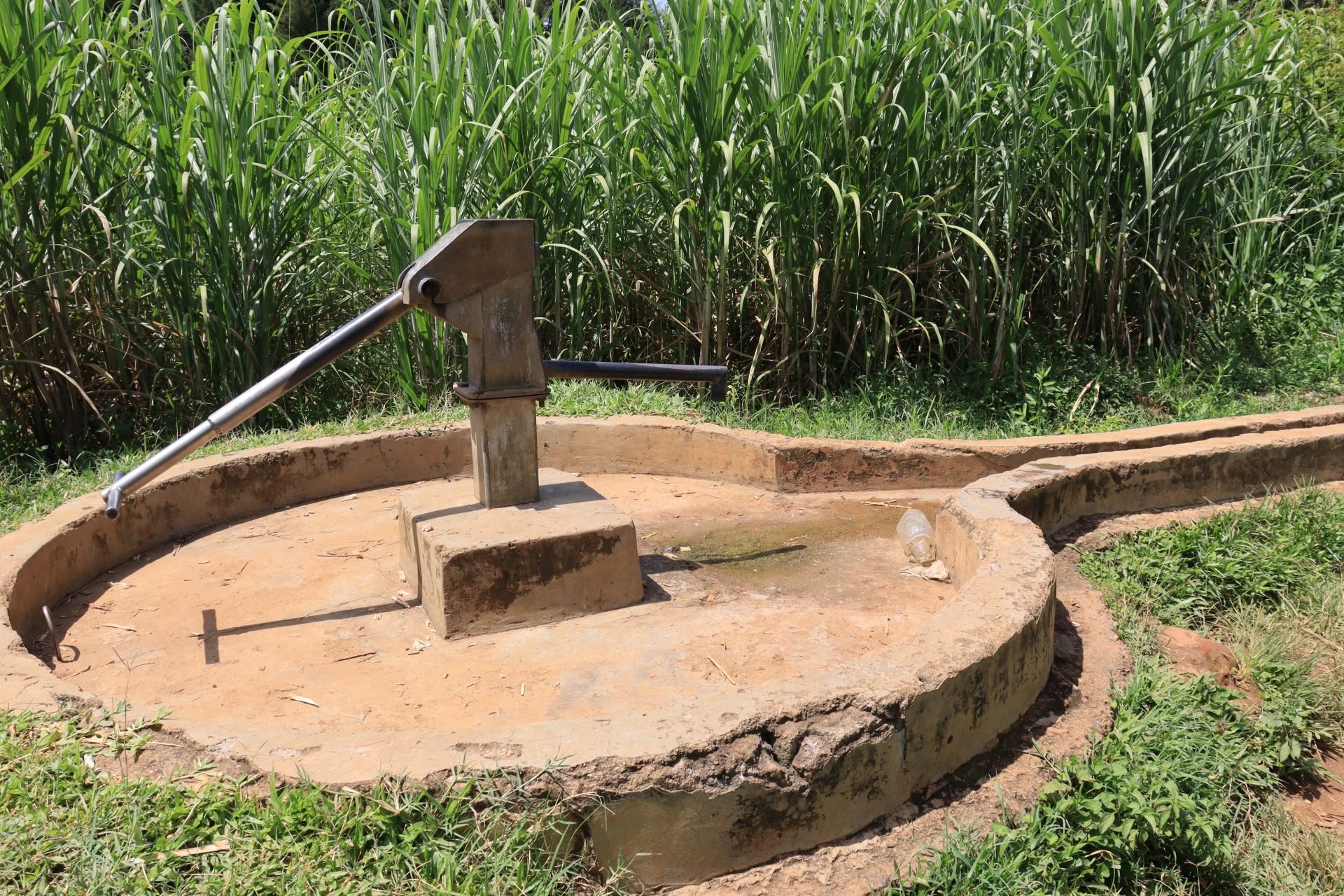
The well in need of adoption.
The heavy responsibility of maintaining the well has weighed on the community. When the well fails, it often remains unused and unrepaired because the resources to fix it are unavailable. It has been a financial burden on the community, where many struggle to survive day to day. It's a constant source of worry for those who need a reliable, safe water supply nearby to make daily progress in their lives.
Their only alternatives when the well is non-functional are a dug well in the community, rainwater, or collecting water from open sources wherever they can find it.

A community member works to collect water from the dug well.
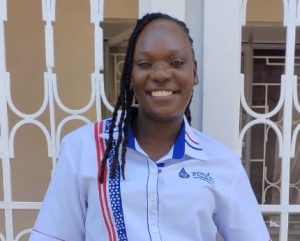
Field Officer Terry Fanice reported what she saw at the dug well: "The area around this hand-dug well is clean; however, there is residue or large particles visible inside the well. The water appears clean, but the water users have reported that sometimes it smells and tastes weird." Consuming the water it provides is risky, as it is likely contaminated for at least part of the year, but people often feel they have no choice.
When people attempt to collect rainwater instead, they understand it is not a long-term solution, as it depends on the rainy season. Sadly, it also poses contamination risks.
"Rainwater is the other source this community uses, and it is usually not clean, despite being seasonal. If used before treating it, people may fall ill," Terry continued.
Using water from open sources costs community members even more.
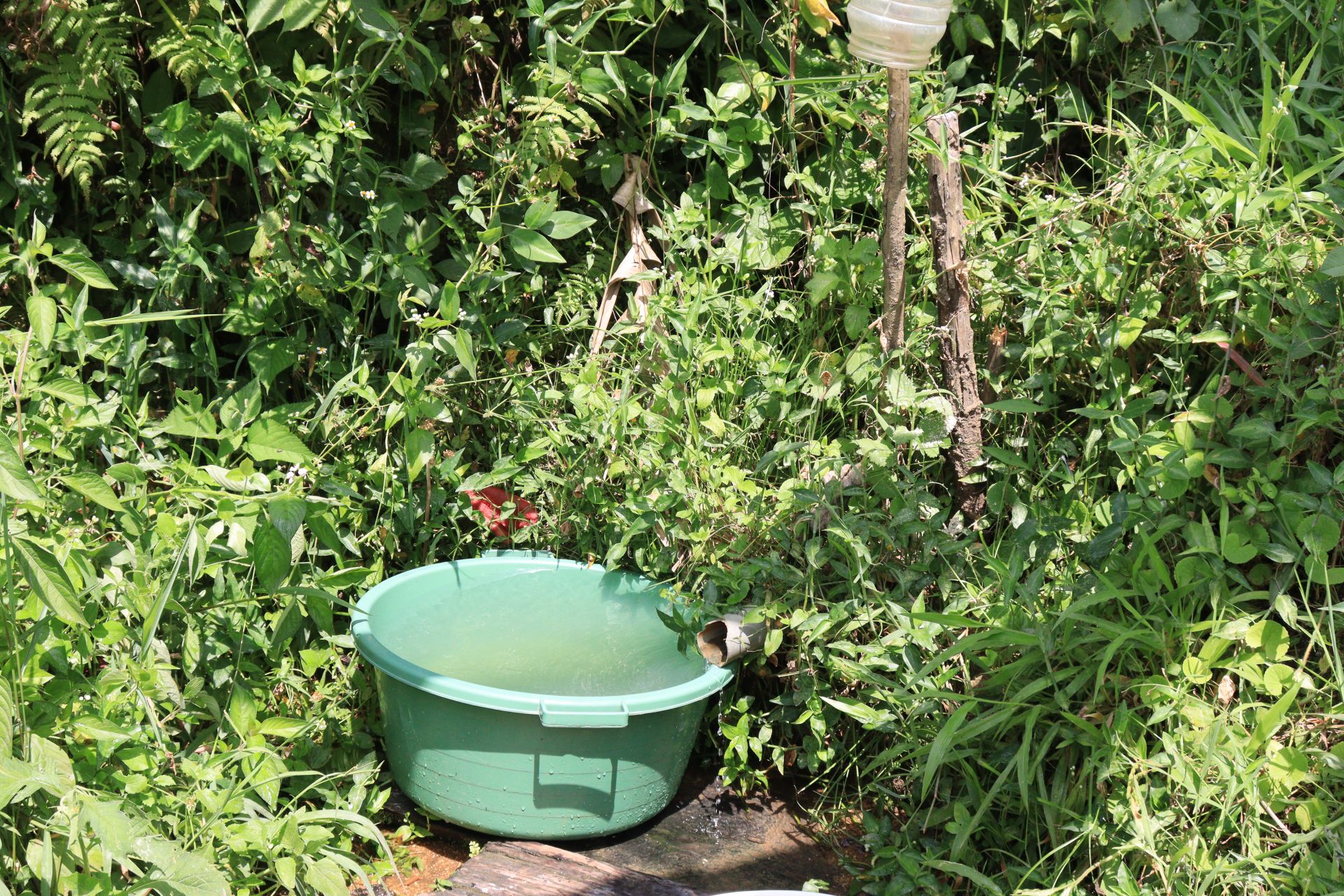
Water collected from open sources.
Regarding water collected from open sources, Terry shared, "Community members are forced to spend quite a large amount of money [to] buy firewood to boil water and to treat water-related illnesses at the hospital. Finally, over four hours per day are lost on water collection, reducing farm income while trapping families in poverty."
It is a disheartening experience that 44-year-old farmer and father Jared Tubei is familiar with.

"As a result of water-related illness, we miss work, our farms remain unattended, and crops get damaged. The cost of treatment is also high, and my children miss school sometimes," he said. "I feel bad, but we have no option but to use those sources when our borehole breaks down, and we do not have the ability to repair it on time."
"As a parent and a farmer, I feel stressed. Can you imagine a situation where you have crops on the farm, but you can't irrigate them, and there is no rain? The situation is difficult because it shows that you will suffer in the future," Mr. Tubei lamented. "When water is not available, it means hunger and malnutrition in this community. No matter how hard we work on our family farms without reliable water, we will still go hungry at the end of the day."
"Life has been so difficult, especially when the rain fails to come. Water is everything; there is nothing one can do without water," he continued.
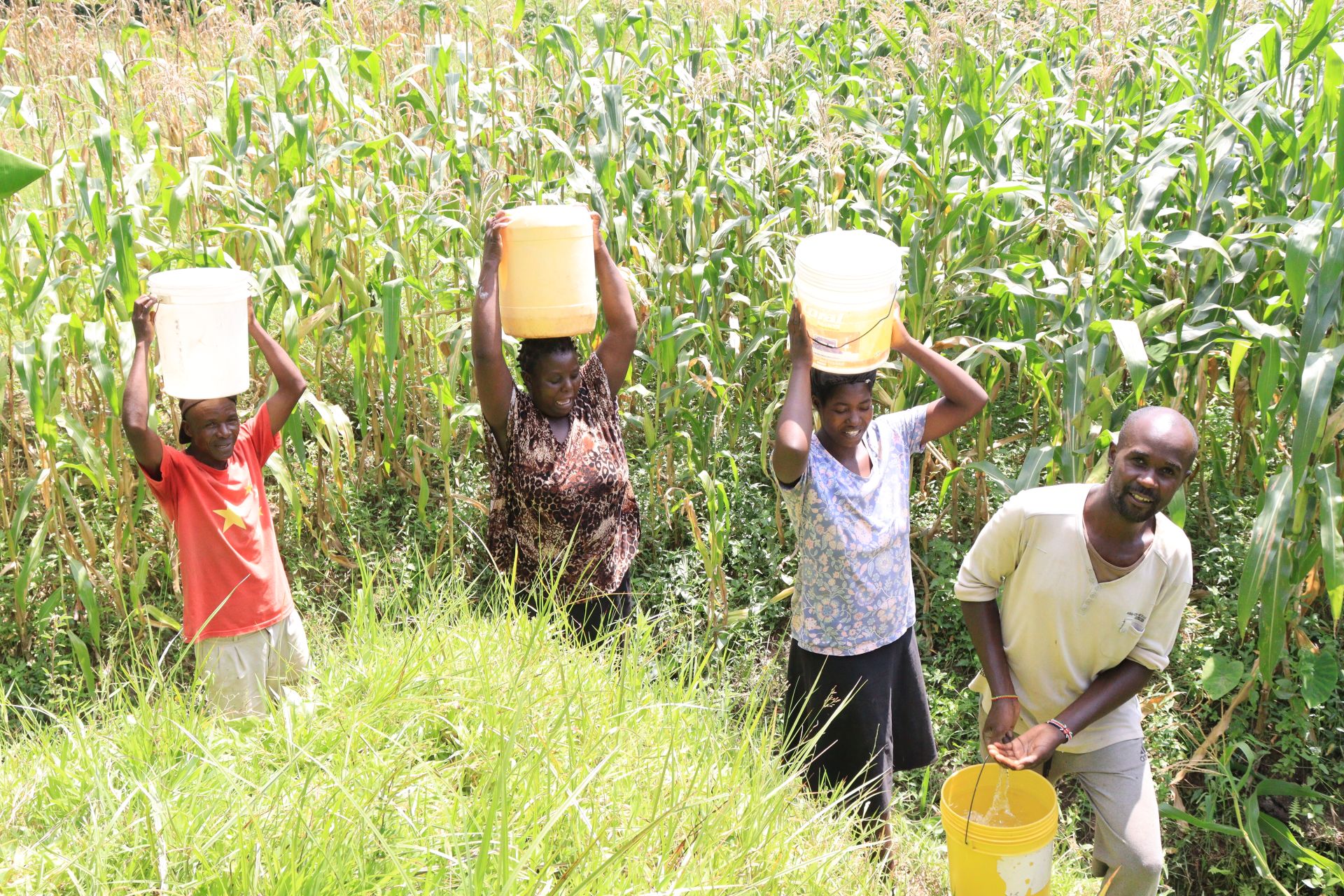
Community members walking to collect water.
During the most recent well breakdown, a month ago, which lasted for two weeks, Mr. Tubei did what he could by diverting money meant for fertilizing his crops to its repair.
"I used money that was set aside for fertilizer, so this season we planted without fertilizers," he recalled.
It is money he can not afford to lose, which has now put his livelihood at risk. Although he is doing all he can to remedy the problem, it is still not enough, as the community needs our help and expertise to repair the well so it can function in the long term. With access to clean, reliable water, stability will hopefully be restored for Jared, his family, and the rest of the community.
Steps Toward a Solution
Our technical experts worked with the local community to identify the most effective solution to their water crisis. Together, they agreed to adopt a well previously drilled by another organization that is no longer actively maintained.
Adopted Well: Ensuring Lasting Reliability
This adoption program protects and strengthens access to clean water by identifying boreholes installed by other organizations and adopting them into The Water Project’s proven monitoring and maintenance systems. This cost-effective approach reduces downtime, prevents waterborne illness, safeguards health and livelihoods, and advances long-term regional water coverage.
Before use, the well will be thoroughly vetted and repaired to meet our established standards. From there, we keep the system safe and dependable through quarterly monitoring and prompt attention to any maintenance needs — minimizing the risk of unexpected breakdowns. Water quality testing is conducted twice a year to ensure the supply remains healthy for the entire community. All of these services are covered by an affordable annual fee, with no additional costs at the time of repairs.
Community Education
Hygiene and sanitation training are integral to our water projects. Training is tailored to each community's specific needs and includes key topics such as proper water handling, improved hygiene practices, disease transmission prevention, and care of the new water point. Safe water and improved hygiene habits foster a healthier future for everyone in the community. Encouraged and supported by the guidance of our team, a water user committee representative of the community's diverse members assumes responsibility for maintaining the water point, often gathering fees to ensure its upkeep.
