 Borehole Well and Hand Pump
 Rehabilitation Project








All 210 community members in Ebuchira rely on a well installed by another organization in 1985. The well has not been properly maintained for several years and frequently breaks down.
The heavy responsibility of maintaining the well means people must pool their resources and try to find a solution. It has weighed heavily on the community. They do their best, but at times, nothing works. It's a constant source of worry for those who struggle to survive day to day. They need a reliable, safe water source to make daily progress in their lives.
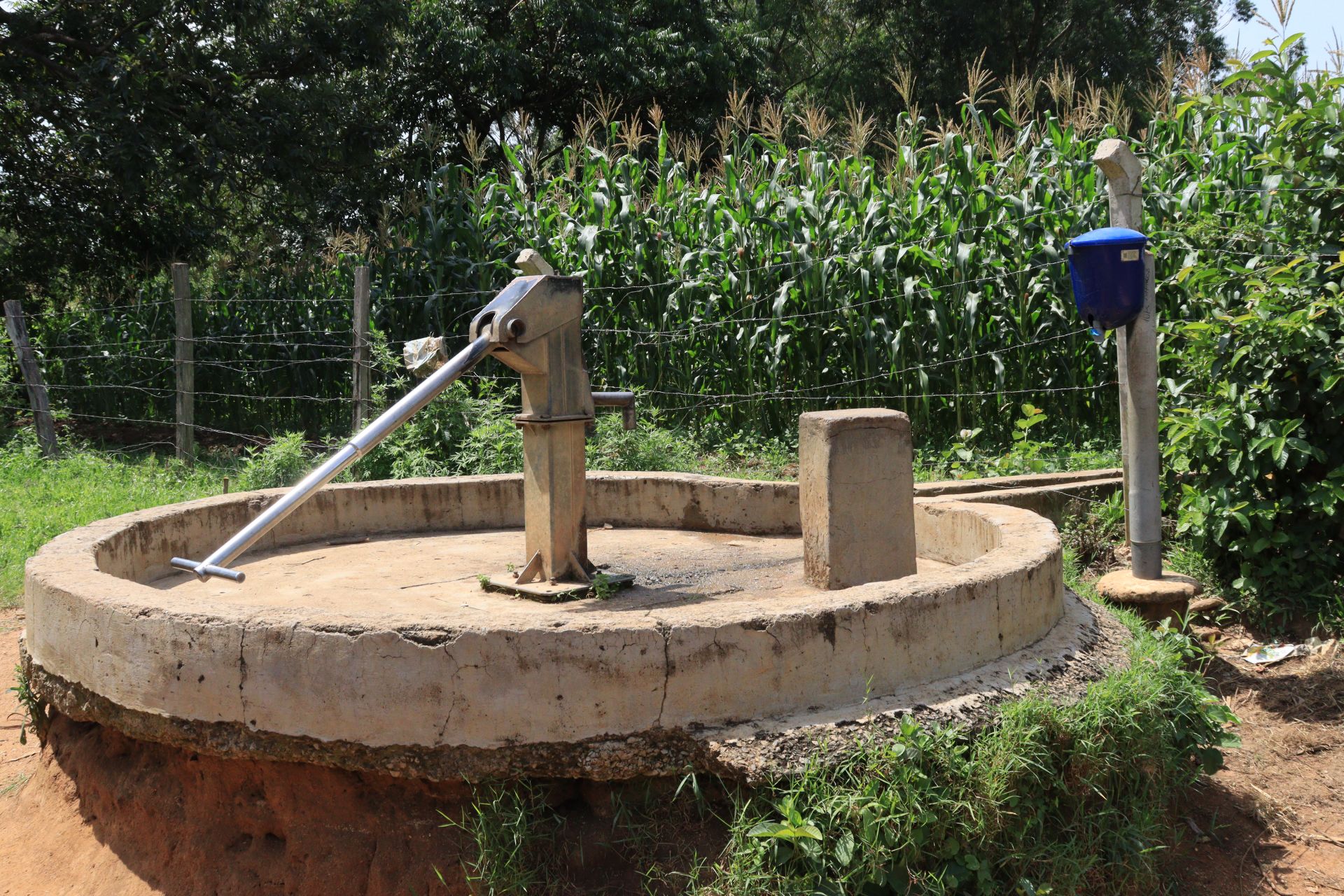
The well that needs attention.
When the well is broken down, as it had been for the last 86 days at the time of this report, community members must find whatever water they can.
"Most households collect and store rainwater using buckets, basins, and cooking pots because there are no adequate water storage tanks or proper gutter systems for harvesting rainwater. As a result, water collection is insufficient, and a significant amount of rainwater is lost," shared Field Officer Terry Fanice as she described the community's struggle.
They try to collect rainwater, but when it is not raining, like it hadn't for the past five days at the time of this report, then they must resort to other options.
"They must then travel to a local swamp or spring for the water they need," Terry noted.

"Residents indicated that reliance on unsafe water sources has contributed to incidences of waterborne diseases such as typhoid, diarrhea, and stomach infections. Community members noted that the quality of available water often deteriorates during the rainy season due to runoffs and contamination," Terry continued.
But Terry noticed that, when she spoke to community members, health concerns were not the only issue.

The stream.
"Reliance on the stream creates several challenges beyond water quality concerns. Residents often travel long distances to collect water, resulting in lost time and increased physical strain. During the dry season, water levels decline, leading to congestion and competition among users. The unreliable nature of the source also affects small-scale economic activities and agricultural production that depend on water availability," she said.
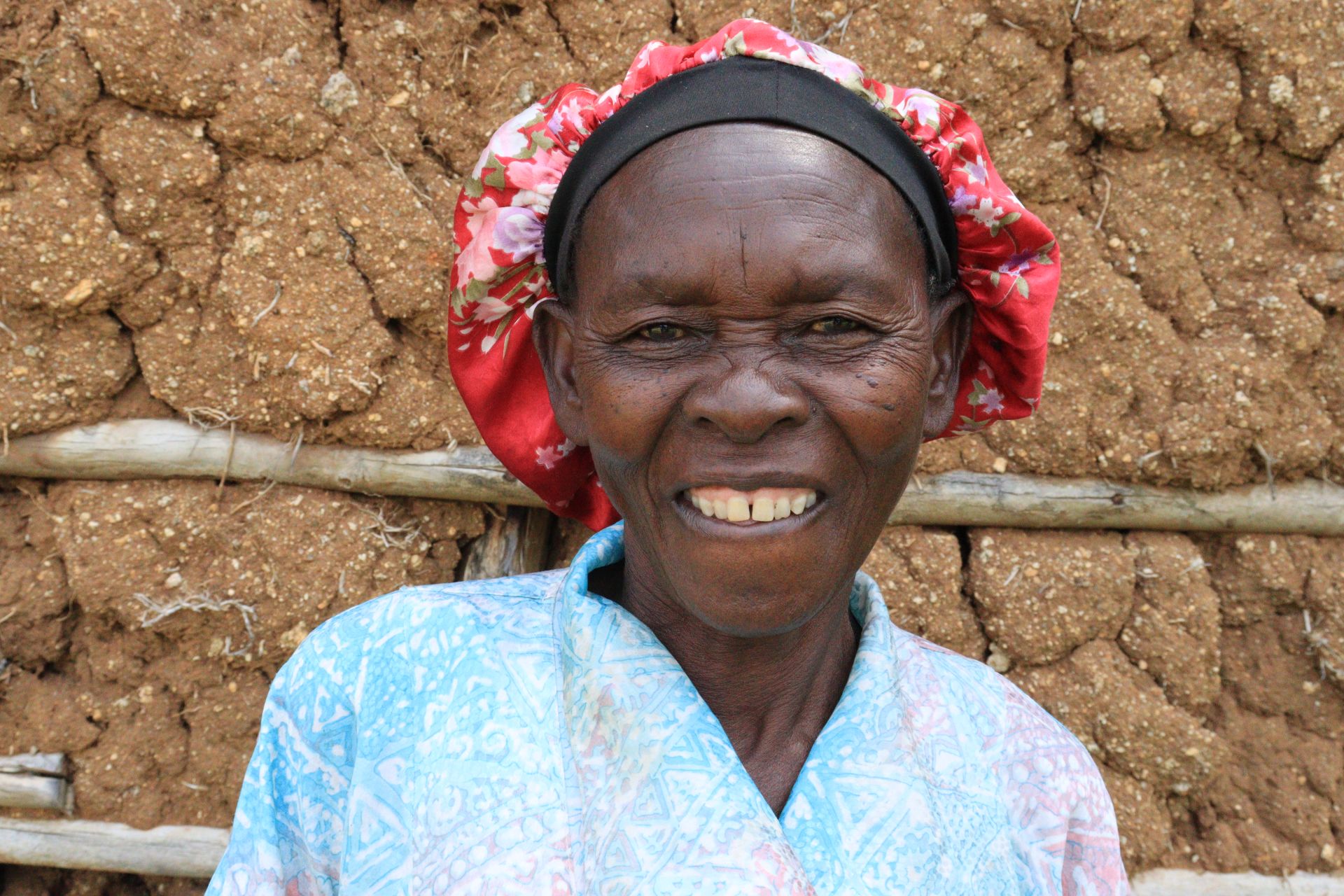
Ms. Josena Otemsi.
Josena Otemsi, 71, struggles to stay positive about the water situation in her community. Her family strives to collect enough water when the well is out of service, making up to three trips a day, but it is a frustrating, overwhelming task, especially when they know the water they are working so hard to collect may very well make their families ill.
"I feel discouraged because the lack of water disrupts everything we plan to do during the day. It is painful to see my family struggle to access such a basic necessity," Ms. Otemsi said. "Paying for repairs affected our household budget, forcing us to postpone some planned experiences. Even though the contributions were small, they were significant for families with limited income."
"Water is one of our most basic needs. It allows us to prepare food hygienically, care for our children, and support our farming activities. Life becomes very difficult when clean water is not available," she lamented.
"I hope people understand that water insecurity is a daily struggle," Josena bravely shared. "Depending on a stream means constantly worrying about whether the water is safe and whether there will be enough for everyone's needs."
Josena is very clear on what having access to clean water would mean for her and her community.

"If the well were reliable, our community would have a dependable source of clean water, reducing our dependence on the stream. It would improve our health, save time, and make daily life much easier. A reliable water supply would enable us to maintain better hygiene, stay healthy, and dedicate more time to productive activities instead of searching for water," she said.
She's already dreaming of the day clean water returns.
"I plan to increase agricultural production and improve my family's livelihood!" Josena declared.
Steps Toward a Solution
Our technical experts worked with the local community to identify the most effective solution to their water crisis. Together, they agreed to adopt a well previously drilled by another organization that is no longer actively maintained.
Adopted Well: Ensuring Lasting Reliability
This adoption program protects and strengthens access to clean water by identifying boreholes installed by other organizations and adopting them into The Water Project’s proven monitoring and maintenance systems. This cost-effective approach reduces downtime, prevents waterborne illness, safeguards health and livelihoods, and advances long-term regional water coverage.
Before use, the well will be thoroughly vetted and repaired to meet our established standards. From there, we keep the system safe and dependable through quarterly monitoring and prompt attention to any maintenance needs — minimizing the risk of unexpected breakdowns. Water quality testing is conducted twice a year to ensure the supply remains healthy for the entire community. All of these services are covered by an affordable annual fee, with no additional costs at the time of repairs.
Community Education
Hygiene and sanitation training are integral to our water projects. Training is tailored to each community's specific needs and includes key topics such as proper water handling, improved hygiene practices, disease transmission prevention, and care of the new water point. Safe water and improved hygiene habits foster a healthier future for everyone in the community. Encouraged and supported by the guidance of our team, a water user committee representative of the community's diverse members assumes responsibility for maintaining the water point, often gathering fees to ensure its upkeep.