 Borehole Well and Hand Pump
 Rehabilitation Project








The 624 students and teachers at Isongo Primary School depend on a single well that was installed in 1984 as their primary source of water. But after years of neglect, the well has become increasingly unreliable, leaving the school in a constant state of uncertainty.
Each breakdown creates a crisis. With no dedicated funding or technical support to maintain the well, or the expertise to fix it when it breaks down, everyone at the school suffers. At least five times in recent years, valuable resources that should have been funneled to ensure students receive a quality education have been diverted to restore water.
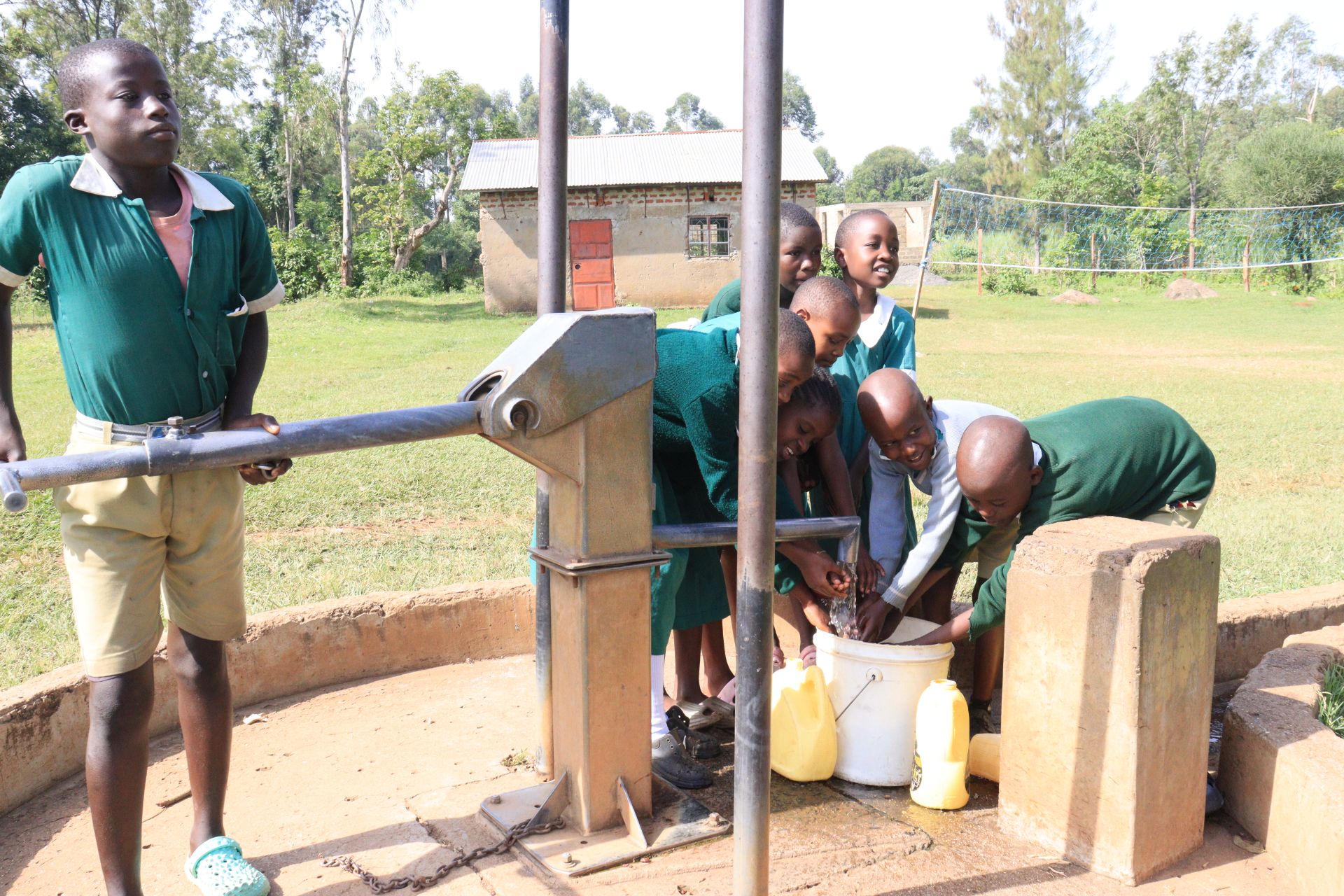
Students at the well that needs to be adopted to ensure its long-term reliability.
It has been a financial burden and a constant source of worry for administrators and students alike. What should be a basic necessity has become an ongoing financial strain, a source of anxiety, and a persistent distraction from the school’s mission of educating its children.

When the well is broken down, the school must rely on piped water on the school grounds, which is inconsistent. It often does not work, and when it does, the cost of water piped in by the municipal system is high, diverting resources needed for education services.

Most often, students are forced to leave the school campus to make a dangerous trip to collect water from the community spring, which is itself in poor condition. It is a lose-lose situation that puts everyone at risk.
"The unprotected spring used as an alternative water source is located a considerable distance from the school. Pupils must cross a busy road with heavy traffic, including speeding motorcycles and vehicles, exposing them to significant safety risks while fetching water," shared Field Officer Terry Fanice.
Safely reaching the waterpoint is not the only issue.
"The long distance also reduces the time available for learning and other school activities," Terry continued.

Teacher Evah Majude, 35, shared her thoughts.
"A dependable borehole would allow us to focus on education instead of worrying about water shortages. We would no longer need to send staff or learners to the distant unprotected spring across the busy road. The time saved could be used for classroom learning, school improvement activities, and providing better support to our pupils," she said.
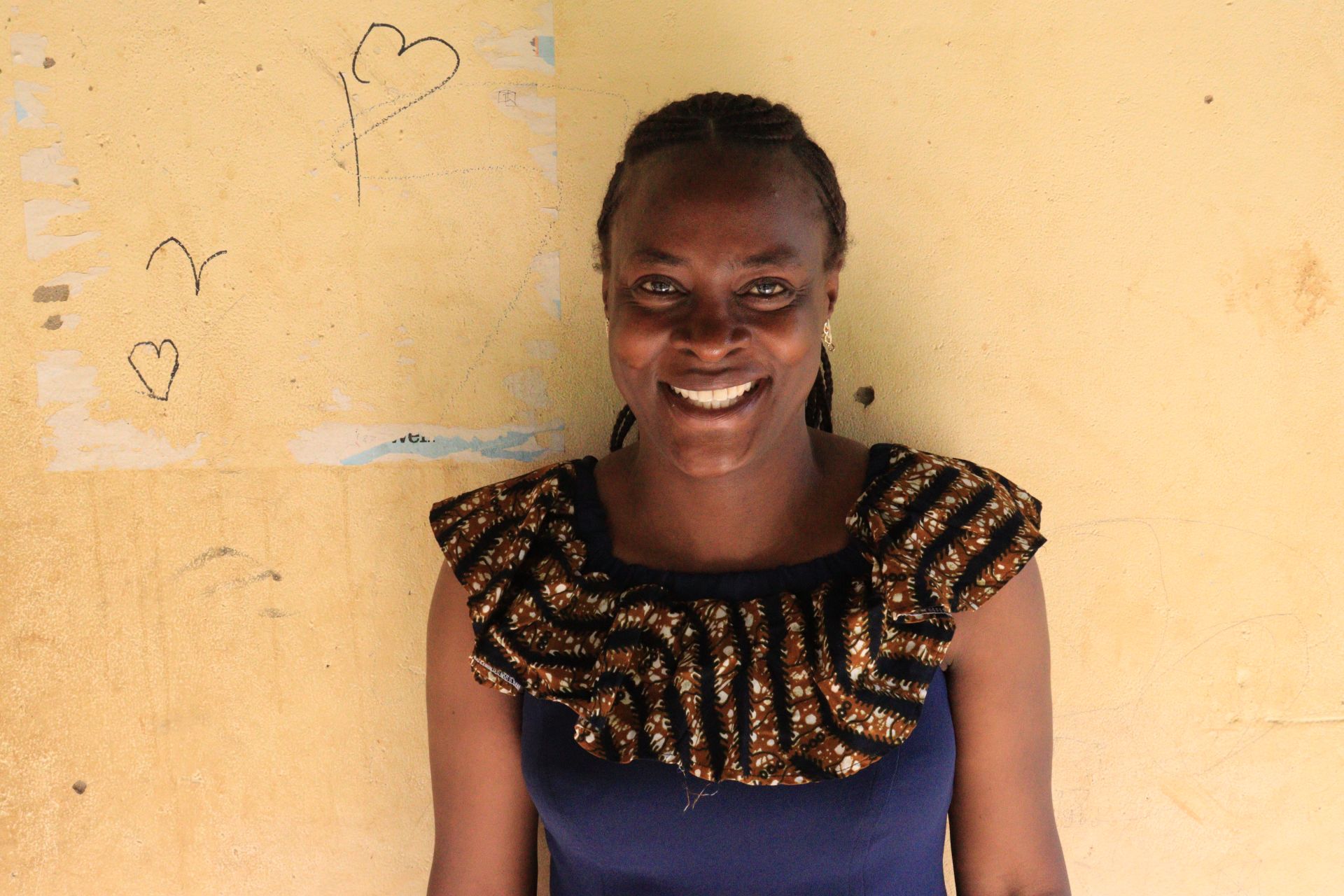
Teacher Evah Majude.
"Life at the school has become more difficult because we no longer have a dependable supply of safe water. Maintaining proper hygiene and sanitation is challenging, and we have to carefully ration the available water. The time spent collecting water, and the risks involved, have affected the smooth running of the school and created unnecessary stress for both staff and learners," she said.
"Reliable access to safe water would create a healthier and more conducive learning environment. Learners would attend school more regularly, have enough drinking water throughout the day, and no longer face the risks and distractions associated with fetching water from a distant, unprotected spring. This would lead to better concentration, improved participation in class, and higher academic achievement," Ms. Majude continued.
"To me, water truly is life because it protects the health, dignity, and future of our learners. When a school has a dependable supply of safe water, children stay healthy, attend classes regularly, and learn in a safe and clean environment. Reliable water gives every learner a better opportunity to succeed academically and thrive," she concluded.
Steps Toward a Solution
Our technical experts worked with the local community to identify the most effective solution to their water crisis. Together, they agreed to adopt a well previously drilled by another organization that is no longer actively maintained.
Adopted Well: Ensuring Lasting Reliability
This adoption program protects and strengthens access to clean water by identifying boreholes installed by other organizations and adopting them into The Water Project’s proven monitoring and maintenance systems. This cost-effective approach reduces downtime, prevents waterborne illness, safeguards health and livelihoods, and advances long-term regional water coverage.
Before use, the well will be thoroughly vetted and repaired to meet our established standards. From there, we keep the system safe and dependable through quarterly monitoring and prompt attention to any maintenance needs — minimizing the risk of unexpected breakdowns. Water quality testing is conducted twice a year to ensure the supply remains healthy for the entire community. All of these services are covered by an affordable annual fee, with no additional costs at the time of repairs.
Community Education
Hygiene and sanitation training are integral to our water projects. Training is tailored to each community's specific needs and includes key topics such as proper water handling, improved hygiene practices, disease transmission prevention, and care of the new water point. Safe water and improved hygiene habits foster a healthier future for everyone in the community. Encouraged and supported by the guidance of our team, a water user committee representative of the community's diverse members assumes responsibility for maintaining the water point, often gathering fees to ensure its upkeep.