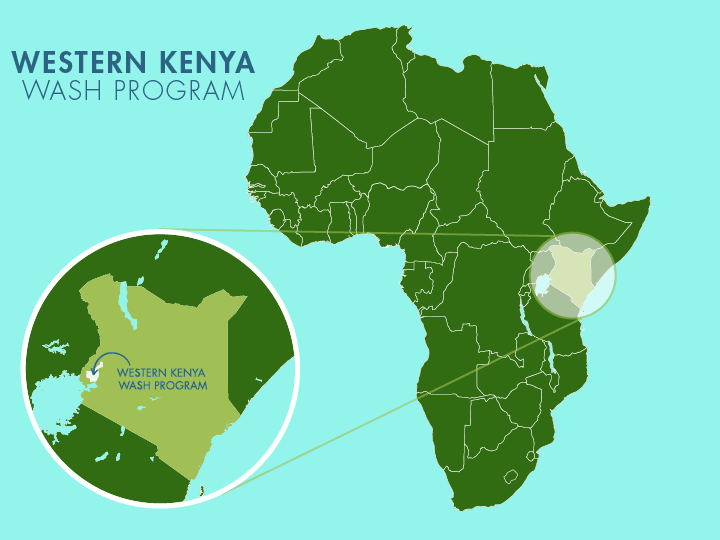
 Borehole Well and Hand Pump
 Rehabilitation Project









The whopping school population at Shitoto Primary School depends on a well installed by another organization in 1982 as their primary source of water. But after years of neglect, the well has become increasingly unreliable, leaving the school in a constant state of uncertainty. It is a heavy burden for the 950 students (851 day students and 99 boarders), as well as the 39 educators who do their best in the challenging situation.

The well that needs attention.
Each breakdown creates a crisis. With no dedicated funding or technical support to maintain the well, or the expertise to fix it when it breaks down, everyone at the school suffers. At least five times this year, valuable resources that should have been funneled to ensure students receive a quality education have been diverted to restore water to keep daily life functioning.
It has been a financial burden and a constant source of worry for administrators and students alike. What should be a basic necessity has become an ongoing financial strain, a source of anxiety, and a persistent distraction from the school’s mission of educating its children.
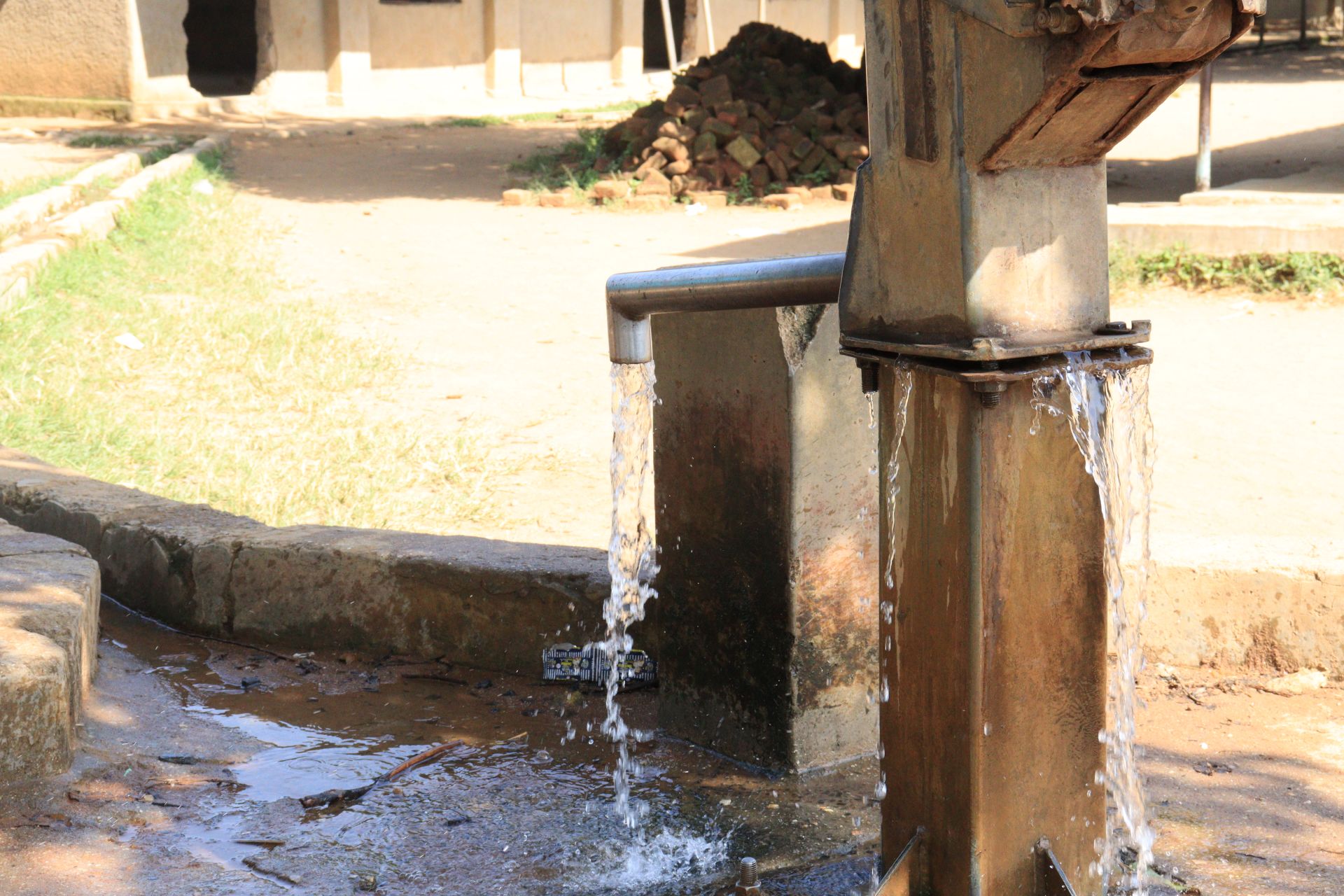
Water leaks from around the pump.
When the well breaks down, there are several less-than-ideal alternatives. They can use rainwater or water students collect from unknown sources and haul to school. Otherwise, they waste valuable parts of their school day collecting water from the local secondary school, which takes an average of 35 minutes per trip, or from the community spring, which is only partially protected and far away. Not only are these alternatives time-consuming and laborious to collect, draining students' focus and energy, but they all provide water that is risky to consume.
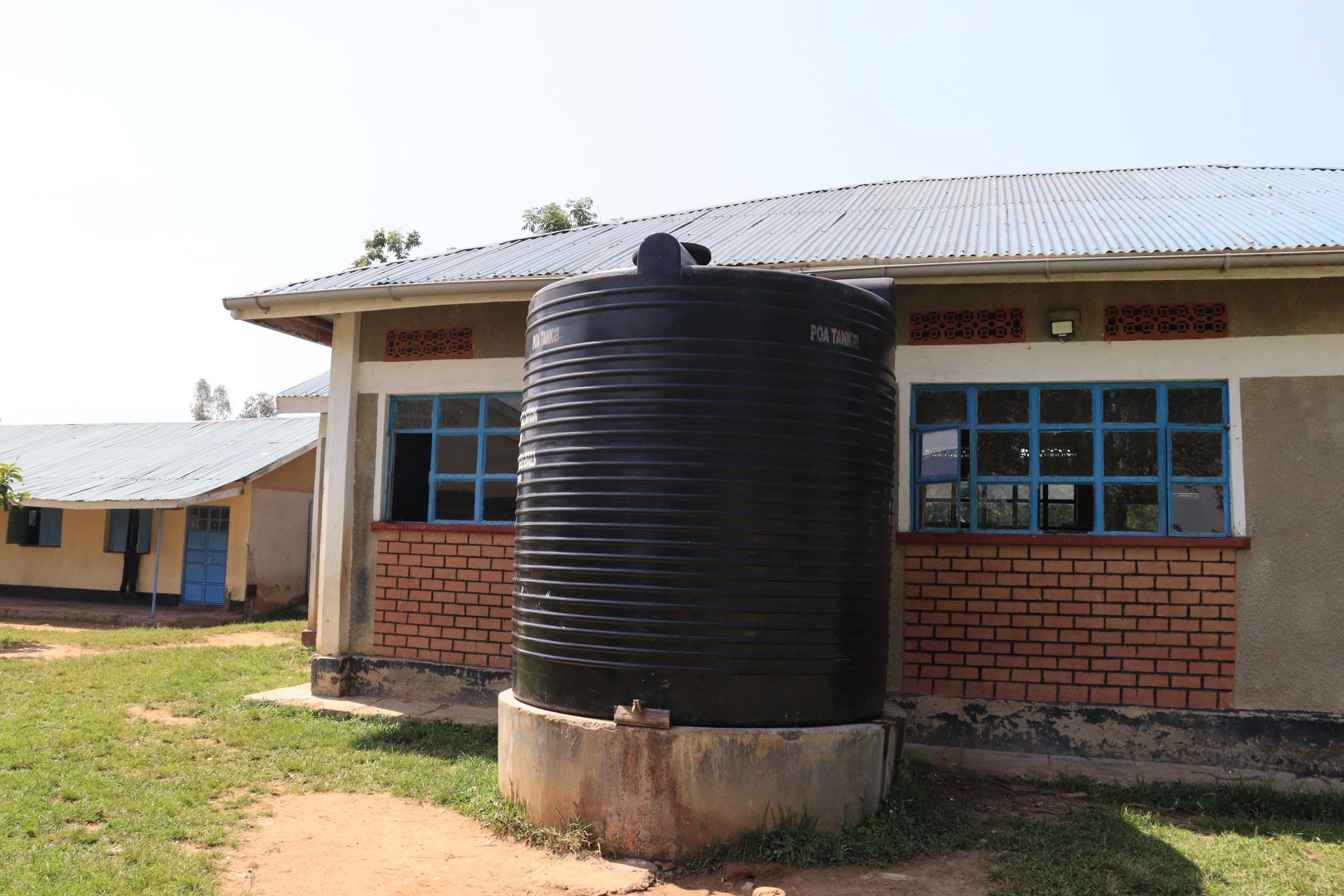
The rain tank that is far too small for the large school population.
"This school was established in 1961. It initially started as a day school but later transitioned into a boarding school due to its strong academic performance, which attracted students from distant counties such as Mombasa, Kisumu, Nakuru, and Kisii. The school has produced notable individuals in government, including the current Governor of Kakamega County, who is an alumnus. Additionally, Engineer Otipa, a prominent engineer recognized for his iconic buildings in Nairobi, is also a graduate of this school. Furthermore, the school is well-known for its outstanding performance in extracurricular activities, with its soccer team earning a reputation as one of the best in the nation," reported Field Officer Terry Fanice.
Teachers like Everlyn Mchibi want nothing more than to provide students with a quality education. Still, the constant struggle with water-related illnesses keeps everyone locked in a battle for their health and well-being.
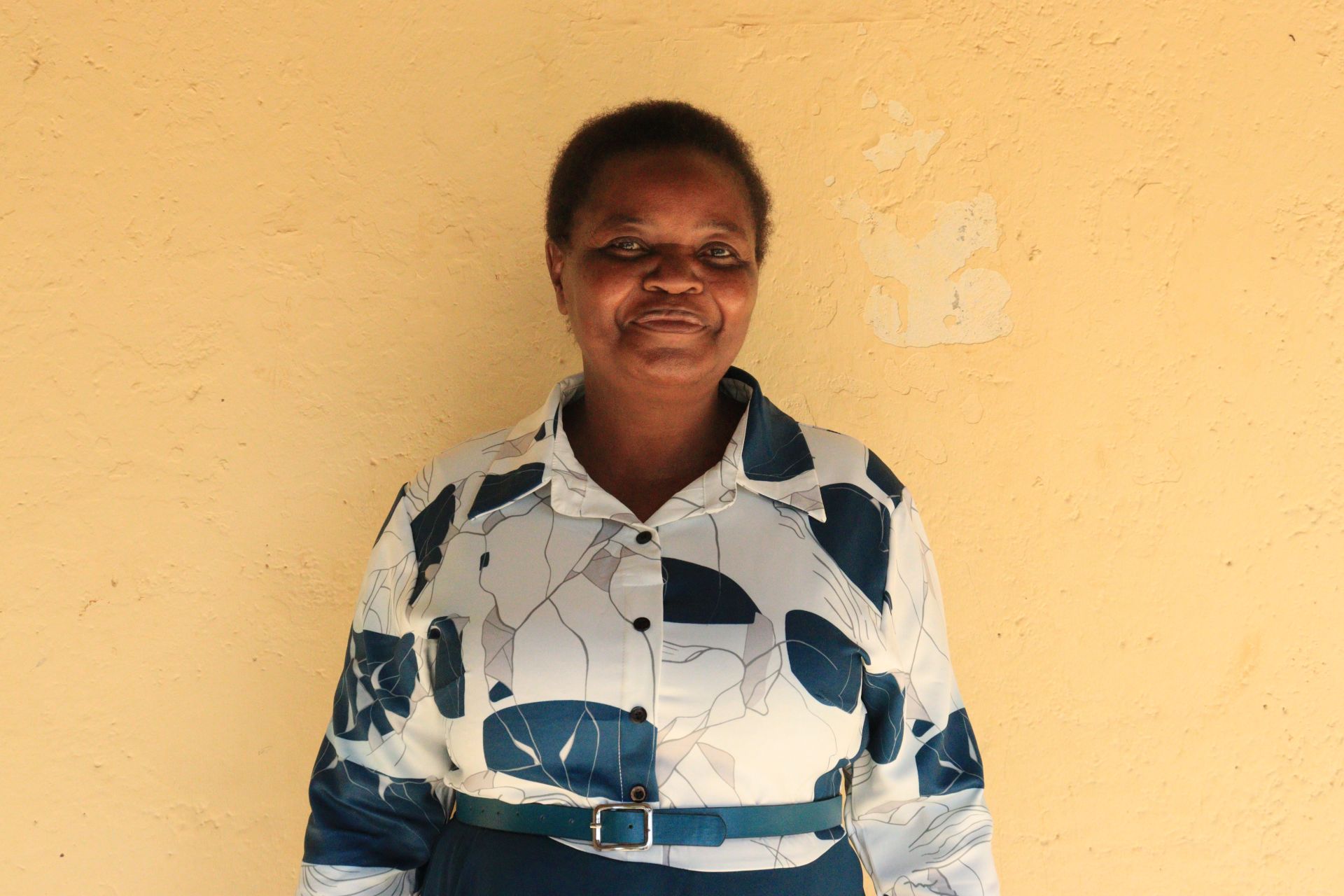
"Last July, I fell critically ill after consuming unfiltered water brought to the school. I experienced severe stomachaches and vomiting, which led to my admission to Mukumu Hospital in Kakamega County for two weeks. Tests revealed traces of amoeba in my system, and it took time to rid my body of these pathogens. When I returned to work, I struggled to teach while standing due to ongoing stomach pains, and I was too weak to endure a full day in the classroom. As a result, I was unable to perform to the best of my ability that year, and I feel guilty because my students paid the price for my illness. Their performance suffered because I could not provide them with the education they deserved. This guilt weighs heavily on me to this day," shared Ms. Mchibi.
"Treatment for water-related illnesses is harsh. It takes time to recover, and during that time, it is impossible to perform normally. I was away from work for an extended period, which caused a drop in my productivity upon [my] return. That year, I recorded the lowest average exam scores of my entire teaching career," she lamented.
But Ms. Mchibi worries more for her students than she does for herself.
"Before our well broke down, life was easy, and students were happy. However, once it malfunctioned, everything changed drastically, and the children were in distress. Surviving in a water crisis environment is not easy," she declared. "Their health is slowly deteriorating, their self-esteem is low, and their performance in both academics and extracurricular activities has dropped significantly."

Students collect water from the community spring.
"From my own experience, I fear giving my students this water. However, if I don't provide it, they will suffer from thirst. Whether water is good or bad, it is impossible to live without it," Ms. Mchibi said.
Despite its prestigious history, the school's potential is currently limited by its lack of water.
"The chairperson responsible for development at the school visited our regional service offices in Western Kenya and requested our assistance. He was impressed by the impactful work that we had done at Shitoto Girls Secondary School and, out of curiosity, wanted to know how we could support them," Terry noted.

Students walk to collect water when they should be in class.
We plan to adopt this well, which will include repairing it and bringing it up to our standards so the water is flowing and safe to consume, and ensuring it functions reliably so Ms. Mchibi and her students can get back to the task of learning and making progress towards their bright futures.
Steps Toward a Solution
Our technical experts worked with the local community to identify the most effective solution to their water crisis. Together, they agreed to adopt a well previously drilled by another organization that is no longer actively maintained.
Adopted Well: Ensuring Lasting Reliability
This adoption program protects and strengthens access to clean water by identifying boreholes installed by other organizations and adopting them into The Water Project’s proven monitoring and maintenance systems. This cost-effective approach reduces downtime, prevents waterborne illness, safeguards health and livelihoods, and advances long-term regional water coverage.
Before use, the well will be thoroughly vetted and repaired to meet our established standards. From there, we keep the system safe and dependable through quarterly monitoring and prompt attention to any maintenance needs — minimizing the risk of unexpected breakdowns. Water quality testing is conducted twice a year to ensure the supply remains healthy for the entire community. All of these services are covered by an affordable annual fee, with no additional costs at the time of repairs.
School Education & Ownership
Hygiene and sanitation training are integral to our water projects. Training is tailored to each school's specific needs and includes key topics such as proper water handling, improved hygiene practices, disease transmission prevention, and care of the new water point.
To ensure a lasting impact, we support forming a student health club composed of elected student representatives and a teacher. These clubs promote hygiene practices schoolwide and keep handwashing stations well-stocked. This student-led model encourages a sense of ownership and responsibility.
Safe water and improved hygiene habits foster a healthier future for the entire school.