 Borehole Well and Hand Pump
 Rehabilitation Project








Mayuge Primary School has grown from a small community school into an important educational institution serving 896 students and 22 staff members. It is impressive, yet a critical component is missing for them to fully develop - WATER!
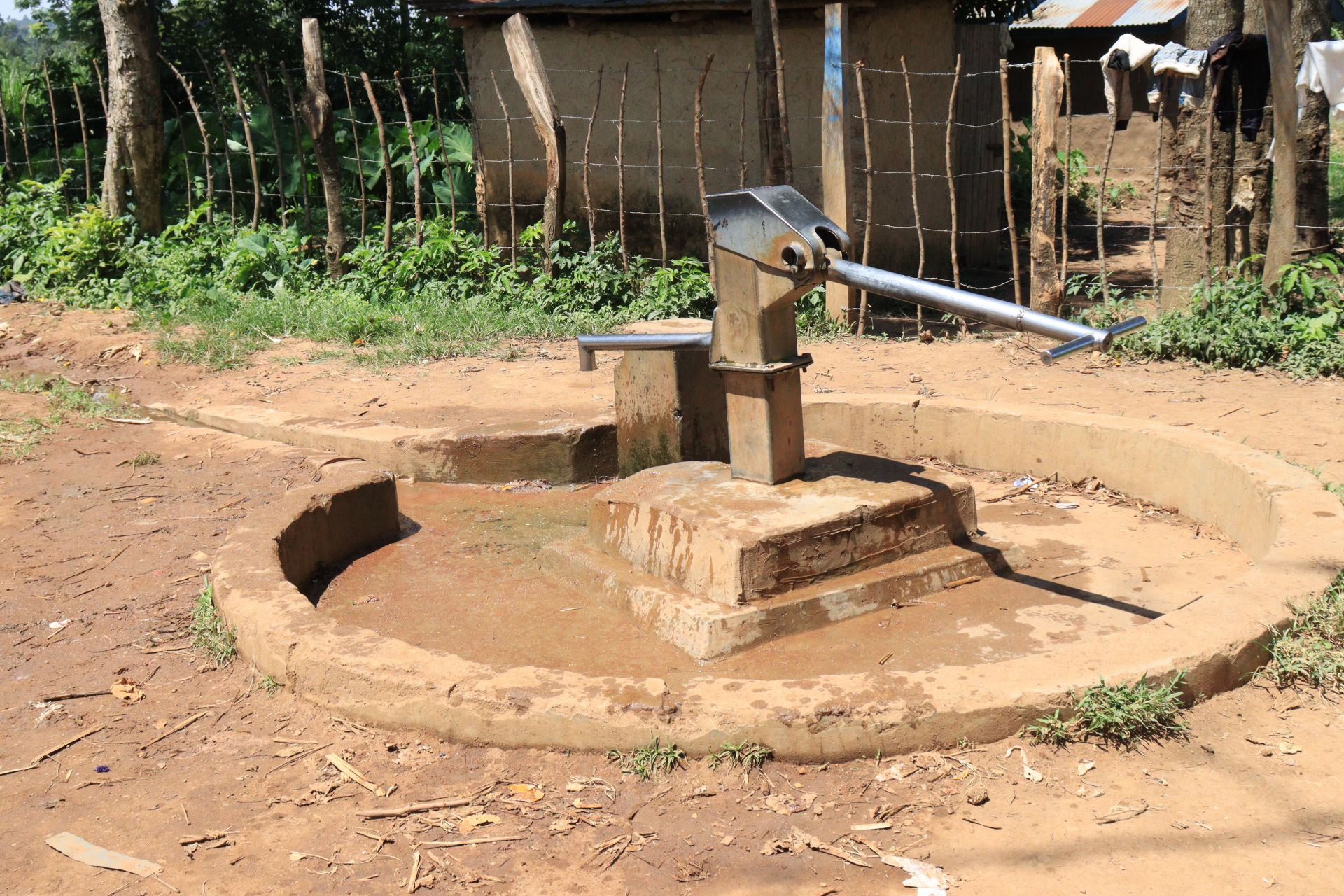
The well that needs attention.
The school's main water source is a well that was installed in 1987 by another organization. It has gone for years without proper maintenance, causing the well to become increasingly unreliable and placing the school in a constant state of uncertainty. When the well is out of service, students must collect water wherever they can. Most of the time, that means they bring water from home, from unknown sources, or travel to a community spring to collect water. Neither option is ideal, as it steals their time, energy, and, in some cases, their health.

Students walk to the faraway spring.
"When the water from the well is unavailable, the school depends on a partially protected spring and, in some cases, pupils bring water from their homes. The spring does not always provide an adequate supply, and the practice of carrying water from home places an additional burden on learners and may not guarantee a consistent water supply," said Field Officer Terry Fanice.

Students wait to collect water from the spring.
"Accessing the partially protected spring requires pupils and staff to walk some distance from the school. During the rainy season, the paths become muddy and slippery, making water collection more difficult. The school has experienced occasional cases of water-related illnesses, including diarrhea and stomach infections, especially when water is collected from the partially protected spring. These health challenges can affect pupil attendance and classroom performance," Terry shared.
Forty-two-year-old teacher Patrick Wapangana recalled a recent experience.
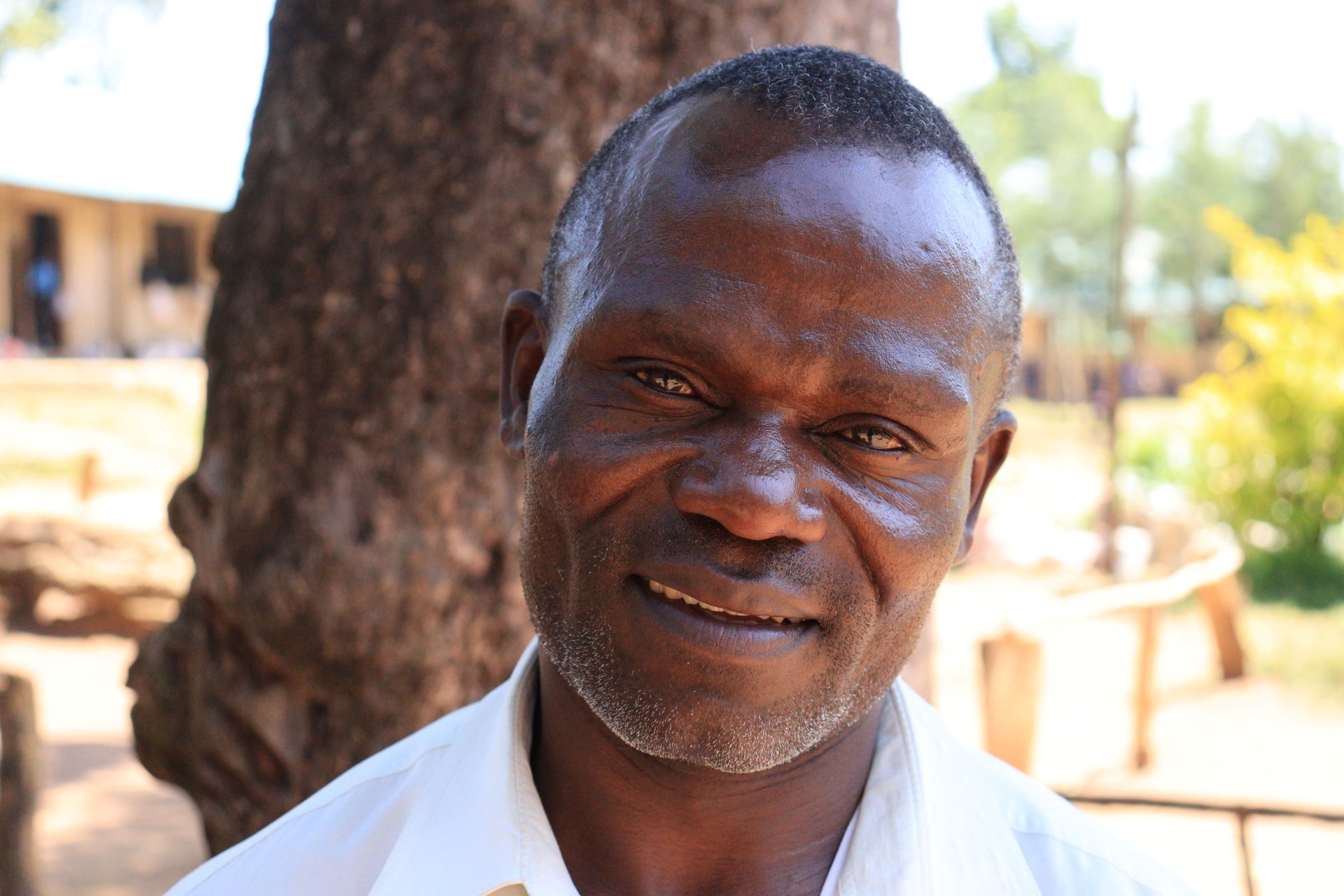
Mr. Wapangana.
"Last term, a pupil developed stomach complications after drinking water that was suspected to have come from an unsafe source when the school's usual supply was insufficient. The learner experienced diarrhea and stomach pains and had to be taken home for treatment. The incident highlighted the importance of having a reliable source of safe drinking water at the school," said Mr. Wapangana.
"Whenever a learner develops a water-related illness, we encourage the parents to take the child to the nearest health facility for diagnosis and treatment. The cost of consultation, medication, and transport can be significant for many families, especially those with limited incomes, making these illnesses both a health and financial burden," he lamented.
"When learners become ill from unsafe water, they are absent from school and miss valuable learning time. Teachers also have to spend time attending to sick pupils and communicating with parents, which disrupts normal teaching and learning activities," he continued.
"It is deeply concerning because no child should become sick from drinking water at school. Safe water is a basic necessity, and when it is unavailable, learners' health, attendance, and academic performance are all put at risk," Mr. Wapangana emphatically stated.
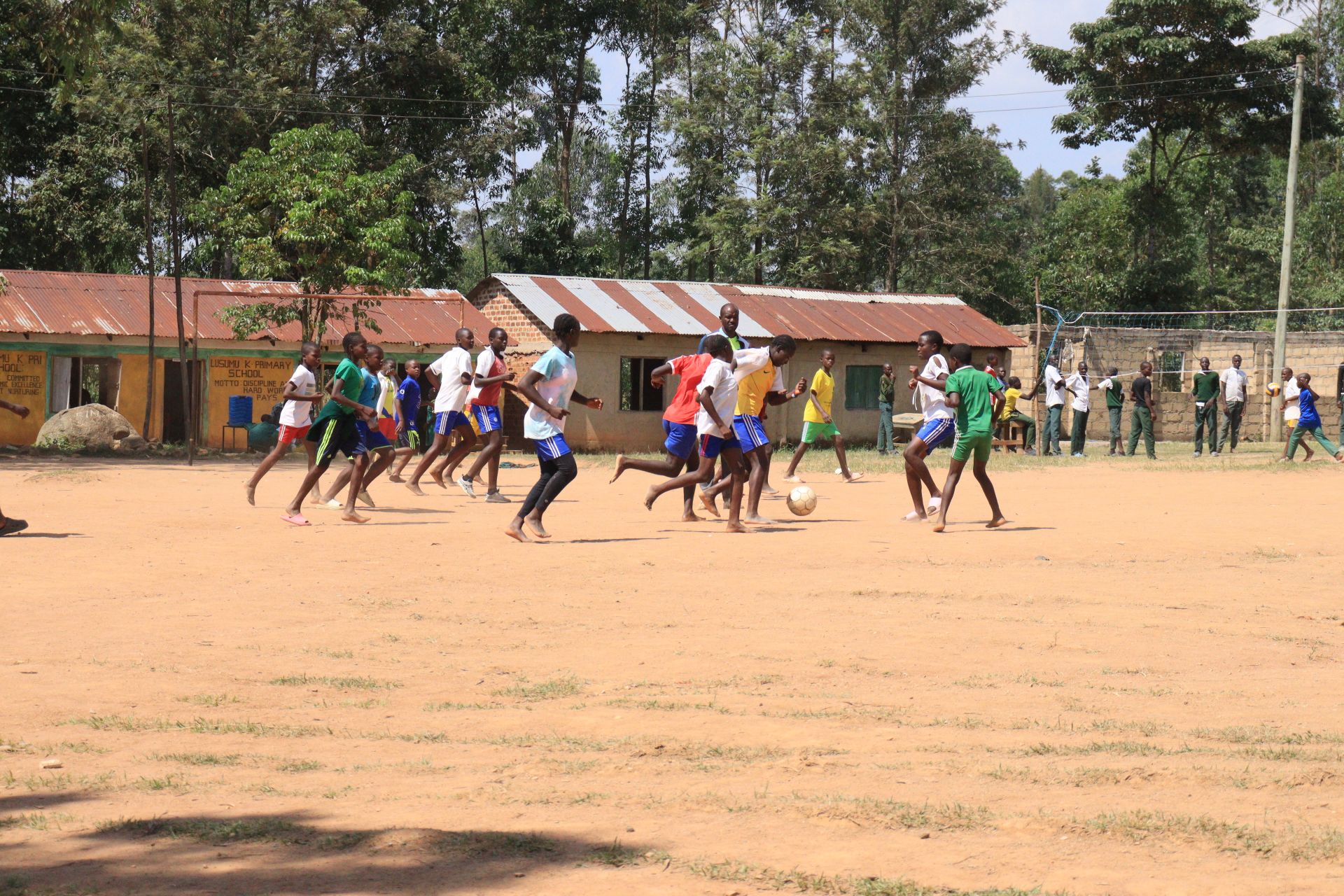
This is where The Water Project comes in. We plan to take on the responsibility of ensuring this well is functional and safe so students can get back to their most important task - learning!
Steps Toward a Solution
Our technical experts worked with the local community to identify the most effective solution to their water crisis. Together, they agreed to adopt a well previously drilled by another organization that is no longer actively maintained.
Adopted Well: Ensuring Lasting Reliability
This adoption program protects and strengthens access to clean water by identifying boreholes installed by other organizations and adopting them into The Water Project’s proven monitoring and maintenance systems. This cost-effective approach reduces downtime, prevents waterborne illness, safeguards health and livelihoods, and advances long-term regional water coverage.
Before use, the well will be thoroughly vetted and repaired to meet our established standards. From there, we keep the system safe and dependable through quarterly monitoring and prompt attention to any maintenance needs — minimizing the risk of unexpected breakdowns. Water quality testing is conducted twice a year to ensure the supply remains healthy for the entire community. All of these services are covered by an affordable annual fee, with no additional costs at the time of repairs.
School Education & Ownership
Hygiene and sanitation training are integral to our water projects. Training is tailored to each school's specific needs and includes key topics such as proper water handling, improved hygiene practices, disease transmission prevention, and care of the new water point.
To ensure a lasting impact, we support forming a student health club composed of elected student representatives and a teacher. These clubs promote hygiene practices schoolwide and keep handwashing stations well-stocked. This student-led model encourages a sense of ownership and responsibility.
Safe water and improved hygiene habits foster a healthier future for the entire school.