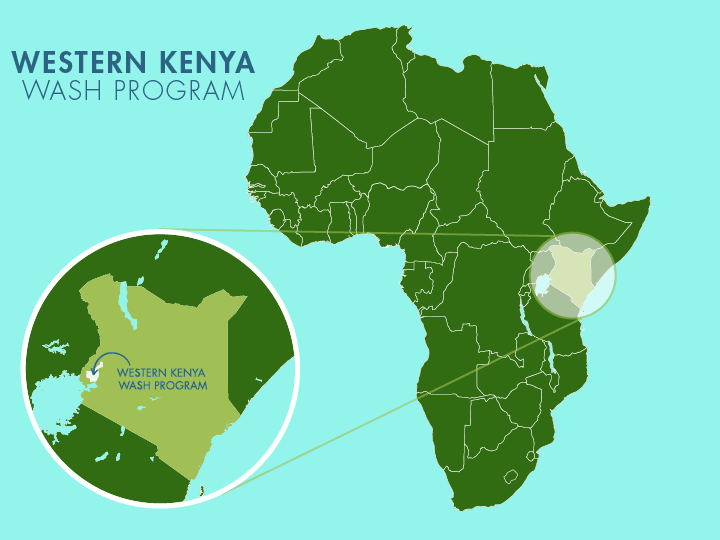
 Borehole Well and Hand Pump
 Rehabilitation Project

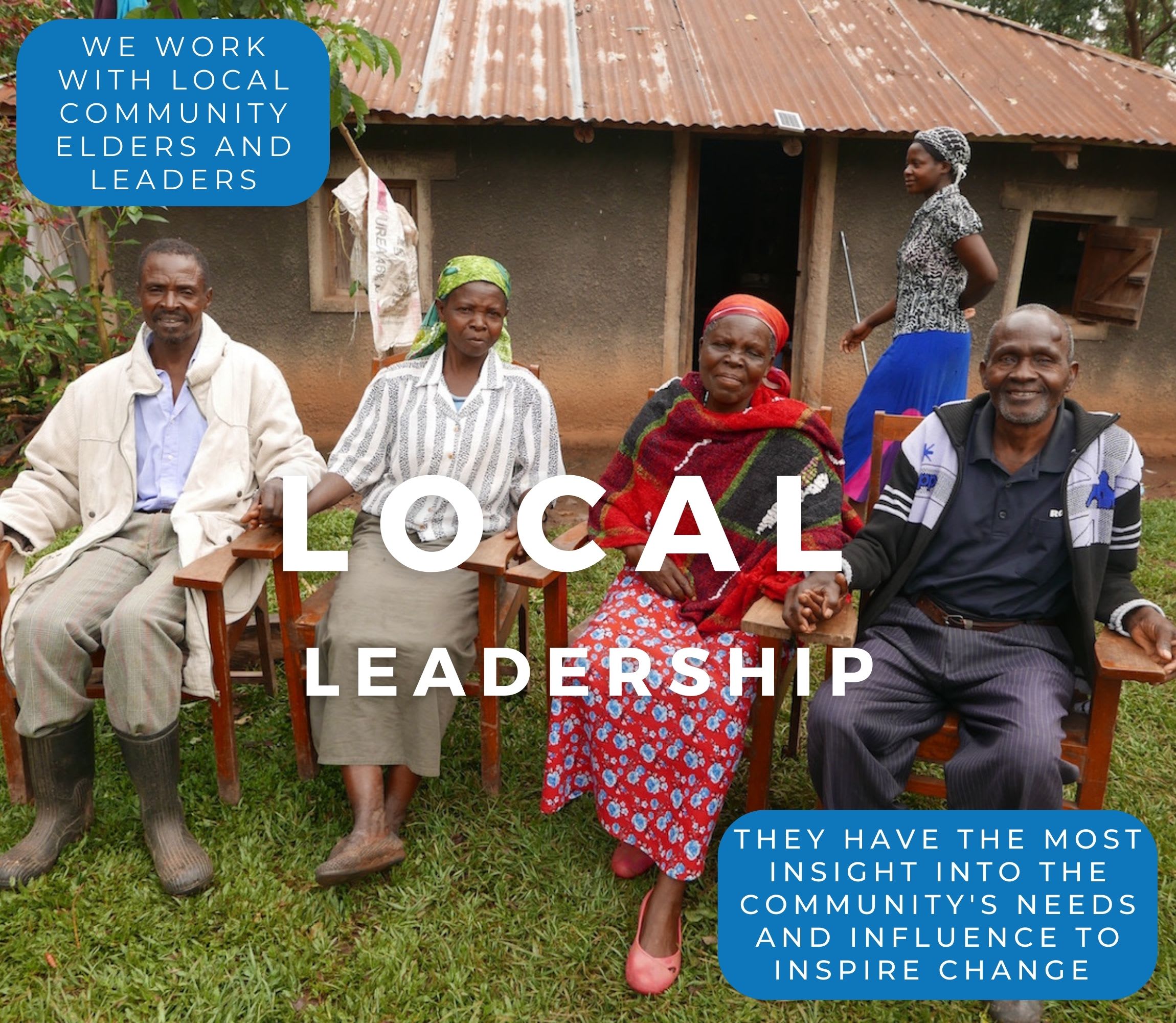








The 250 people living at the West Kenya Administrative Police Camp rely on a nearby well that was installed by the local sugar company in 2000. However, those collecting water here face challenges because the well has not been properly maintained for several years and is used by a large population, leading to frequent breakdowns. It's a constant source of worry for those who need a reliable, safe water supply nearby.
"The water point is a borehole located near the police housing area and the surrounding community," Terry Fanice, a field officer, said. "This project site was identified through discussions with local authorities and police administration, who reported inadequate water access for officers and surrounding community members and requested support."
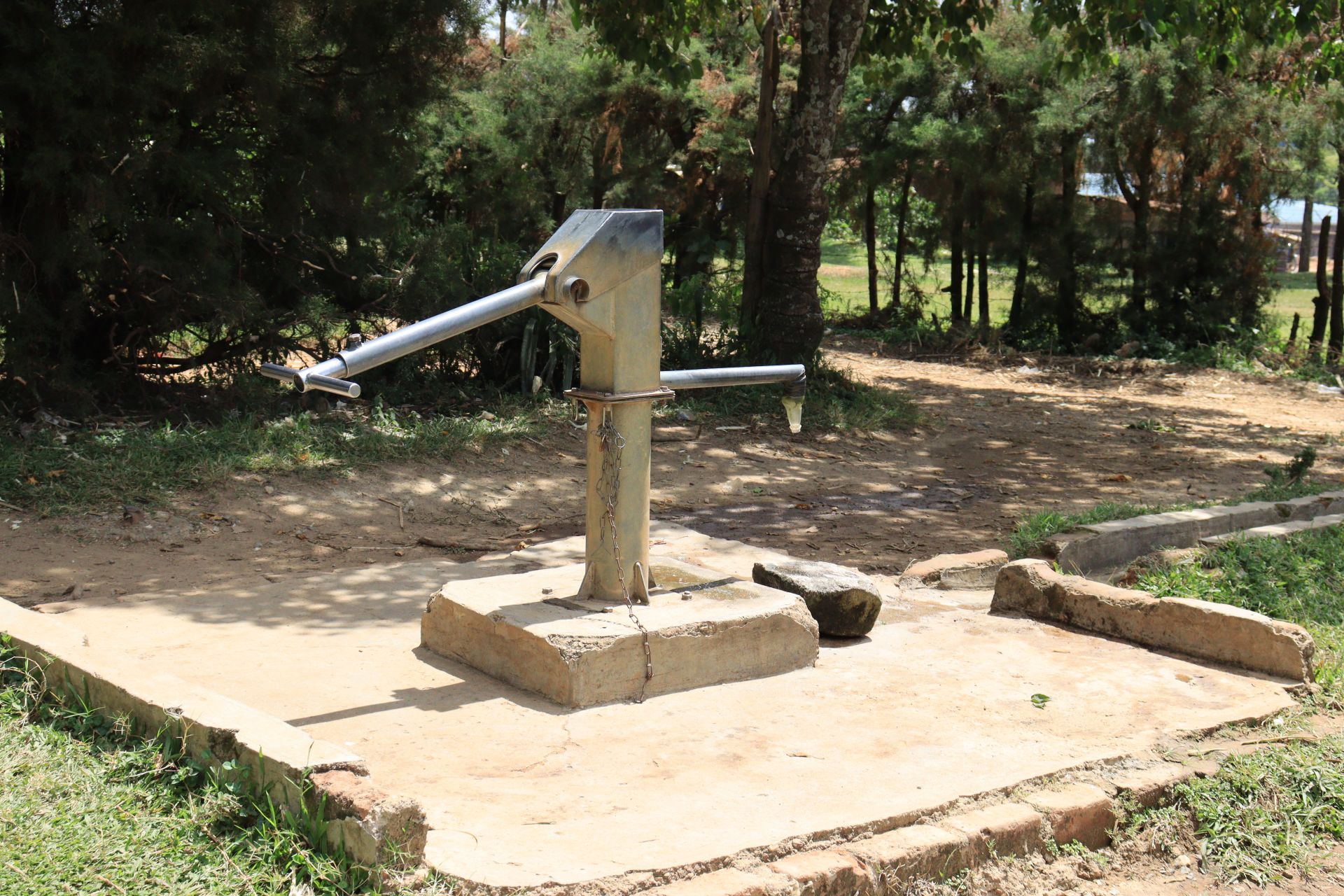
The well that needs attention.
"Over the years, the institution has grown in both its operational responsibilities and service coverage as the population and economic activities within the area have increased. The police post serves as an important security center, supporting crime prevention, emergency response, and community policing initiatives," Terry reported.
"A notable aspect of its growth has been the strengthening of partnerships with local communities, government agencies, and development organizations to address social challenges beyond security concerns, including access to essential services such as water. As the number of officers and community members utilizing the facility has increased, the demand for a reliable water supply has also grown, highlighting the importance of sustainable water infrastructure to support both institutional operations and the surrounding population," she continued.
Terry said those in charge have attempted to remedy the problem, but without success. It is not a matter of simply collecting water elsewhere, as there are no notable water resources in the area. This forces those in charge to purchase water that they really can't afford.

"The police post administration has made efforts to address the water shortage by engaging local authorities, development partners, and other stakeholders in seeking a sustainable water solution. Due to the absence of alternative water sources, such as streams, springs, or rainwater harvesting systems, officers have had to rely on water purchased from vendors or transported from distant locations, when available. Despite these efforts, the institution continues to face significant challenges in securing a reliable and adequate water supply," Terry said.
Alternative water sources often come with a high price to pay.
"Those [who] use alternative water sources reported concerns about water quality and the potential risk of contracting illnesses such as diarrhea, typhoid, and other gastrointestinal infections. Limited access to clean water also affects hygiene and sanitation practices, increasing the likelihood of disease transmission among officers and surrounding community members," Terry shared.
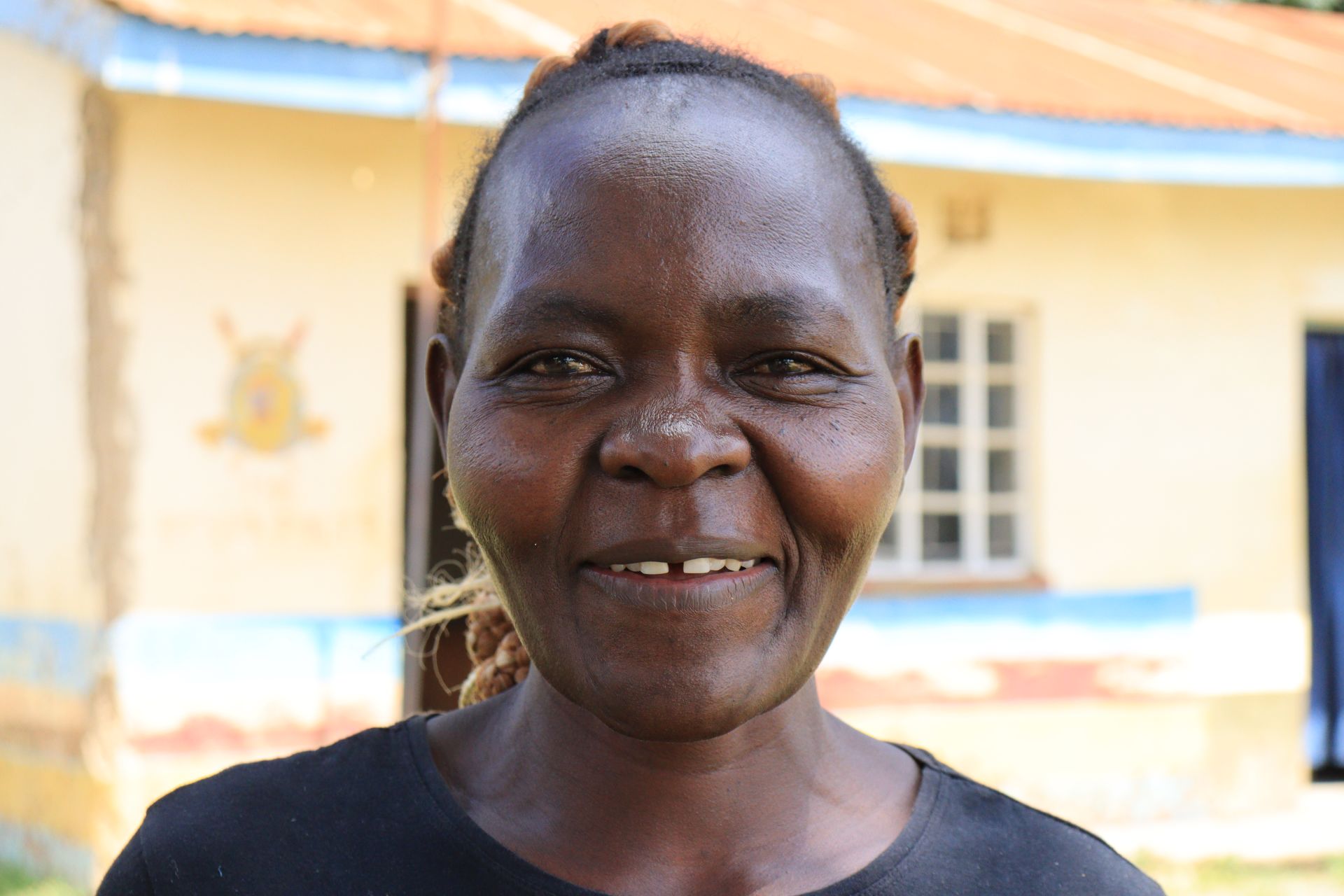
Ezina Isiye, a 50-year-old local businesswoman, shared her thoughts.
"It is unacceptable that families have to struggle to obtain safe drinking water. Although we make every effort to use clean water, the constant challenge of accessing it causes anxiety and increases the financial burden of purchasing safe water when it is needed," she lamented.
"I remember waiting for about three hours [to collect water] because many community members were using the same water point after other nearby sources had become unreliable. The long queues and slow flow of water caused significant delays," she recalled.

Ms. Isiye washes potatoes for her business.
"Since the water point [has] become nonfunctional, maintaining adequate water for drinking, sanitation, and other daily needs has become a constant challenge. The institution has to carefully manage the available water, which affects efficiency and places additional pressure on the station's limited resources," Ezina said.
Water changes everything! Ezina, the local law enforcement officers, and other community members need the security that a reliable waterpoint can bring.
"To me, water is life because every aspect of our work and daily living depends on it. A reliable water supply promotes health, improves hygiene, and enables officers to perform their responsibilities efficiently while serving the community," Ezina concluded.
Steps Toward a Solution
Our technical experts worked with the local community to identify the most effective solution to their water crisis. Together, they agreed to adopt a well previously drilled by another organization that is no longer actively maintained.
Adopted Well: Ensuring Lasting Reliability
This adoption program protects and strengthens access to clean water by identifying boreholes installed by other organizations and adopting them into The Water Project’s proven monitoring and maintenance systems. This cost-effective approach reduces downtime, prevents waterborne illness, safeguards health and livelihoods, and advances long-term regional water coverage.
Before use, the well will be thoroughly vetted and repaired to meet our established standards. From there, we keep the system safe and dependable through quarterly monitoring and prompt attention to any maintenance needs — minimizing the risk of unexpected breakdowns. Water quality testing is conducted twice a year to ensure the supply remains healthy for the entire community. All of these services are covered by an affordable annual fee, with no additional costs at the time of repairs.
Community Education
Hygiene and sanitation training are integral to our water projects. Training is tailored to each community's specific needs and includes key topics such as proper water handling, improved hygiene practices, disease transmission prevention, and care of the new water point. Safe water and improved hygiene habits foster a healthier future for everyone in the community. Encouraged and supported by the guidance of our team, a water user committee representative of the community's diverse members assumes responsibility for maintaining the water point, often gathering fees to ensure its upkeep.