 Borehole Well and Hand Pump
 Rehabilitation Project









"Lusumu Primary School has provided primary education to the local community for several years and has gradually expanded to accommodate increasing enrollment. The school has made notable progress in improving classroom facilities, strengthening learner participation, and enhancing the overall learning environment. It continues to work closely with parents and community leaders to support the holistic development of its pupils," noted Field Officer Terry Fanice, who recently visited the school to survey their water situation.
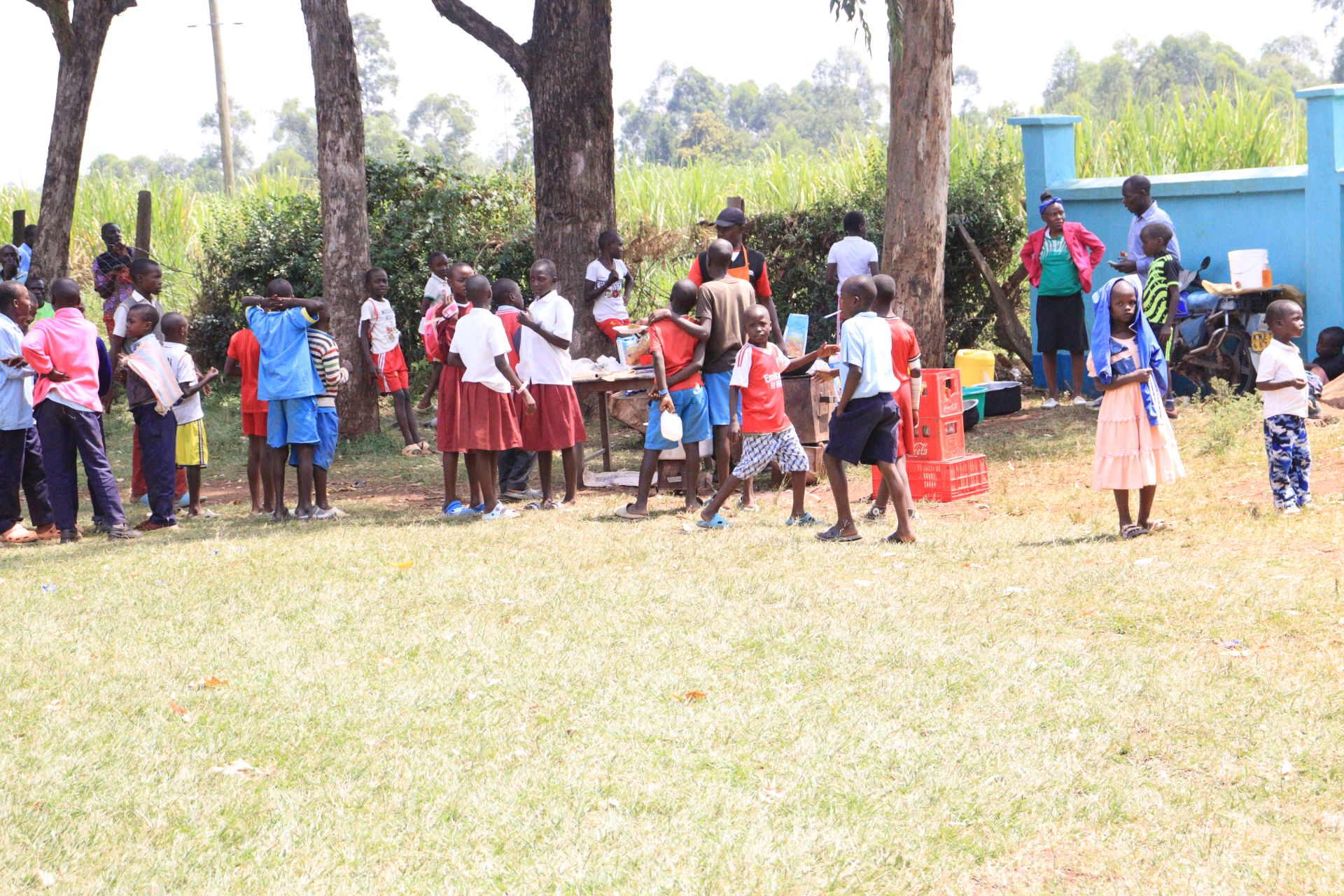
The school is making remarkable progress, yet one area remains beyond its reach, despite how hard it tries - the ability to provide sufficient water.
The 1,166 students and 35 teachers at St. Joseph Lusumu Primary School share a single well - one drilled by an outside organization back in 1987.
Nearly four decades later, that well is breaking down, leaving the school in the midst of a water crisis. Years of neglect have made it unreliable, and every day the school does not know whether there will be water.
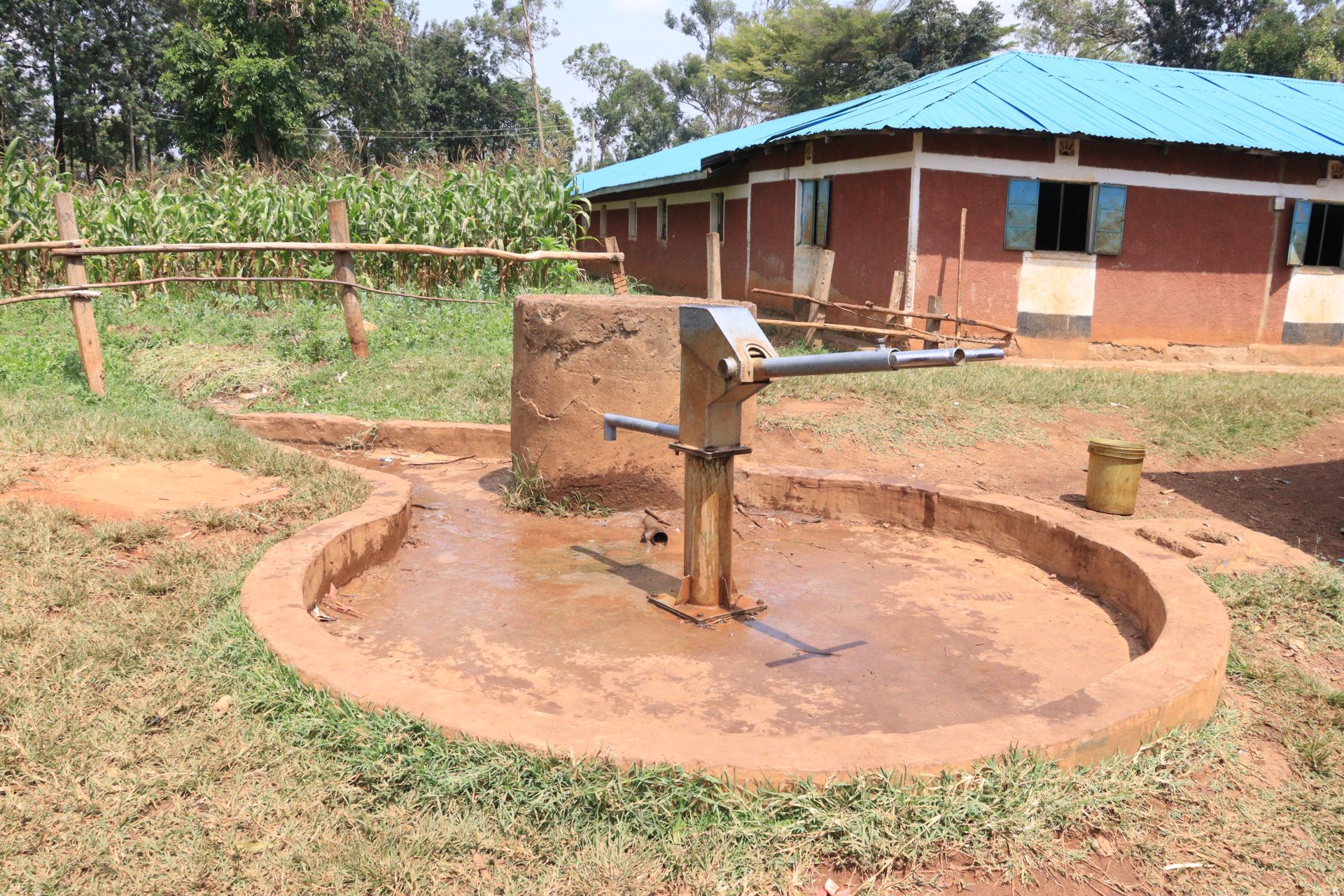
The well that needs attention.
One of those affected daily is 30-year-old teacher Shoban Wanyama.
He shared, "The school has taken steps to repair the borehole whenever it develops mechanical problems by seeking the services of qualified mechanics. Despite these efforts, maintaining a reliable water supply remains a challenge, especially when repairs are delayed."
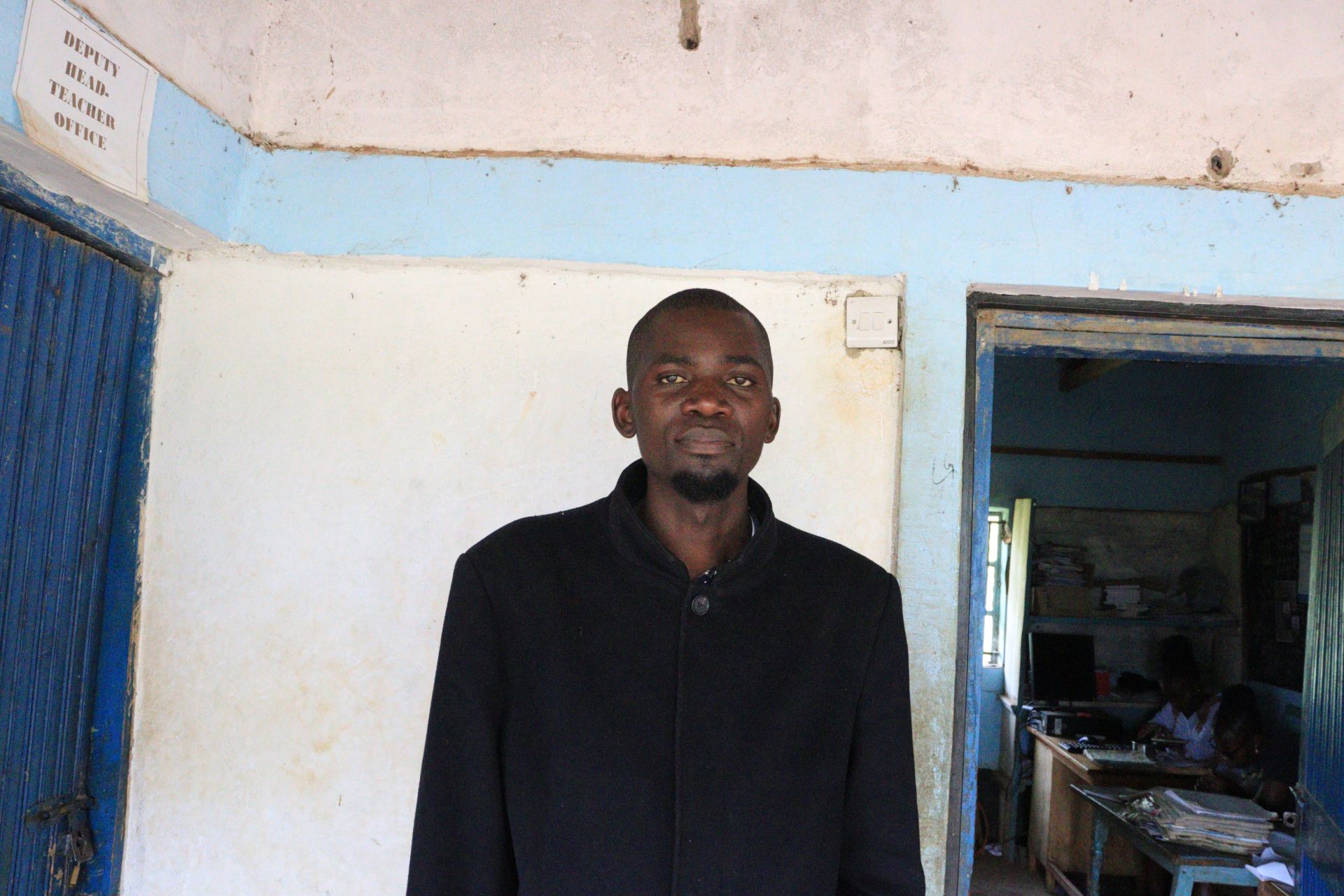
Mr. Shoban.
Mr. Shoban is aware of the many costs of not having access to reliable, safe water. And to him, they are not just financial.
"The lack of reliable water affects learners' health, hygiene, and concentration in class. Without adequate water, it becomes difficult to maintain clean sanitation facilities and proper handwashing, increasing the risk of illness and absenteeism," Mr. Shoban continued.
When the well is not functioning, students try to collect water from a rain tank on the property, but it is seasonal and runs dry quickly. The only other alternatives are to bring water from home or to leave the school to find water elsewhere. Neither option is ideal. And sadly, the water they do manage to collect comes from unknown sources and is risky to consume.

"The use of surface water during periods of water shortage exposes learners to potential waterborne diseases such as diarrhea and other gastrointestinal infections. The school has expressed concern that inconsistent access to safe water affects both the health and well-being of pupils," shared field officer Terry.
"Reliance on surface water and water brought from home leads to an unreliable and often inadequate water supply. The school is unable to consistently meet its daily water needs, which affects hygiene, sanitation, food preparation, and the overall learning environment," Terry continued.
Ideally, students wouldn't have to expend extra energy to bring water for their daily needs or leave class to collect water when they should be learning, but without a reliable water source, they have no other option.
"Although the school is still operating, persistent water shortages could become a serious challenge in the future," Mr. Shoban accurately noted. "Water is one of the most important resources in our school. It is needed for drinking, handwashing, cleaning, cooking, and maintaining good sanitation. When learners have access to safe water, they stay healthier and are better able to concentrate on their studies."
We couldn't agree more. That is why we aim to repair and maintain their well so water insecurity becomes a thing of the past.
Steps Toward a Solution
Our technical experts worked with the local community to identify the most effective solution to their water crisis. Together, they agreed to adopt a well previously drilled by another organization that is no longer actively maintained.
Adopted Well: Ensuring Lasting Reliability
This adoption program protects and strengthens access to clean water by identifying boreholes installed by other organizations and adopting them into The Water Project’s proven monitoring and maintenance systems. This cost-effective approach reduces downtime, prevents waterborne illness, safeguards health and livelihoods, and advances long-term regional water coverage.
Before use, the well will be thoroughly vetted and repaired to meet our established standards. From there, we keep the system safe and dependable through quarterly monitoring and prompt attention to any maintenance needs — minimizing the risk of unexpected breakdowns. Water quality testing is conducted twice a year to ensure the supply remains healthy for the entire community. All of these services are covered by an affordable annual fee, with no additional costs at the time of repairs.
School Education & Ownership
Hygiene and sanitation training are integral to our water projects. Training is tailored to each school's specific needs and includes key topics such as proper water handling, improved hygiene practices, disease transmission prevention, and care of the new water point.
To ensure a lasting impact, we support forming a student health club composed of elected student representatives and a teacher. These clubs promote hygiene practices schoolwide and keep handwashing stations well-stocked. This student-led model encourages a sense of ownership and responsibility.
Safe water and improved hygiene habits foster a healthier future for the entire school.