Meet the Children Who Now Have Time to Dream
Before sunrise, the air is still cool in Karlota’s village.
Thirteen-year-old Karlota used to wake in the dark, lift an empty container, and walk to the well before most of the village even stirred. By the time she arrived, a line had already formed, children shifting from foot to foot, waiting their turn. Some mornings, the line stretched so long that the sun was already high in the sky before she began the walk back.
School didn’t wait for her.
By the time she reached the classroom, lessons were underway. She slipped into her seat quietly, trying to catch up while still catching her breath.
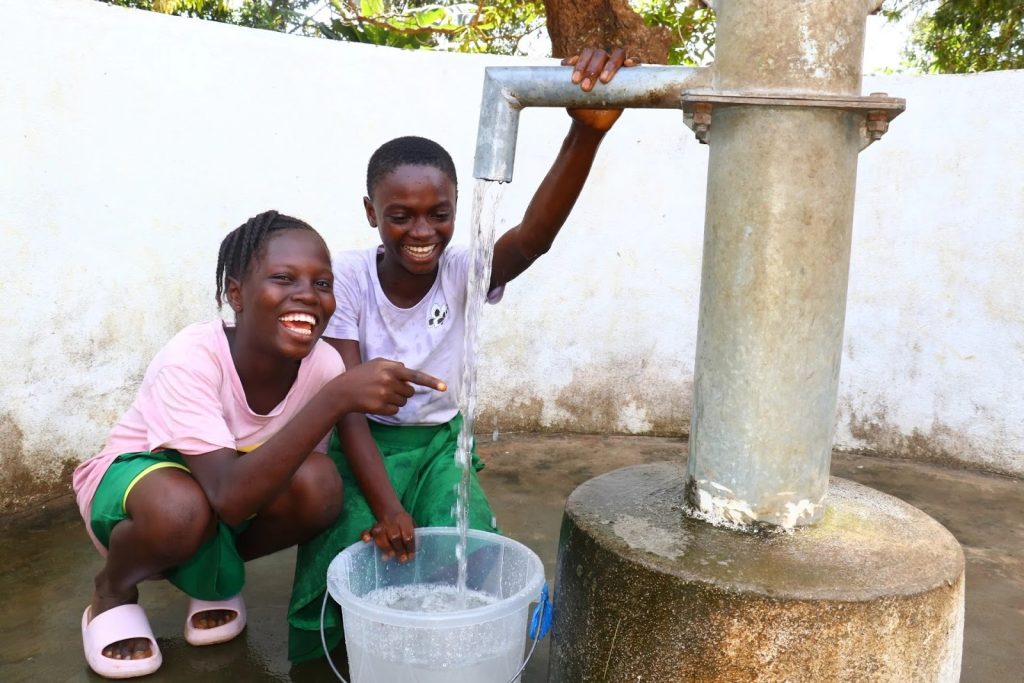
Now, her mornings look very different.
The walk for water is shorter. The waiting is brief. Instead of racing against the clock, she arrives at school early enough to sit with her friends before lessons begin. They spread their notebooks across the desk and quiz each other on what they learned the day before.
These days, Karlota talks easily about the future. She wants to become a doctor because she has seen what sickness does when help is far away.
“Doctors treat people and make them feel better,” she says. “I want to do that, too.”
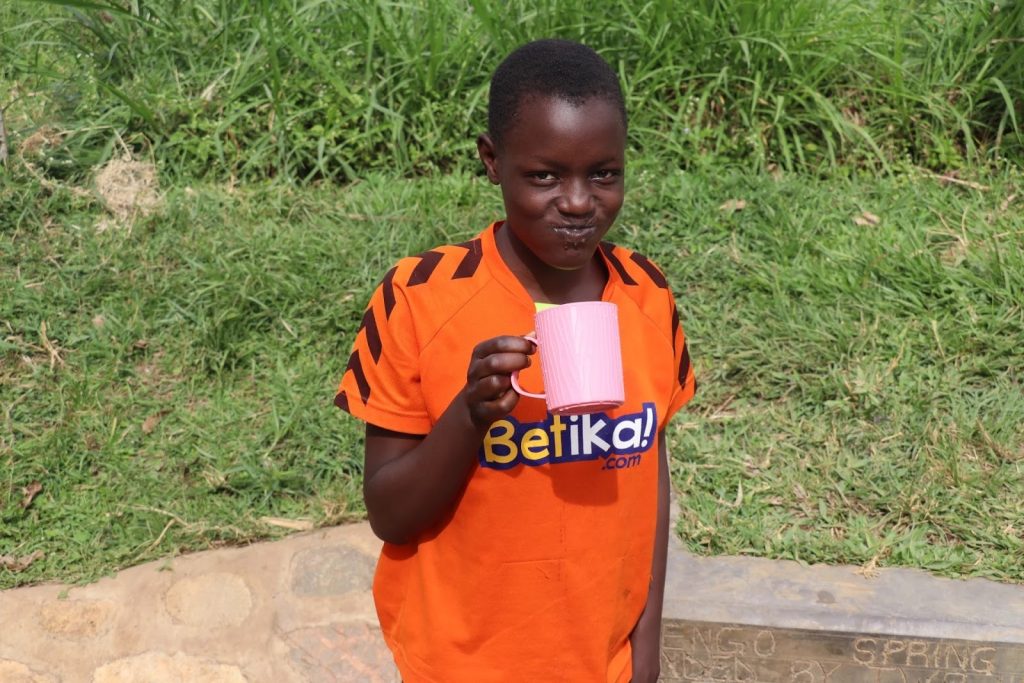
At Fuvale Primary School, Patience remembers what it felt like when water shortages interrupted the school day without warning.
Sometimes, lessons stopped mid-morning. A teacher would gather students and lead them beyond the school compound to search for water. It meant leaving books behind and missing the next lesson.
There were days when sickness followed, too – stomach pain, fevers, exhaustion. Missing school became part of the rhythm of life, even when she wanted nothing more than to be in class.
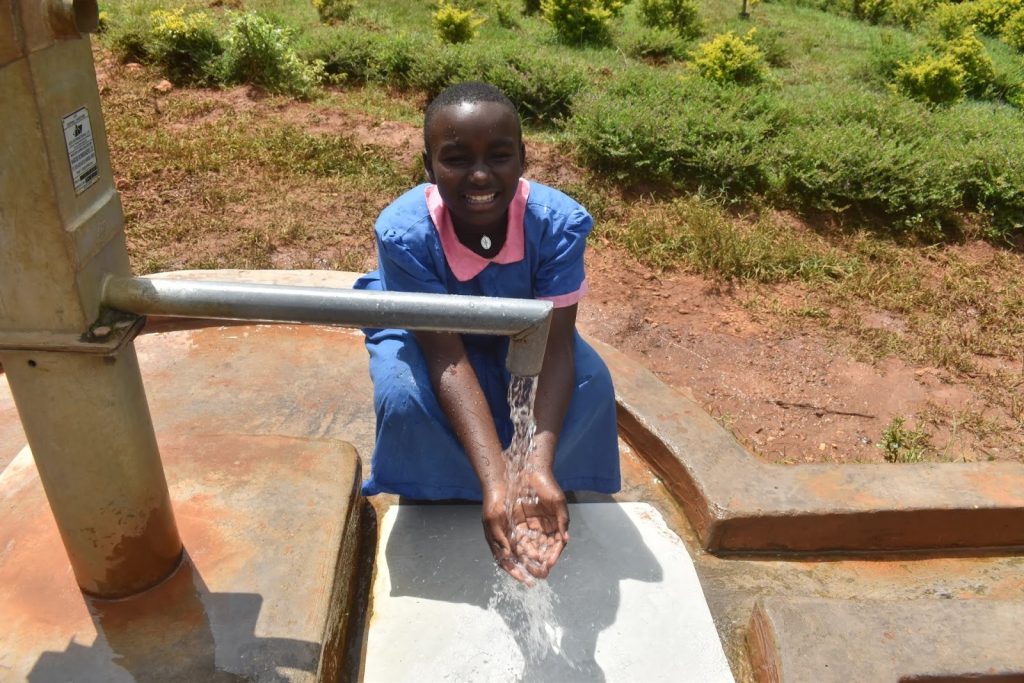
Now, Patience notices different things.
She notices how lessons continue without interruption. How she no longer has to pack up her books halfway through the day. How her teacher moves steadily from reading to mathematics to writing without pausing to solve water problems.
Her ambition has grown quietly alongside that consistency.
She wants to become a teacher. Not someday in the abstract, but in the kind of way that shows up in her daily habits, like finishing assignments, asking questions, and paying attention to the smallest details.
Most of all, she notices how much time she now spends doing what once felt uncertain: learning.
For Chernor, the change is something he feels in his body.
At fifteen, he remembers being sick often. The water he drank wasn’t always safe, but it was the only option available. Illness followed, sometimes mild, sometimes severe enough to keep him at home for days.
“In the past, I used to experience typhoid because the water was not pure,” he recalls.
Being sick didn’t just mean missing school. It meant falling behind, watching classmates move ahead, and wondering if he would ever catch up.
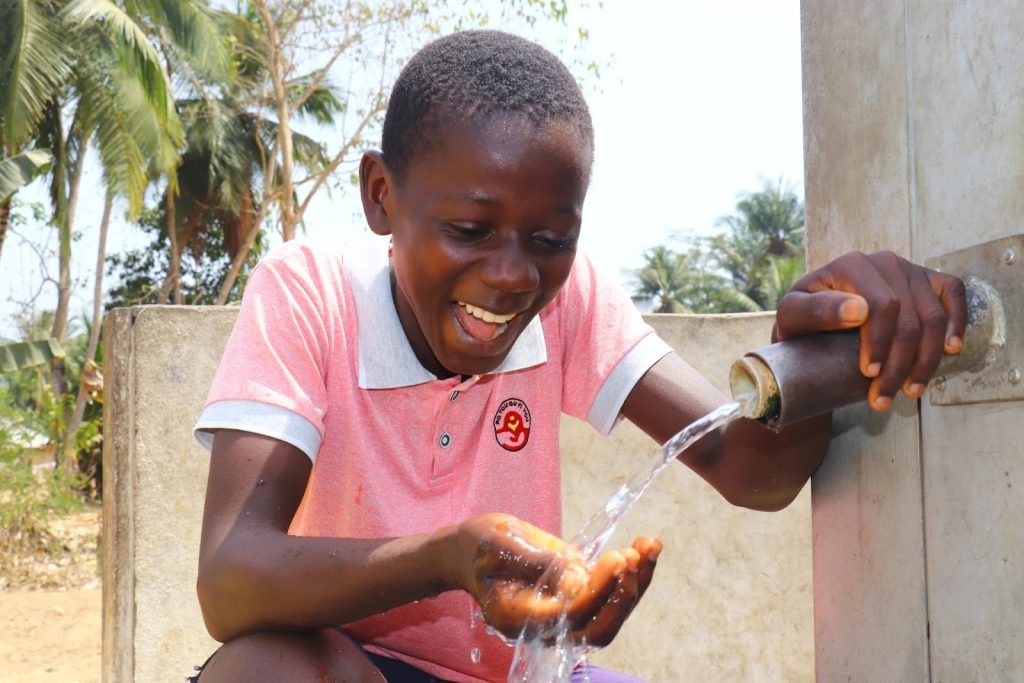
Now, he talks about health the way others talk about achievement.
Clean water, he says, makes him feel “active, healthy, and happy.” He moves through the day with more energy. He attends school regularly. He listens, participates, and keeps pace with his classmates.
His dream of becoming a doctor doesn’t feel so out of reach. He has seen what illness does to families and communities. He knows what it means when safe care isn’t available.
Saving lives, to him, isn’t an abstract idea. It’s personal.
Teachers have noticed the difference in ways that are both subtle and unmistakable.
At Kasanga Primary School, Mrs. Vutu remembers how much time once disappeared into water-related challenges. Lessons paused. Students left. Energy drained from the classroom.
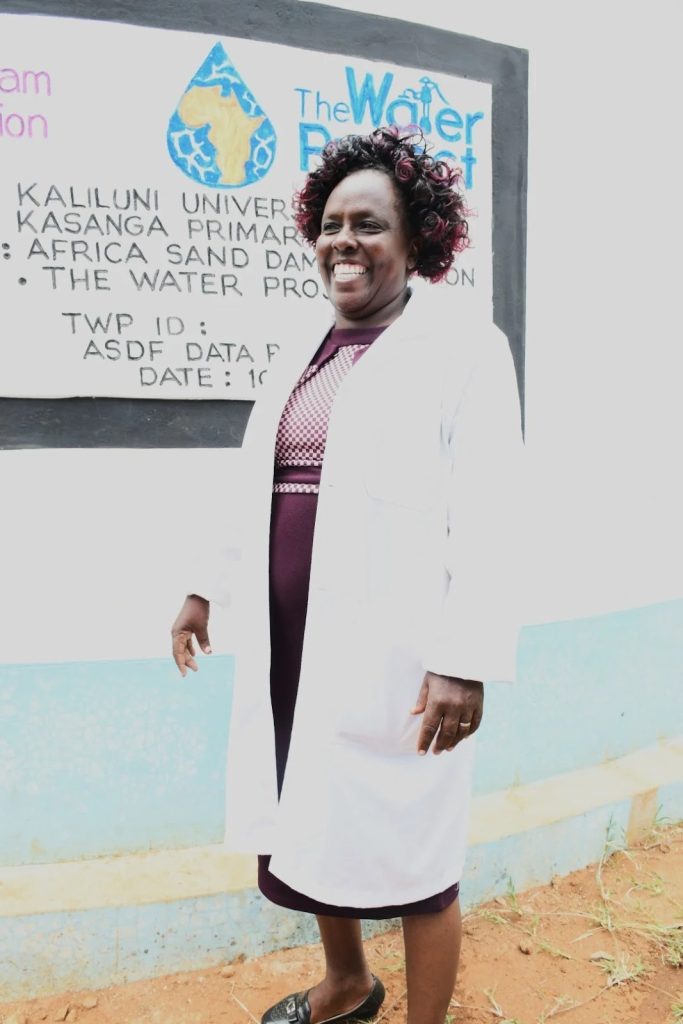
Now, her days feel steadier.
She speaks about having “more time and peace of mind to focus on teaching,” but what she describes shows up in small, ordinary moments, like students raising their hands more often, finishing assignments, and staying present from the first lesson to the last.
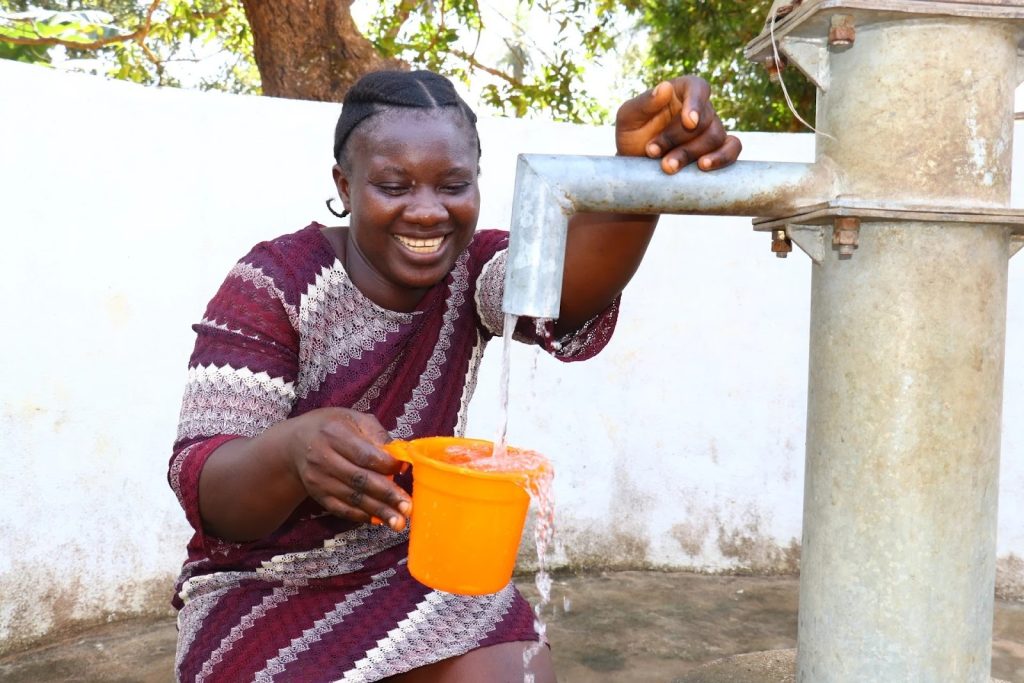
At Bundulai DEC Primary School, Ms. Kamara has watched attendance improve and concentration deepen. With water available nearby, students remain on school grounds throughout the day. Lessons flow without interruption.
She mentions the quality of the water, how it is protected from contamination, but what matters most is what happens afterward – students staying in class, listening, learning, and building momentum that carries from one day to the next.
The changes are not dramatic in the way headlines often describe change.
They show up in quiet ways – a student arriving on time, a full day of uninterrupted lessons, a child who stays healthy long enough to finish the week at school.
Karlota now reaches her classroom before the bell. She settles into her seat, opens her notebook, and sharpens her pencil while the room slowly fills with conversation.
Outside, the sun climbs higher.
Inside, her teacher begins the lesson.
This time, Karlota is already there.
Home More Like ThisTweet