Walking a Dusty Road – A Village’s Journey to Clean Water (Part 2)
Last week, we walked alongside Kyanga as her village experienced a turning point — the arrival of clean water.
But the true story of water begins after the pump is built. It unfolds in classrooms, farms, markets, and homes, where saved hours slowly turn into opportunity.
Time: The First Economic Dividend
When clean water arrives within reach of a village, the first change isn’t money.
It’s time.
Those extra hours quickly reshape daily life. Women who once spent mornings collecting water begin using that time differently, by tending vegetable gardens, weaving textiles, or selling goods at roadside markets.
The sounds of commerce grow, like bargaining voices, clinking coins, and laughter at market stalls.
Children return to classrooms. Over time, higher school attendance leads to improved literacy and job skills, the backbone of future economic productivity.
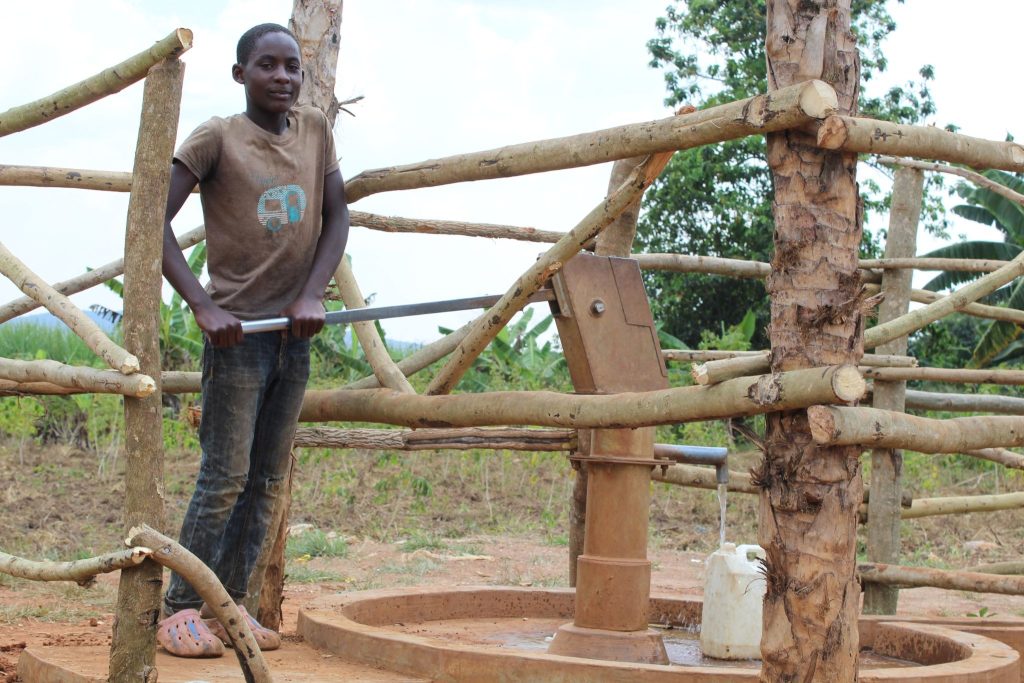
Researchers studying water access across Sub-Saharan Africa consistently find that reducing the time burden of water collection leads to measurable increases in household income. When people gain time, they gain opportunity.
Time, it turns out, is one of the most valuable currencies in any economy.
Health: Protecting the Workforce
Clean water transforms health, and health is an economic engine.
Without contaminated water, cases of waterborne illnesses decline sharply. Clinics become quieter as fewer patients crowd waiting benches.
Healthy workers mean reliable labor. Farmers plant on time. Traders travel farther. Teachers stay in classrooms instead of caring for sick children.
Healthcare costs also drop. Families spend less on medication and emergency treatment, freeing funds for investments, like livestock, tools, education, or small businesses.
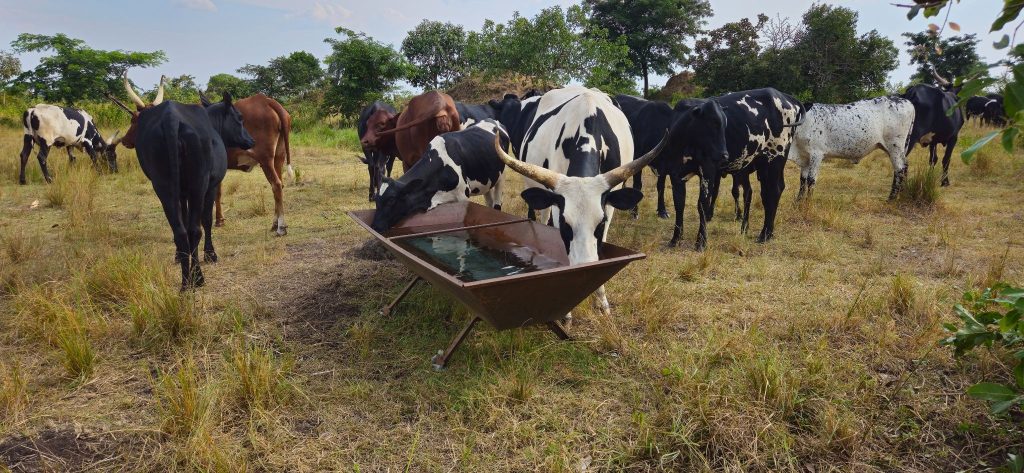
At the national level, this shift matters enormously.
Countries lose billions of dollars each year to lost productivity caused by preventable diseases linked to unsafe water. Reducing illness doesn’t just save lives. It also strengthens labor markets and supports steady economic growth.
Agriculture: Water as Capital
Across Sub-Saharan Africa, agriculture remains the economic backbone for many communities. Water is its lifeblood.
With reliable clean water sources, farmers can irrigate crops during dry periods instead of watching seedlings wither in relentless heat. The smell of damp soil replaces the scent of dust. Green shoots appear where land once stood barren.
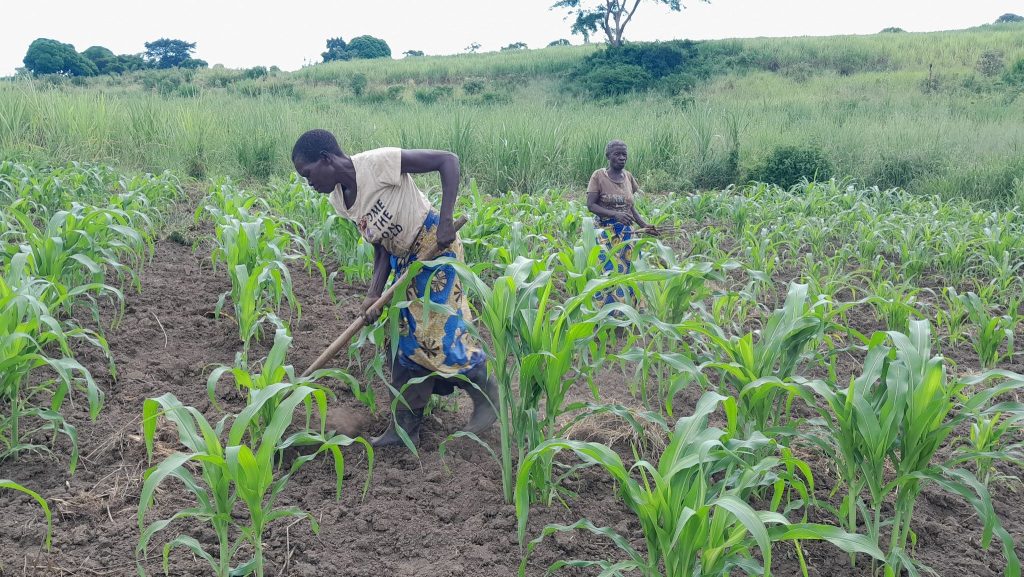
Crop yields increase.
More harvest means surplus, and surplus means trade.
Local markets expand. Farmers diversify crops, growing vegetables and fruits alongside staples. Families sell excess produce, generating cash income and improving food security at the same time.
Over time, these agricultural gains ripple outward into regional economies, increasing supply chains, boosting transportation demand, and supporting local entrepreneurship.
Water, in this sense, becomes a form of capital investment.
Women at the Center of Economic Change
In many Sub-Saharan African communities, women carry the greatest burden of water collection and therefore benefit most when access improves.
When the daily trek for water disappears, something powerful happens.
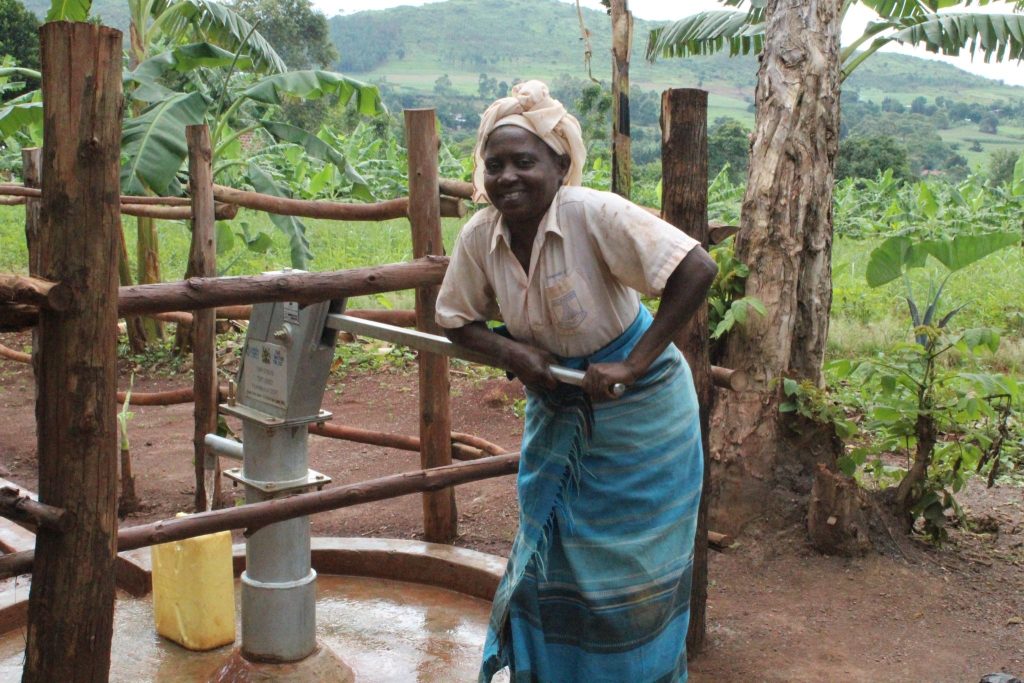
Women open small businesses, like tailoring shops, food stalls, and craft production. The scent of frying dough rises from roadside stands. The hum of sewing machines becomes familiar. Income earned by women often goes directly into family needs, namely education, nutrition and healthcare.
Studies consistently show that when women control more time and income, household welfare improves and poverty declines.
Clean water doesn’t just hydrate communities.
It empowers them.
The Multiplier Effect: Small Change, Big Impact
Economists often talk about the multiplier effect, the idea that one investment triggers many layers of economic activity.
Clean water infrastructure is a powerful example.
A single borehole or piped system can reduce disease, increase school attendance, boost agricultural output, enable new businesses, create local employment for maintenance, and improve long-term workforce productivity.
Each benefit reinforces the next.
Like ripples spreading outward after a stone hits water, the effects multiply far beyond the original investment.
A Future Measured in Liters and Livelihoods
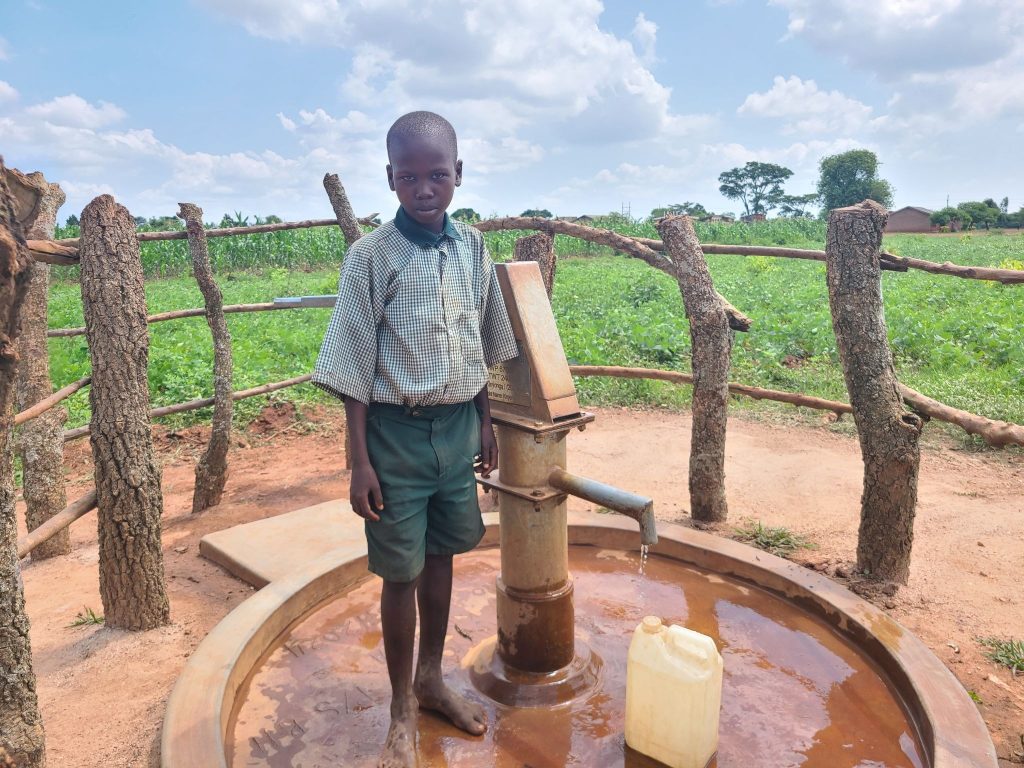
Back in Kyanga’s village, the pump has become part of everyday life.
You can hear it in the steady rhythm of hands lifting the handle. You can see it in the vegetable gardens that line the path to the market. You can smell it in the steam rising from boiling rice instead of murky soup.
And you can measure it in numbers.
More children in school.
More goods at market.
More income in households.
More resilience during drought.
Water, once a daily burden, has become a foundation for growth.
More Than Water
Clean water is often framed as a humanitarian necessity, and it is. But it is also an economic strategy.
In Sub-Saharan Africa, expanding access to safe water is not just about preventing disease or reducing hardship. It is about unlocking productivity, fueling enterprise, and creating pathways out of poverty.
Water changes the rhythm of a village.
It changes how time is spent, how money is earned, how futures are imagined.
It turns survival into opportunity.
And sometimes, all it takes to start that transformation is the sound of clear water hitting metal — bright, ringing, and full of possibility.
Home More Like ThisTweet