The Southeastern Kenya That I Encountered
My visit to Southeastern Kenya was one of a kind. This was my second time visiting the southeast, and things looked so different. The first time I visited the communities there, it was dry and dusty. Community members were fetching water from scoop holes, some carrying water with carts and bicycles, and others on their heads. But this time round, everywhere was green, and it felt like I was in Western Kenya.
Southeastern Kenya is defined by a semi-arid climate with erratic rainfall and prolonged dry seasons. Unlike the Western region, where water sources are often in close proximity to households (though often running with unclean water), communities in the southeast frequently face severe physical water scarcity. This necessitates long-distance travel to reach boreholes, seasonal riverbeds, or sand dams. My visit to the mature sand dam made me happy because, as a woman, I knew that when the dry season hits the region, the men, women, and children in the community will have access to water.
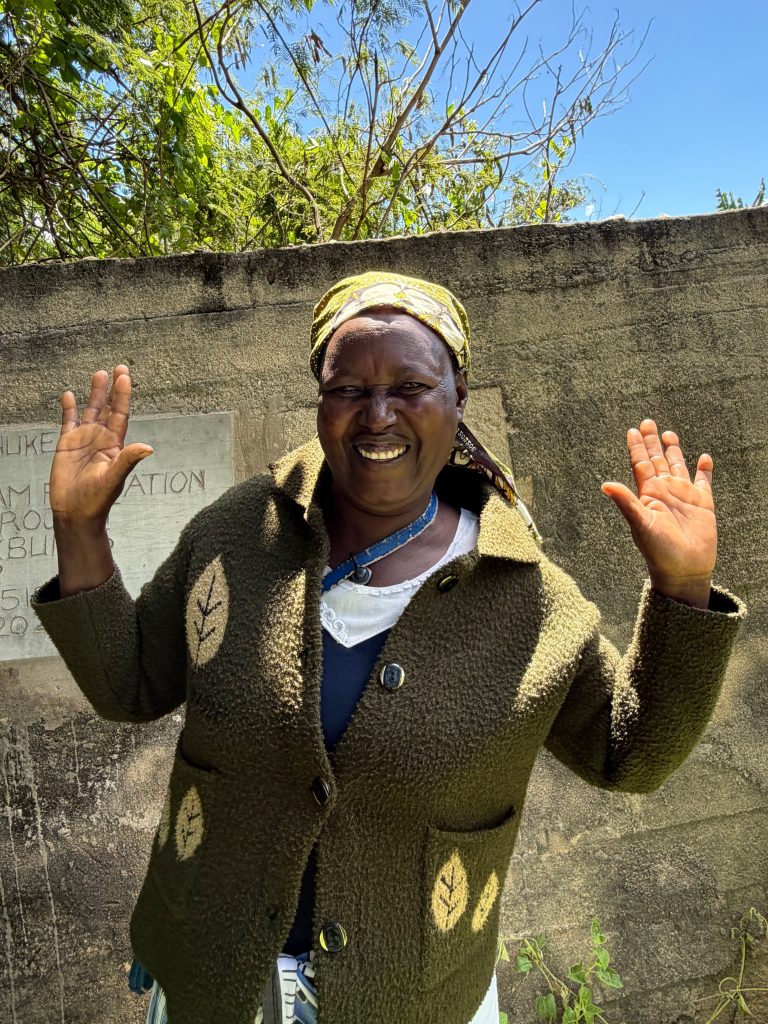
Mrs. Rose Musyoka was a happy mother, and she expressed how life had changed after the sand dam was constructed. She said, “Before the sand dam was constructed by The Water Project in 2021, the community faced a lot of challenges. They used to walk 5 kilometers downstream to look for water, which was very strenuous and wasted a lot of time.” She added that life was hard, but after the sand dam was constructed, the well provides them with water and it never runs dry. She could not hide her joy as she said that she is now practicing bee keeping, which is earning her income to support her family, and she is hopeful that the coming generations will not suffer to get water.
How ironic is it that we are in the same country but facing different water challenges? That was the question I couldn’t answer on my own. But as I interacted more with the women, I learned that for the people living in the southeast, the focus is predominantly on water harvesting and storage technologies, such as the construction of sand dams and large-scale rainwater catchment. And for the people staying in Western Kenya, interventions often focus on water treatment, spring protection, drilling of boreholes, and sanitation to combat waterborne diseases.
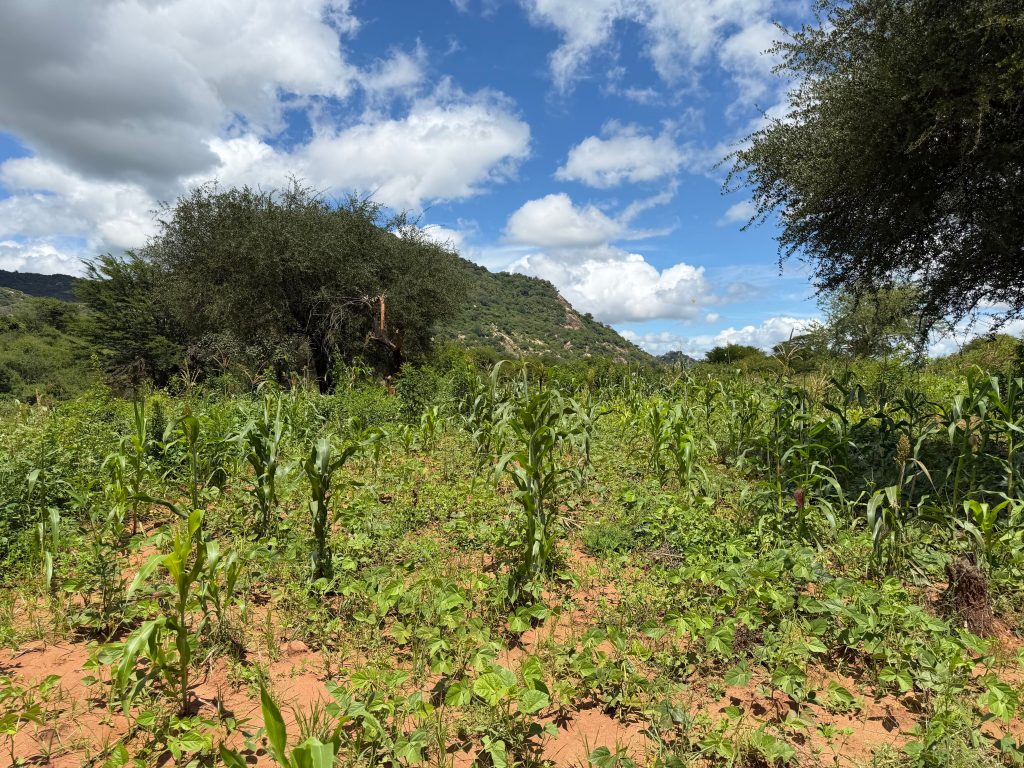
The green vegetation and fresh air while walking through the communities was breathtaking. I learned that because of the sand dams along the river banks constructed by The Water Project, the communities are now healthier. They have kitchen gardens with fresh green vegetables, they get enough water to drink because there is enough stored in the sand dams to serve them for years, and their children go to school clean and fresh because they have water to bathe in and drink. Indeed, water is life, and we all need it in order to live as normal human beings.
My visit to the second community (Yuio Sand Dam) was such a surprise. The men and women were preparing for the construction of the sand dam, and they could not hide their joy and celebration towards The Water Project. The songs and dances reminded me that I am blessed to have water running in my house while they don’t. Seeing the community members collecting the local materials together as a family showed that they live together as a family, united by the need for access to water. Both the young and the old, men and women, worked together to ensure that the project was successful. They sacrificed their time, resources, and energy in preparing for the construction of the sand dam. They were collecting sand and stone for the construction. This took a lot of time and energy, but I could see their determination and their urge to have water closer to them. They collected sand together as they sang in their local language.
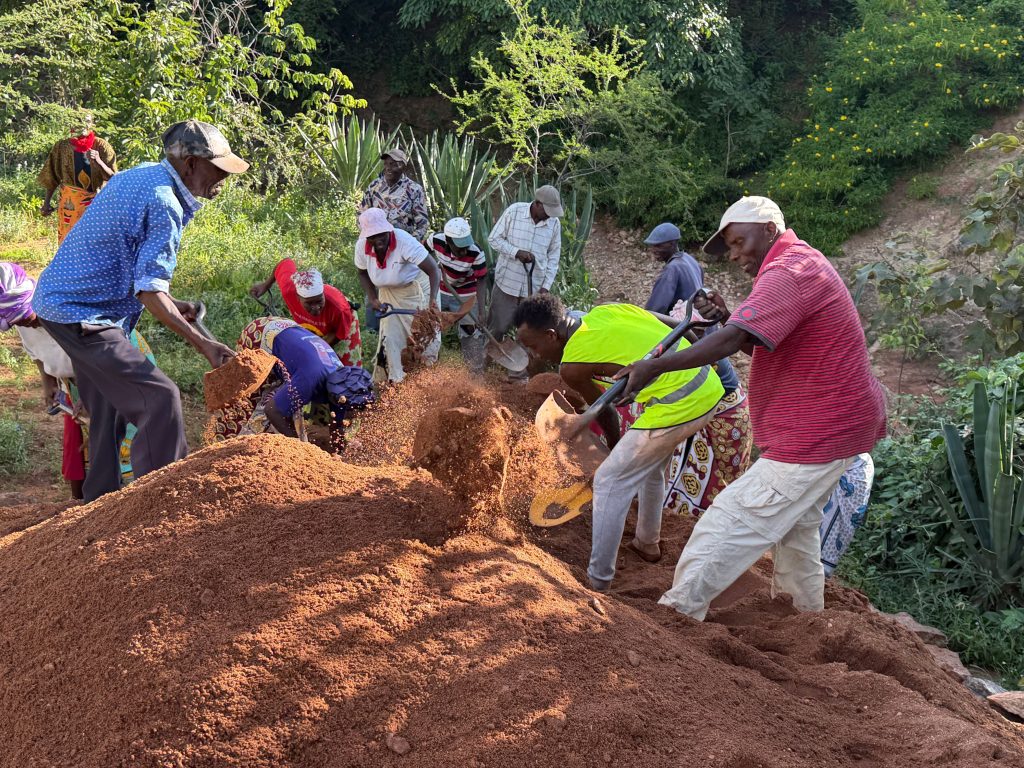
Through working together to support The Water Project, I learned that it brings them together, because at the end of the construction, the ownership of the water point belongs to the community. When it comes to ownership of the sand dam and its management, the community must participate fully for the sand dam to serve them well.
My encounter with Mrs. Agneta reminded me that women are very strong and are heroes to our families. According to her, she wakes up as early as 2am together with other women to go and look for water kilometers away from their homes. When they get to the water source, they are forced to sleep as they queue, because they had woken up so early. Sometimes, those who got to the scoop holes earlier will finish the water, and other women have to go back home without any. She appreciated The Water Project for supporting them in the construction of a sand dam closer to their homes. She said that they will no longer be waking up late at night to fetch water, because they were risking their lives doing so. Sometimes they even left their children sleeping as they went to look for water. As women, they were very happy, because they will have water closer to them, and the general sanitation and hygiene of their children and their homes will improve.
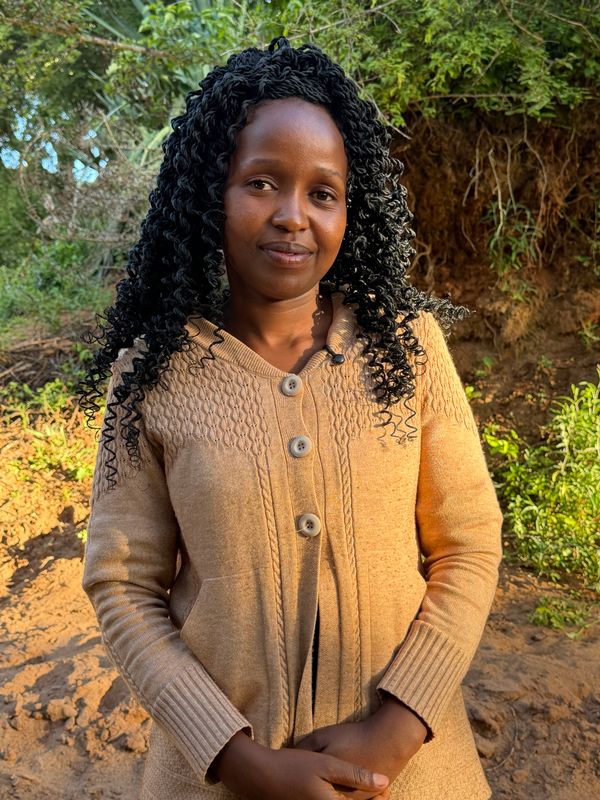
To anyone supporting The Water Project out there, just know that you are touching lives in a different way, and the dreams and aspirations of men, women, and children come to pass.
The first time I visited the southeast, I saw dust. This time, I saw green. That is what water does, and that is what happens when communities and the people who believe in them stand together.
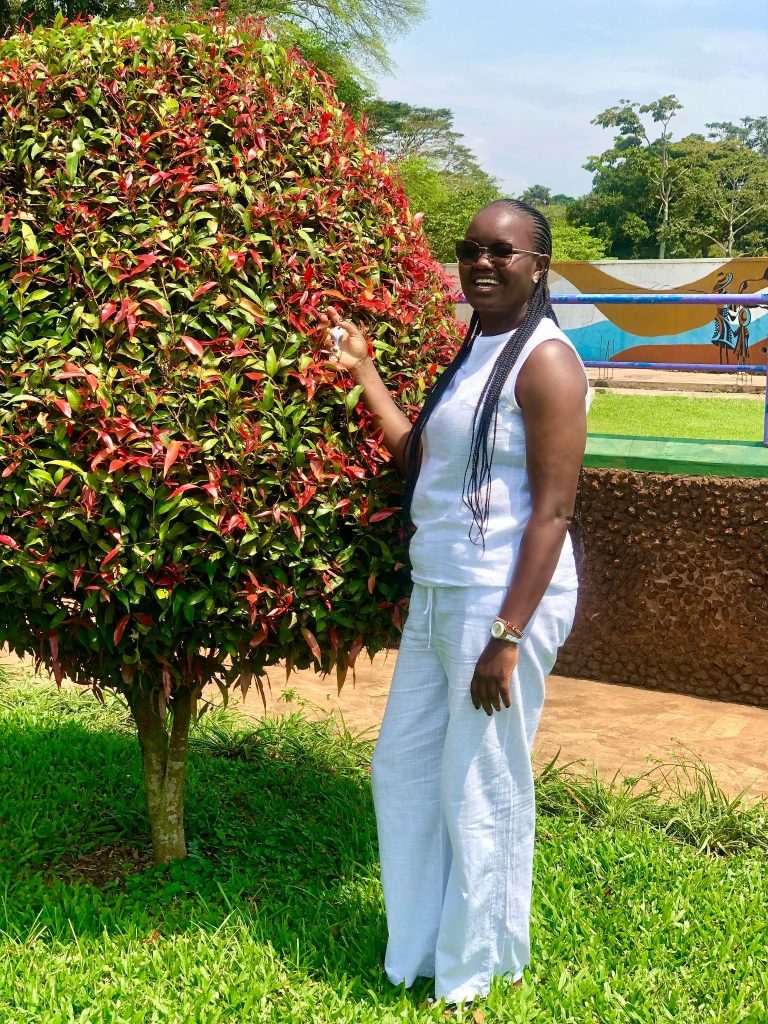
“Olivia’s Field Notes” written by Olivia Chebet Bomji
Impact Communications Officer
The Water Project
Home More Like ThisTweet