Code Blue: No Water – episode 1
IMPORTANT DISCLAIMER: The TV hospital story in this blog is purely fictional, but the story set in Sierra Leone is 100% real. Learn more about the health center mentioned in the story by clicking the link below.
Pepel Health Center: https://thewaterproject.org/community/projects/sierra-leone/well-rehabilitation-wash-project-590055
FADE IN.
INTERIOR – GLEAMING HOSPITAL — DAWN
A camera sweeps down a polished corridor. Sunrise pours through floor-to-ceiling windows. Monitors beep in perfect rhythm. DR. AMARA, 30s, scrubs crisp, coffee in one hand, pushes through swinging doors.
DR. AMARA: (to a passing colleague) Morning. Anything overnight?
NURSE: All quiet. Labs are back on the Henderson case.
She steps to a wall-mounted sink. The sensor catches her hands. Water – hot, clean, instant – runs without thought. She scrubs. Music swells.
SMASH CUT TO:
INTERIOR — PEPEL COMMUNITY HEALTH CENTER, SIERRA LEONE — DAWN
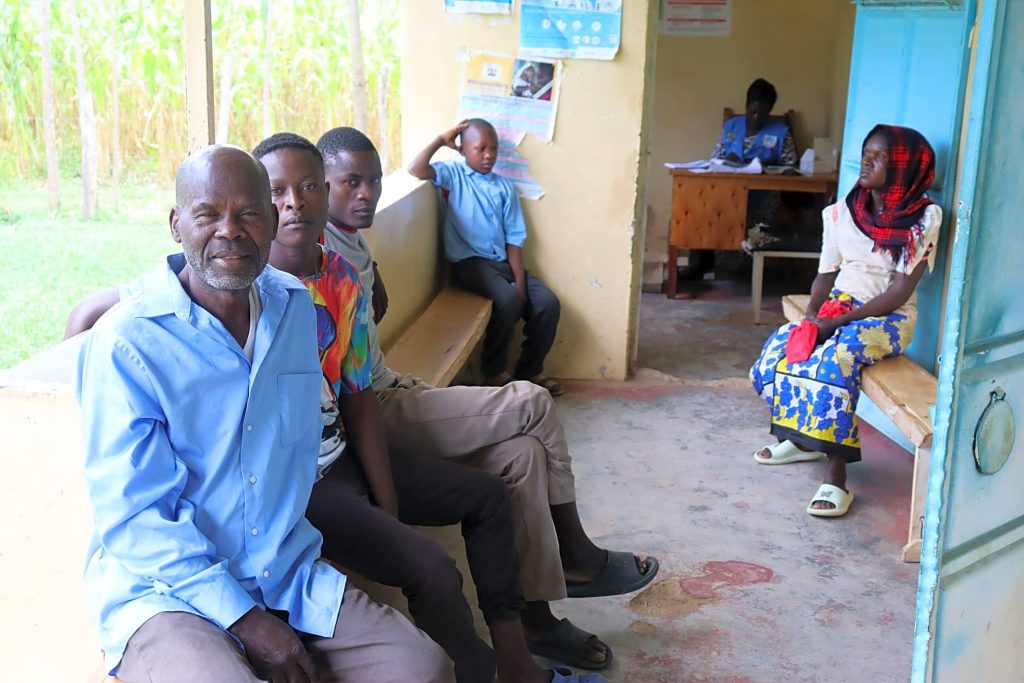
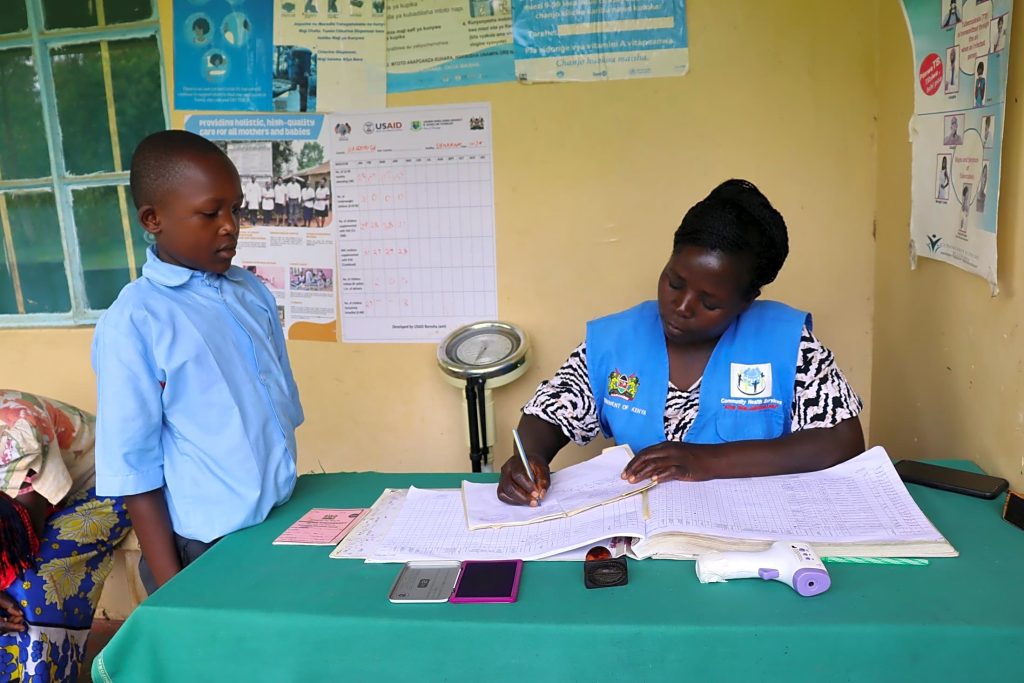
A single fluorescent flickers on. ISATU, also in her 30s, nurse’s uniform under a wrap, steps inside. The waiting room benches are cool from the night. The vaccine cooler hums.
She doesn’t check her schedule. She doesn’t check her supplies.
She walks straight to a plastic jerrican against the wall. Lifts it. Tilts. Listens.
Beat.
Her shoulders drop. Almost imperceptibly.
TITLE OVER BLACK: Before the first patient.
NARRATOR (VOICE OVER)
There may or may not be enough. That depends on whether the well held up overnight, whether the rains came, or whether anyone has been by the spring. It depends on a lot of things that are not in her control, and on which the rest of her workday will hang.
This is the part of healthcare in sub-Saharan Africa that doesn’t appear in any training manual. Long before the first patient is seen, a nurse has already been asked to make decisions no one should have to make in a place that calls itself a clinic.
ACT ONE: The Walk Nobody Counts
INTERIOR — TV HOSPITAL — CONTINUOUS
A code is called. DR. AMARA sprints down the hall. Crash-cart wheels squeak. She skids into the trauma bay. A nurse hands her sterile gloves, pre-gowned, ready. She works. Loud. Fast. Full.
DR. AMARA: Charging to 200. Clear!
The camera spins. The music drives. This is the rhythm we’ve been trained to expect: emergencies met with everything an emergency requires.
CUT TO:
EXTERIOR — DIRT PATH OUTSIDE PEPEL CLINIC — MORNING
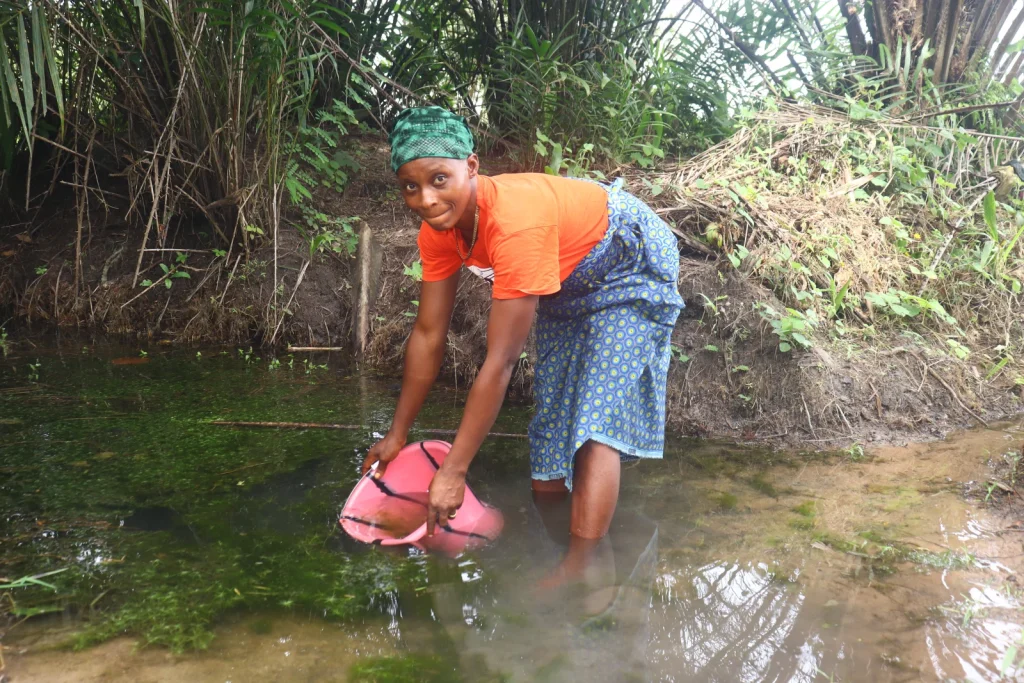
ISATU walks. Two empty jerricans, one in each hand. Steady pace. Practiced. The clinic shrinks behind her.
INTERCUT WITH:
INTERIOR —PEPEL CLINIC — WAITING ROOM — CONTINUOUS
A MOTHER in late labor grips the metal frame of the bed. A CHILD coughs into a cloth held to his face. An OLDER WOMAN watches the door.
Nobody speaks. Everybody waits.
BACK TO ISATU. The sun climbs. The jerricans, still empty, knock against her thighs. Thirty minutes there. Thirty minutes back.
TITLE CARD: One hour. Not in any job description.
NARRATOR (VOICE OVER)
When the well at Pepel failed, the staff did what staff do everywhere when essential resources fail: they improvised. The improvisation, in this case, was that walk.
That hour belongs to nobody’s job description. It is also nobody’s training. It is simply the cost of staying open.
ISATU reaches the source. Kneels. Begins to fill the first jerrican.
The vaccine cooler holds medicine that is useless without clean hands to administer it. The mother in labor grips the bed. The clinic does not pause its emergencies for the water trip. It just postpones its responses.
EXTERIOR — PATH BACK TO CLINIC — LATER
ISATU walks back. Heavier now. Slower. She stops once to switch hands. Keeps moving.
Close on her face. She speaks plainly, to no one, to herself, to us:
ISATU: Without water, I cannot do deliveries. I cannot keep hygiene during emergencies. That is the truth of it.
NARRATOR (VOICE OVER)
It is not a complaint about working conditions. It is a clinical statement. There are things she is trained to do, things her patients need her to do, things her license obligates her to do, and she cannot do them. Not because she lacks skill, supplies, or will. Because there is no water. But the patients keep coming …
TO BE CONTINUED…
IMPORTANT NOTE: Here at The Water Project, we know water scarcity is no laughing matter. These blogs are meant to bring attention to this issue while also being creative and providing some entertainment. We truly hope you enjoy this blog series and learn something along the way.
Home More Like ThisTweet