Code Blue: No Water – episode 2
IMPORTANT DISCLAIMER: The TV hospital story in this blog is purely fictional, but the story set in Sierra Leone is 100% real. Learn more about the health centers mentioned in the story by clicking the links below.
Pepel Health Center: https://thewaterproject.org/community/projects/sierra-leone/well-rehabilitation-wash-project-590055
Shivakala Health Center: https://thewaterproject.org/community/projects/kenya/new-borehole-wash-project-410179/
ACT TWO: The Decisions Nobody Should Have to Make
INTERIOR — TV HOSPITAL — DAY
MONTAGE. DR. AMARA scrubs in. Sterile fields laid. An autoclave hisses. Gloves changed between every patient. The camera lingers on a tap, running freely. Almost a character itself.
CUT TO:
EXTERIOR — PEPEL CLINIC — DAY (DIFFERENT DAY)
ISATU at the back of the clinic, looking at an empty rainwater drum at her feet. It rings hollow when she taps it.
She turns. Looks down the path. Not the long one this time. A shorter one. Worse.
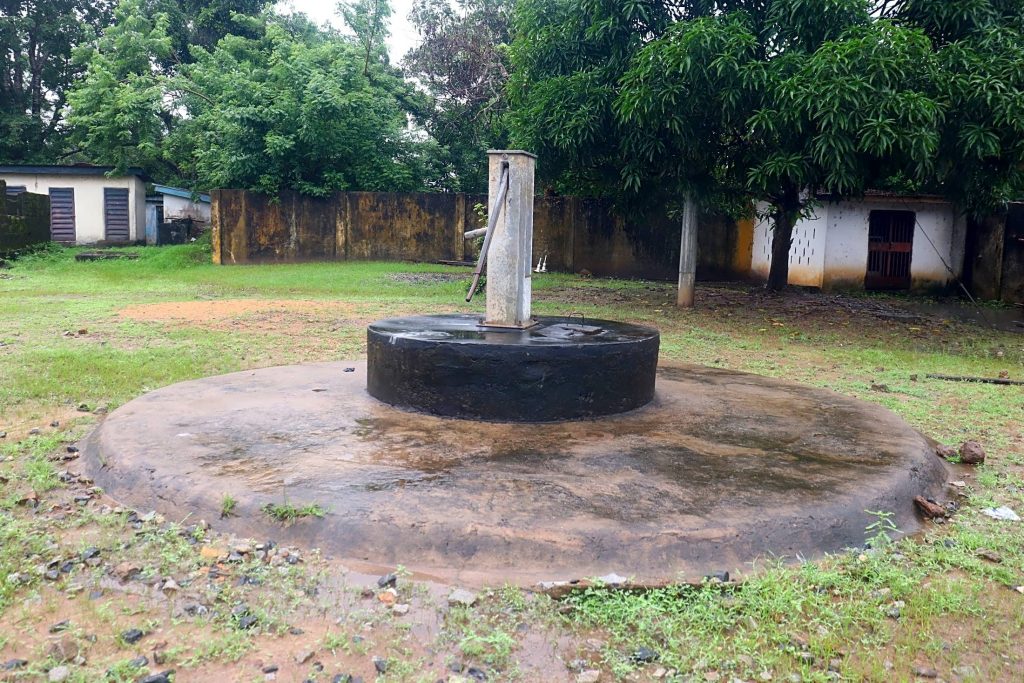
HER POV: An unprotected spring. Livestock prints in the mud beside it. The water moves slowly. Clouded.
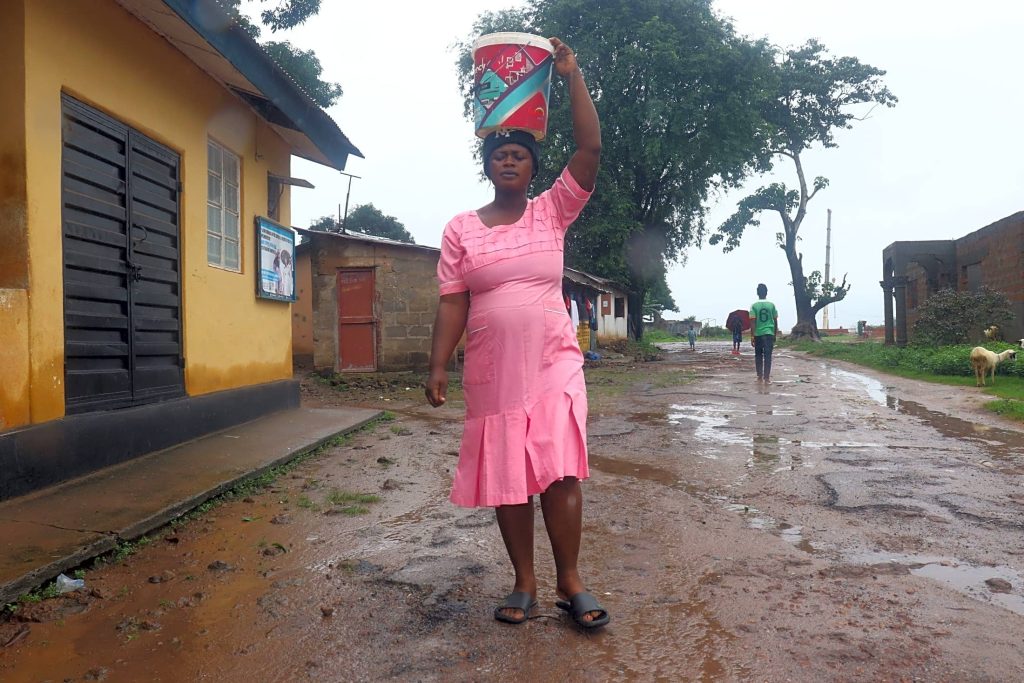
She picks up a bucket. Starts walking.
NARRATOR (VOICE OVER)
When water is scarce but not absent, the work does not stop. It gets harder. The same story plays out across the region. At Shivakala Health Center in Kenya, when the stored rainwater ran out, staff turned to a spring they knew was contaminated, because the alternative was no water at all.
INTERIOR — PEPEL CLINIC — LATER
The bucket, full now, the water gray-brown, sits on the tiled floor. ISATU stands over it with a cloth in her hand. A surface needs cleaning. Her hands need washing. A patient is waiting.
She does not move. The math is happening.
OVERLAPPING VOICES — soft, urgent, hers:
ISATU (VOICE OVER):What can I clean with this? What can’t I? If I use it to sterilize this surface, do I have enough left to wash my hands before the next patient? If I save it for the delivery, what about the child who just vomited in the waiting room?
She dips the cloth. Decides. Moves.
NARRATOR (VOICE OVER)
Not enough water to clean surfaces after a patient was sick. Not enough to wash hands the way training taught.
Push in on the bucket. Less water than there was an hour ago.
The bucket gets smaller as the day goes on. So do the options.
INTERIOR — CLINIC — LATER
ISATU between patients, drying her hands on her uniform as there is no clean towel to spare. She catches her own face in a small mirror by the door. Holds the look.
NARRATOR (VOICE OVER)
This is the part of the job that does not get talked about. It is not the dramatic clinical decision-making medical dramas are built on. It is the quiet, accumulating weight of being asked to provide care with tools you know are inadequate, and to still keep showing up anyway.
ACT THREE: What It Costs to Keep Showing Up
INTERIOR — TV HOSPITAL — NIGHT
DR. AMARA, exhausted but satisfied, walks out of the trauma bay. A colleague claps her on the shoulder. “Good save.” She smiles. Cut to a quiet locker room. She sits. Breathes. She did the job she was trained to do.
CUT TO:
INTERIOR — PEPEL CLINIC — END OF DAY
ISATU sits on the bench where, hours ago, a mother labored. Her hands rest on her knees. The empty jerrican is at her feet.
She did not do the job she was trained to do. She did the job the day allowed.
She does not move for a long time.
FLASHBACK — INTERIOR — NURSING CLASSROOM — DAY (YEARS EARLIER)
A younger ISATU in a row of student nurses. A whiteboard. An INSTRUCTOR pointing to a list: HAND HYGIENE. STERILE FIELD. CLEAN DELIVERY. WASTE MANAGEMENT.
Young ISATU writes it all down. Believes all of it.
BACK TO PRESENT. The bench. The empty jerrican. The believer, still here.
NARRATOR (VOICE OVER)
There is a particular kind of fatigue that comes from doing work you’ve trained for, that you care about, with one hand tied behind your back.
Healthcare workers in clinics without reliable water often know exactly what good care should look like. They’ve been taught it. They believe in it. They watch themselves fall short of it every day, not from negligence, but from the simple physics of an empty tap.
That strain isn’t loud. It doesn’t show up on any dashboard. But it shapes whether nurses stay in their jobs. Whether they recommend the profession to younger people. Whether the clinic is fully staffed five years from now.

EXTERIOR — CLINIC DOORWAY — DUSK
ISATU steps out. Pulls the door closed. Locks it. Stands for a moment in the orange light.
Behind her, the building. In front of her, the path home. The jerrican stays inside, waiting for tomorrow.
NARRATOR (VOICE OVER)
In most conversations about clean water in healthcare facilities, the patient is the only person we picture. But the staff are the ones absorbing the daily impossibility of the work.
They’re the ones walking thirty minutes for water and coming back to a waiting room. The ones rationing a half-bucket across an afternoon of emergencies. The ones holding a clinic together with something other than what it was supposed to be held together with.
TO BE CONTINUED…
IMPORTANT NOTE: Here at The Water Project, we know water scarcity is no laughing matter. These blogs are meant to bring attention to this issue while also being creative and providing some entertainment. We truly hope you enjoy this blog series and learn something along the way.
Home More Like ThisTweet