Code Blue: No Water – episode 3
IMPORTANT DISCLAIMER: The TV hospital story in this blog is purely fictional, but the story set in Sierra Leone is 100% real. Learn more about the health centers mentioned in the story by clicking the links below.
Pepel Health Center: https://thewaterproject.org/community/projects/sierra-leone/well-rehabilitation-wash-project-590055
Shivakala Health Center: https://thewaterproject.org/community/projects/kenya/new-borehole-wash-project-410179/
ACT FOUR: When the Water Returns, So Does the Work
EXTERIOR — PEPEL CLINIC — MORNING (WEEKS LATER)
Same clinic. Same sunrise. Different morning.
ISATU walks to the tap outside. Reaches for the handle.
Pause.
She turns it.
Water runs. Clear. Steady. Hers.
Hold on her face. The smallest exhale.
MATCH CUT TO:
INTERIOR — TV HOSPITAL — MORNING
DR. AMARA at her sensor sink. Water. Hands. The same exhale.
For one frame, the two women are the same woman.
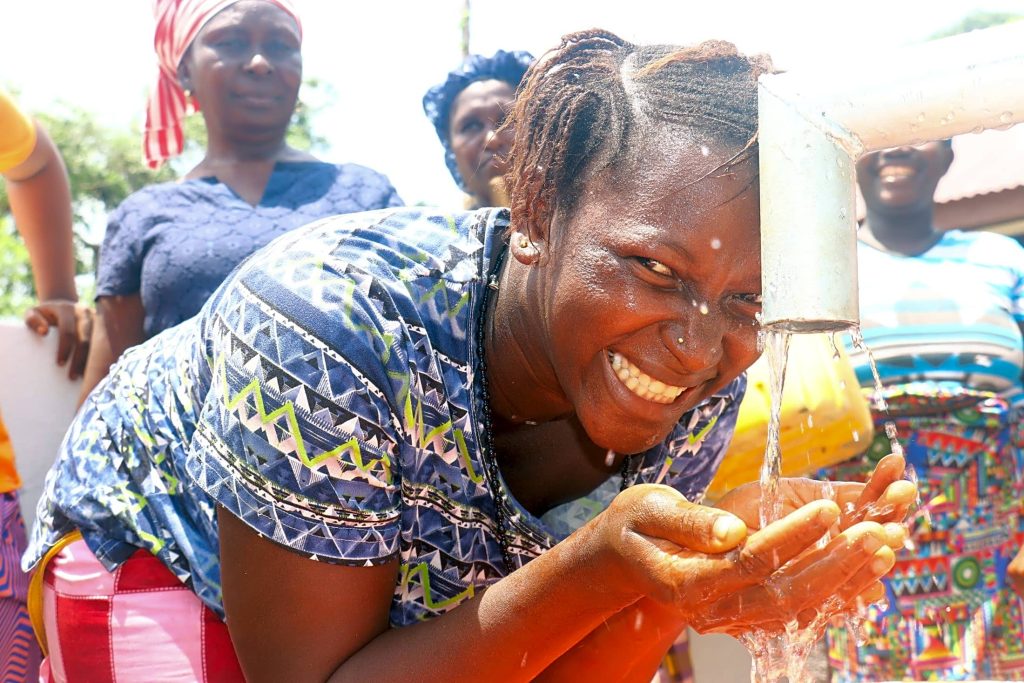
SERIES OF SHOTS — PEPEL:
- ISATU washing her hands between patients. Not rationing. Not counting.
- A delivery, calm, clean – a newborn taking a first breath in a room where the floor has been properly cleaned.
- A hand-written sign going up on the wall: MATERNAL CARE — NEW SERVICE.
- Staff filling jerricans not for hygiene triage but to take home at end of shift. Normal life.
NARRATOR (VOICE OVER)
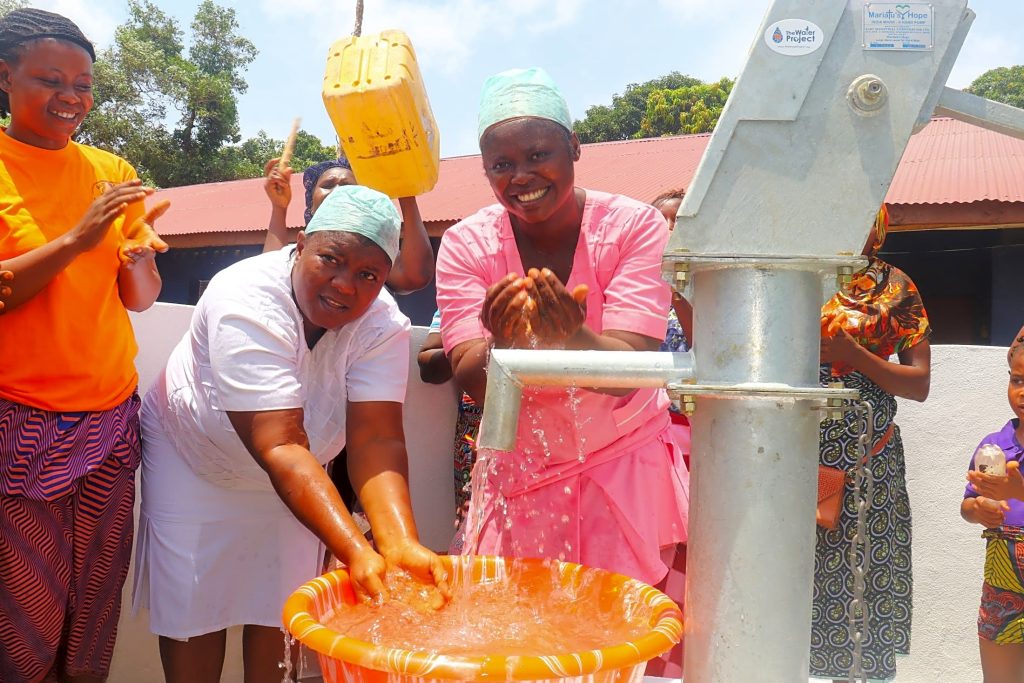
When the well at Pepel was rehabilitated, the change wasn’t only that the clinic became safer for patients. It became practicable for staff.
The thirty-minute walk ended. The nurse stayed onsite. The day she had been trained to provide was, for the first time in a long time, actually available to her.
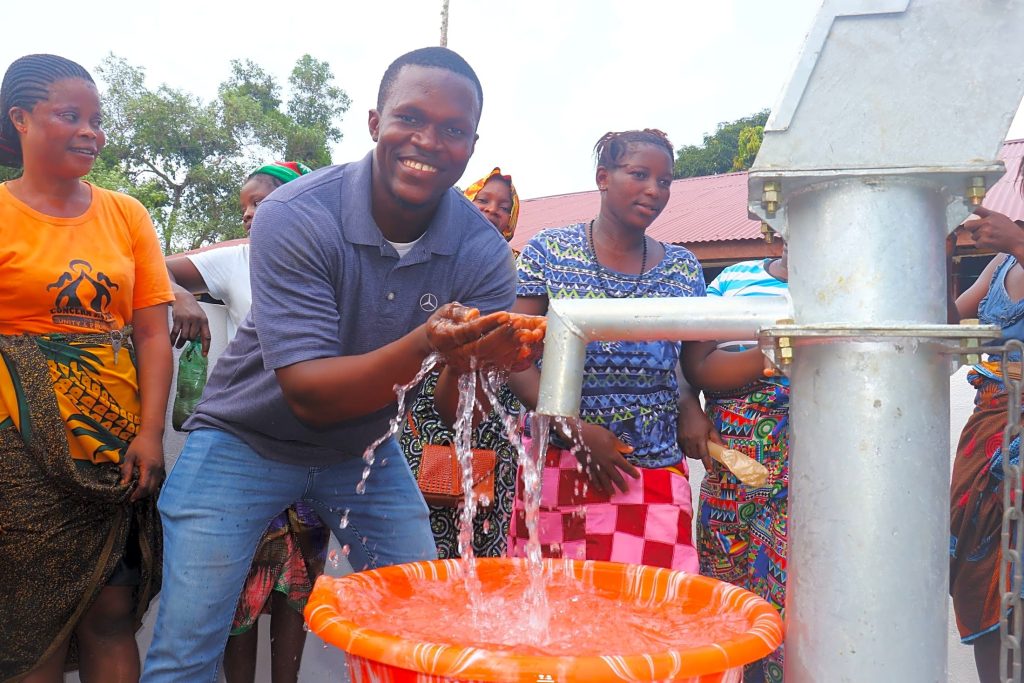
At Shivakala in Kenya, a new borehole shifted the math the same way. Staff could uphold hygiene standards without rationing. They could plan for new services: maternal care, safer deliveries, a cleaner space for newborns to take their first breath.
The clinic stopped asking its workers to compensate for missing infrastructure. It started letting them practice medicine.
EPILOGUE — The Quiet Part of the Story
EXTERIOR — PEPEL CLINIC — DUSK
ISATU again. Same doorway. Locking up again. But she is not carrying anything home that does not belong at home. Her hands are empty in a way that means rest.
NARRATOR (VOICE OVER)
Most stories about clean water in healthcare focus on the patient. That focus is right and important. But it misses the person standing on the other side of the bed.
She steps onto the path. Walks toward the camera. Past it.
A nurse in a clinic without water is being asked to be something more than a nurse: a water carrier, a rationer, a triage officer for hygiene supplies.
When the water comes back, she gets to be a nurse again.
The path. The orange light. The empty doorway behind her.
That’s its own kind of healing. And it is the part of the water story the patient never sees, but the community feels for years, in every staff member who decided to keep showing up.
FADE OUT.
IMPORTANT NOTE: Here at The Water Project, we know water scarcity is no laughing matter. These blogs are meant to bring attention to this issue while also being creative and providing some entertainment. We truly hope you enjoyed this blog series and learned something along the way.
Home More Like ThisTweet