How Living With Water Shapes Who We Are
How do men, women and children emotionally cope with long-term water insecurity? That is the question I kept asking myself this week as I visited several communities and schools. It reminded me of growing up as a young girl without water in school, and I could connect with the emotional weight the young boys and girls were carrying as they fetched dirty water.
As I interacted with women and children in the communities and schools I visited, I learned that most of them prioritize water for drinking or cooking while sacrificing hygiene practices, such as handwashing or bathing, which can lead to feelings of shame or social discomfort.
When Faith & Water Compete
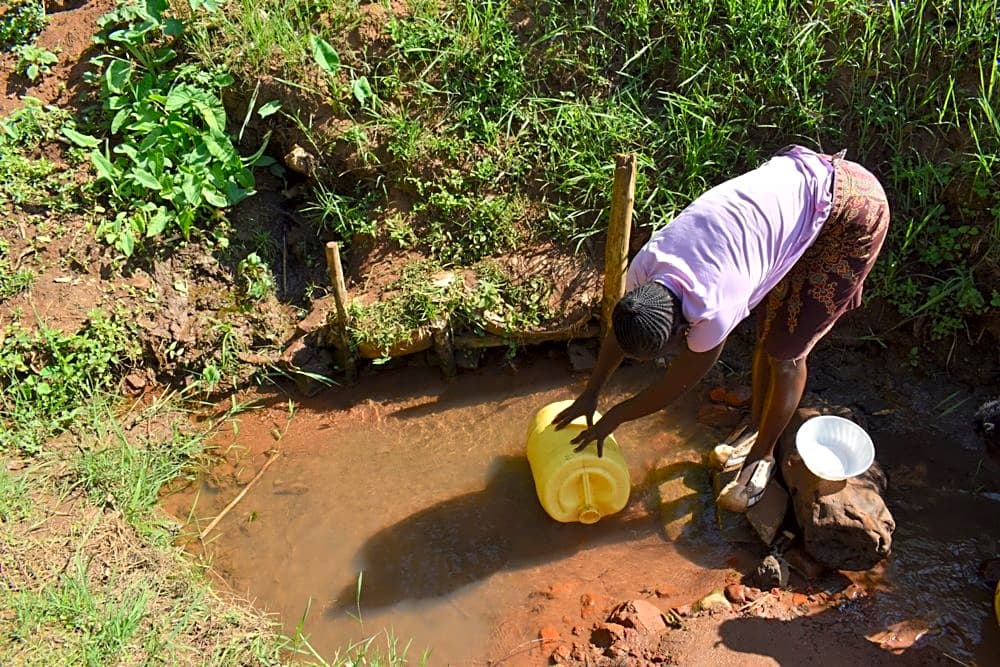
Spending time with women in one of the communities in Mumias East, Western Kenya, was fun and sad at the same time. It was very clear that in communities where face-washing or bathing is maintained for social or religious reasons, the pressure to uphold these standards despite water scarcity creates significant internal conflict. Parents also experience deep distress when they cannot protect their children from the health risks tied to water insecurity, such as diarrheal diseases or poor nutrition caused by the inability to prepare a proper, balanced meal.
According to the women in that community, they prioritize religion. Their first priority is to provide water to wash their faces and bathe before prayers, and only then do they look for water for other uses. So they have to decide which container of water is set aside for religious reasons and which is for cooking, drinking and washing. To me, that is a lot to handle as a woman, especially when there is no safe water to use.
At a School Without Water
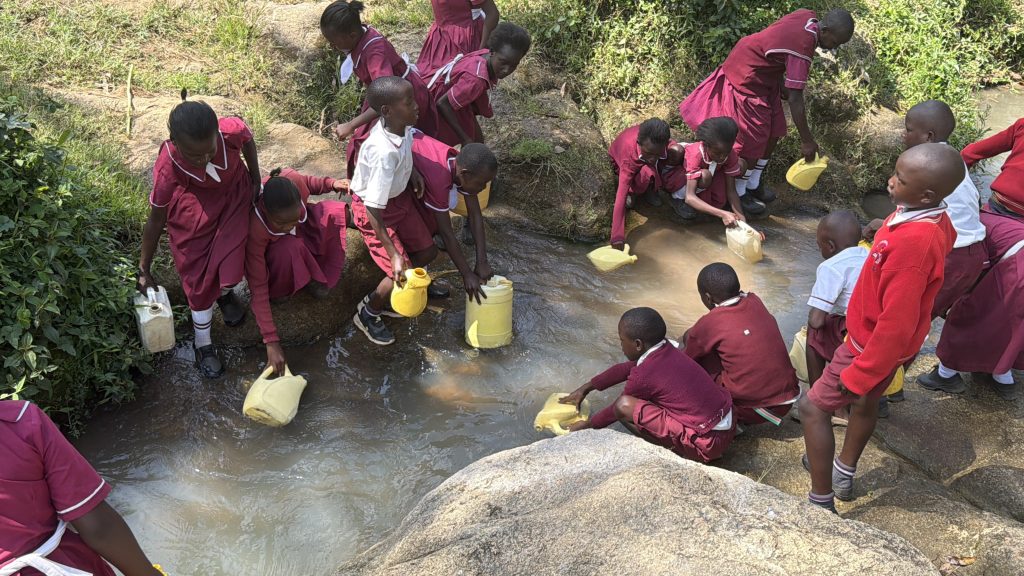
My visit to a school without water the next day made me realize that, for children, the impact is particularly acute. The lack of clean water at school can lead to educational setbacks, as students spend time collecting water rather than attending classes. This disruption does not only affect their immediate well-being; it also limits their future dreams and aspirations.
Ultimately, the coping strategies they use, ranging from storing water for long periods to seeking out alternative and often contaminated sources, are accompanied by a persistent, underlying fear of illness and a sense of powerlessness against the climatic and infrastructural drivers of the crisis.
Stolen Dignity
How do people feel when they cannot access safe water, especially in the 21st century? I asked some of the students, and what they shared stayed with me. The emotional and psychological toll is deeply rooted in everything water collection takes away, where families, often women and children, spend hours every week trekking to distant sources. This labor is not merely a physical burden; it is a source of frustration and hopelessness, as it keeps children from attending school and adults from pursuing income-generating activities. The daily reality is a cycle of anxiety, as people must choose between drinking water they know may be contaminated or going without. It creates a sense of stolen dignity, as individuals are forced to manage basic hygiene in unsafe or public conditions, leaving them vulnerable to exploitation and social exclusion.
The Power of Clean Water
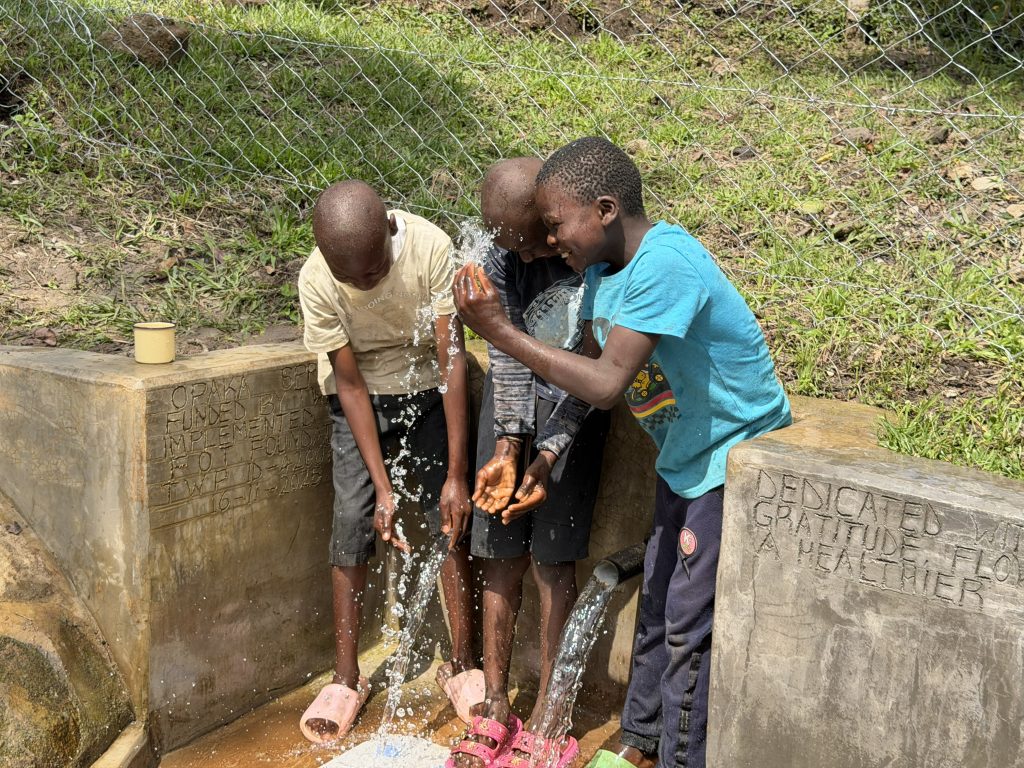
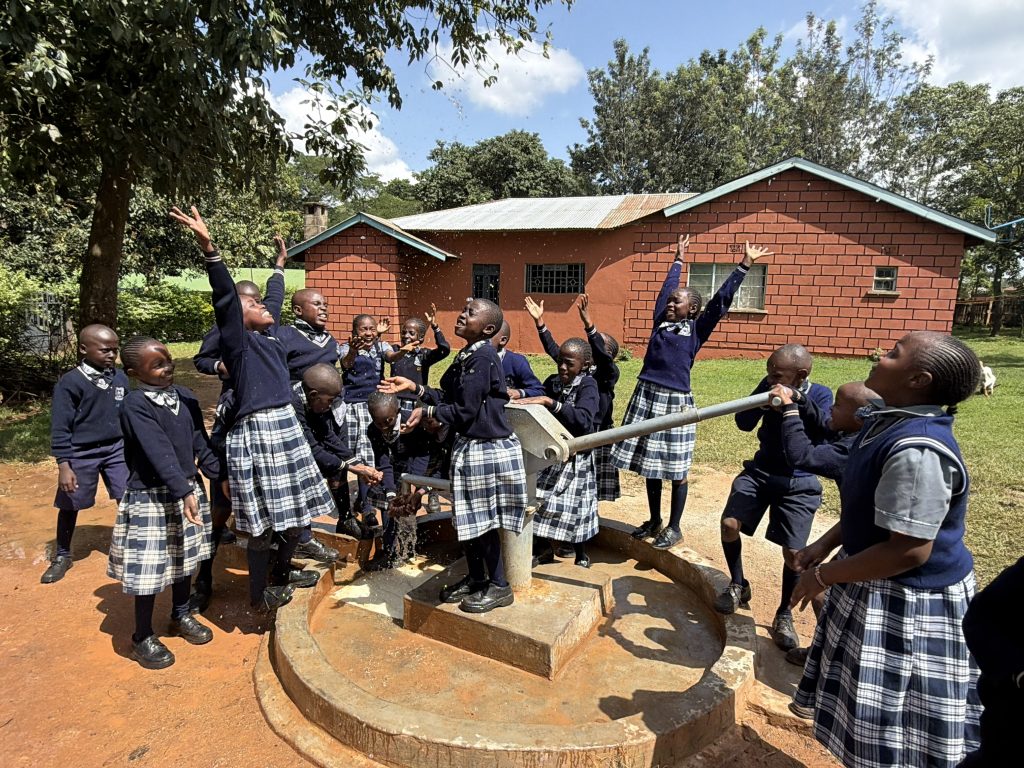
As my last question, I asked the pupils in a school that now has clean water: what did they used to do with the feelings of not having access to clean water? Their feedback really touched my heart. The majority of the students said they preferred staying at home, and at some point they hated being in school. Why? Because they used to get so tired, and they saw no need to be in school when they were spending much of their time looking for water. I am glad that they now have access to clean and safe water, courtesy of The Water Project, and they are comfortable being in school. They dream of becoming doctors, teachers, lawyers and nurses when they grow up.
From all the thoughts and reflections I had as I interacted with men, women and children in the communities we serve, one thing stands out: living with water shapes who we are. When a person lacks access to clean water, they are stressed and sometimes overwhelmed by the consequences of drinking unsafe water, and this leaves families less productive. When people have access to clean and safe water, families thrive, because they have enough time to engage in economic activities that earn the income they need to support their families.
No one should have to choose between prayer, hygiene or drinking water in the 21st century. Water insecurity robs families of health and futures. But when clean water arrives, so does hope. Children go back to class. Women get their time back. Dreams become possible again.
That is the power of clean water!
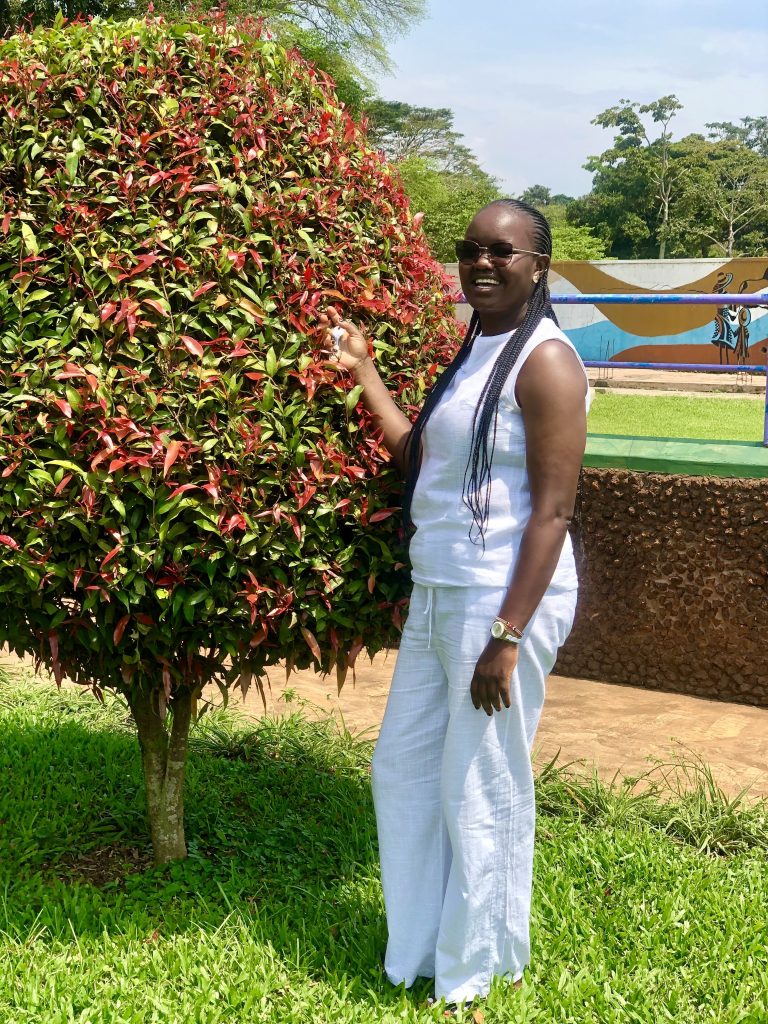
“Olivia’s Field Notes” written by Olivia Chebet Bomji
Impact Communications Officer
The Water Project
Other blogs by Olivia:
Tweet