Biodigester Sanitation: The Toilet That’s Alive!
There’s a monster living in the toilet.
It is deep inside the tank. Tiny, invisible, and always hungry. Its whole reason for existing is to eat, and what it eats is the waste we would rather not think about.
Okay, in all seriousness: it’s not a monster. But it IS alive, and by the end of this I hope you find it as remarkable as I do.
First, a Nurse Named Ruth
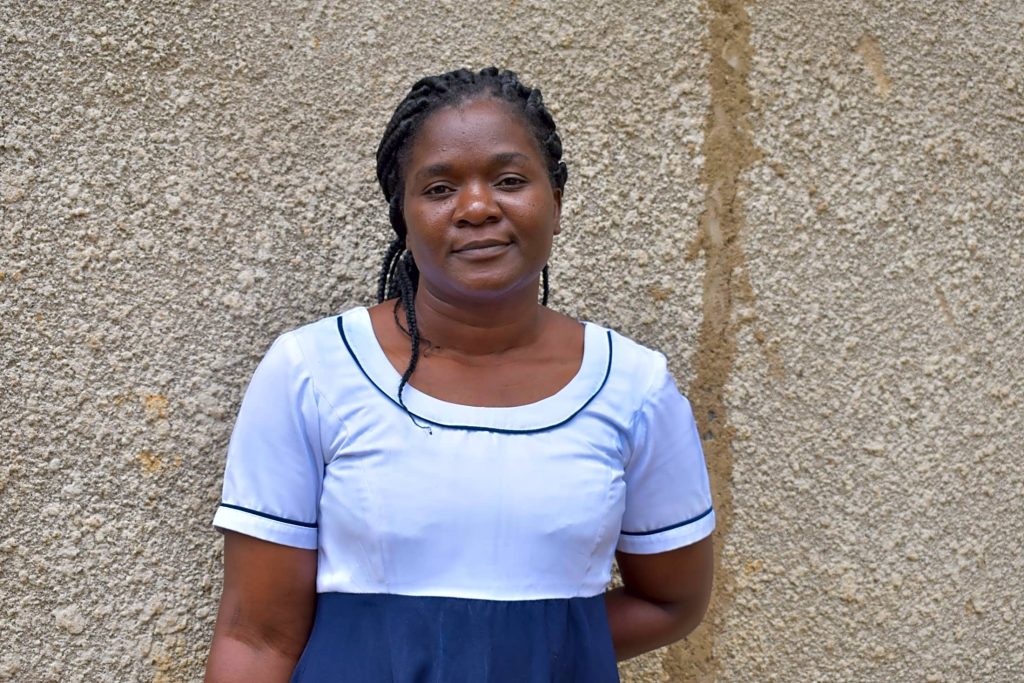
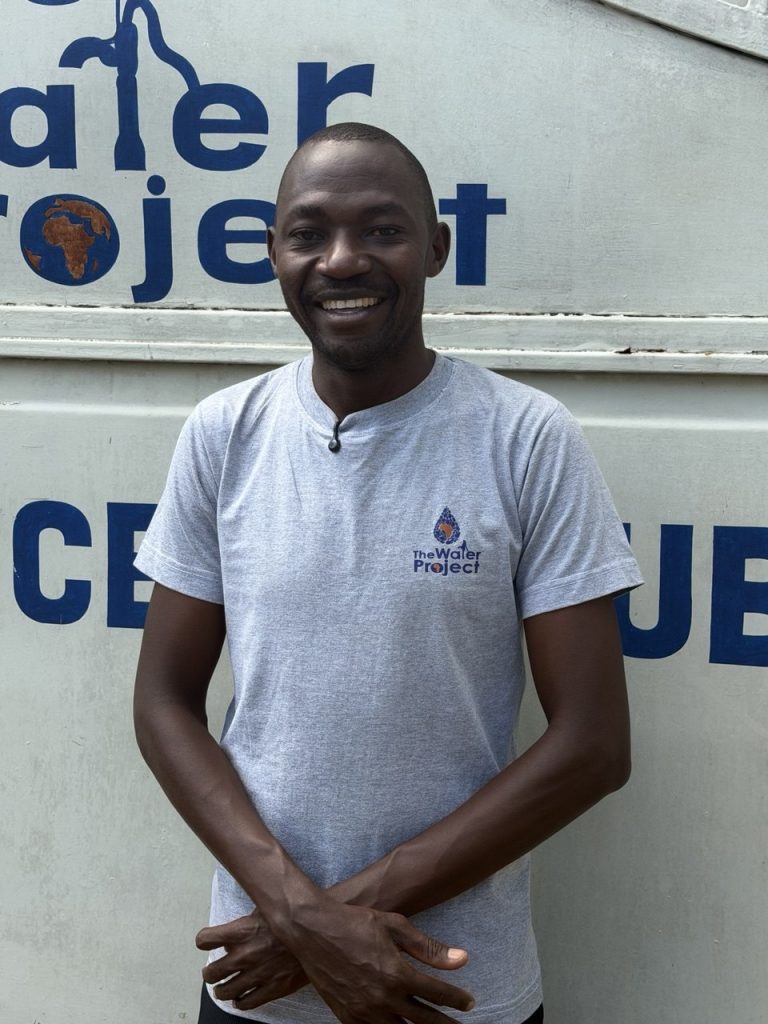
My name is Protus Ekesa, and I work with The Water Project in western Kenya. I want to tell you about the toilets we build. And to do that, I want to start with Ruth.
Ruth Andika runs the Elwakana Health Center. On an average day, the center treats around 60 outpatients. For a long time, its biggest problem was water: the well was far and overcrowded, the rain tank ran dry, and when there was no water, the government required the health center to close its doors and stop seeing patients. Ruth put it plainly: they could not admit patients because there was not enough water to care for them.
That well is fixed now, and clean water flows at Elwakana. But water is only half of what a health center needs. The other half is sanitation. A place that treats 60 people a day produces waste, and how you handle that waste decides whether a clinic makes people healthier or makes them sick. This is the problem I want to talk about, because at Elwakana it is being solved by that living thing I mentioned, a technology many people have never heard of.
The Trouble With Pit Latrines
For many families and facilities in our communities, a pit latrine is the most common kind of toilet. It is simple: a deep hole dug into the ground, with a floor and a small shelter built over it. When the pit fills up, a new one has to be dug. A VIP latrine, which you will see me mention below, is an improved version with a vent pipe that helps reduce smell and flies.
Pit latrines have served people for a long time. But we kept meeting the same problems, in schools and clinics and homes, over and over. They take up space. They smell. They can collapse. And if the biodigester has a friendly monster inside it, the pit latrine has the kind you should worry about: what collects in a pit does not disappear. It sits, and it waits, and when the walls are not built well it can seep into the very water a family drinks. In a health center, where sick people gather and clean water is precious, that is not a small inconvenience. It is dangerous.
We wanted something that solved all of this at once. In 2025, we started piloting one, beginning with healthcare facilities like Elwakana. It is called a biodigester, and the first thing to understand about it is that it is not empty like a pit. It is full of living organisms, and those organisms are the whole point.
Meet the Monster
I told you there was something alive in there. Here it is.
Inside a biodigester lives a colony of enzymes. Their job is simple: they eat the waste. They break it down completely, into liquid, until there is nothing left to smell and nothing left to fill a pit.
This is what makes a biodigester different from every toilet that came before it. A pit latrine just stores waste and waits. A biodigester digests it, the way a stomach does.
And here is the part that surprises people. Because the enzymes are alive, they can also die. They need waste to survive, which means the toilet has to be used regularly to keep them fed. A few things can kill them too: soap and detergent, and the oil and grease from cooking. So the whole system is really built around one goal, keeping these tiny, hungry workers alive and doing their job.
That is why the biodigester has three chambers, each one protecting the enzymes in a different way.
How the Three Chambers Keep It Alive
People expect the inside to be complicated. It is really just three rooms, each one doing a job.
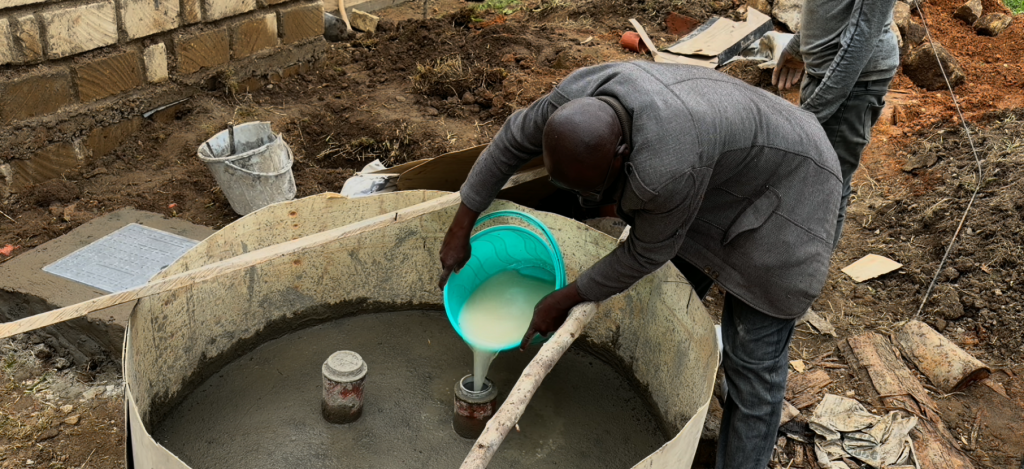
The bathroom chamber. Water from the bathroom goes straight to the soak pit. This keeps soap and detergents away from the enzymes so they are not harmed.
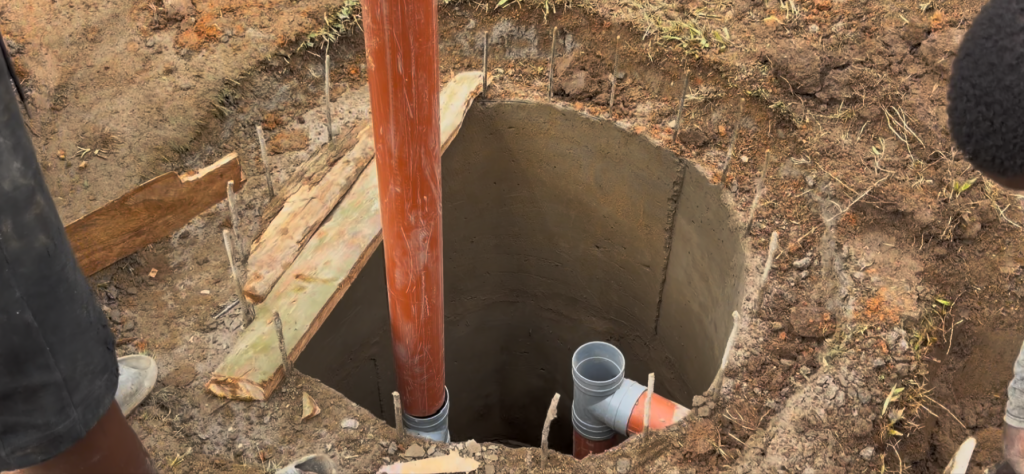
The biodigester chamber. This is where the enzymes live and work. Waste from the toilet comes here, and the enzymes break it down into liquid.
The grease sieve chamber. This traps oil and grease before they can reach the enzymes and kill them.
Once the waste is broken down, the liquid is safely channeled to the soak pit. Everything about the design comes back to the same idea: feed the living part, and protect it from the things that would harm it.
It sounds like a lot of care for a toilet. But in a place like Ruth’s, where one broken system can close the doors on 60 patients, a toilet that looks after itself is exactly what you want.
Why This Changes So Much
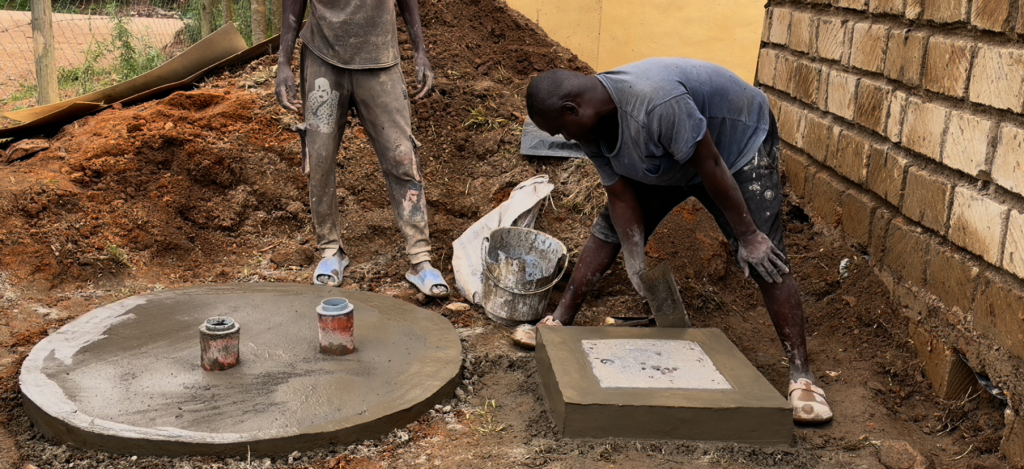
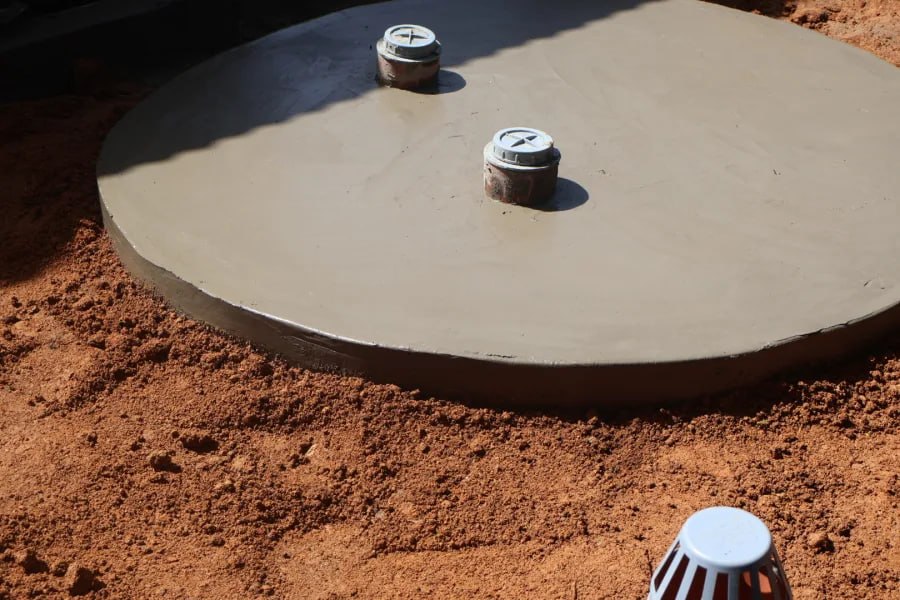
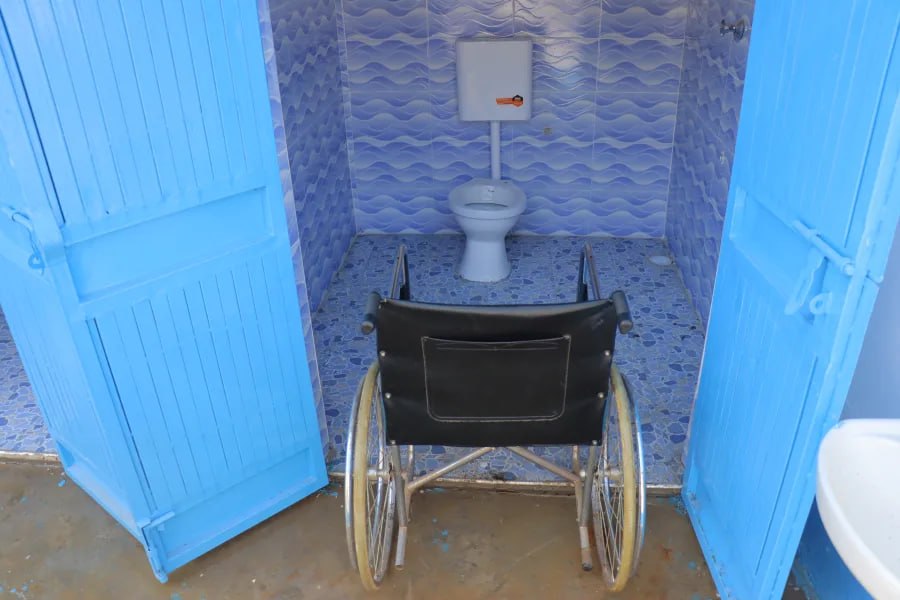
Because the enzymes break waste down completely, the biodigester solves the problems we kept meeting with pit latrines. It sits on the surface, so there are no big pits to dig, and it fits the small compounds of homes, schools, and clinics. There is no smell, because nothing is left to rot. It is strong enough not to collapse, safe for children, the elderly, and people living with a disability to use, and it keeps waste out of the soil and water entirely by turning solid waste into liquid that drains safely into a soak pit.
Yes, the cost of building one is higher at the start. But because it needs very little maintenance, it saves money over the long run. For a facility like Ruth’s, that also means one less thing that can break down and force the doors to close.
Keeping the Monster Fed
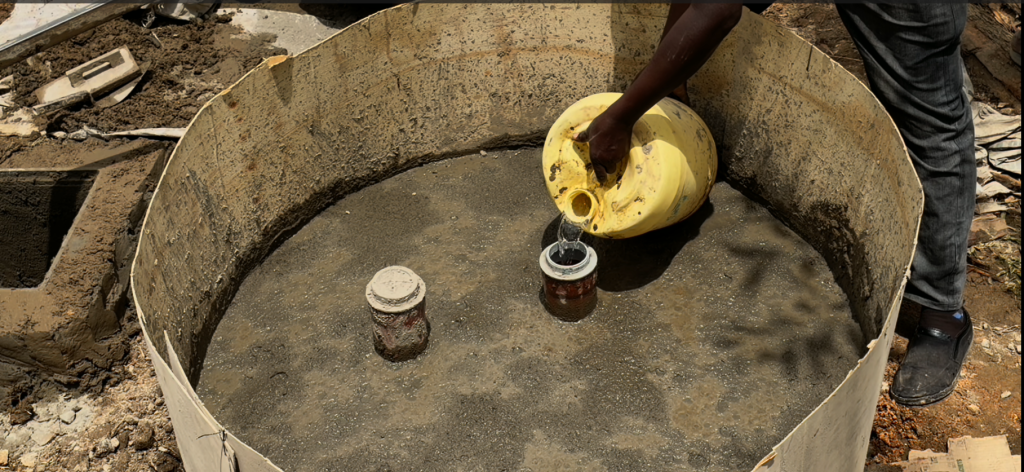
Taking care of a biodigester is easy, and most of it comes back to checking on that hungry colony we met earlier. It has four inspection chambers with manhole covers, and during a check we look at three things:
Are the enzymes alive? If not, we add new ones.
Is the grease chamber working? If not, we repair it.
Is the water draining well to the soak pit? If not, we clear the blockage.
That’s it. No complicated work. Keep the monster fed and protected, and it keeps working for years.
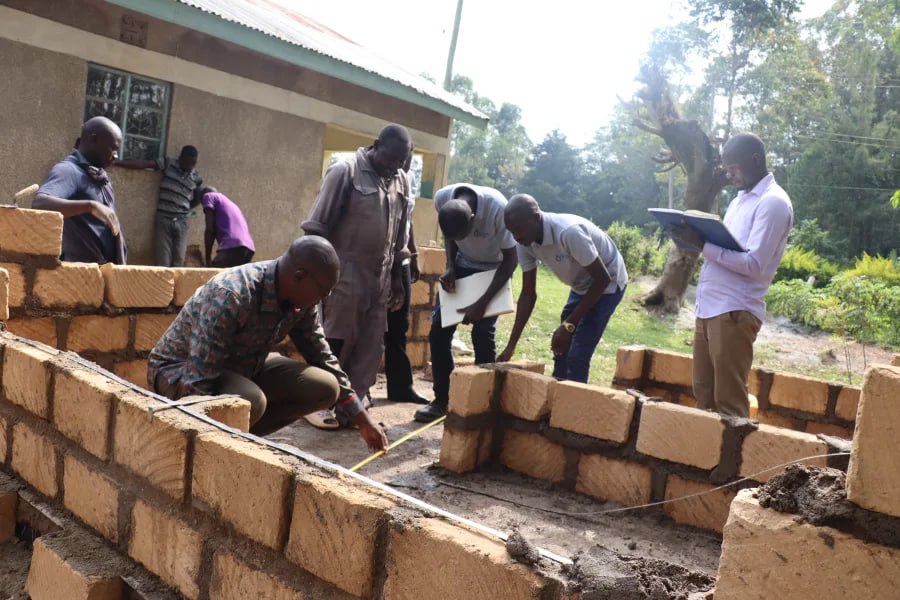
Before we install one, we also look at three things about the site: how many people will use it, the type of soil, and how many toilets will be connected to it. These decide the size and design.
More Than a Toilet
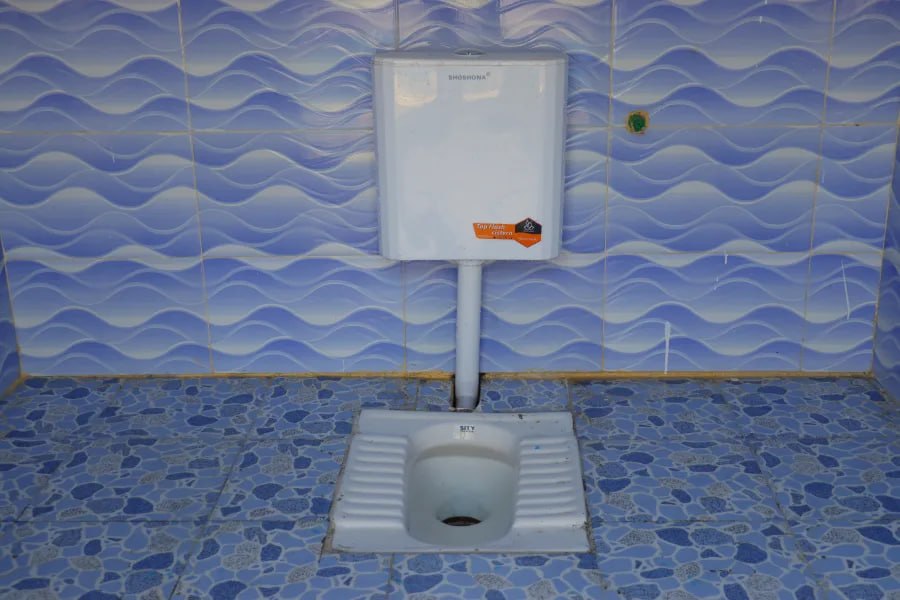
Since 2025, this technology has proven to be a game changer in western Kenya. It gives us toilets that are odor-free, safe, inclusive, and good for the environment. The starting cost is higher, but the long-term benefits in health, safety, and maintenance make it the smartest choice.
Think back to Ruth and her 60 patients a day. Clean water got her doors open again. Safe sanitation is what keeps the people who walk through them from leaving sicker than they arrived. The biodigester is how we make sure a health center stays a place of healing, all the way down to the toilet.
With it, we are building dignity, protecting our environment, and making sure no one is left behind in accessing safe sanitation.
A biodigester is more than just a toilet. It is a living solution for a cleaner, healthier future, and together we can bring it to more schools, homes, and health centers.
Written by Protus Ekesa
Read more about Elwakana Health Center: https://thewaterproject.org/community/projects/kenya/new-borehole-wash-project-420069
Home More Like ThisTweet