Built to Last: How The Water Project Keeps Water Flowing
The main mission of The Water Project is to help communities gain access to clean and safe water. To achieve this, we protect natural springs, drill boreholes, construct rainwater harvesting tanks in schools, communities, and health centers, and build sand dams that capture rain when it comes. But we’ve learned over the years that construction alone isn’t enough. A water point that’s built and then forgotten can’t change a life. A water point that works every single day can.
The Work Deepens After the Build
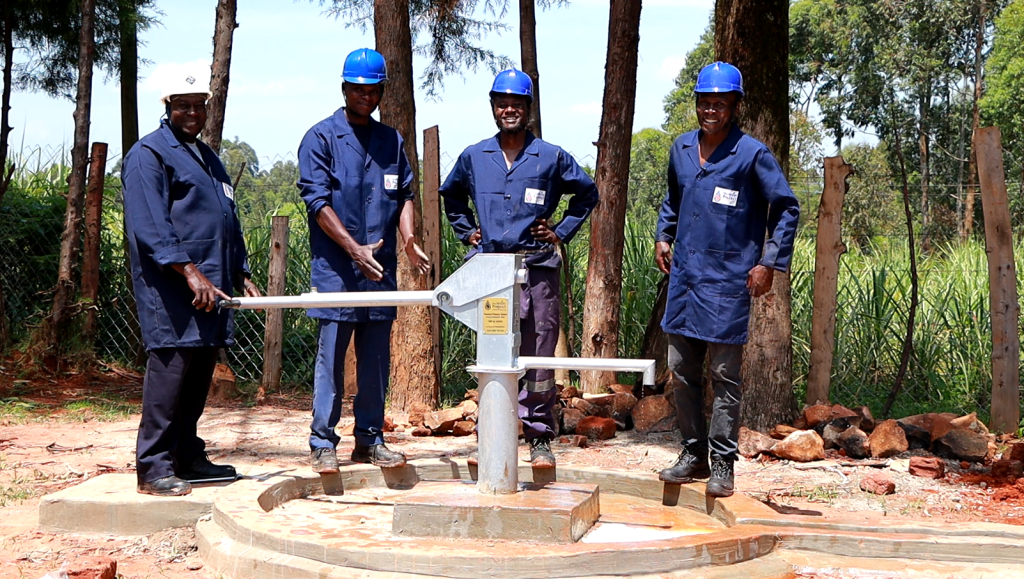
That’s why our commitment only deepens once a project is finished. For water to truly transform a community, the supply must be constant and the system must be functional. So we’ve put strong systems in place for monitoring, evaluation, and rapid repair.
Our field officers regularly visit every spring, tank, and borehole we’ve built. They walk the compound, test the flow, check the quality, and talk to the people using the water. If anything isn’t right, like a crack in a spring wall, a pump that’s slow or not discharging water, or a leaking tank, it’s reported immediately so we can act before a small problem becomes a big one.
One Free Call Away
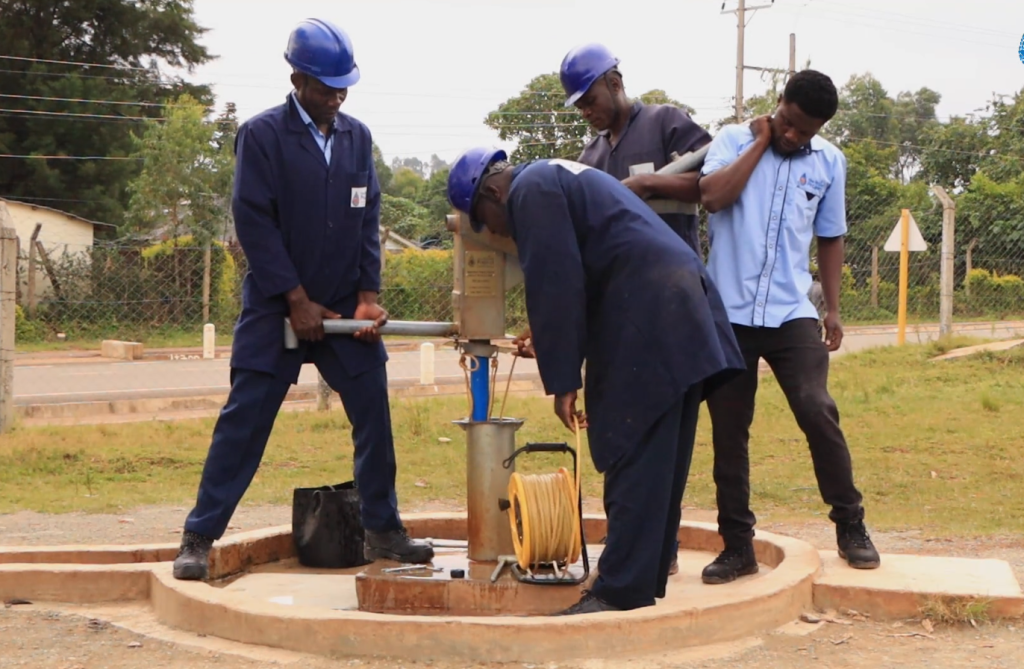
For boreholes in particular, we’ve made it easy for communities to reach us. A toll free number is printed on every pump (0800720433). Any community member can call at no cost if the pump gets hard to use or stops working altogether.
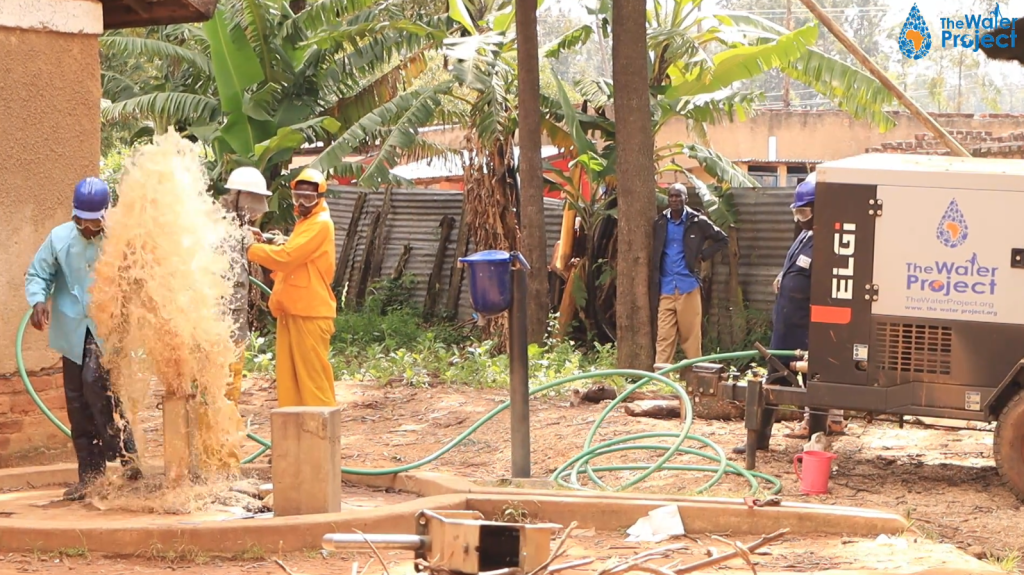
The moment that call comes in, our Operations and Maintenance team swings into action. O&M is the heart of our promise to keep water flowing. The team is fully equipped with tools, spare parts, and TWP branded vehicles, and they’re expected to respond within 48 hours.
Their work is simple but vital: repair the pump, flush the borehole, reseal the spring, fix the tank, whatever it takes to restore water that same day.
Shatsala Spring, Restored in a Day
The impact of this work shows up in the communities we serve.
At Shatsala Spring, water had been flowing well since construction. Then in June, during the long rains, it diverted from the main discharge pipe and started escaping through cracks in the wall. Community members reported the problem. A field officer came to assess the spring and told them it would be handled urgently, and a team arrived the next day in a TWP branded van with tools and materials.
“By the end of that day we were able to access water again,” a community member told us.
Emulakha Primary School, Rain but No Water
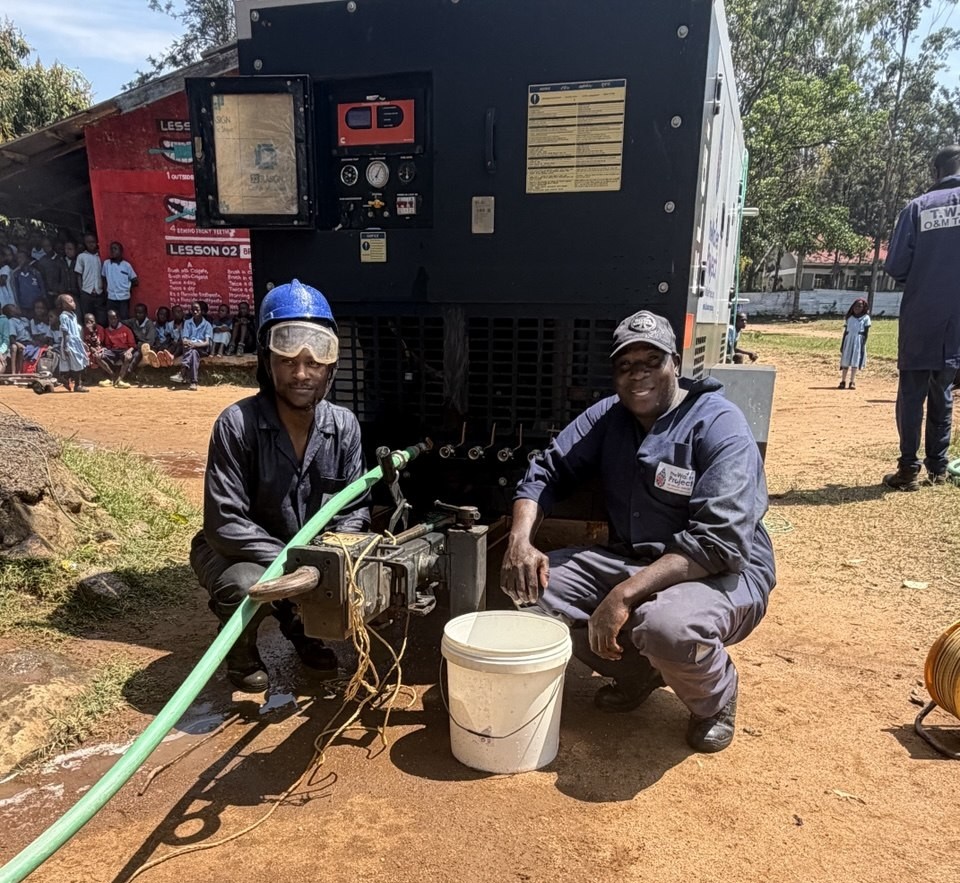
At Emulakha Primary School, the Deputy Head Teacher described the opposite problem. The region was getting plenty of rainfall, but whenever staff went to the rainwater harvesting tank, they found no water, and the tank dome had collapsed. They contacted the team, and the investigation turned up underground seepage.
“After the repairs we have been able to access water fully,” the Deputy Head Teacher said.
For the 600 students at that school, that repair meant clean water for drinking, cooking, and handwashing, and more time in class instead of searching for water.
Three Strokes
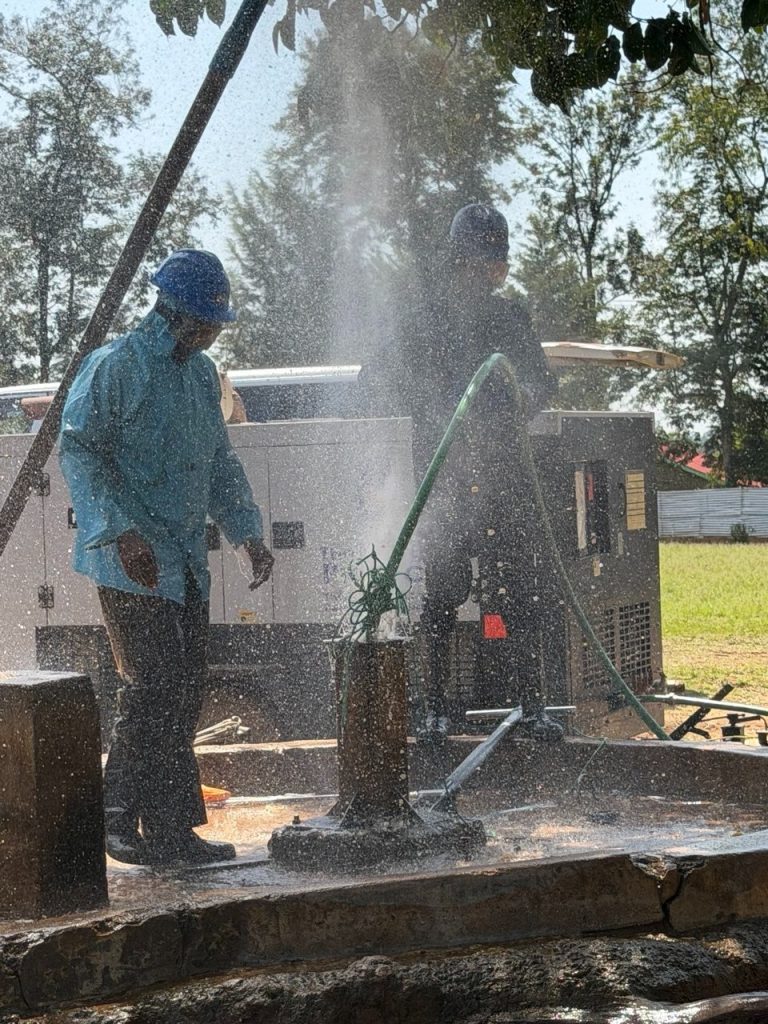
We see the same pattern on boreholes across the region. A hand pump that’s working properly should produce water in about three strokes. When communities notice it’s taking more, they call the number on the pump. The O&M team responds promptly to carry out repairs, replace worn parts, and flush boreholes to keep the water clean and the system strong. These quick actions restore water, and they keep small issues from turning into costly breakdowns. Downtime is measured in hours, not weeks.
Water That Stays
This is the difference partnership makes. The Water Project doesn’t just build water points. We monitor them. We repair them. We keep them working, alongside the communities who use them every day and call when something goes wrong.
That means clinics where mothers can deliver safely, schools where children can stay and learn, and homes where families don’t have to wonder whether water will be there tomorrow.
Thank you for believing that clean water shouldn’t be temporary. Communities in Kenya, Uganda, and Sierra Leone have clean and safe water today, and with these systems of care in place, they’ll have it for years to come.
Your investment does not just build. It lasts.
Learn more about projects mentioned in this blog:
Irumbi Community/Shatsala Spring: https://thewaterproject.org/community/projects/kenya/spring-protection-wash-project-18168/
Emulakha Primary School: https://thewaterproject.org/community/projects/kenya/rainwater-harvesting-wash-project-4678
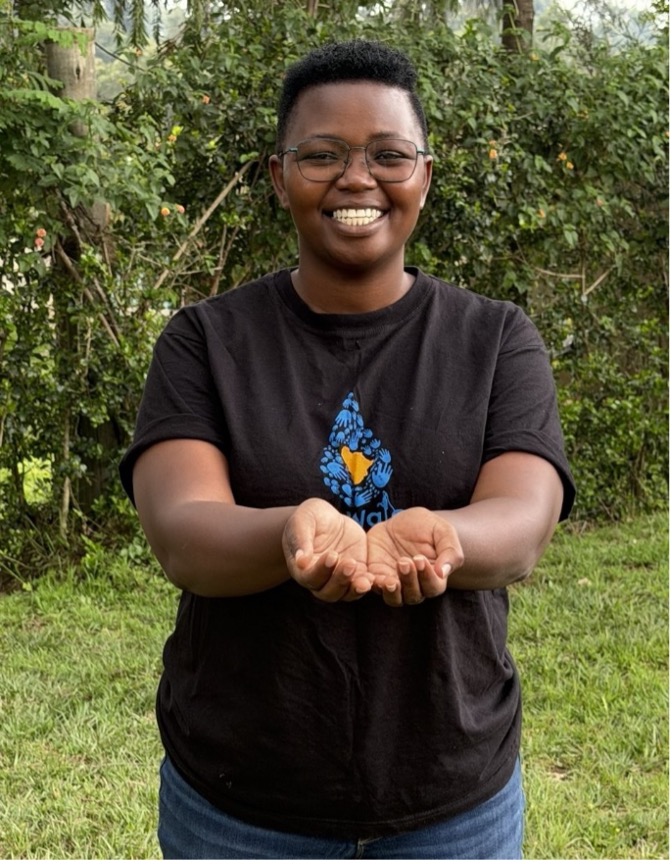
“Field Notes” written by Jackie Chelagat
Impact Communications Officer
The Water Project
More blogs by Jackie:
Tweet