Project Status


Project Type:  Borehole Well and Hand Pump

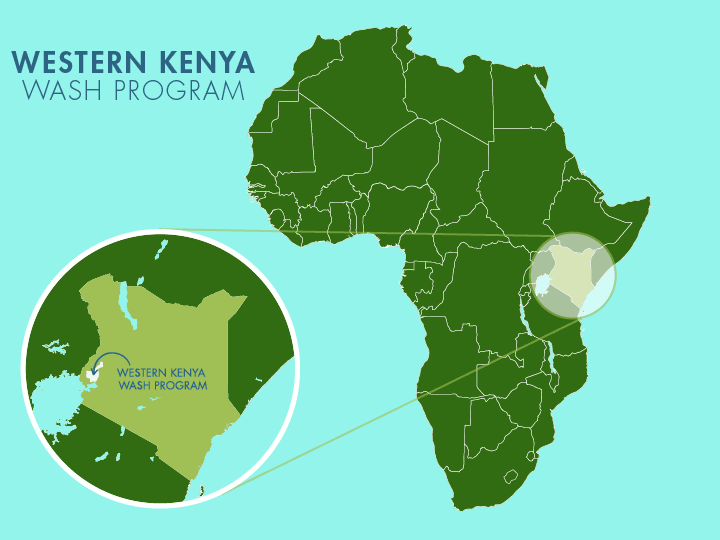
Regional Program: Western Kenya WaSH Program

Impact: 156 Served

Project Phase:  In Service - Nov 2026

Functionality Status:  Functional

Project Features


Click icons to learn about each feature.


The 26 clinical staff members of Hamisi Sub-Country Hospital strive to provide professional medical services. Still, without reliable, safe water, their service to an average of 130 patients a day is both exhausting and disheartening.

The hospital relies on only two unstable water sources: rainwater collection and a municipal piped water system outside the facility gates, which supplies water to the center when it is operational. Both options are sporadic at best and lead to expenses the hospital staff don't have the resources to cover when the pipes break down or the tanks run out, forcing them to purchase water. It is an overwhelming position for the staff to be in. They have sworn to care for others and are trying their best with what they have, but the situation leaves them and their patients vulnerable.

Patients waiting for care.

Field Officer Nelly Chebet described the situation further.

"Both the rainwater and the piped water are not reliable sources of water to this facility. It has now [been] about five months, and the piped water is not functional due to [a] breakdown, which needs a lot of finances. After a few days, it breaks down [again], which is so expensive to the facility. They are forced to buy water for both drinking and cleaning, which is also expensive to buy enough for both staff and patients," she shared.

Water is essential for drinking and hand washing.

"They have been buying water from the county water department, which is quite expensive and not enough to be used by both the patients and the staff," Nelly continued.

When water can be collected during rainy periods or when the piped water is flowing, the staff's problems are not over. The water is often contaminated, causing more havoc than relief.

Public Health Officer Robinson Mugondi by the too-small rain tank.

"Typhoid and diarrhea cases have been reported mostly by the staff of this facility and the community members around the facility. This is due to consumption of contaminated water," Nelly lamented.

Public Health Officer Robinson Mugondi, 34, is one of the staff members caught in the vicious cycle of water scarcity.

"There are times we compete with patients over water for use. At such a moment the management gives priority to patients and at one point we are harrassed [if we] use it due to [the] low amount of reserved water. At the end, as a human, I feel disappointed," he bravely shared.

We asked Robinson how the water shortage impacts the services he can provide. He said, "Life becomes hard; difficulty in bathing for patients, difficulty in accessing water for drinking and domestic use for staff. Difficulty bathing and handwashing for inpatients can lead to diseases caused by germs. More so, difficulty in taking drugs, especially [for] patients who have to take their drugs."

Water is needed for laundry services.

Robinson understands that water is essential for delivering excellent patient care. We asked him how access to water would change things. He said, "Improve patient care and outcomes, which will lead to a healthy life. Improved general hygiene of the facility, minimizing [the] spread of diseases. Clinical personal hygiene will greatly improve, thus disease prevention."

Cleaning is an essential requirement for the health center to prevent the transmission of diseases.

"Personal hygiene will [be] greatly improved because water will be reliable. Laundry for the inpatient unit will be cleaned every day, which will lead to [a] conducive environmental [situation]for the inpatient. Lastly, [the] preparation of meals will be done hygienically."

"Installation of a borehole will enable the staff members to provide better care for patients and the other community members who live near the facility who are in need [of] access to safe, clean water to meet their daily needs. Besides that, water-related illnesses will no longer affect both the staff and the community members, which will result in good health," Field Officer Nelly concluded.

Steps Toward a Solution

For health care settings, immediate access to a large quantity of clean water is crucial for handwashing, sterilization of equipment, cleaning, and safe childbirth. Water that is off-site creates delays, impacts patient care, and increases the risk of hospital-acquired infections.
Our coverage goals aim for all health centers to have an on-premises water source that will sufficiently serve the patients, healthcare providers, and staff to ensure accessibility, reliability, and safety. With more water available, healthcare workers do not have to ration water, worry about purchasing water with their limited funds, or make tough decisions about when to wash their hands or equipment.

Reliable, clean water ensures that healthcare workers have sufficient water so they can provide excellent patient care!

Our technical experts worked with the health center leadership and the local community to identify the most effective solution to their water crisis. They decided to drill a borehole well, construct a platform for the well, and attach a hand pump.

Well
Abundant water often lies just beneath our feet. Aquifers—natural underground rivers—flow through layers of sediment and rock, offering a constant supply of safe water. A borehole well is drilled deep into the earth to access this naturally filtered and protected water. We penetrate meters, sometimes even hundreds of meters, of soil, silt, rock, and more to reach the water underground. Once found, we construct a platform for the well and attach a hand pump. The community gains a safe, enclosed water source capable of providing approximately five gallons of water per minute. Learn more here!

Handwashing Stations
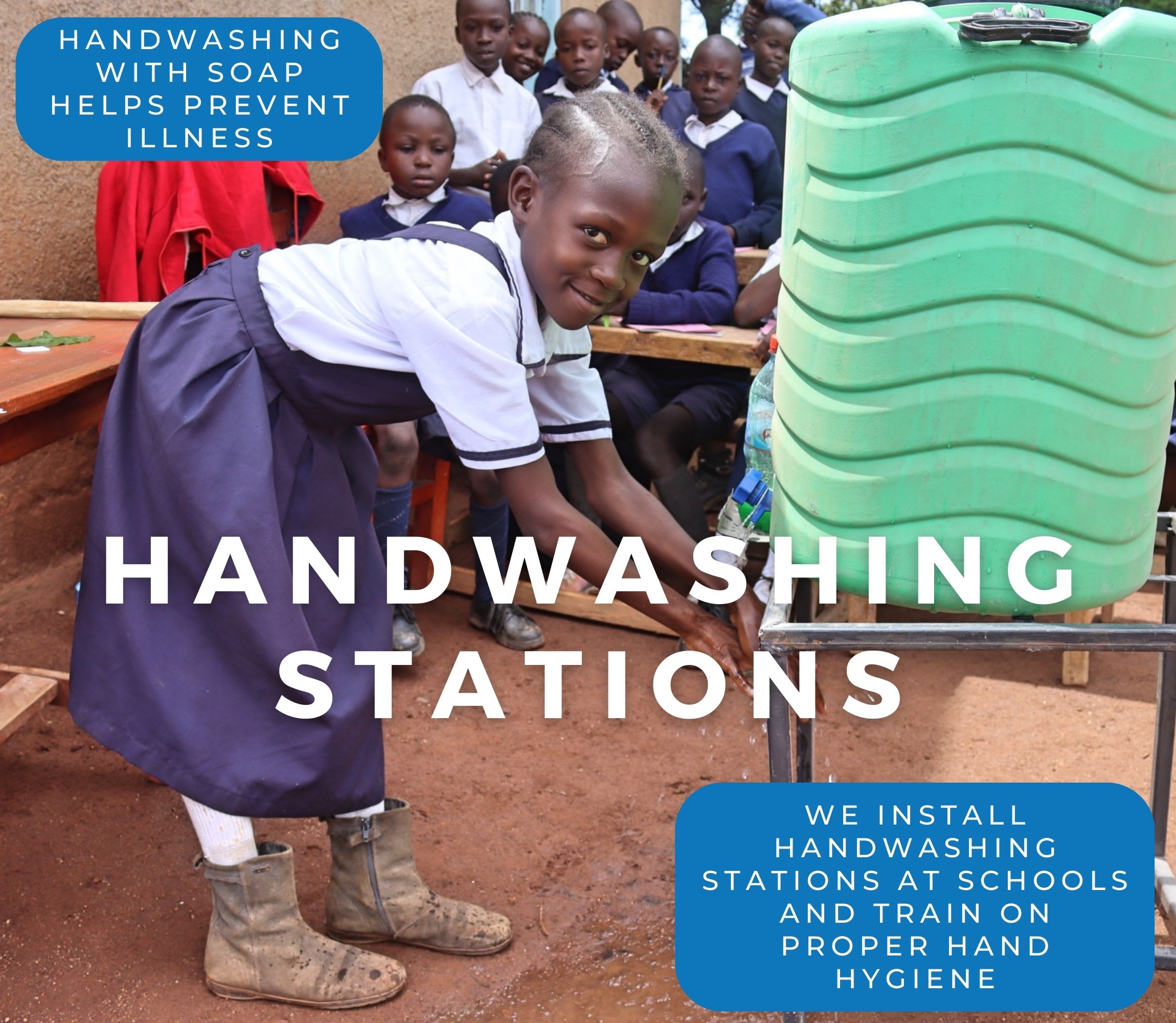
Alongside each water source, we install two gravity-fed handwashing stations, enabling everyone at the health center to wash their hands. Handwashing is crucial for preventing water-related illnesses within the health center and community. Health center staff will maintain the stations, fill them with water, and supply them with soap, which we often teach them how to make.

Latrines
We ensure there are Ventilated Improved Pit (VIP) latrine blocks that effectively prevent the transmission of fecal diseases. Each latrine will boast a durable cement floor for easy use and maintenance. We’ll ensure at least one stall is reserved for staff, along with gender-separated toilets that include menstrual hygiene facilities and accessible options for individuals with limited mobility.

Health Care Staff and Community Education & Ownership
Hygiene and sanitation training are integral to our water projects. Training is tailored to each community's specific needs and includes key topics such as proper water handling, improved hygiene practices, disease transmission prevention, and care of the new water point. Safe water and improved hygiene habits foster a healthier future for everyone in the community.

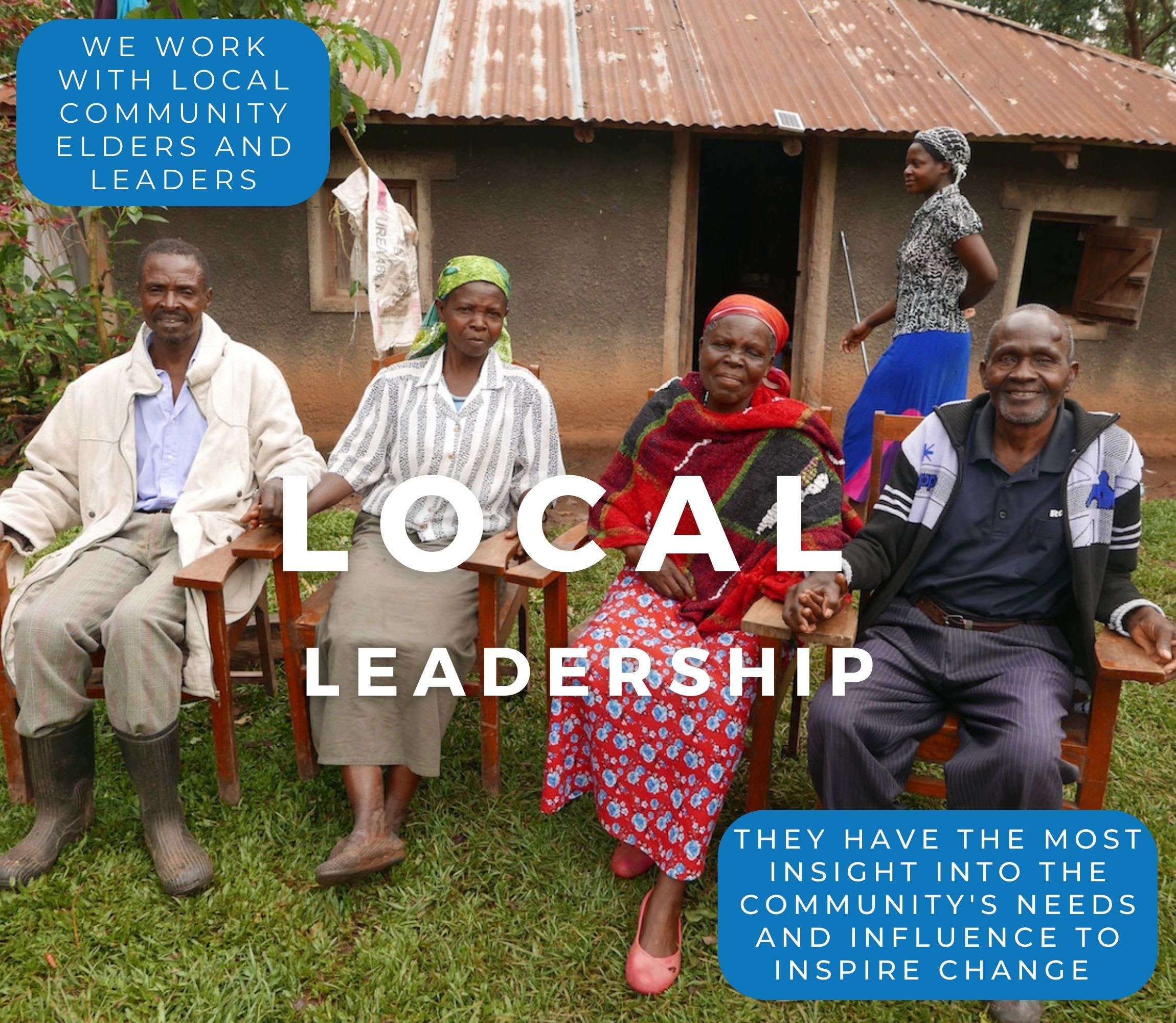
Encouraged and supported by the guidance of our team, a water user committee representative of the community's diverse members assumes responsibility for maintaining the water point, often gathering fees to ensure its upkeep.
Project Updates


November, 2026: Hamisi Sub-County Hospital Well Complete!

Your contribution has given access to clean water for the Hamisi Sub-County Hospital in Kenya, thanks to the completion of their borehole well! Staff, patients, and their families are already using the well’s flowing water, which will provide the health center with a reliable water source for all of its daily needs.

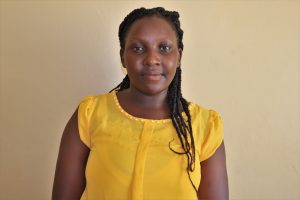
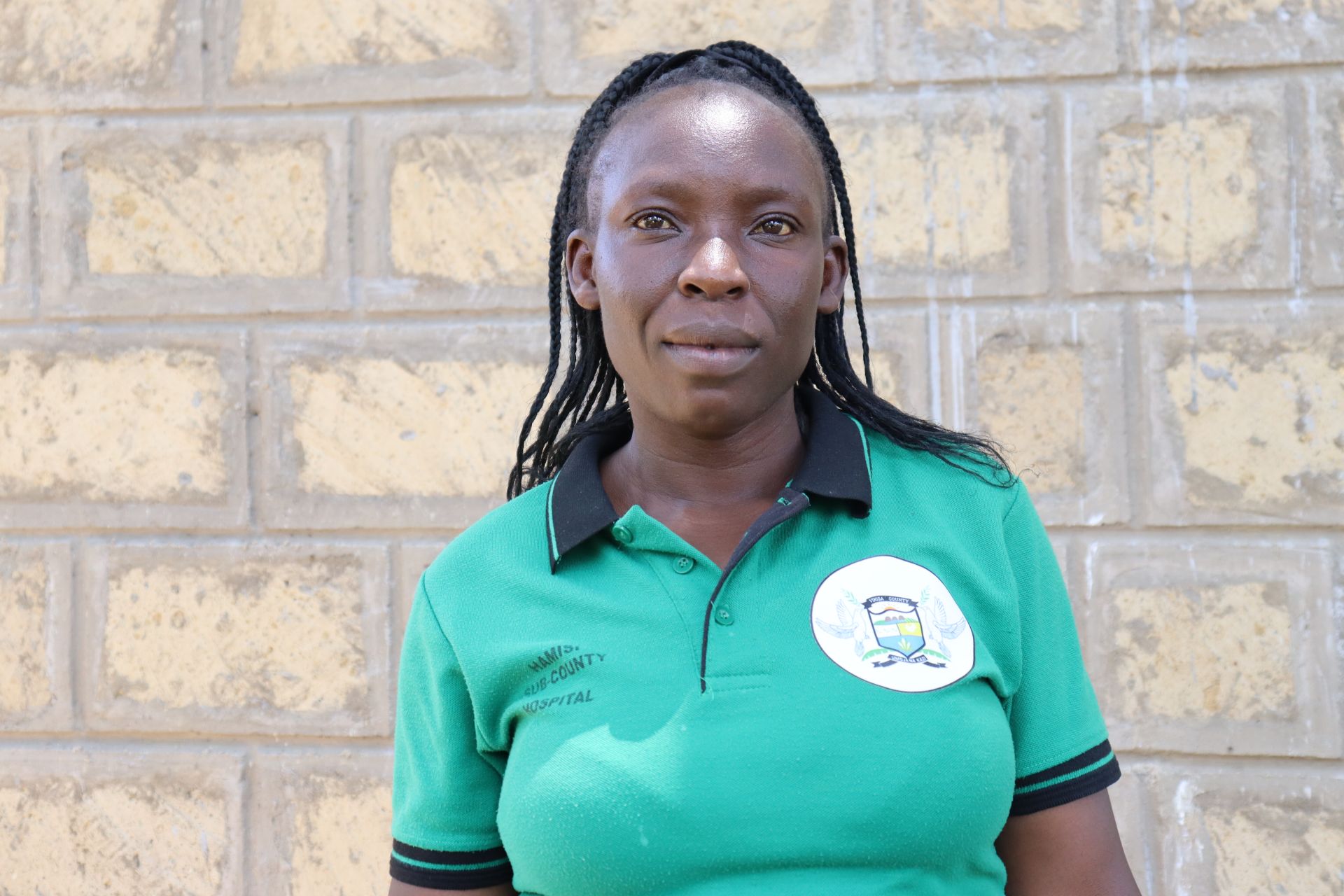
"As a Community Health Promoter, access to a reliable source of clean water will give us greater confidence in the safety and quality of the water used at the facility. We will no longer have to worry about the cost of purchasing water, whether the source is contaminated, or whether it has been safely handled and transported in clean containers. Instead, we can focus our time and resources on promoting good hygiene practices, supporting healthcare workers, and ensuring that patients receive safe, quality, and dignified care," expressed Everlyne Mudola.

Ms. Mudola.

How We Got the Water Flowing

Staff and community members all contributed to this well’s success. After determining the best site for the well through a hydrogeological survey, we obtained government approval to begin drilling.

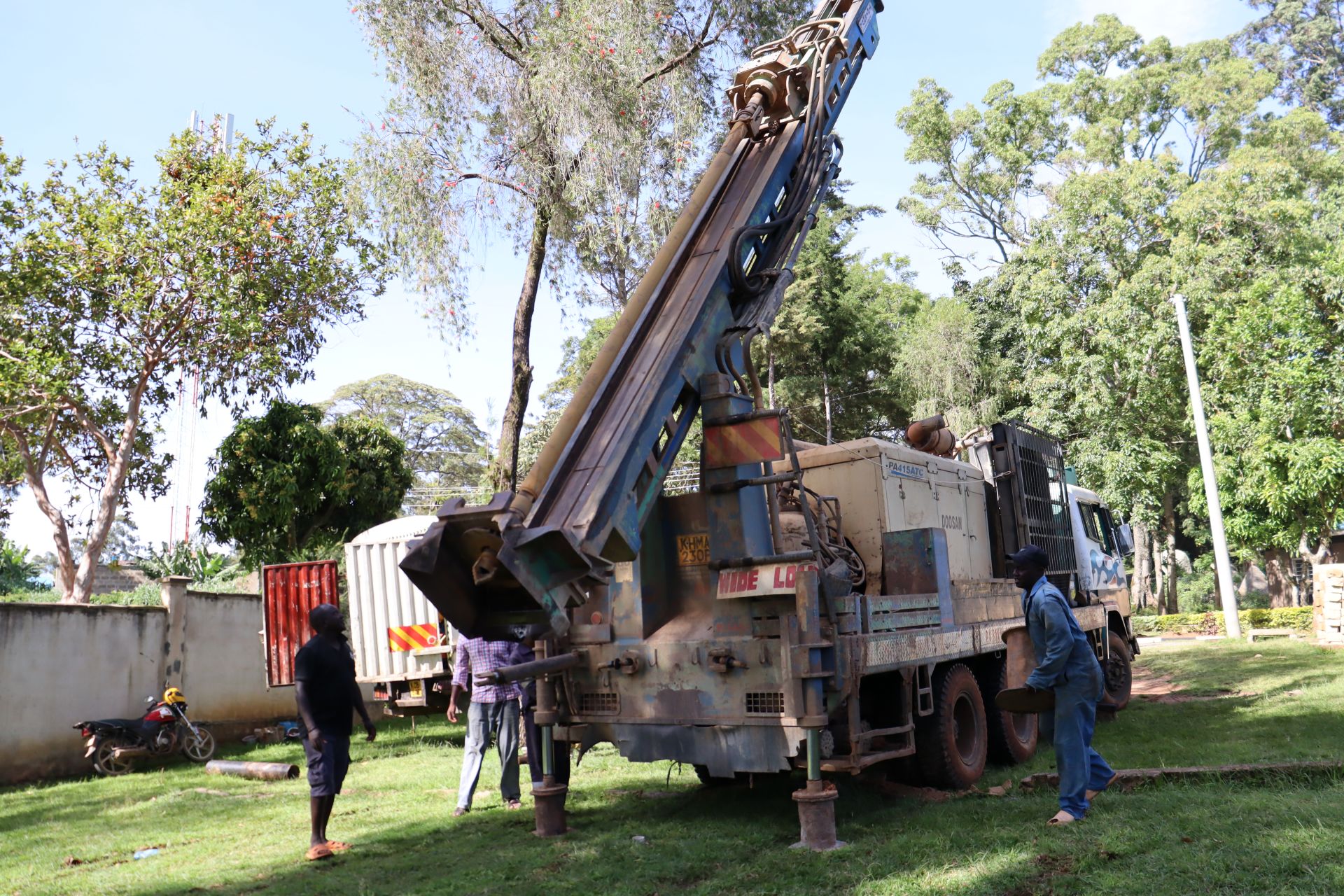
To prepare, everyone helped collect fine sand and water for the cement-making process. Our drill team and staff arrived at the center to begin work when everything was ready.


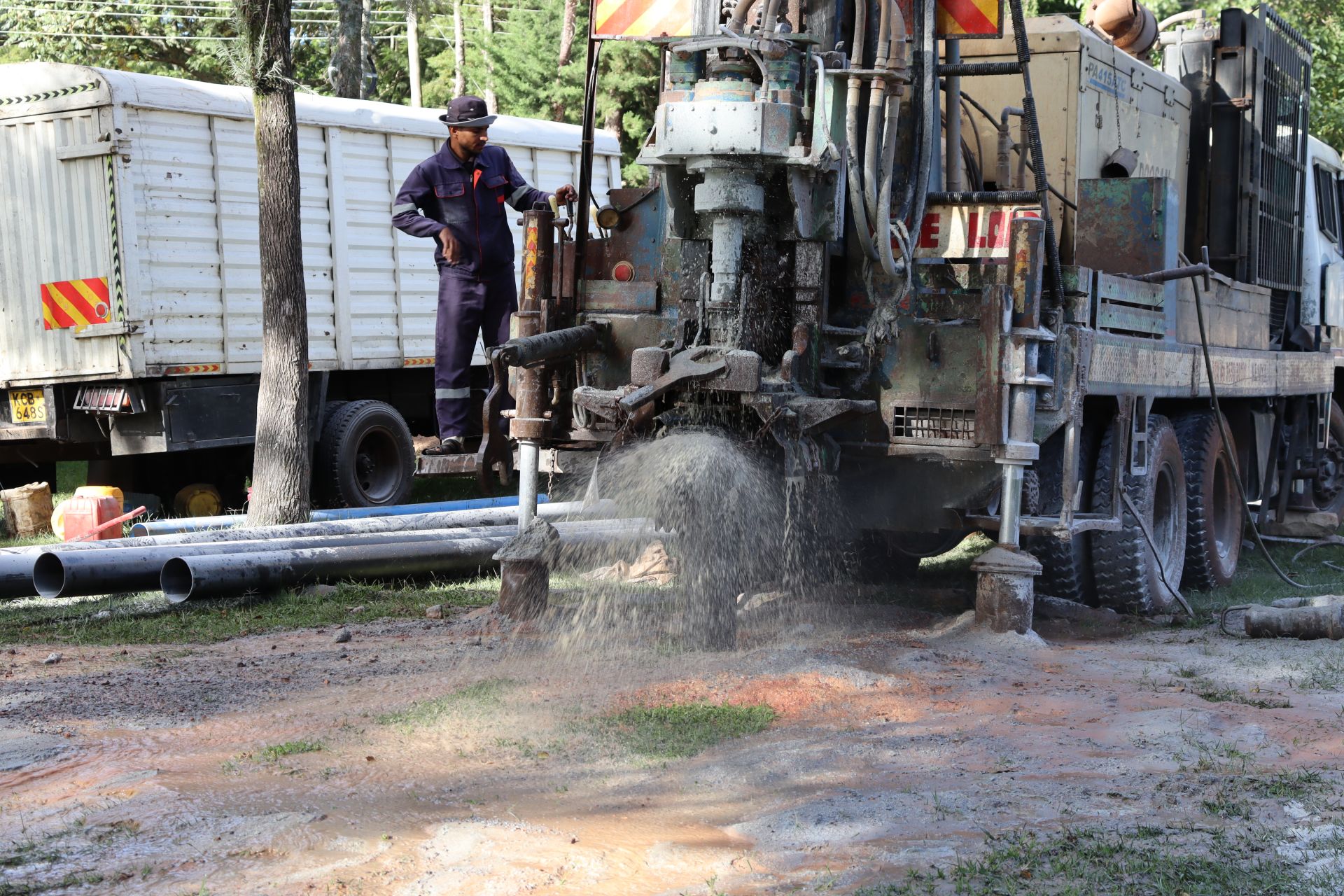
Drilling started with excitement in the air. We continued drilling to reach a final depth of 115 meters with a final static water level of 24 meters.

The drilling process can take up to three consecutive days to complete due to this region’s hard bedrock, so the drill team set up a camp where they could rest and refuel.

Once we reached the required depth, a permanent casing was installed, and the dirty water at the bottom of the well was bailed out. Workers installed pipes, flushed them, tested the well’s yield, and chlorinated the water.

Flushing the newly drilled well.

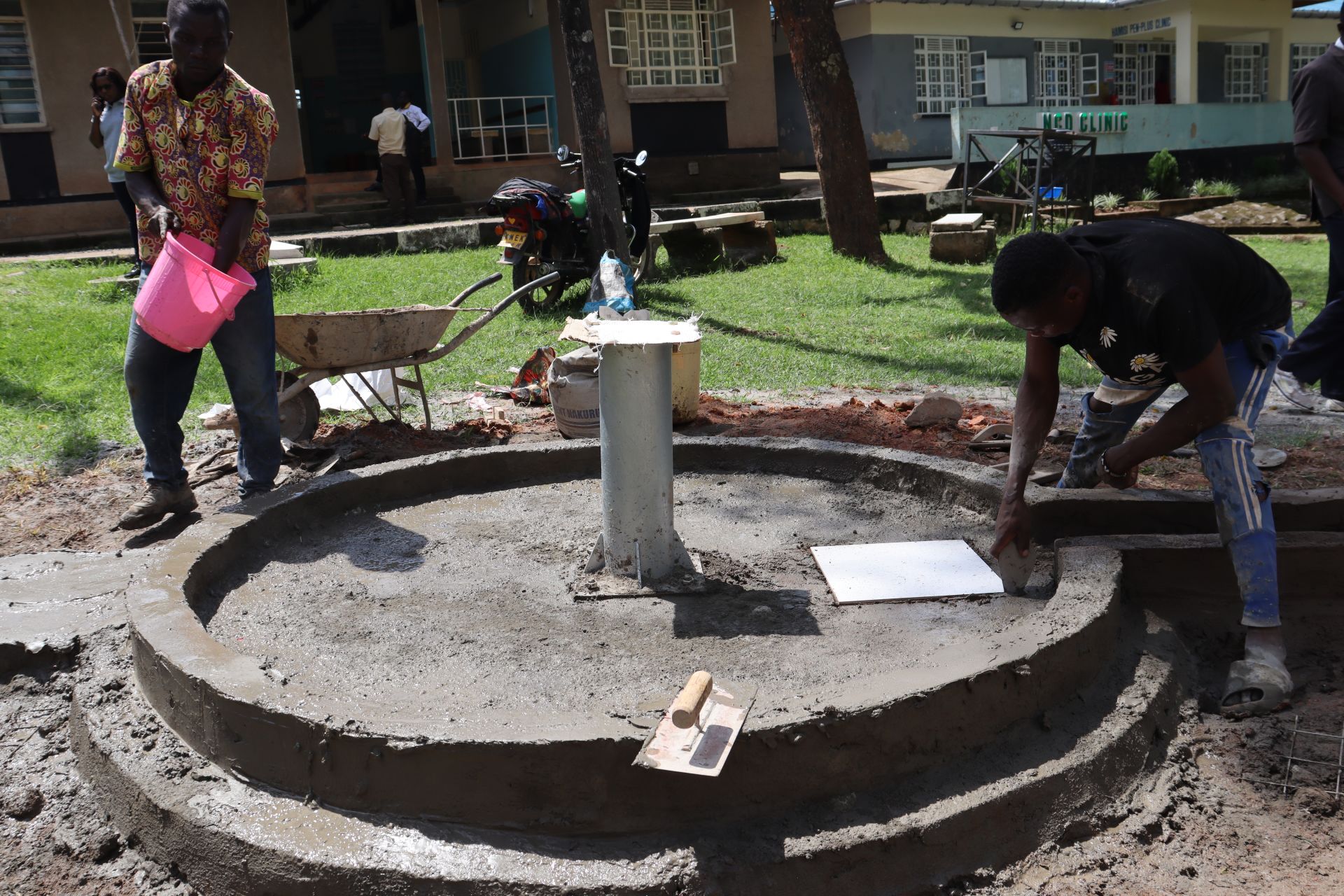
After chlorination, we constructed a cement well pad to seal it off from any ground-level contaminants. Tiles were installed beneath the spout to protect the cement from the erosive force of the water.

Building the apron to protect the water quality.

We included a short drainage channel and a soak pit to carry spilled water away from the pump and prevent standing water.

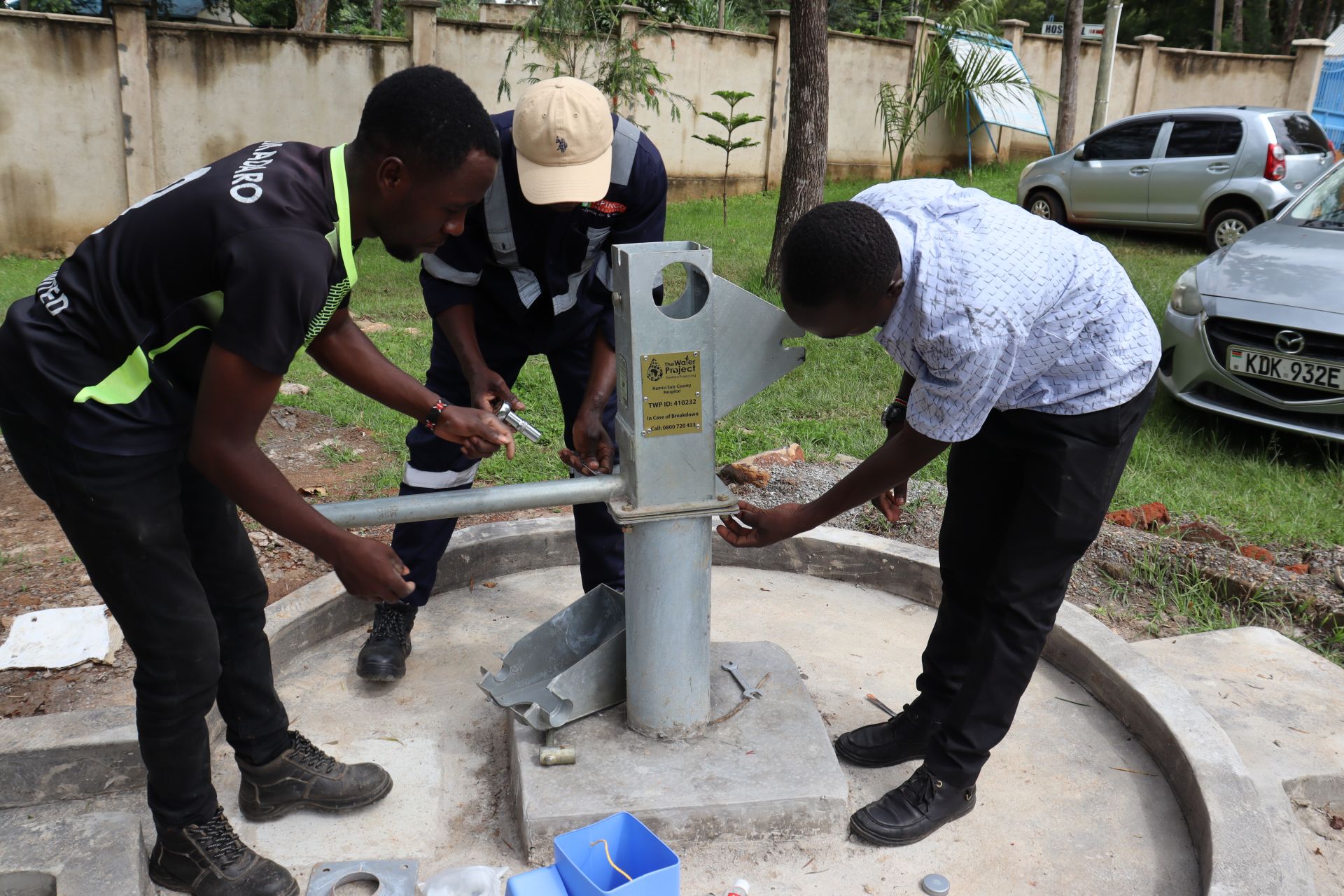
When the well pad was dry, we installed a new stainless steel hand pump and performed a water quality test. The results showed that this water was safe for drinking!

Installing the handpump.

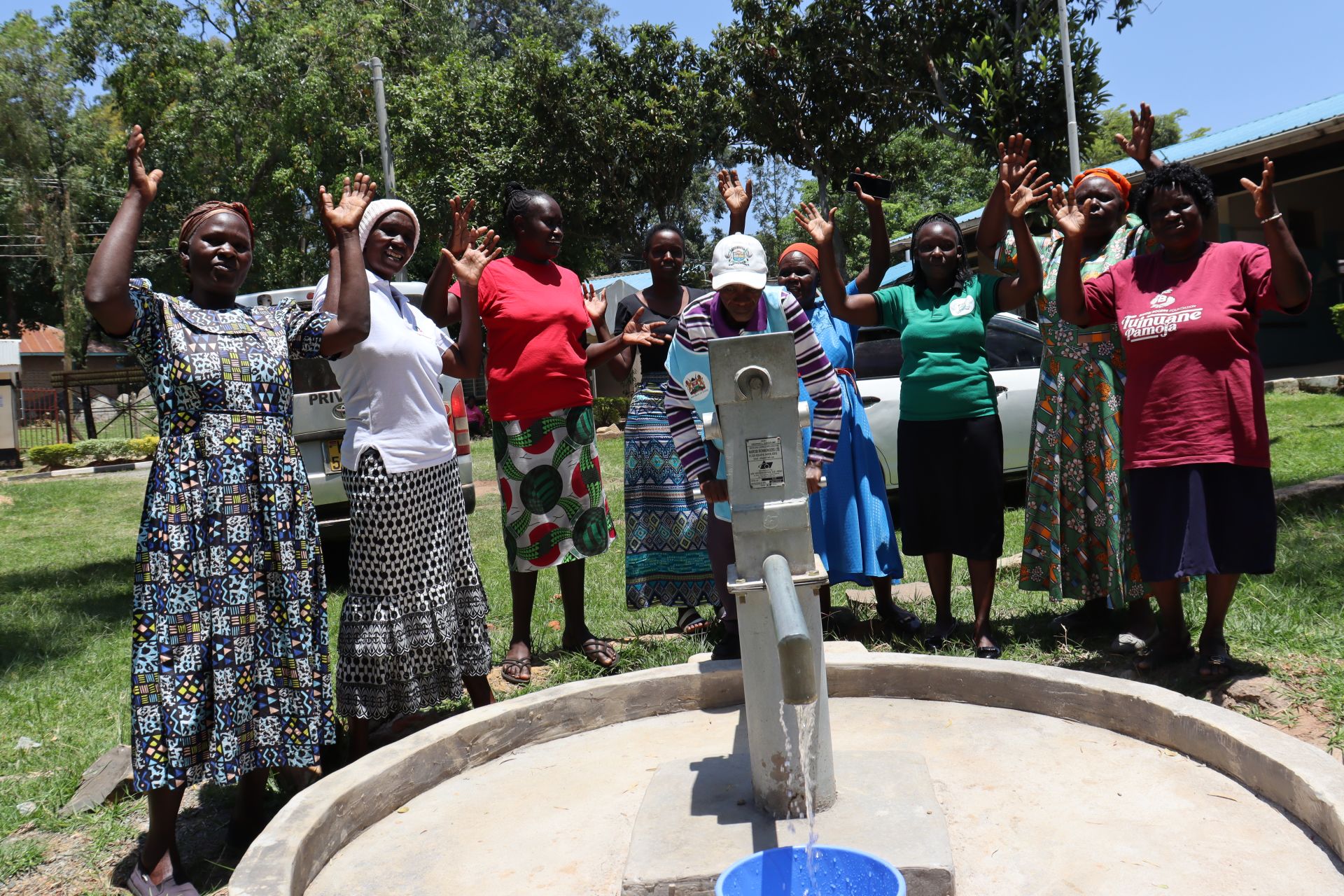
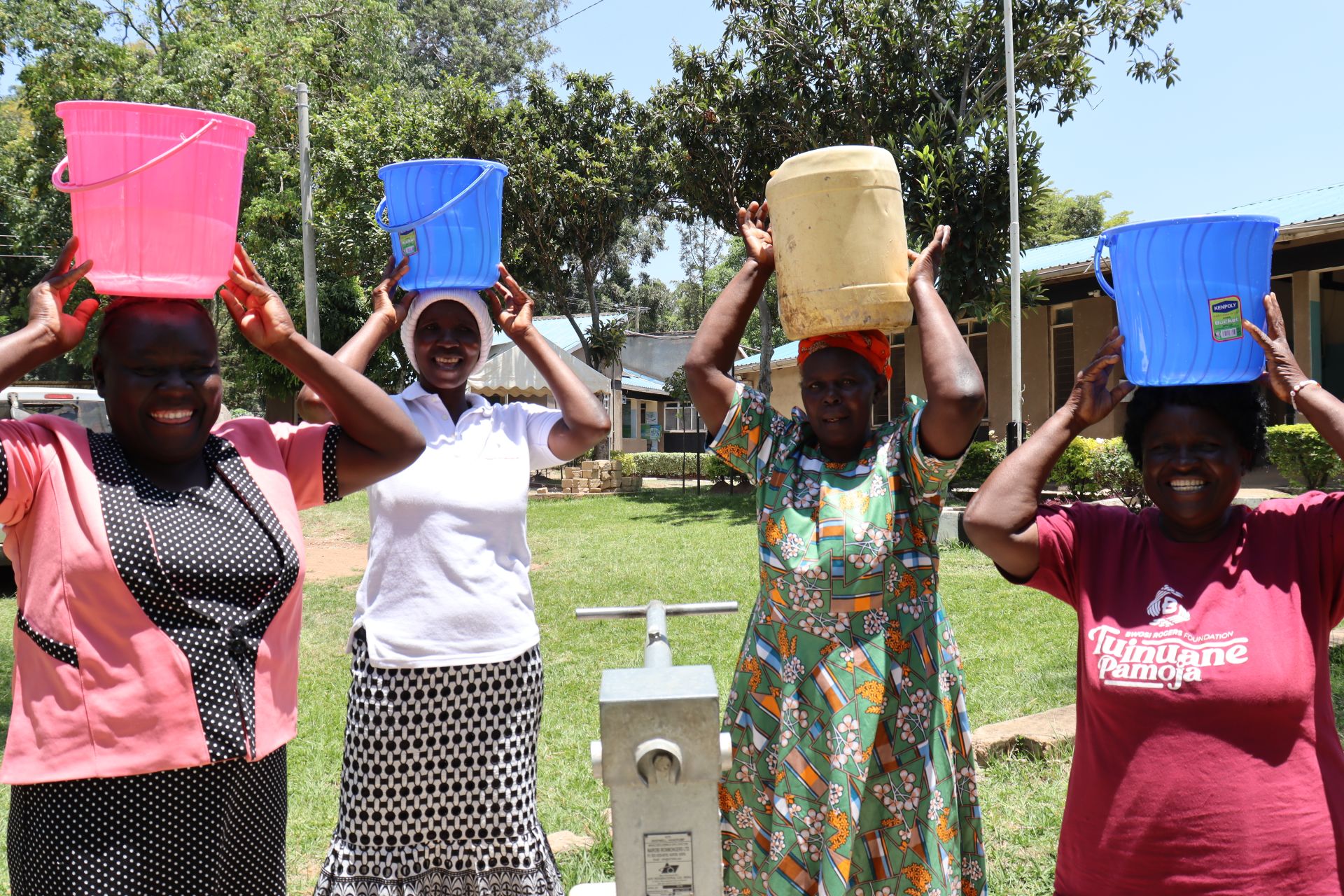
The enthusiasm for this much-anticipated project was overwhelming. We officially handed over ownership of the new borehole to the health center staff and local community members.

Everyone celebrated the health center’s new water source. The celebration was a great opportunity to acknowledge the staff and remind them of our continued support. Happiness, thanksgiving, and appreciation were the order of the day, flowing in all directions.

Field officer Rachael Obura shared, "The health care administration's participation was excellent and highly commendable. They ensured that all materials required for the project were available in the right quality, quantity, and on time. They approached the Area MCA, who supported the project by donating construction materials, specifically sand and ballast. Community members were also actively involved; they fetched water for construction and volunteered their time to provide unskilled labor throughout the construction process."

Improved Sanitation Facilities

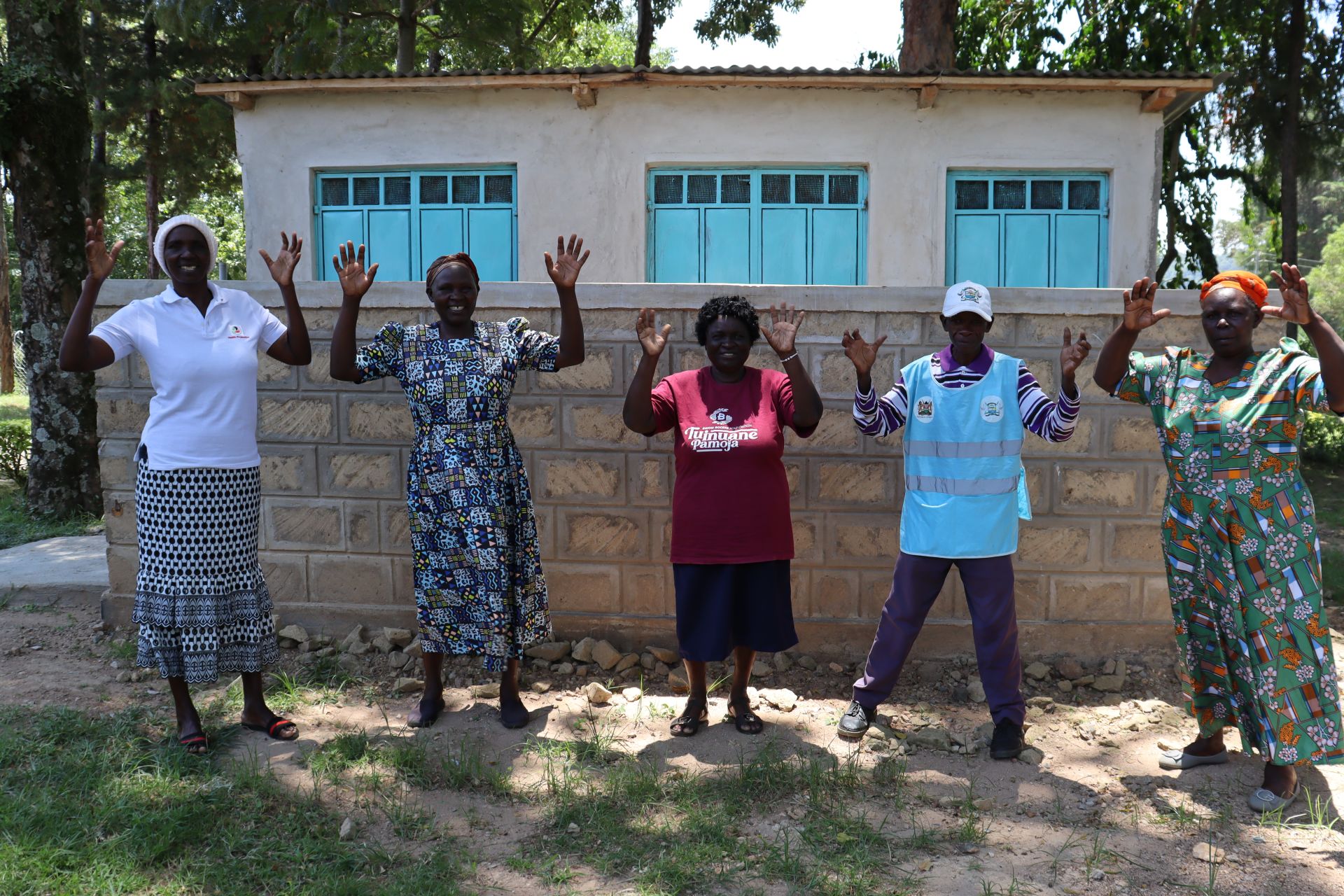
This project funded the installation of modern sanitation facilities at the health center. Newly constructed latrines now serve both patients and staff, including a dedicated, accessible unit for people with disabilities. Each latrine is constructed with cement floors and walls, ensuring durability, ease of cleaning, and low-maintenance upkeep.

The new latrines.

To promote proper hygiene, sinks with running water were installed adjacent to the latrines, encouraging regular handwashing among patients, caregivers, and medical staff. Additionally, a biodigester system was introduced to sustainably manage waste. The biodigester uses natural bacteria to safely break down human waste, reducing environmental impact while supporting long-term waste management solutions.
With these improvements, the health center is now better equipped to maintain high standards of hygiene and sanitation. Patients and healthcare workers alike benefit from safer, cleaner facilities, which directly help prevent disease transmission and support the overall well-being of the community.

Community Education

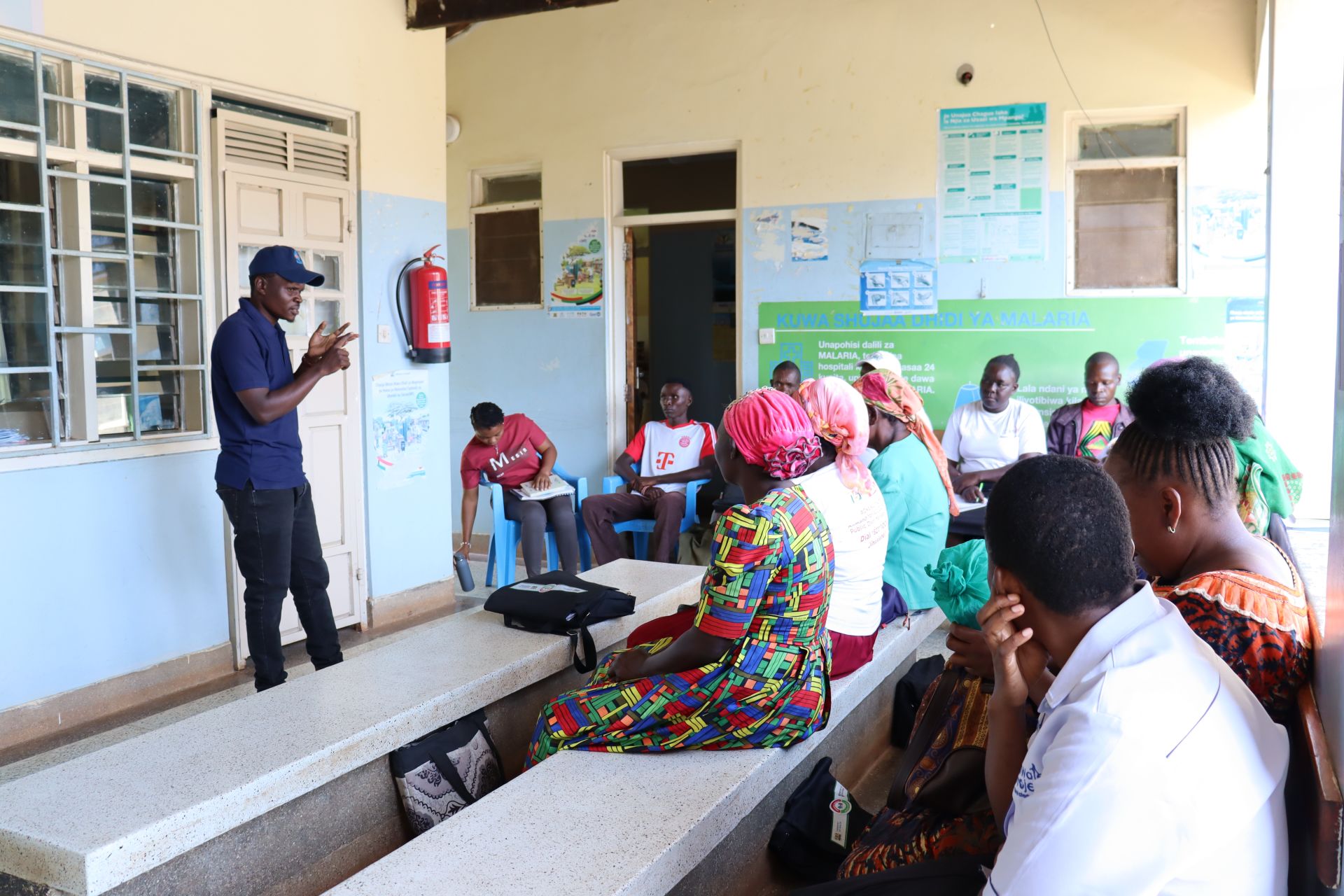
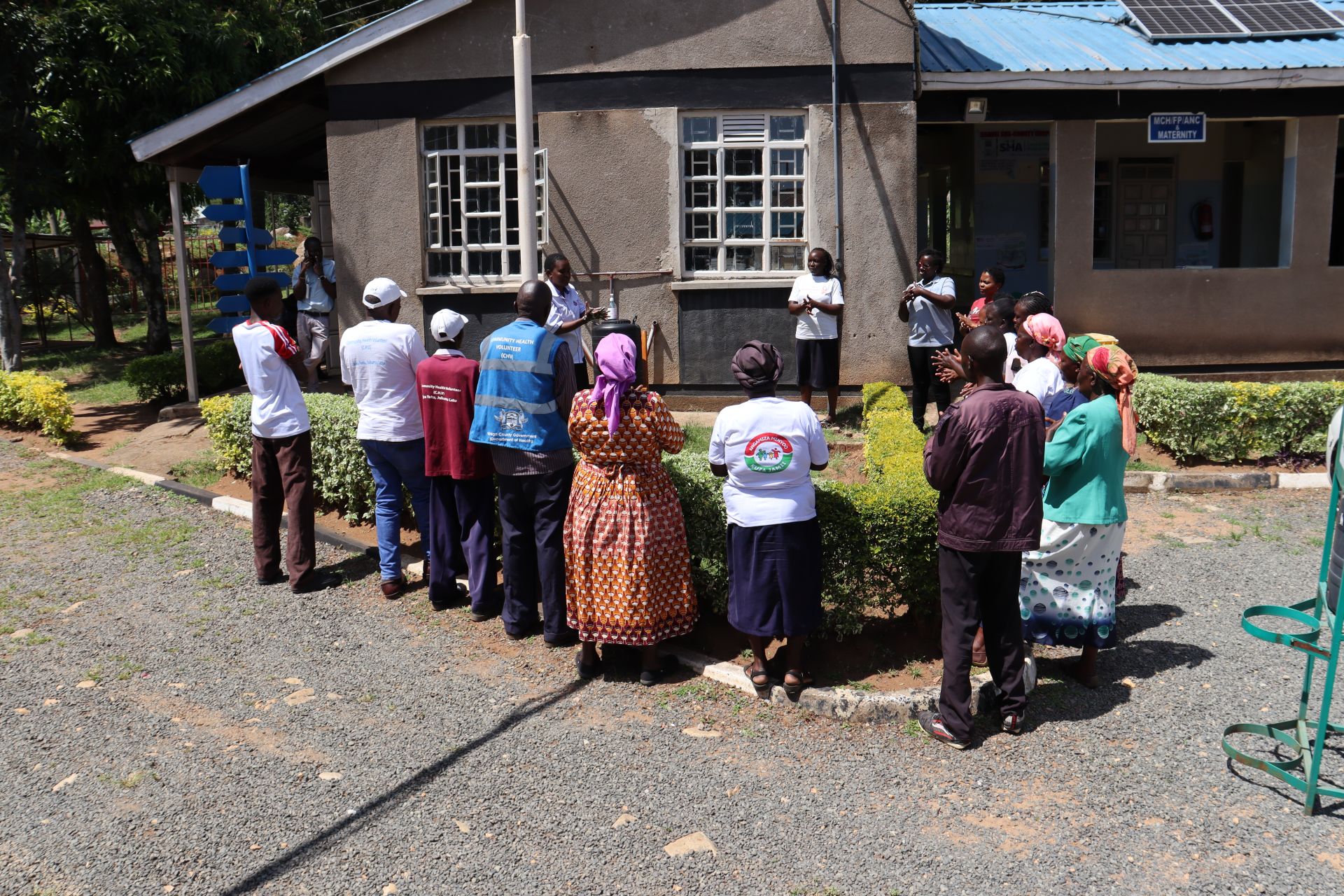
We scheduled hygiene and sanitation training with the health center staff. When the training day arrived, field officers were deployed to the site to lead the event. 22 People attended the training.

During our training, we covered a range of essential topics, including personal, oral, food, and environmental hygiene. We discussed disease prevention strategies, the ten-step handwashing protocol, and the construction of handwashing facilities. Additionally, we talked about safe water handling, maintenance, and operation of water points, as well as principles of leadership and governance.

Handwashing training.

Everlyne Mudola, previously quoted, shared, "The most interesting topic for me was water and food handling. It was interesting to me because I learned that we can collect clean, safe water from the source, but we can contaminate it ourselves during transportation and storage if we do not handle it properly. I also learned that I must wash my hands with running water and soap before handling any food, cooking, or serving. I learned that I should cover food, store drinking water in a clean, covered container with a tap, and never dip my hands or dirty cups inside. This was an eye-opener for me because I now understand that diarrheal diseases in our homes are not just from dirty sources, but from how we handle water and food at home."

Thank you for making all of this possible!


September, 2026: Exciting Progress at Hamisi Sub-County Hospital!

We’re thrilled to share that, thanks to your generous support, significant change is coming for Public Health Officer Robinson Mugondi and the Hamisi Sub-County Hospital. Construction has begun on the well project, bringing them one step closer to having clean, reliable water.

But that's not all—during construction, we’re also providing vital health training. These sessions equip the community with essential hygiene practices, ensuring that the benefits of clean water extend to lasting health improvements.

We’re so grateful for your role in making this possible. Stay tuned for more updates—soon, we’ll be celebrating the arrival of safe water at the Hamisi Sub-County Hospital!


Loading photos...


Project Type

A borehole well reaches clean water stored deep underground. We drill down through soil and rock to groundwater that natural layers have already filtered, then build a platform and fit a handpump so families can draw water up close to home. It is a safe, protected source that replaces long walks to open water, and with your partnership it is cared for long after it is installed.

Learn more about how we install a well here!


Contributors

4 individual donor(s)