
Project Status


Project Type:  Protected Dug Well

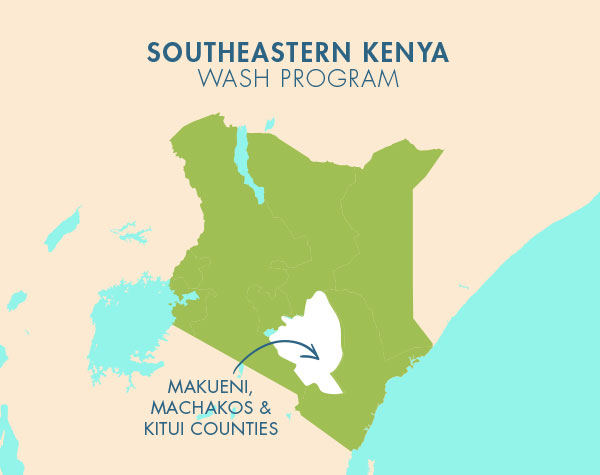
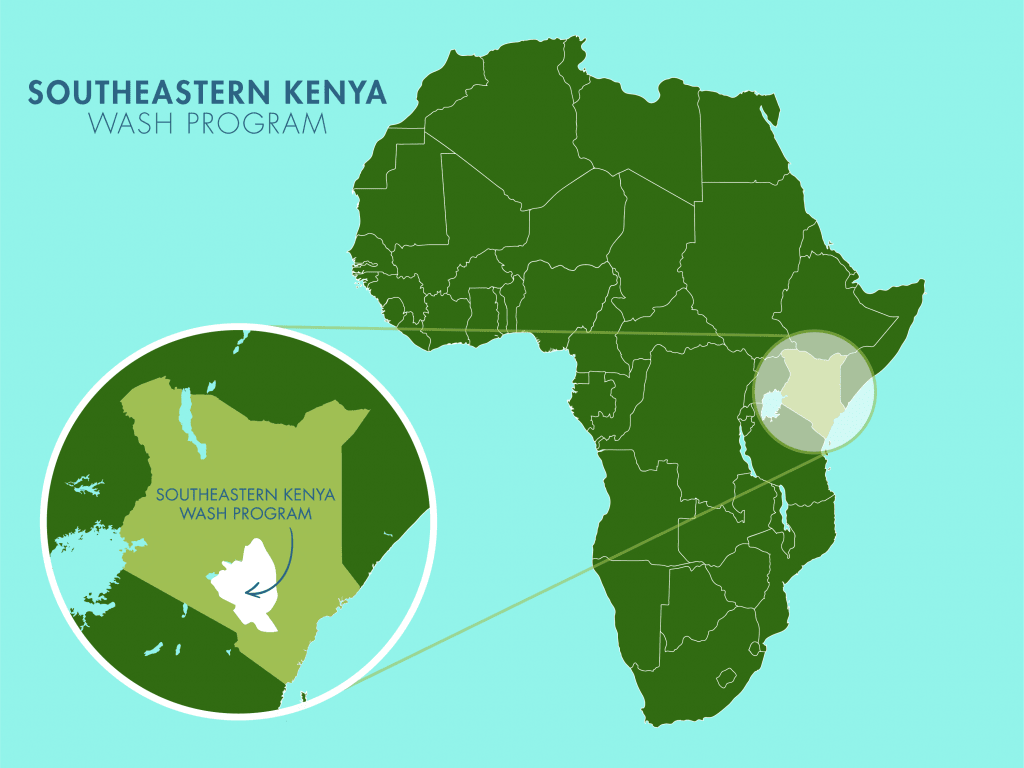
Regional Program: Southeastern Kenya WaSH Program

Impact: 240 Served

Project Phase:  In Service - May 2026

Functionality Status:  Functional

Project Features


Click icons to learn about each feature.


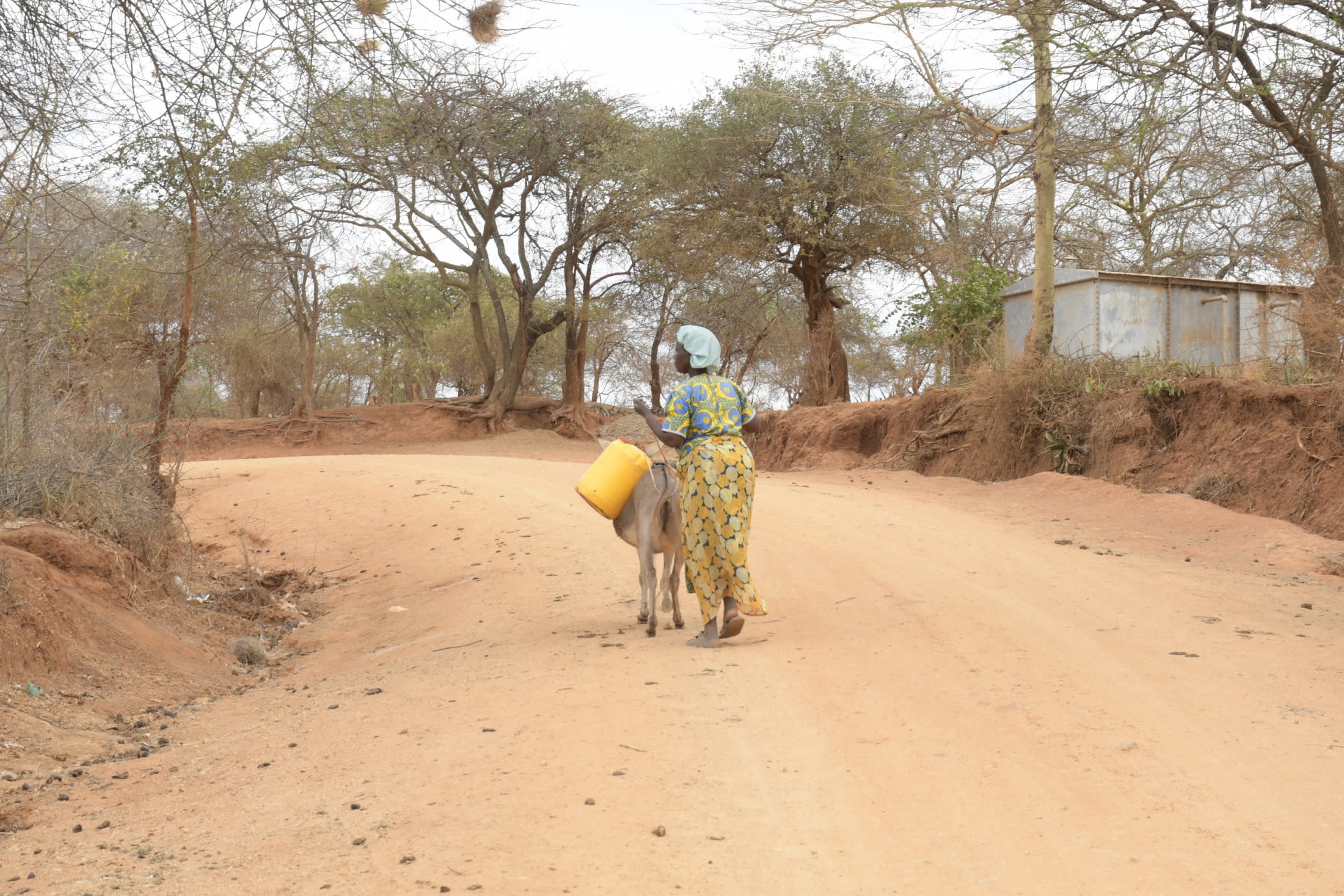
The 240 people of Kalinza struggle to access sufficient water daily because their only water source is far away and requires a long, tiresome trip. Although there is a kiosk where they can collect water from a well that provides clean water, community members must walk two hours to get to the location.

But the distance is not the only problem. After community members expend so much energy getting to the well, they find long queues of people also waiting to collect water, causing them distress as they watch the day waste away. They must collect water, but the draining task leaves them with little energy or time to do anything else, interrupting even their tasks like cooking and farming.

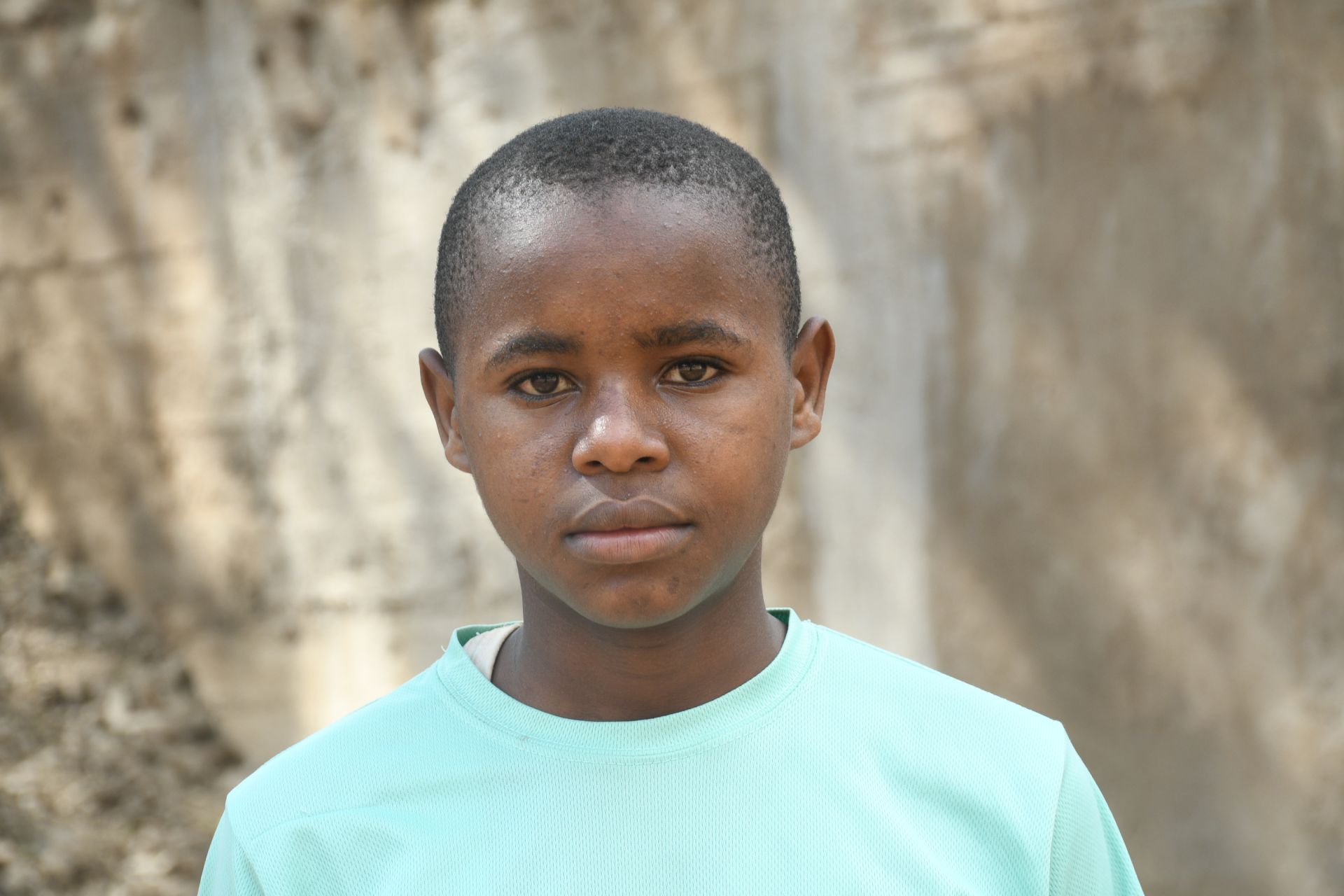
"I feel so bad about fetching water at the water source. My school time is mostly affected as I am forced to make time for water rather than studies or even my homework," said 15-year-old Agnes.

Agnes.

Installing a dug well fed by a sand dam will enable Agnes to focus on quickly collecting sufficient, safe water to meet her needs while still having the time and energy to complete her daily tasks and attend school so she can build a brighter future.

Having the well nearby will help community members access clean drinking water near their homes.

Helping to solve the water crisis in this community will take a multi-faceted system. It requires the collaboration of the dug well and a sand dam. They will work together to create a sustainable water source that will serve this community for years to come.

Steps Toward a Solution

Our technical experts worked with the local community to identify the most effective solution to their water crisis. Together, they decided to construct a dug well and sand dam.

Dug Well Near A Sand Dam
Once a sand dam is installed and has time to mature by gathering sand and silt, groundwater increases significantly in the entire area surrounding the project. This provides a reliable source of groundwater that wasn’t possible before. As a result, wells can be constructed to take advantage of the water stored and filtered in the collected sand.

During construction, we build a platform for the well and attach a hand pump. The community gains a safe, enclosed water source capable of providing approximately five gallons of water per minute.

This dug-well will be connected to a sand dam to obtain water.

Community Education & Ownership
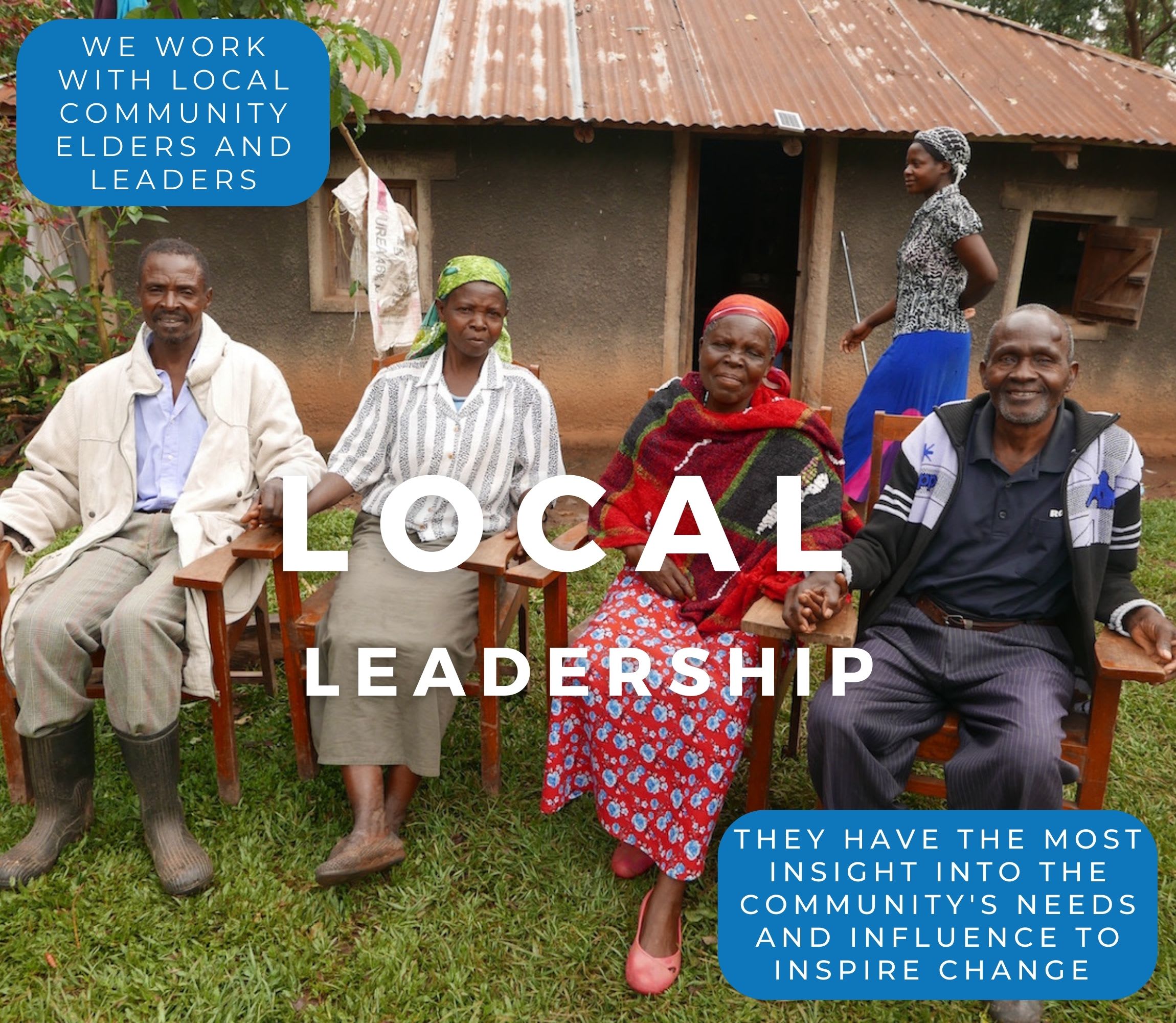
Hygiene and sanitation training are integral to our water projects. Training is tailored to each community's specific needs and includes key topics such as proper water handling, improved hygiene practices, disease transmission prevention, and care of the new water point. Safe water and improved hygiene habits foster a healthier future for everyone in the community. Encouraged and supported by the guidance of our team, a water user committee representative of the community's diverse members assumes responsibility for maintaining the water point, often gathering fees to ensure its upkeep.
Project Updates


May, 2026: Kalinza Community Well Complete!

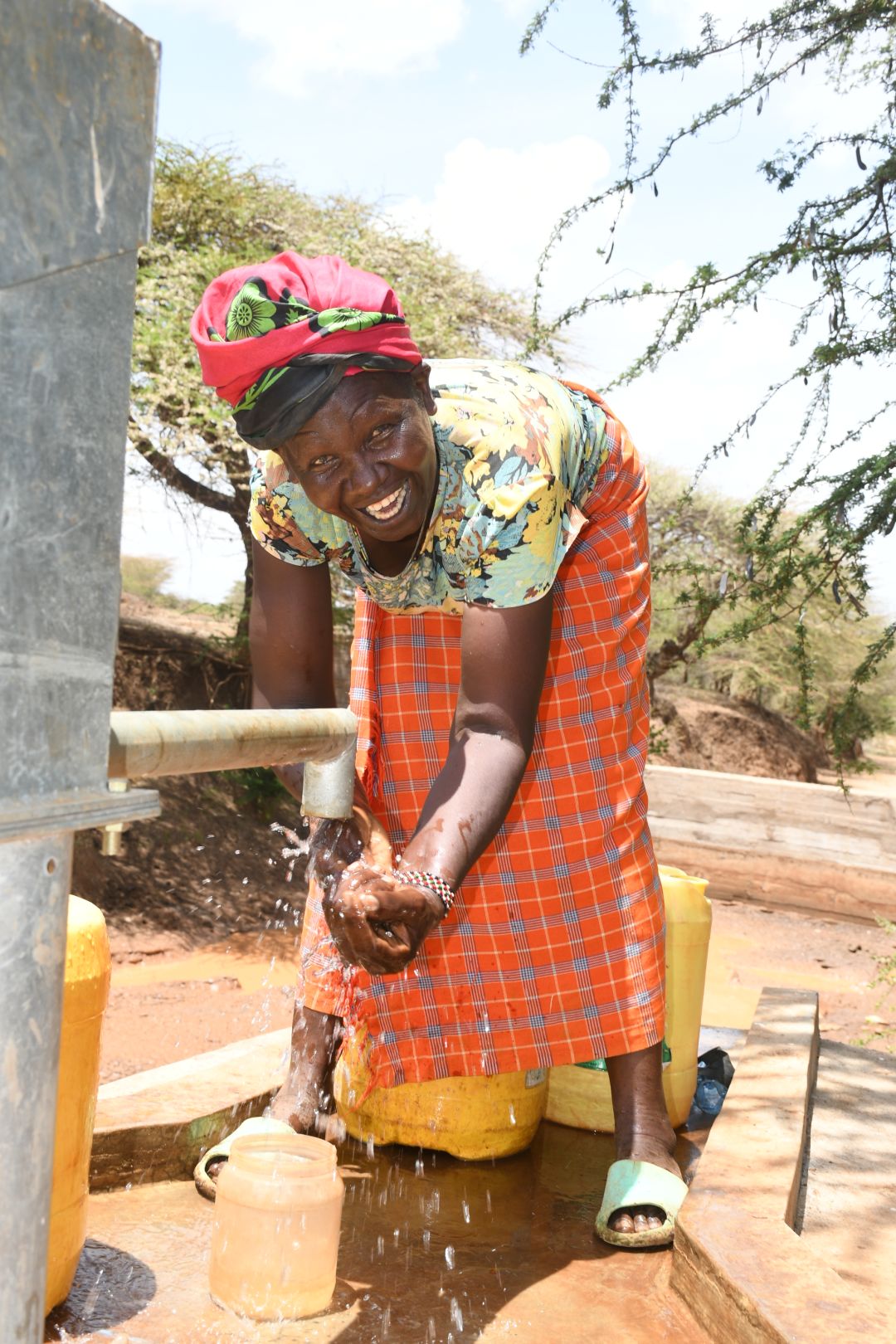
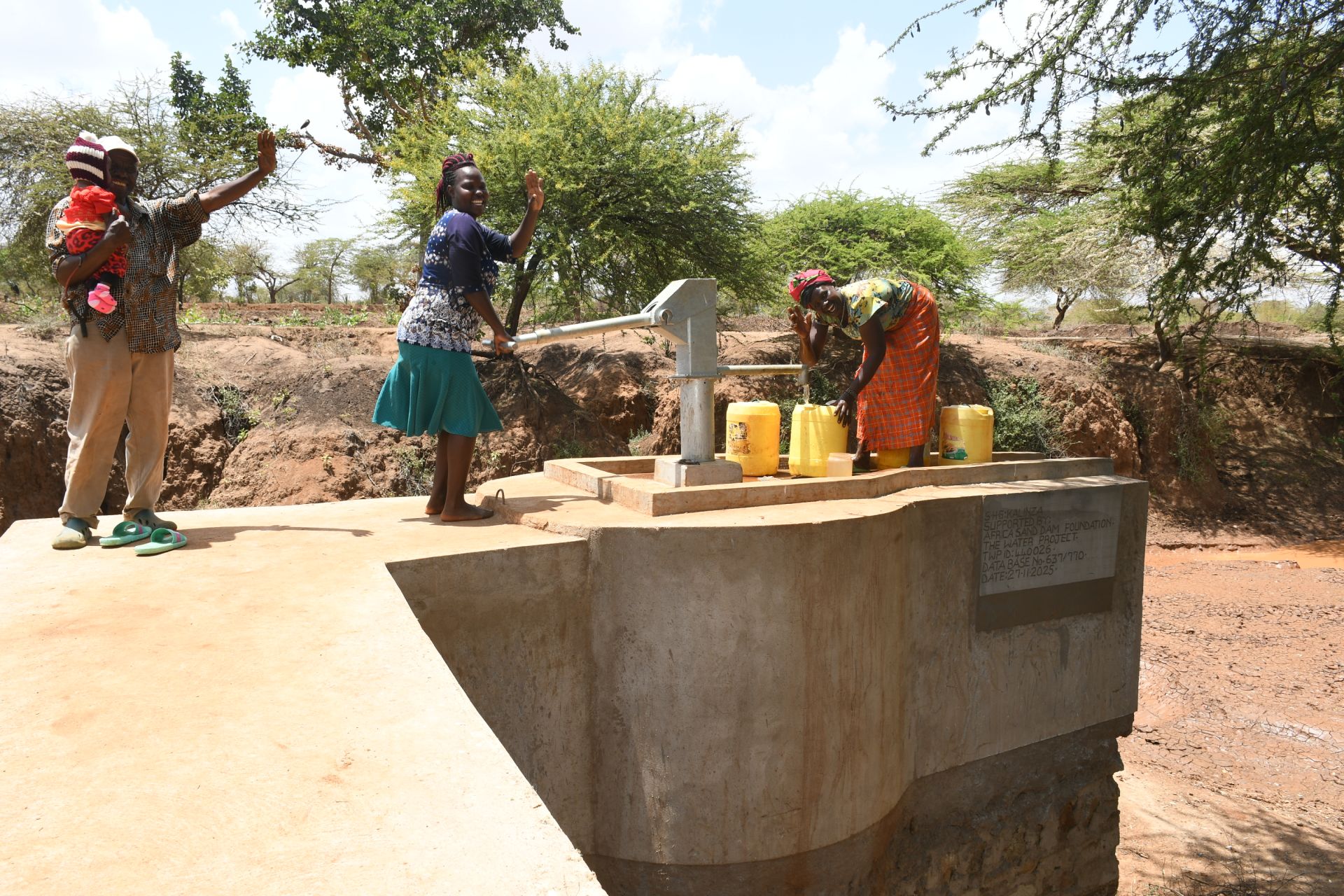
The Kalinza Community in Kenya now has a new water source thanks to your donation! We constructed a new protected dug well adjacent to a new sand dam on the riverbed. The sand dam will raise the water table and naturally filter water, while the well will provide a safer method of drawing drinking water for the community.

It could take up to three years of rain for the sand dam to reach its maximum capacity, as rainfall is often scarce in this region, occurring only once a year. As the sand dam matures and stores more sand, the surrounding landscape will become lush and fertile, and the well will fill with water.

"This new water point will help my parents a lot because they will not spend many hours searching for water at the distant borehole or the rivers that sometimes dry up. They will have more time to take care of our home, our farm, and even plant vegetables and trees. It will also make them less tired," shared 15-year-old Velela.

He continued, "Reliable water will help me learn better because I will not be tired from walking long distances for water. I will come to school fresh and ready to concentrate. Having clean water to drink will keep me healthy, which means I won’t miss classes often. I will also have more time to do my homework."

Protected Dug Well Construction

Construction for this well was a success!

We delivered the experts, materials, and tools, but the community also contributed significantly to an extraordinary amount of work being done. They collected local materials to supplement the project, including sand, stones, and water. Once all the materials were ready, it was time to dig in!

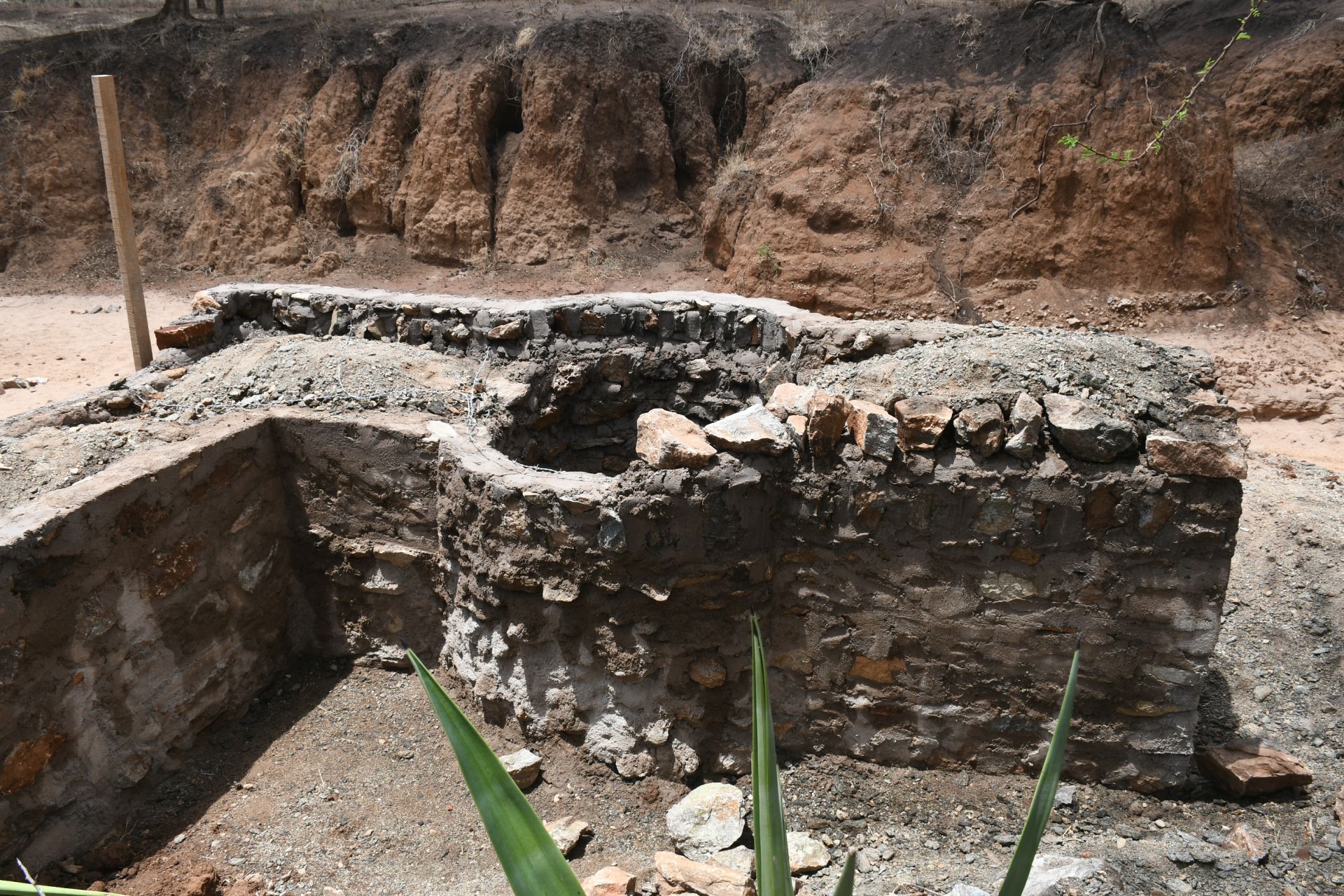
First, we excavated a hole seven feet in diameter down to the recommended depth of 25 feet. The well lining was constructed using brick and mortar with perforations to allow water to seep through. Now that the well is finished, sand builds up around its walls, which will filter the water stored behind the dam.

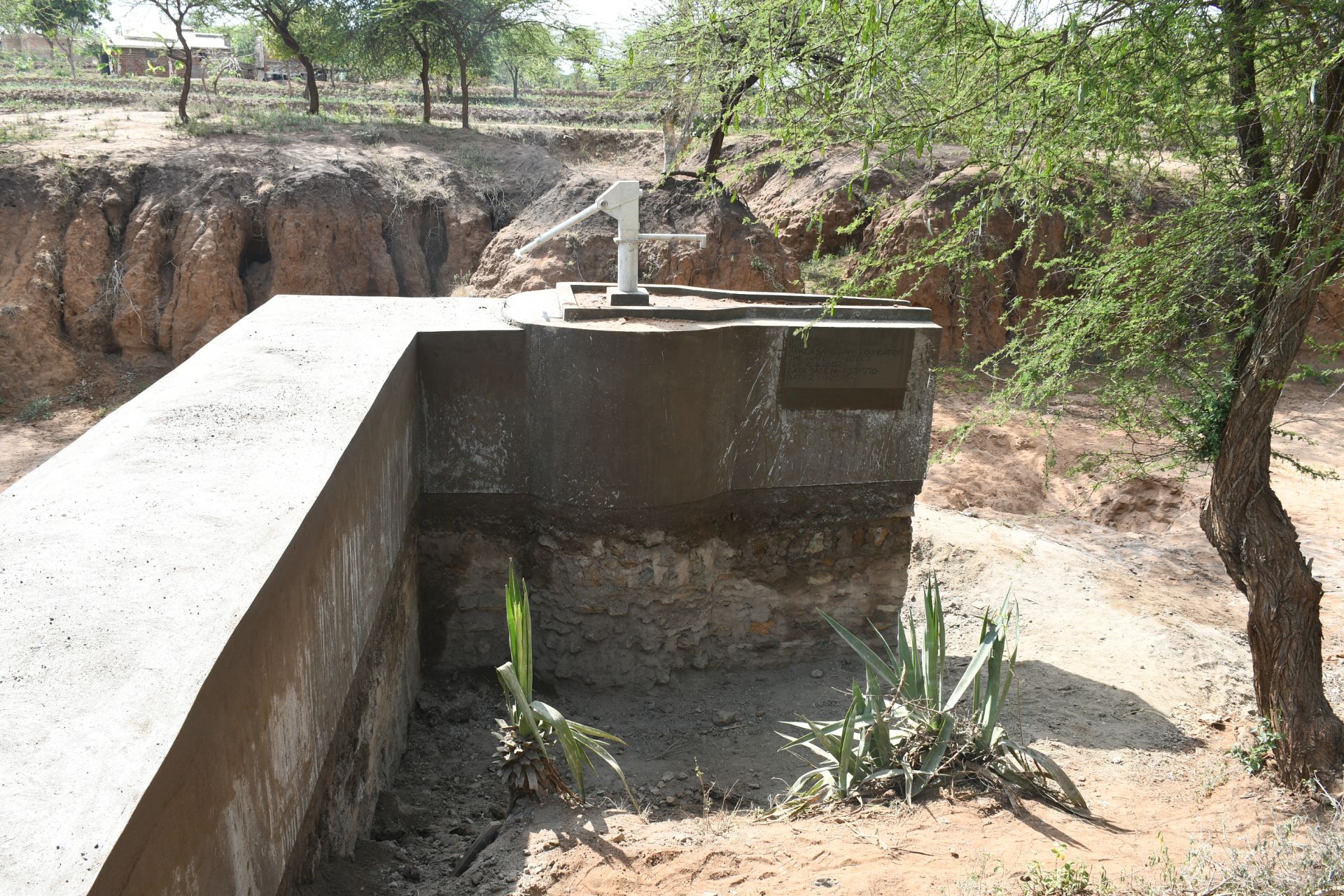
Once the well walls and lining were complete, we laid a precast concrete slab on top and joined it to the wall using mortar. The concrete dried for two weeks before installation.

Next, the mechanics arrived to install the well pump, as community members watched and learned how to manage simple maintenance tasks. We installed the pump level with the top of the sand dam. As the dam matures, sand will build up to the top of the wall. Until then, people will use concrete steps to get water. After installing the pump, we gave the well another few days to dry.

We worked with the Kalinza Self-Help Group for this project. The members and their families contributed tremendous amounts of materials and physical labor.

Community Education

Our trainer collaborated with the field staff and community members to identify areas where the community could improve.

As we’ve worked with this Self-Help Group in the past, we asked them about the subjects on which they needed refresher training.

Field Officer Alex Koech reported: "The members of Kalinza SHG (self-help group) demonstrated high commitment and genuine enthusiasm throughout the hygiene training. Their active involvement in practical sessions, such as mixing soap, constructing a tippy tap, and participating in other hands-on hygiene demonstrations, demonstrated their eagerness to learn and apply new skills. Members attended the sessions consistently and participated attentively, asking questions and collaborating closely during group activities. Their willingness to practice what they learned and immediately put the skills into use reflects a strong desire to improve household and community hygiene."

We trained the group on various skills, including bookkeeping, financial management, project management, group dynamics, and governance. We conducted hygiene and sanitation training to teach skills such as soap and detergent making and to improve habits, including handwashing.

We covered health problems in the community, including good and bad hygiene habits, as well as the prevention of disease. Finally, we covered both natural resource management and the operation and maintenance of the sand dam.
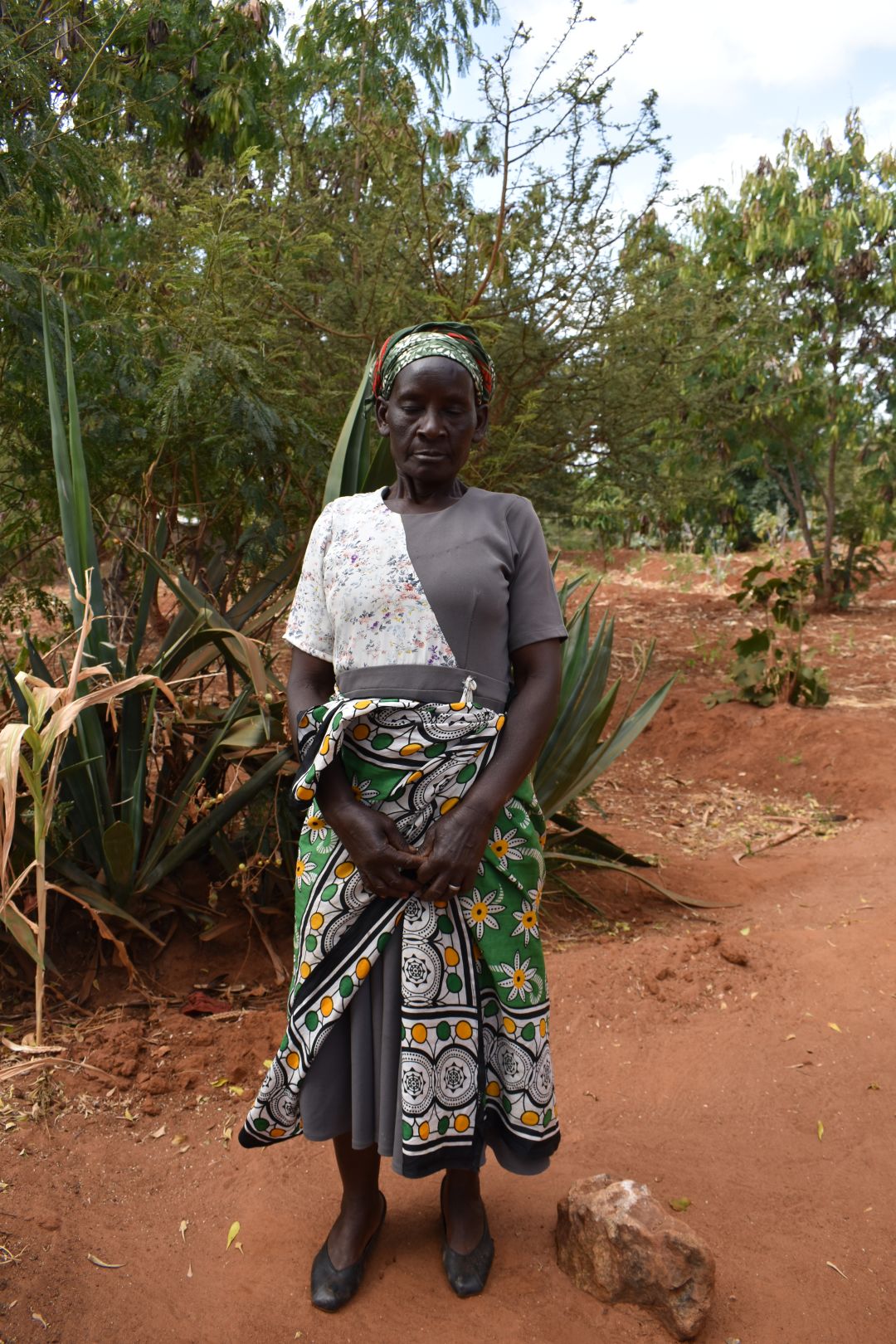
"The most interesting topic for me was soap making and understanding how hygiene practices connect to the sustainability of our projects. This topic stood out because it opened my eyes to the fact that we had not been taking soap production and sales seriously, yet it is something that can generate income and help us undertake meaningful developments as a group. I learned that proper hygiene begins with simple and affordable actions, like making our own soap, washing hands, and keeping our surroundings clean. I also learned that income from hygiene products can support long-term group goals and reduce disease in our community," said training participant and chairperson of the water user committee, Josephine Mbithi, a 62-year-old farmer.

Thank you for making all of this possible!


Update photo


February, 2026: Exciting Progress Coming to the Kalinza Community!

The community of Kalinza is eagerly awaiting the completion of its well. The well and its accompanying sand dam will work in tandem. The sand dam enriches the surrounding environment while storing water beneath the surface, so the well can draw from it and provide clean drinking water.

Construction of the well will begin once the funding for the sand dam is complete. We eagerly anticipate this exciting moment and will share the news with you when it arrives!

We’re committed to keeping you informed every step of the way. Your trust in our process is vital, and we’re always here to answer any questions you may have


Project Photos


Project Type

Protected Dug Well

Dug wells have been an important source of water throughout human history! Now, we have so many different types of water sources, but protected dug wells still have their place. Protected dug wells are not as deep as borehole wells, and work best in areas where there is a ready supply of water just under the surface of the ground, such as next to a mature sand dam. Our artisans dig down through the layers of the ground and then line the hole with bricks, stone, or concrete, which prevent contamination and collapse. Then, back up at surface level, we install a well platform and a hand pump so people can draw up the water easily.


Contributors

2 individual donor(s)