
Project Status


Project Type:  Rainwater Catchment

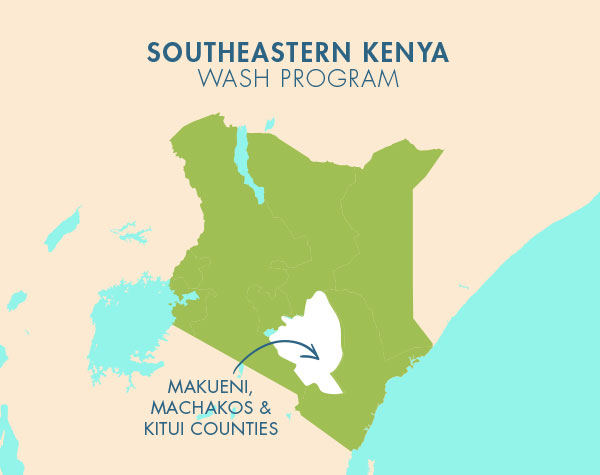
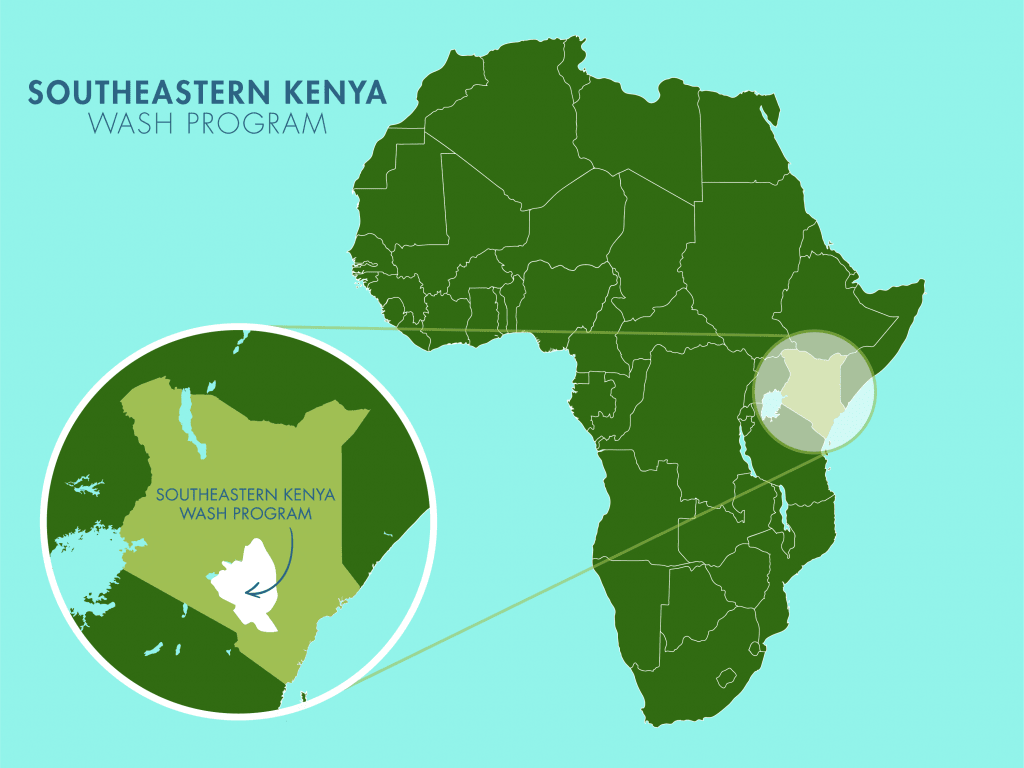
Regional Program: Southeastern Kenya WaSH Program

Impact: 216 Served

Project Phase:  In Service - Dec 2025

Functionality Status:  Functional

Project Features


Click icons to learn about each feature.


The 216 staff and students of the Tulanduli Secondary School struggle to access sufficient water. Their small rainwater harvesting tank often runs dry, and they are forced to buy water, which is costly and unreliable.

"This school suffers from water scarcity because of rampant drought periods in the area. Thus, the water vendor is paid to deliver water to the school when the harvested rainwater in the 10,000-liter tank is depleted. The vendor often delays, which leads to delays in meals, and learners fail to get water to drink," shared Field Officer Alex Koech.

Water is collected from alternative sources.

"The water is also not sufficient to conduct hygiene and sanitation in the classrooms and latrines, which has contributed to an unconducive learning environment. The recently rolled out Competency-Based Curriculum (CBC) program is also negatively affected because it entails practicals that require water to teach, leading to poor performance in the subject," continued Alex.

17-year-old James struggles in school every day. He is thirsty and hot because he has to wait in long lines to collect water from the rain tank. Sadly, it has often run dry, and James must get through his day without the water he needs.

James collecting water.

He said, "We do not have enough water in our school because we only have one tank that cannot hold enough water for all of us, and the water vendor draws water from far away. This makes things very difficult for us because attending classes while thirsty and hungry is not easy."

"I am unable to focus on my studies due to lack of water. I also spend most of my time fetching water rather than studying," he added.

We asked James how he feels when he has to collect water; he said it exhausts him physically and emotionally. Every day is draining, and little time is spent studying or enjoying time with his friends, but this water crisis doesn't stop James from dreaming.

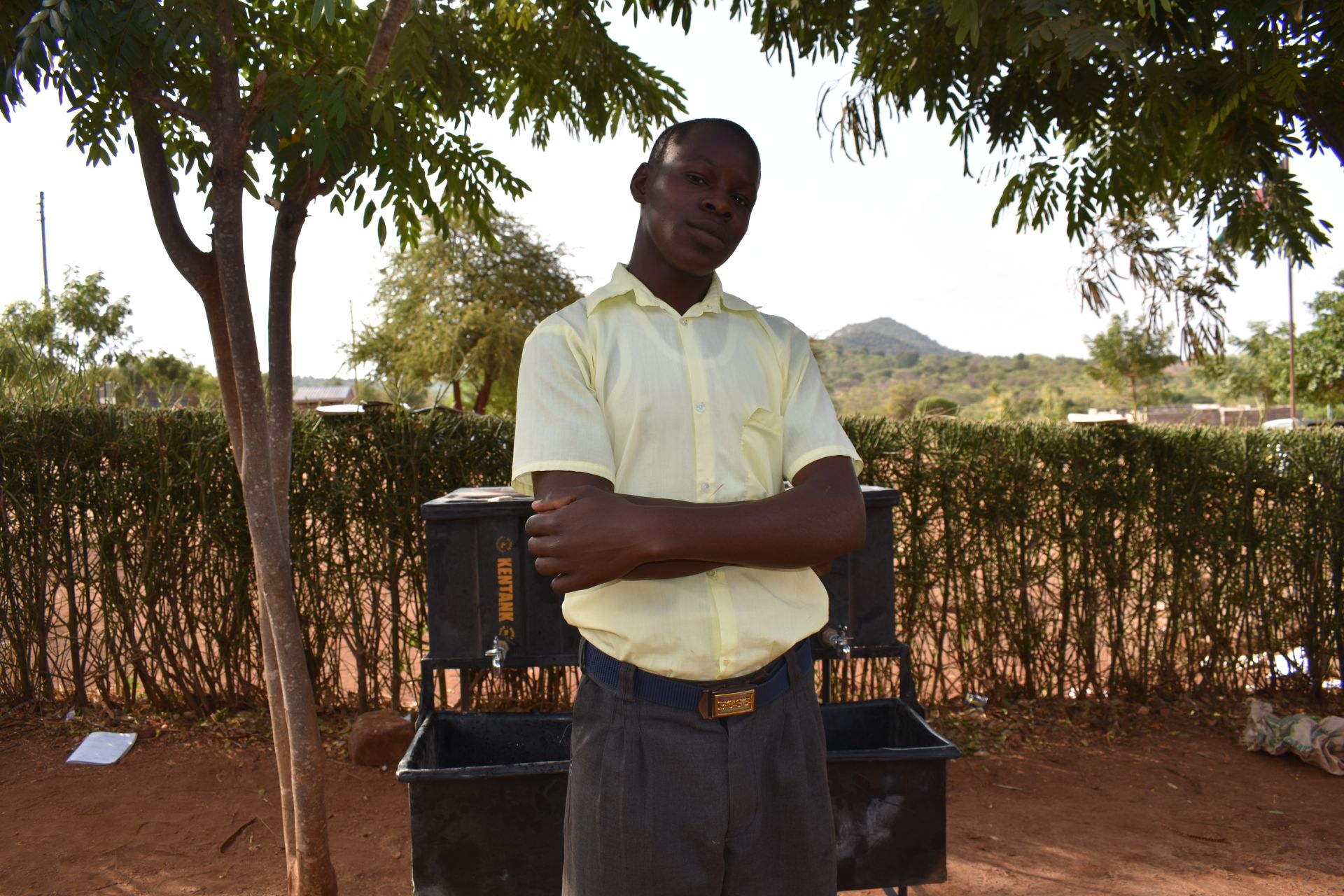
James.

"When I finish school, I want to be an engineer," said James.

James can achieve his goals with the right tools. Installing a 104,000-liter rainwater harvesting tank that will hold enough water to supply the students and staff with sufficient water without having to spend money they don't have with water vendors is a great start to a brighter future.

Steps Toward a Solution

Our technical experts worked with the local community to identify the most effective solution to their water crisis. Together, they decided to construct a rainwater harvesting system.

Rainwater Harvesting System
A rainwater collection system consists of gutters that channel rainwater effectively into large holding tanks. Attached to buildings with clean, suitable roofing, these systems are sized according to the population and rainfall patterns. Water can be stored for months, allowing for easy treatment and access. Learn more here!

Handwashing Stations
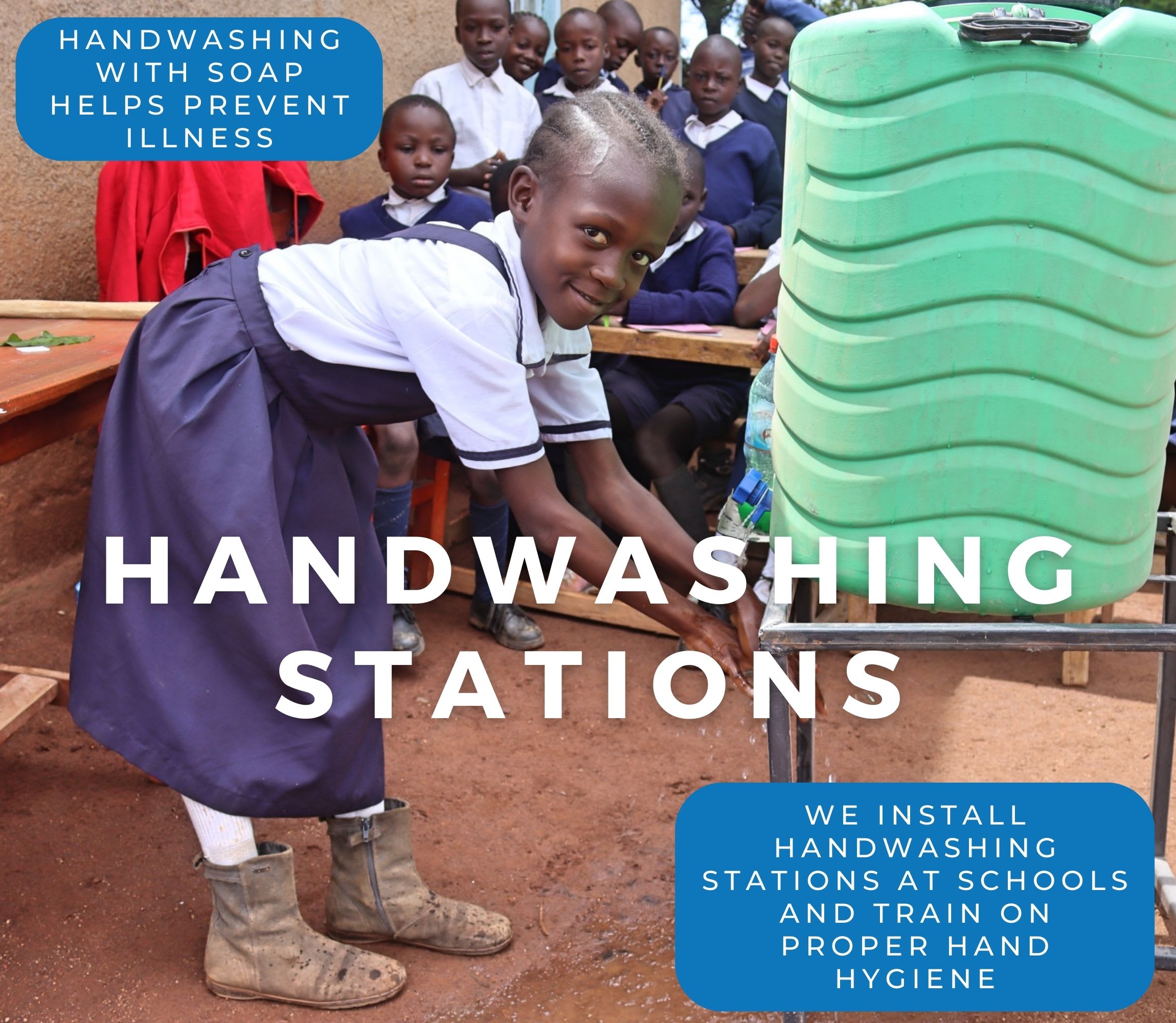
Alongside each water source, we install two gravity-fed handwashing stations, enabling everyone at the school to wash their hands. Handwashing is crucial for preventing water-related illnesses within the school and community. Student “health clubs” maintain the stations, fill them with water, and supply them with soap, which we often teach them how to make.

School Education & Ownership
Hygiene and sanitation training are integral to our water projects. Training is tailored to each school's specific needs and includes key topics such as proper water handling, improved hygiene practices, disease transmission prevention, and care of the new water point.

To ensure a lasting impact, we support forming a student health club composed of elected student representatives and a teacher. These clubs promote hygiene practices schoolwide and keep handwashing stations well-stocked. This student-led model encourages a sense of ownership and responsibility.

Safe water and improved hygiene habits foster a healthier future for the entire school.

Project Updates


December, 2025: Tulanduli Secondary School Rainwater Catchment Complete!

Your contribution has given access to clean water for the Tulanduli Secondary School in Kenya, thanks to the completion of their 104,000-liter rain tank! Additionally, we installed handwashing stations and trained students and staff on sanitation and hygiene practices. Together, these components will unlock the opportunity for these students to thrive!

Seventeen-year-old student Mercy shared, "Reliable water will help me learn better. It means I’ll have enough drinking water to stay hydrated and alert during lessons. The school environment will also be cleaner and more hygienic, which makes it easier to focus without distractions. Also, with the Competency-Based Curriculum (CBC), we often do practical activities that need water. Now we’ll be able to participate fully in those lessons, which will improve our performance and prepare us better for the future."

Teachers were just as excited as the students about the new rain tank on campus!

"Reliable access to water is foundational to achieving our learners’ goals. With clean water readily available, our students can stay healthy, concentrate better in class, and attend school more regularly. They won’t have to worry about going thirsty, missing meals, or sitting in unclean classrooms. This will help them focus more on their education and improve their academic performance. For many, including those pursuing dreams in science, agriculture, or medicine, access to water is essential—especially with the new CBC curriculum, which involves practical, hands-on learning that requires water. This project is a stepping stone toward their long-term success," said teacher Elizabeth Muli, 43.

Rain Tank Construction

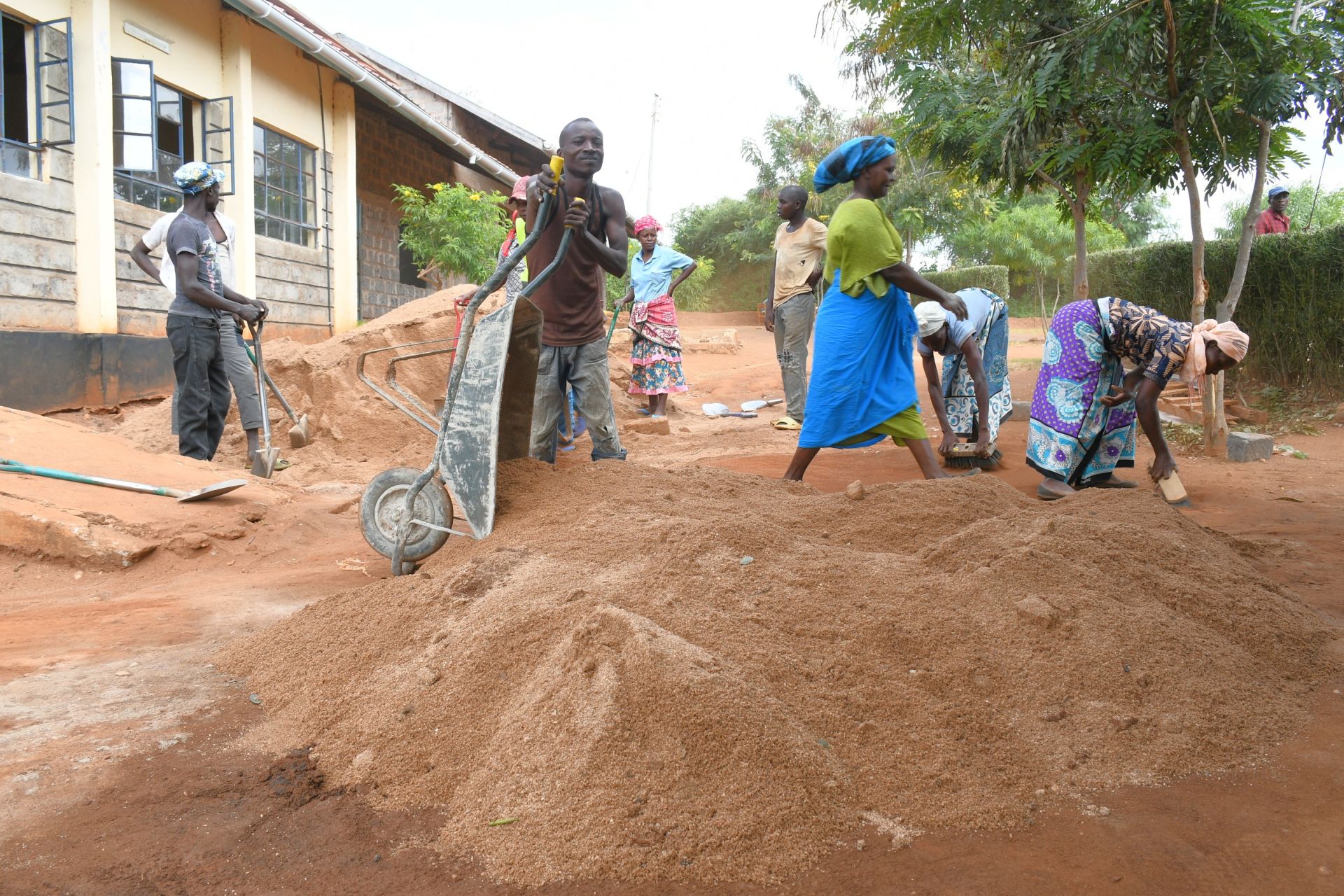
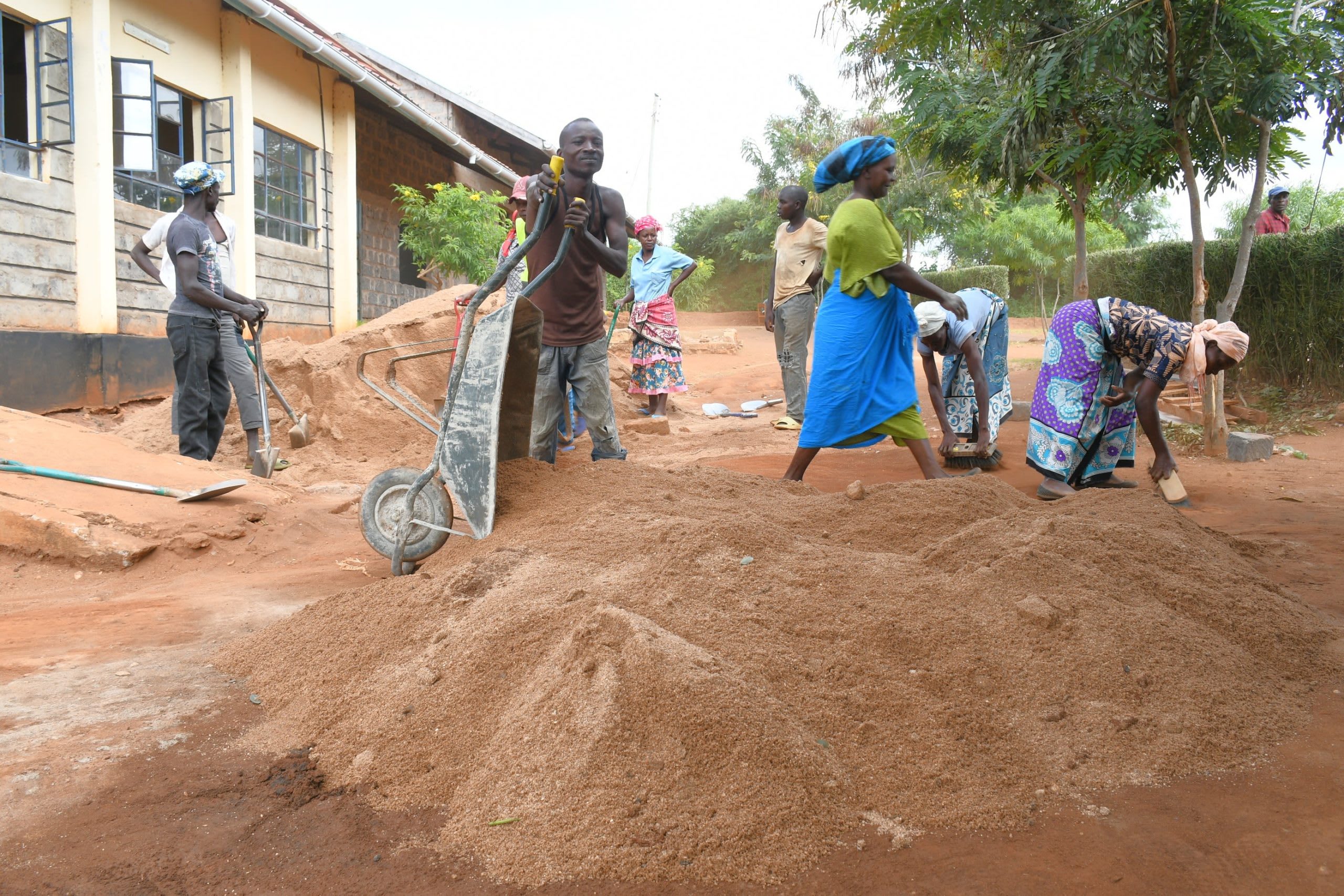
First, we held a meeting with all parents and the school’s headteacher to plan the project. The parents agreed to collect construction materials like sand, rocks, and water. We complemented their materials by delivering the expertise, tools, lumber, metal, cement, and a gutter system.

Gathering materials for construction to begin!

This tank is a whopping 104,000 liters, as it rarely rains in Southeastern Kenya. The more water the tank can store during the seasonal rains, the more water available through the dry months for the students!

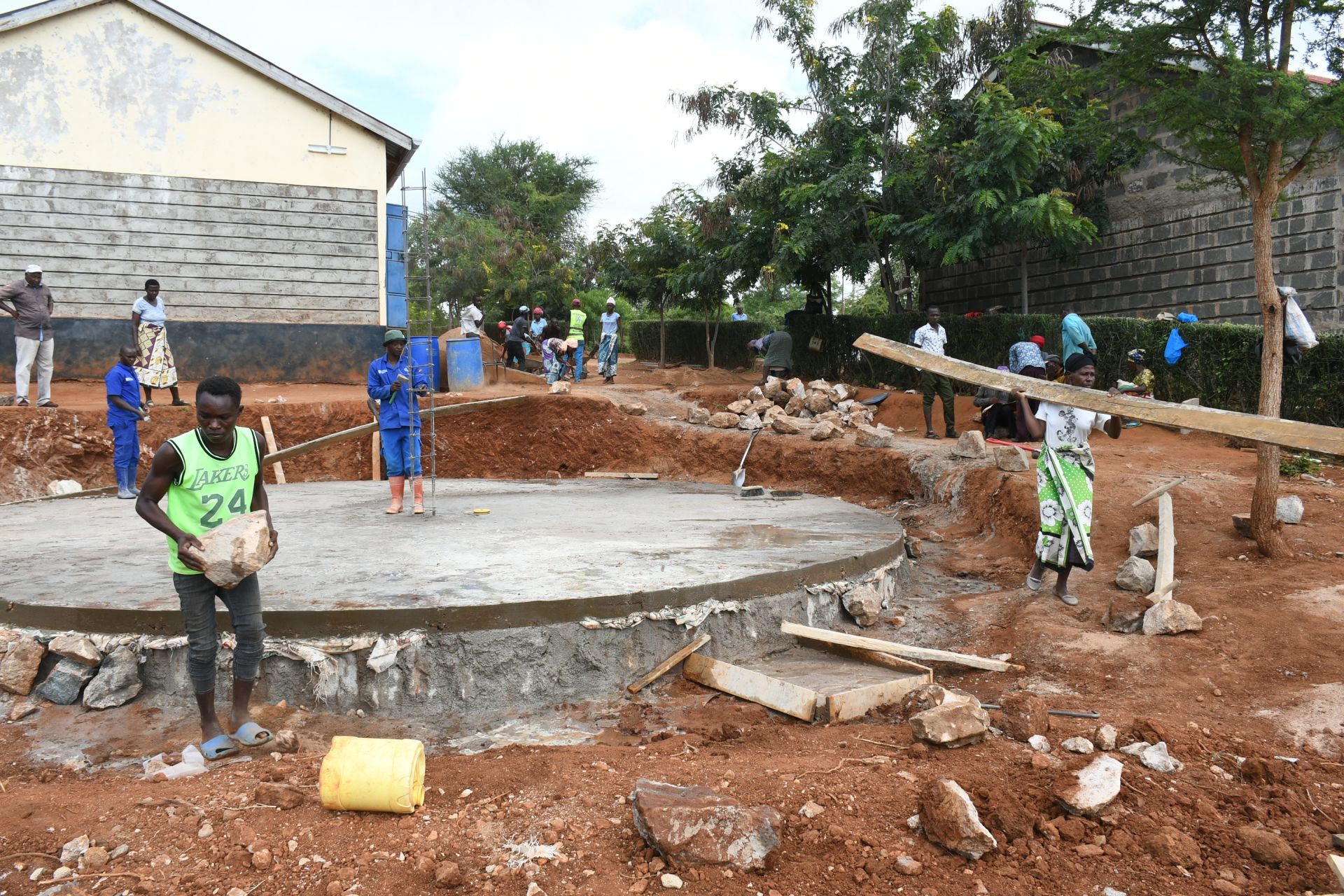
Building the foundation of the tank.

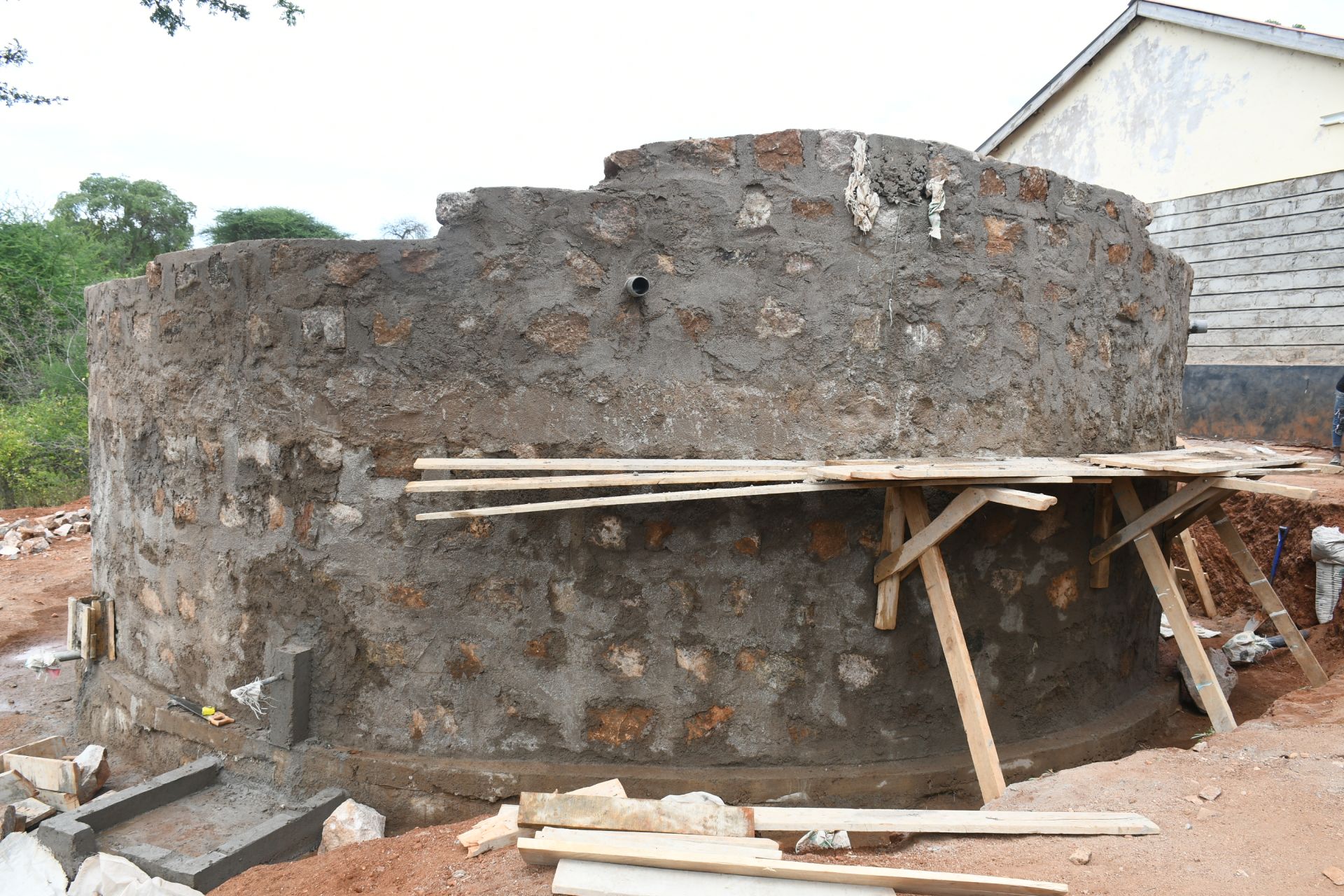
Construction for this large rain tank is much like constructing a concrete house. First, we leveled the ground for foundation excavation. Next, we laid alternating layers of rocks and mortar up to seven feet high for the tank's outer walls. With such sturdy construction (the walls are three feet thick!), the tank will stand for a long time.

Constructing the walls of the tank.

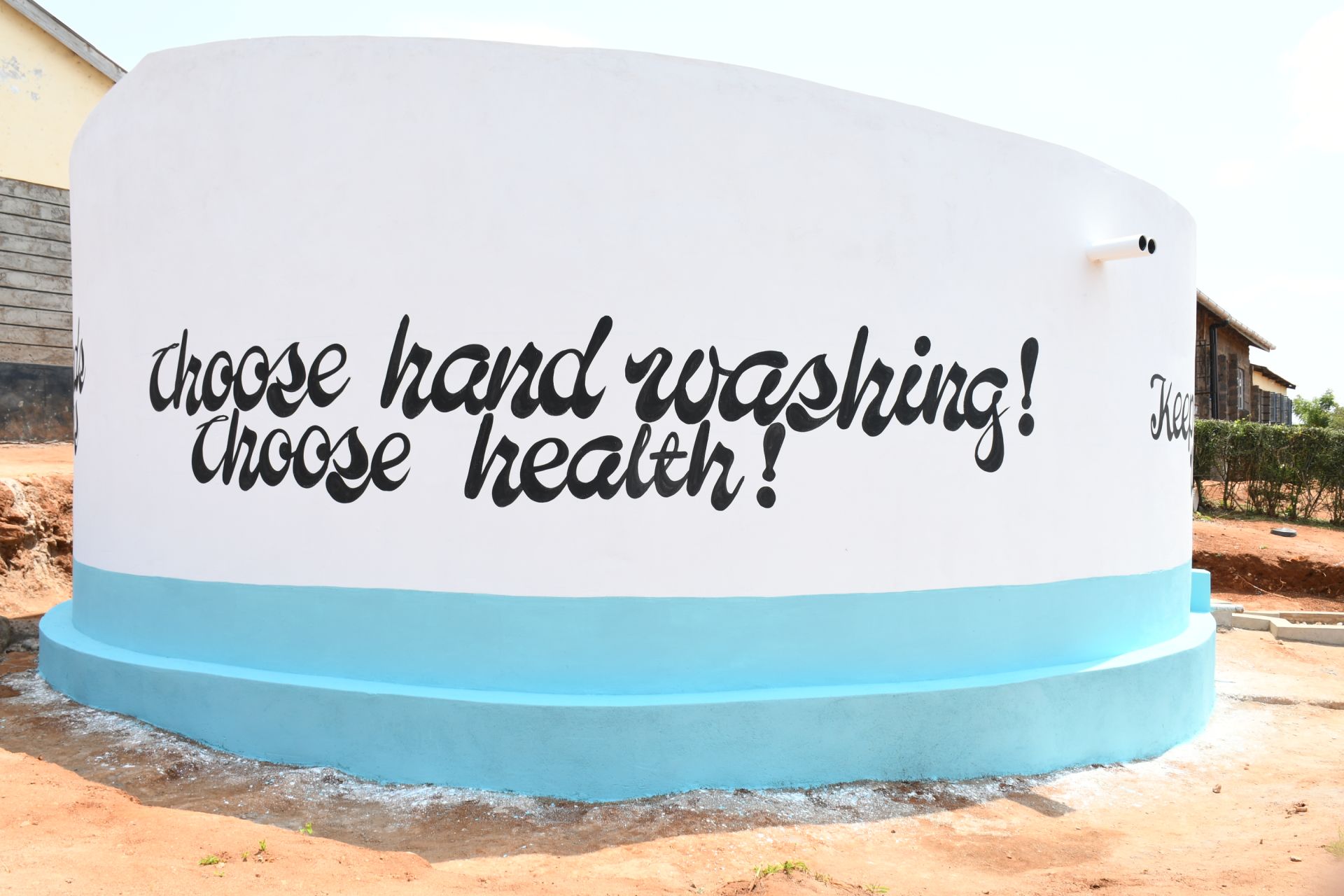
We built a reinforced concrete column in the tank’s center to sustain the roof and prevent it from caving in. We plastered the walls inside and out with waterproof cement and installed guttering into the tank. Finally, we installed the roof of the tank, made of iron sheets and timber with vents to allow rainwater into the tank from the gutters.

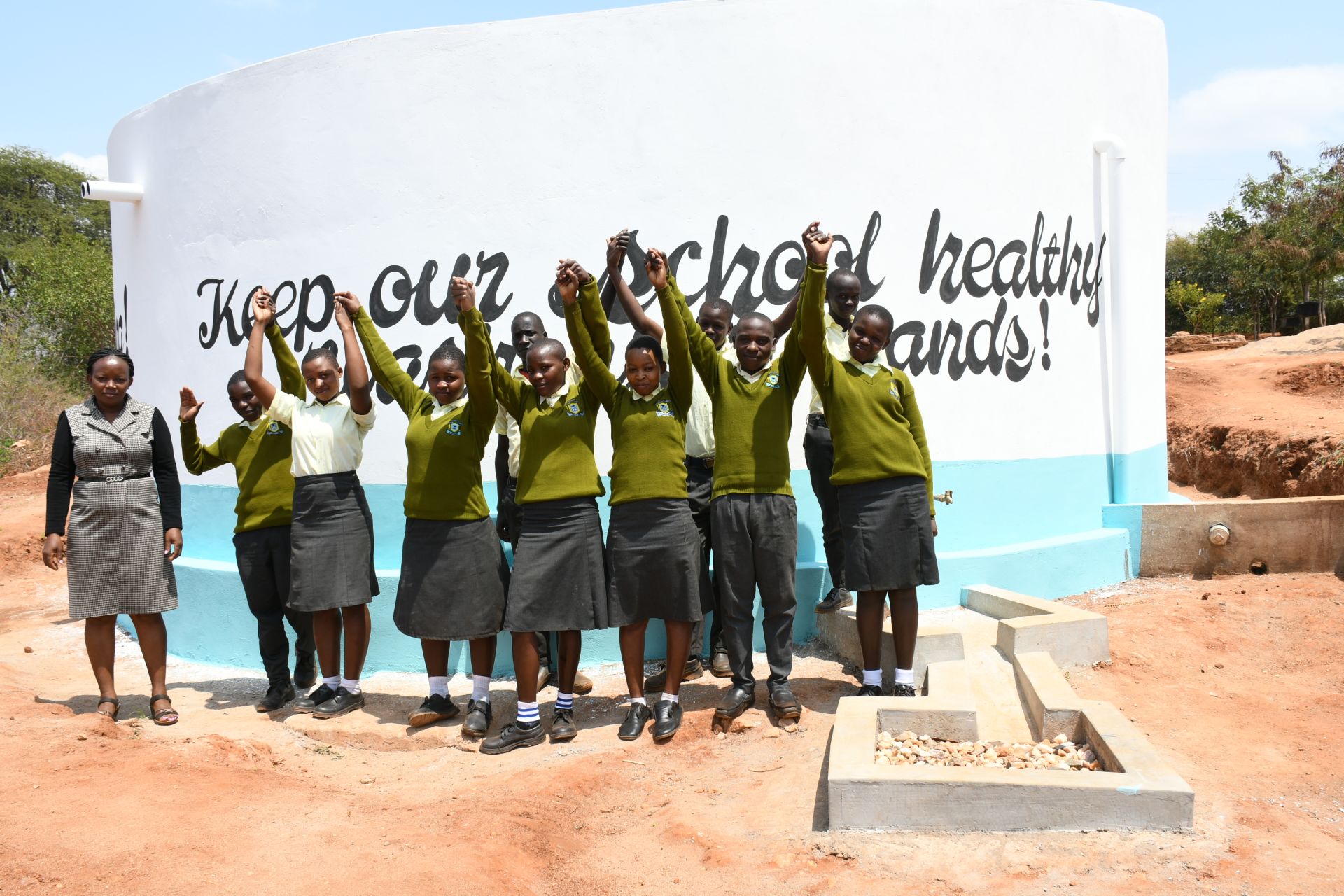
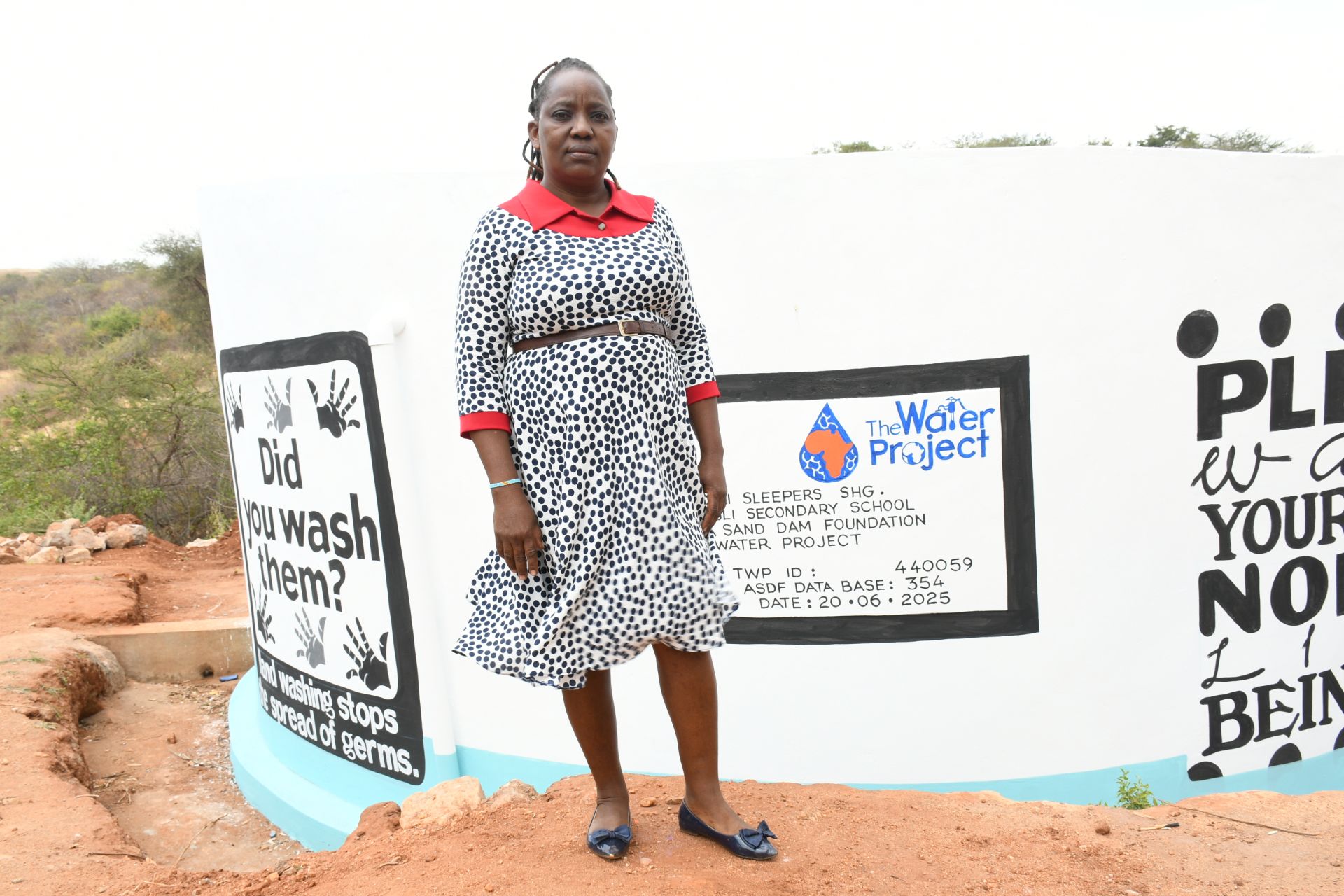
The completed tank!

Handwashing Stations

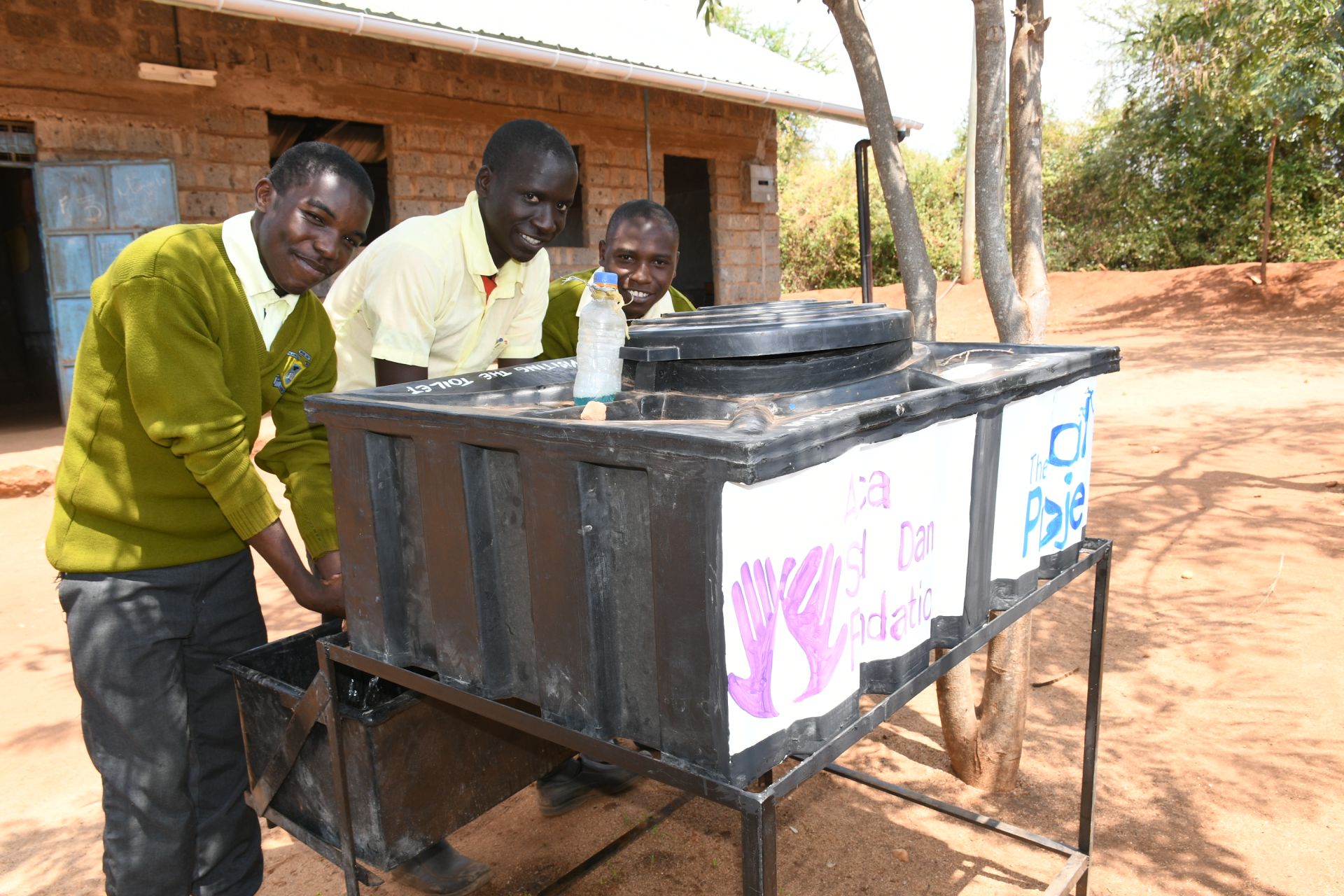
We delivered three new handwashing stations in time for training. Each new station has three taps, so that nine students can wash their hands simultaneously.

Students utilizing one of the new handwashing stations.

School Education

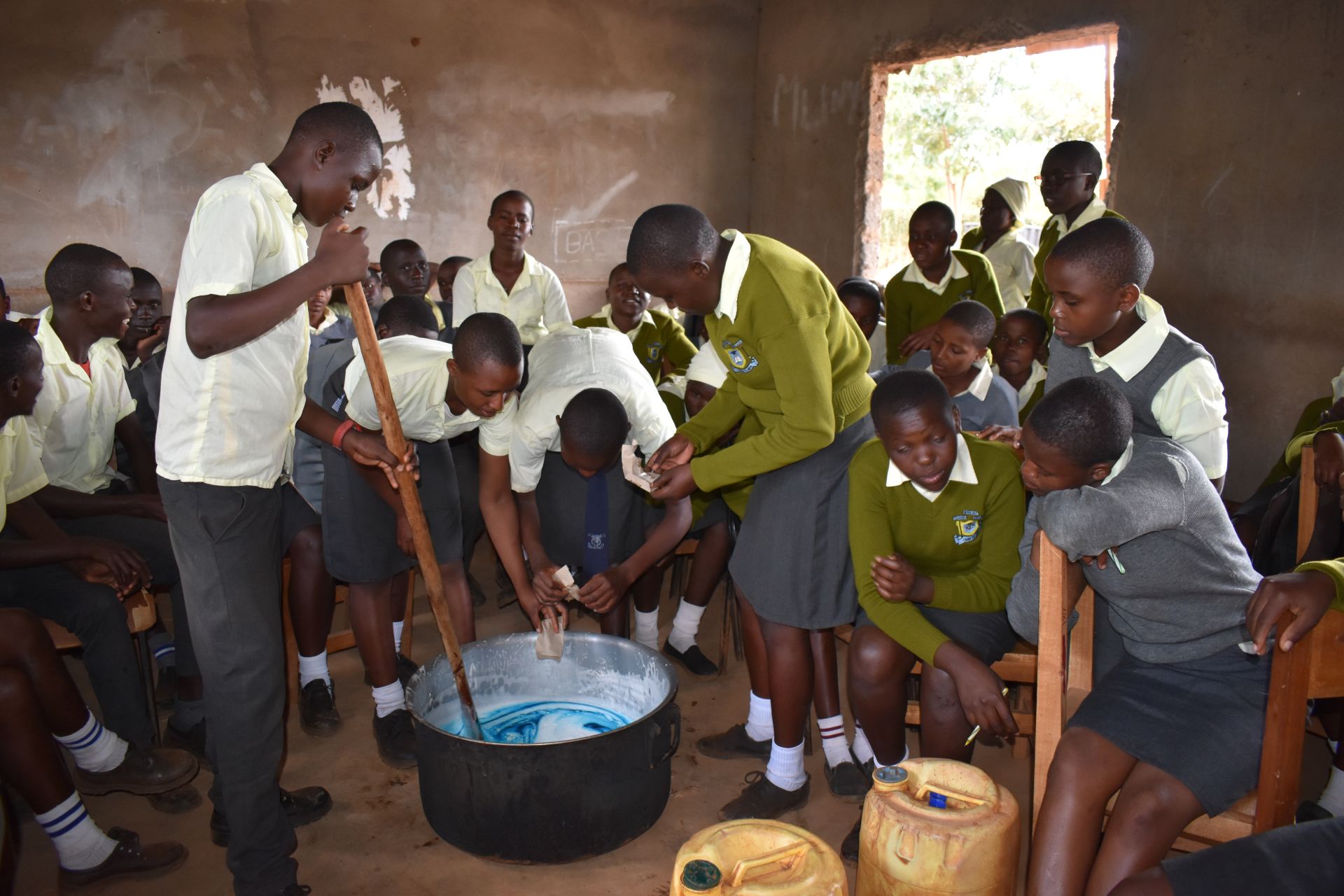
We trained on health, hygiene, and sanitation topics. These included student health club activities, disease prevention, personal hygiene, and handwashing. We also covered water hygiene, latrine hygiene, and soapmaking.


Seventeen-year-old Stephen is the president of the Child health Club. He shared his favorite part of training. "From this training, we’ve learned a lot that will have a positive impact on our lives. Being in high school and soon leaving school, we will be advantaged by the skill in soap and latrine disinfectant making. We will use the skills to look for money as we wait for the national exam results to be released."

Soapmaking training.

Thank you for making all of this possible!


December, 2025: Exciting Progress at Tulanduli Secondary School!

We’re thrilled to share that, thanks to your generous support, significant change is coming for James and the entire Tulanduli Secondary School. Construction has begun on the rainwater catchment project, bringing them one step closer to having clean, reliable water.

But that's not all—during construction, we’re also providing vital health training. These sessions equip the community with essential hygiene practices, ensuring that the benefits of clean water extend to lasting health improvements.

We’re so grateful for your role in making this possible. Stay tuned for more updates—soon, we’ll be celebrating the arrival of safe water at Tulanduli Secondary School!


Project Photos


Project Type

For a rainwater collection system, we build gutters around a building with good, clean roofing to channel rain where we want it. From there, the water falls through a filtered inlet pipe into a high-capacity storage tank, the size of which is based on population and average rainfall patterns. In the tank, water can be stored for months, where it is easily treated and accessed. Learn more here!