
Project Status


Project Type:  Borehole Well and Hand Pump

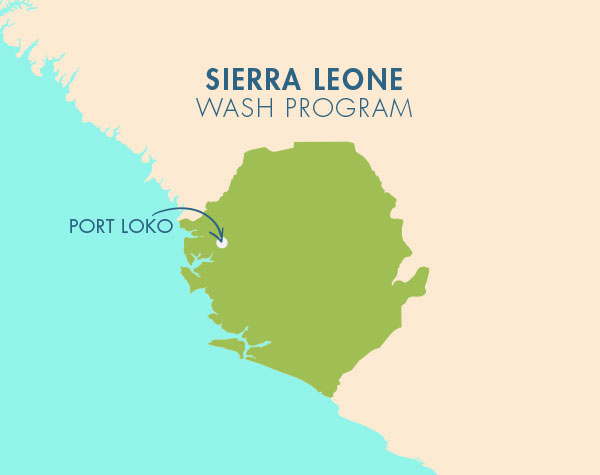
Regional Program: Port Loko, Sierra Leone WaSH Program

Impact: 150 Served

Project Phase:  In Service - Apr 2026

Functionality Status:  Functional

Project Features


Click icons to learn about each feature.


The 150 community members of Royeama face a daily water crisis. Their only water sources are two privately owned dug wells, which make access challenging and unreliable.

"The two main sources they fetch water from are not always at the disposal of the community members, and this makes them not fetch water at the time they need it," said Field Officer Julius Sesay.

"They will go to the water point hoping to fetch water and return home quickly to cook and to deal with other things at home. Unfortunately, it will never happen on time. The main well they fetch water from is fenced. They must knock [on] the gate and wait patiently for the resident to open the door for them to fetch water. Even when they are given access to enter the compound, they must wait until the people that are residing in the compound finished to fill all their empty jerry cans," he continued.

Community members must also pay for access to privately owned water, creating hardship for many families.

"It really impacted me how the private waterpoint owners were extorting money from the community people. It is so wrong, but people have no choice, so they go without water or food or get behind on other things because they have to "buy" water instead of paying a water user fee that will maintain the water point," said Julius.

Usatu.

Fourteen-year-old Usatu is familiar with the frustrations of trying to collect water from private sources every day and the strain it financially puts on her family.

"My parents feel discouraged because they spend a lot of money to pay for water. There are times we end up eating rice and palm oil. Money will not be available to prepare sauce for the rice. Also, there are times I even go to school without lunch. My parents will rather pay to fetch water than give me money to use for lunch in school," shared Usatu.

"I feel displeased each time I am sent to fetch water because the well I normally fetch water from is not always open to the public. Even when I am given access to fetch water, I must pay before they allow me to fetch water."

"It is hard for me to have enough time to rest after school. This is because I must fetch water after school for my parents and also for me to be able to launder my school uniform. By the time I am through to fetch water, I would have limited time to rest and study my notes at night. All this situation makes me not do well in my exams in school."

A new well will be installed nearby, which will be accessible by the entire community and will provide relief for Usata and her family. With accessible water, they will be able to use their resources for other essential items like food, and Usata will have the time and energy to focus on her schooling.

Steps Toward a Solution

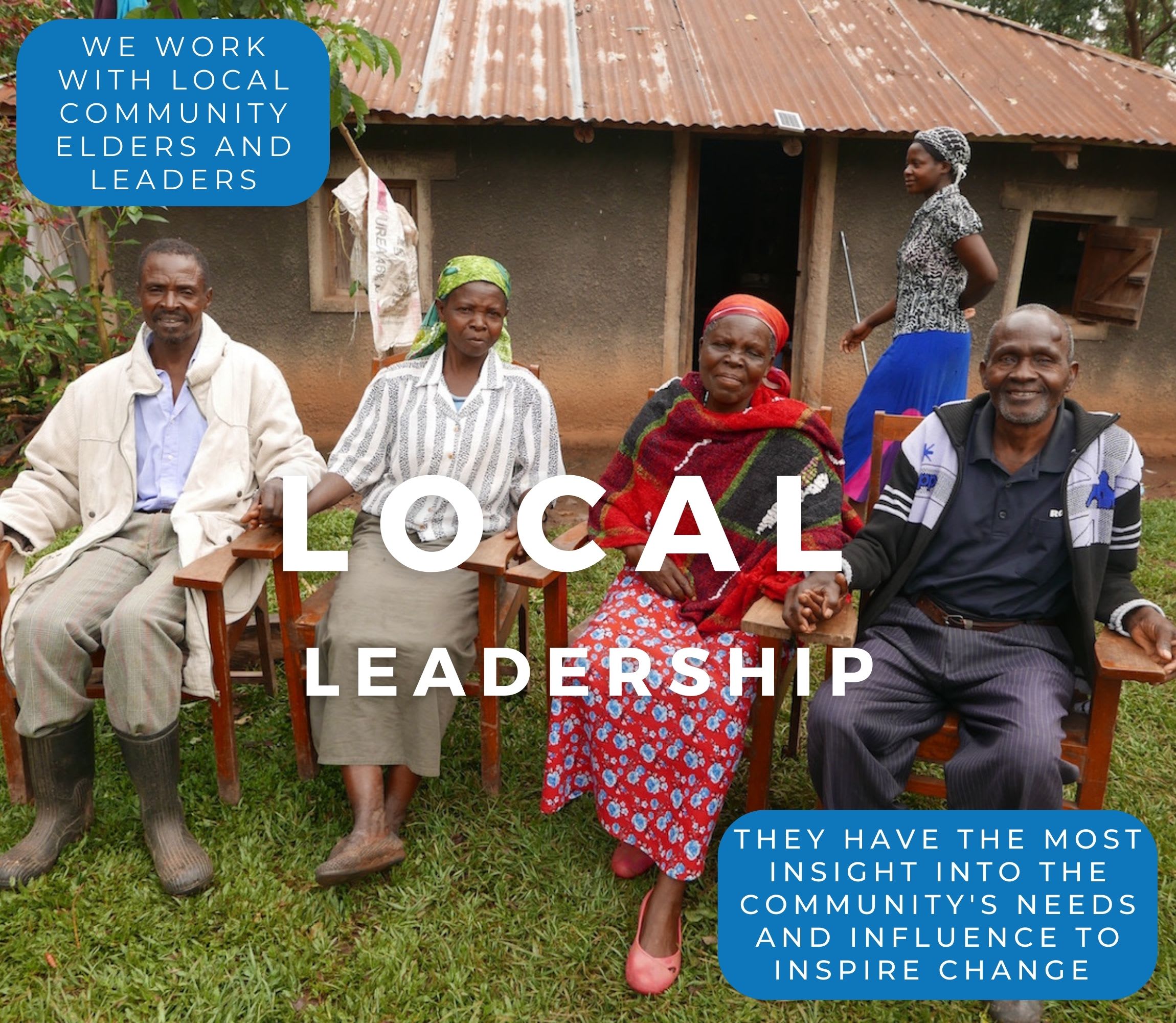
Our technical experts worked with the local community to identify the most effective solution to their water crisis. They decided to drill a borehole well, construct a platform for the well, and attach a hand pump.

Well
Abundant water often lies just beneath our feet. Aquifers—natural underground rivers—flow through layers of sediment and rock, offering a constant supply of safe water. A borehole well is drilled deep into the earth to access this naturally filtered and protected water. We penetrate meters, sometimes even hundreds of meters, of soil, silt, rock, and more to reach the water underground. Once found, we construct a platform for the well and attach a hand pump. The community gains a safe, enclosed water source capable of providing approximately five gallons of water per minute. Learn more here!

Community Education & Ownership
Hygiene and sanitation training are integral to our water projects. Training is tailored to each community's specific needs and includes key topics such as proper water handling, improved hygiene practices, disease transmission prevention, and care of the new water point. Safe water and improved hygiene habits foster a healthier future for everyone in the community. Encouraged and supported by the guidance of our team, a water user committee representative of the community's diverse members assumes responsibility for maintaining the water point, often gathering fees to ensure its upkeep.

Project Updates


April, 2026: Royeama Community Well Complete!

We are excited to share that your donation provided a safe, reliable well in the Royeama Community. As a result, community members no longer rely on unsafe water to meet their daily needs. We conducted hygiene and sanitation training, which focused on healthy practices such as handwashing and using latrines.

Anita Renner is twenty-five. She has a trading business, as well as a family to care for. She is excited about the possibilities clean water brings!

"I am happy today to have access to safe water in our community," shared Anita. "Before this time, fetching water was difficult, and that made it difficult for me to get water for my daily use. From now onwards, I will be able to get enough water that I will be able to use for my daily activities like cooking, drinking, bathing, and cleaning the house to [maintain] good hygiene. The completed water point will help me to improve my hygiene, and that will keep me from certain illnesses."

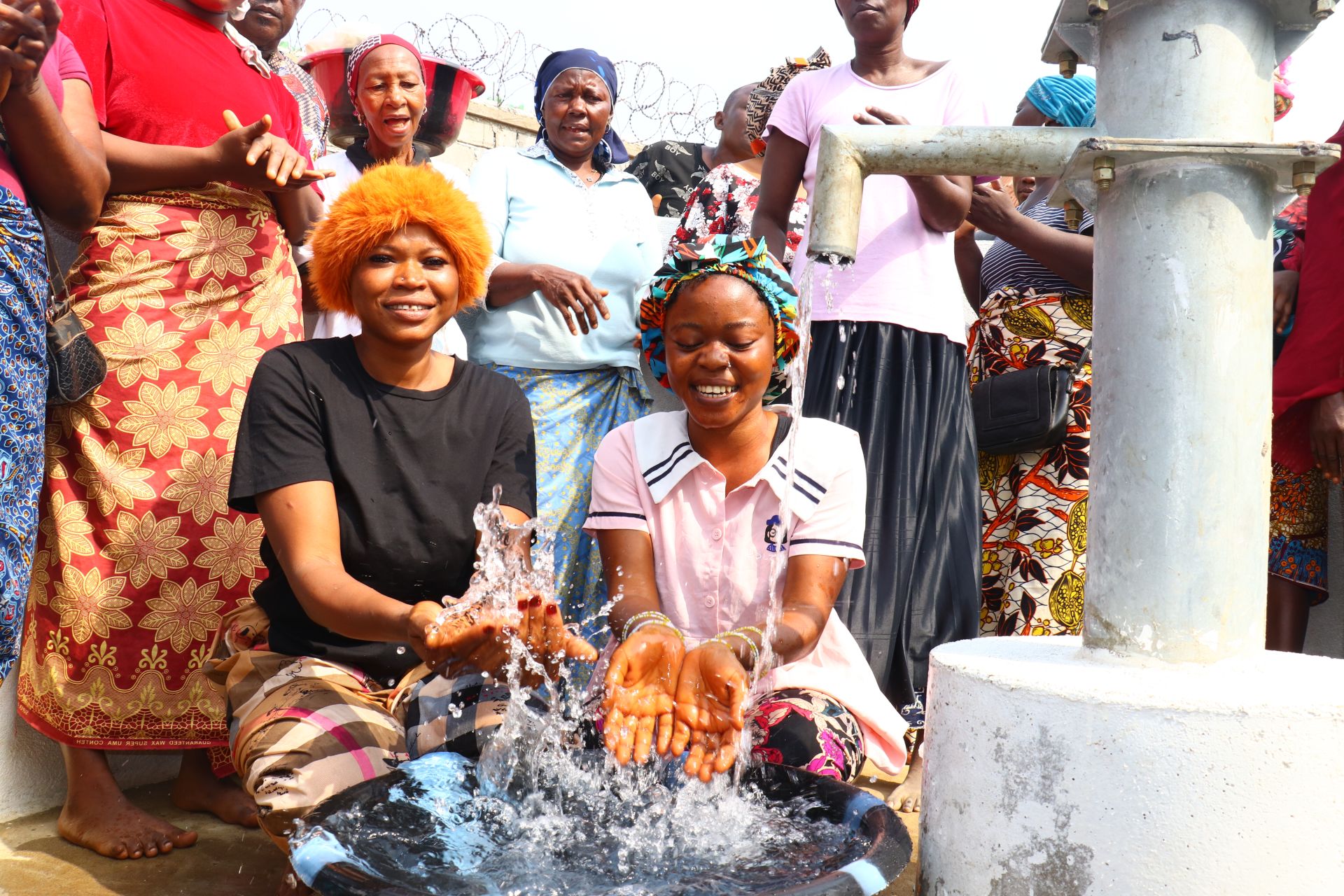
Anita (right, brown shirt) celebrates clean water with her community!

"My children will be able to work toward future hopes and dreams if they are able to access safe water. Accessing water will play a huge role in [their] academics, [too]. They will be able to improve in their examination grades, which will promote them to another level of their education. So, accessing water will help them to work toward their future hopes and dreams," she continued.

Children are just as excited!

16-year-old Mariatu shared, "Reliable water will improve things for me as a school-going pupil. For instance, the completed water point will provide reliable water, and that will [help] me go to school on time. I will improve in my studies and achieve better grades at the end of the academic year. My health will also improve as I will be able to consume safe water, which will help improve my health. I will be able to get food on time, and there will be sufficient water for household activities like drinking and cooking."

Mariatu tests out her new well!

After construction was complete, we held a dedication ceremony to officially give responsibility for the well to the water users. Several local dignitaries attended the ceremony, including representatives from the Ministry of Water Resources. Each official gave a short speech thanking those who contributed to this water project and reminding everyone to care for it. Then Anita and Mariatu made statements on behalf of their community. The ceremony concluded with celebration, singing, and dancing.

New Well

Field Officer Alimamy Lamin Kanu was impressed by the community's engagement throughout the entire process.

He said, "It was really good to see the turnout of the community people in the material gathering and construction process. I can say their participation is satisfactory because they formed a self-help group that helped [with] the drilling and construction process of the water well. They also provided a store for the safekeeping of all materials used in the drilling and construction process. The community stakeholders also chose a member from the Water Users Committee who always prepared food for the drilling team."

The community provided space for the drill team to store their belongings and meals for the duration of their stay. We were ready to begin drilling!

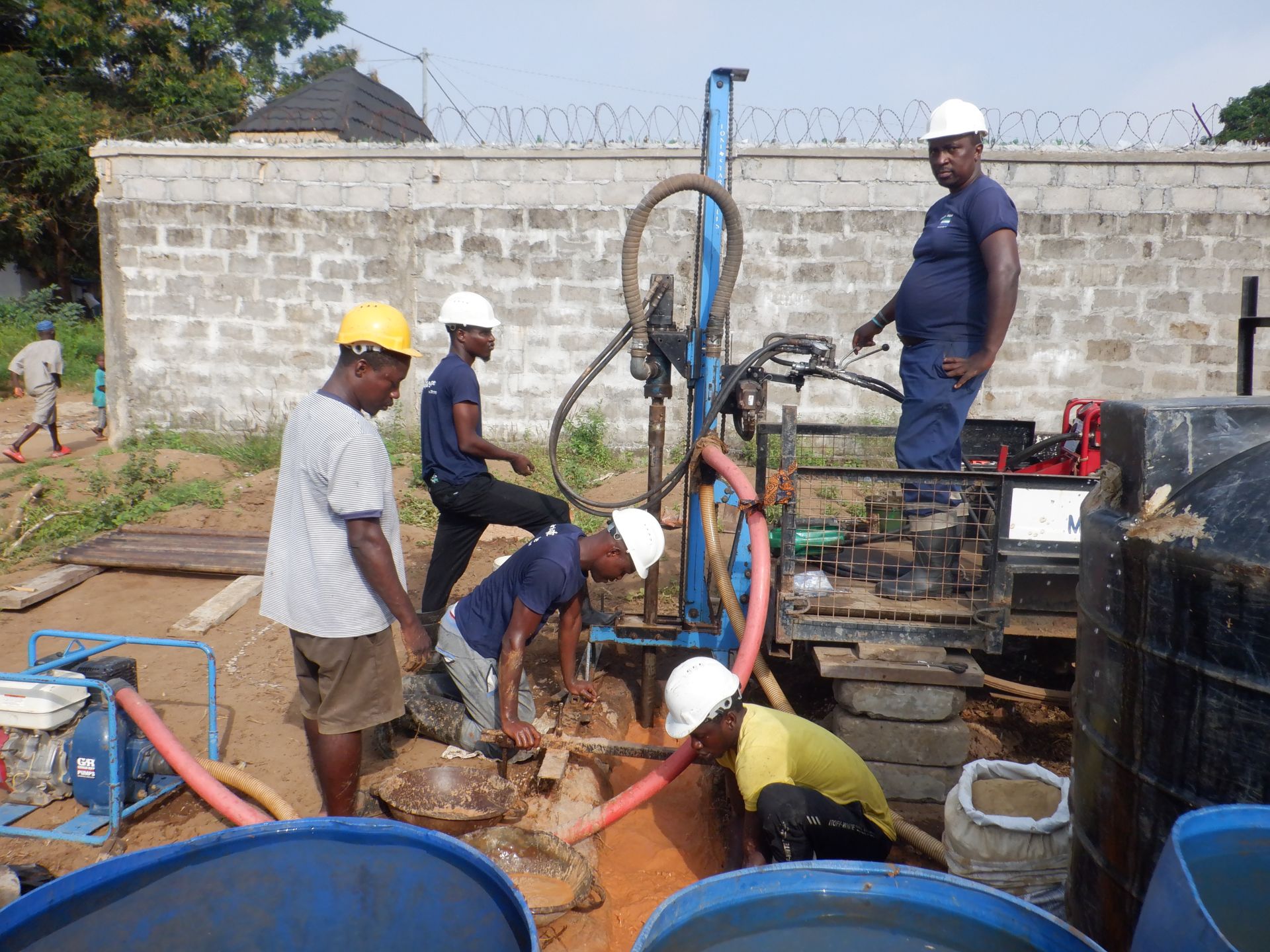
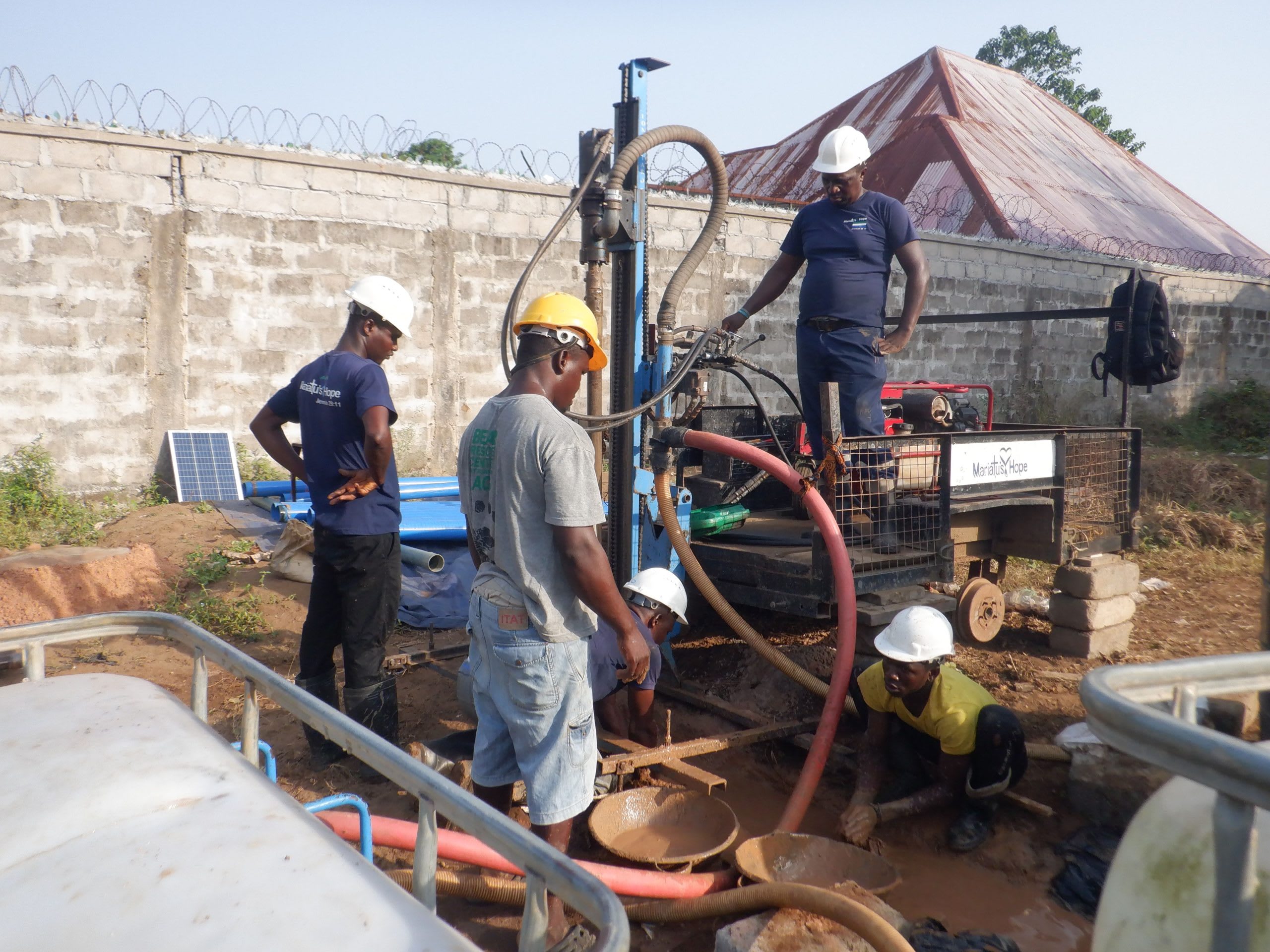
Drilling begins!

We drilled until we reached a final depth of 25 meters. The team did a soil test, bailed the well, and flushed it, clearing any debris generated by the drilling process. This well has a static water level of 12 meters. Finally, we tested the water flow to ensure the well would provide clean water with minimal effort at the pump.

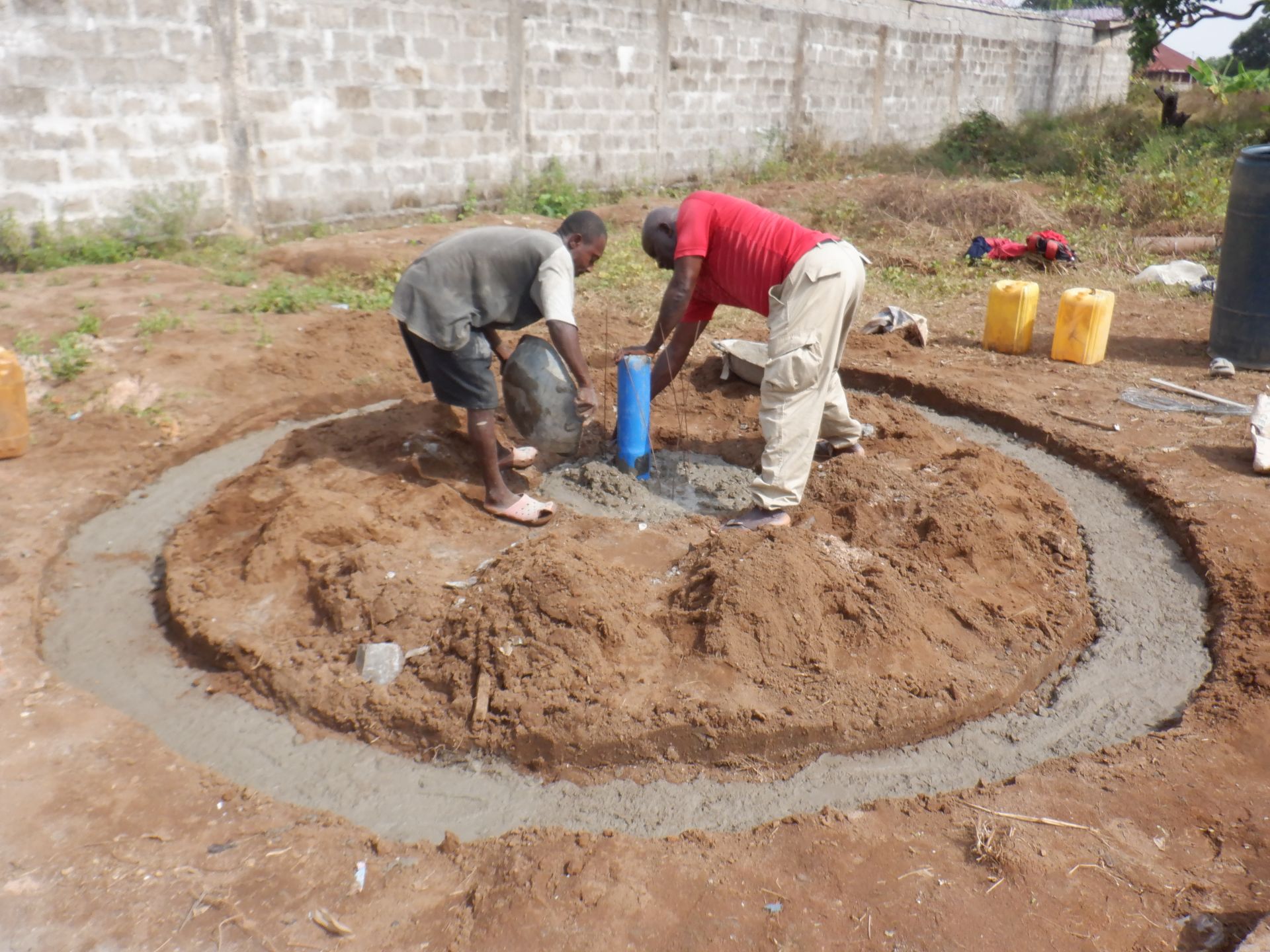
Building the platform and walls to protect the water source.

As the project neared completion, we built a cement platform, walls, and [a] drainage system around the well to seal it from surface-level contaminants. The drainage system helps to redirect spilled water to help avoid standing water at the well, which is unhygienic and a breeding ground for disease-carrying mosquitoes.

Installing the hand pump.

Finally, we installed the pump and conducted a water quality test. The results showed the water was fit for drinking!

The well is complete!

Community Education

Before conducting any hygiene training, we collaborated with the local water user committee to understand the community’s challenges. We identified households without handwashing stations. With this information, community members worked together to improve hygiene and sanitation at home before the training.

We also invited a nurse from the local clinic to help explain some topics and spread awareness about Sierra Leone's free vaccinations for children under five. Nurse Margaret Jigba was instrumental in reinforcing each lesson.

Nurse Jigba (left) teaches about healthy community habits.

We scheduled a time when members from each household using the waterpoint could attend a three-day hygiene and sanitation training and dispatched our teams to hold the meeting.

We taught the participants about proper handwashing, personal and menstrual hygiene, and healthy habits such as using latrines and maintaining a balanced diet. We discussed how disease transmission and water hygiene are crucial to community health. We emphasized the importance of maintaining and caring for the well pump and the cost recovery system.

Handwashing session.

35-year-old Ishatu Kamara participated in the training event.

Ms. Kamara (in the blue shirt) helps during the dental session.

Ms. Kamara shared the topic that impacted her the most. "Disease transmission was the most interesting topic covered during the hygiene training. The topic taught me how to take care of myself and the surroundings [which] we live in. What makes the topic more interesting is that we were given the platform to explain what we saw on the various posters. On the posters, I learned the importance of handwashing with the help of clean water and soap. At the end of the training session, I was given a platform to explain all the posters to my fellow participants, [which made] the topic more interesting. All [the] participants were able to explain all the posters, and that made it easy for them to keep good hygiene in their different homes."

Thank you for making all of this possible!


Update photo


February, 2026: Exciting Progress in Royeama Community!

We’re thrilled to share that, thanks to your generous support, significant change is coming for Usatu and the entire Royeama Community. Construction has begun on the well project, bringing them one step closer to having clean, reliable water.

But that's not all—during construction, we’re also providing vital health training. These sessions equip the community with essential hygiene practices, ensuring that the benefits of clean water extend to lasting health improvements.

We’re so grateful for your role in making this possible. Stay tuned for more updates—soon, we’ll be celebrating the arrival of safe water in the Royeama Community!


Project Photos


Project Type

Abundant water is often right under our feet! Beneath the Earth’s surface, rivers called aquifers flow through layers of sediment and rock, providing a constant supply of safe water. For borehole wells, we drill deep into the earth, allowing us to access this water which is naturally filtered and protected from sources of contamination at the surface level. First, we decide where to drill by surveying the area and determining where aquifers are likely to sit. To reach the underground water, our drill rigs plunge through meters (sometimes even hundreds of meters!) of soil, silt, rock, and more. Once the drill finds water, we build a well platform and attach a hand pump. If all goes as planned, the community is left with a safe, closed water source providing around five gallons of water per minute! Learn more here!


Contributors

1 individual donor(s)