
Project Status


Project Type:  Solar Pump

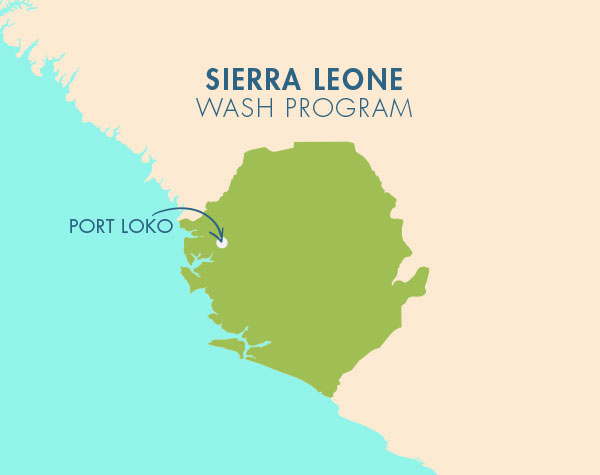
Regional Program: Port Loko, Sierra Leone WaSH Program

Impact: 93 Served

Project Phase:  In Service - Sep 2026

Functionality Status:  Functional

Project Features


Click icons to learn about each feature.


Every day, nearly 90 people come to the Malap Community Health Center seeking care. Like many healthcare centers in Western Kenya, it serves as a community anchor for residents in the surrounding area. Not only because of the vital medical services it provides, but also because it was once a place where community members could collect safe water for their daily needs in this rural, under-resourced area.
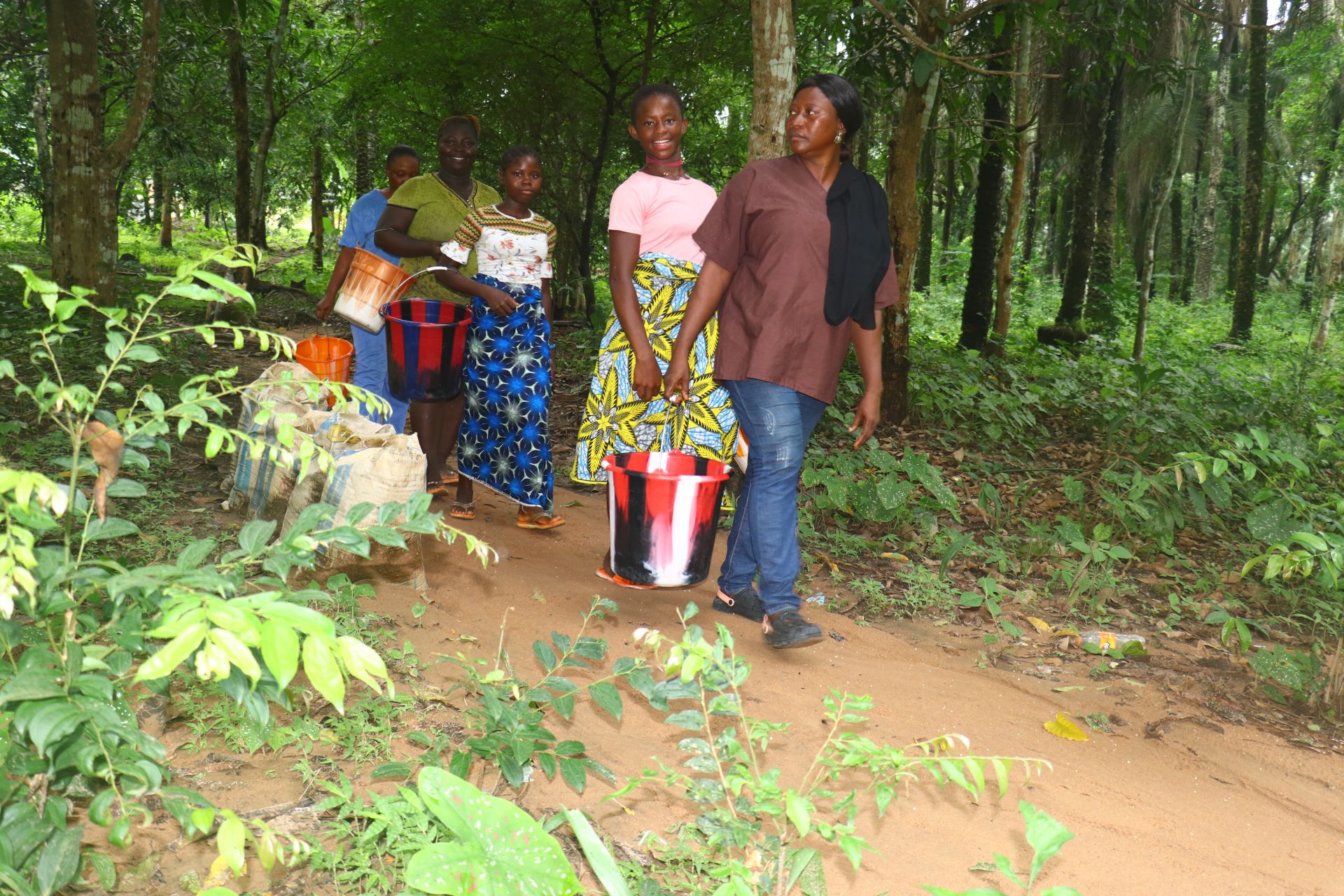
People walking to collect water.

Sadly, the well that once provided water to sustain the facility and the community has become unreliable, running dry for most of the year as the effects of climate change intensify. Nurses, patients, and community members spend precious hours walking long distances to a contaminated scoop hole—their only remaining source of water. The trips drain everyone's time, energy, and focus that should be devoted to healing and making progress in their daily lives.
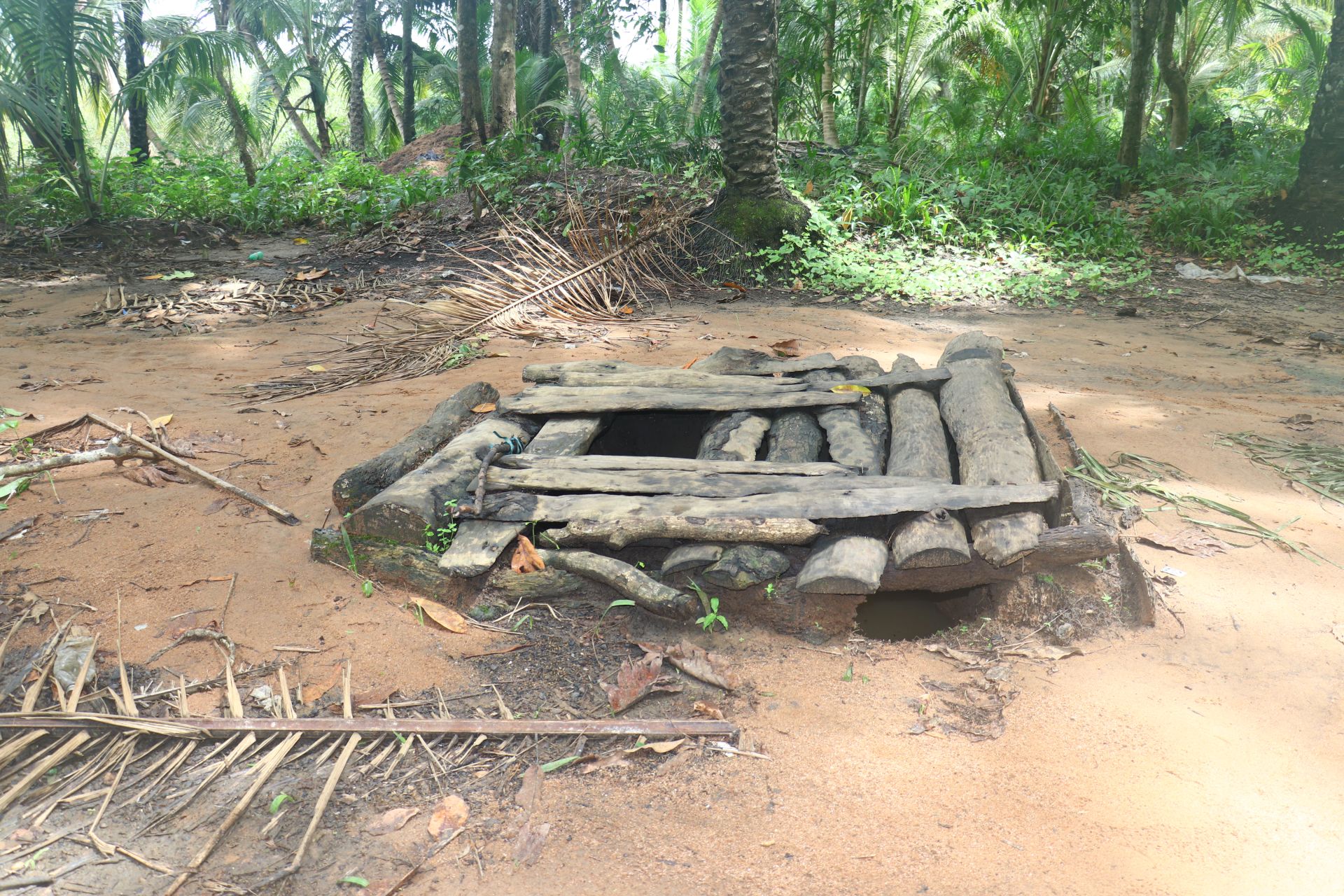
The community scoop hole.

"Malap Community Health Post has been facing a water crisis for the past years. The well, [which] was converted to a borehole in 2022, still does not provide enough water for the facility. It gets dry for months, and this leads the healthcare facility staff and community members to fetch water from an unsafe water scoop hole," reported Field Officer Alie Kamara.

Aminata Conteh, a 35-year-old farmer in the community, is responsible for collecting water to meet her family's daily needs. On average, this requires her to make three exhausting trips a day to the scoop hole. Not only does the task leave her weary, but consuming the contaminated water puts her and her family at risk of needing the services of the health center to treat water-related illnesses. Yet, without another option, she must sadly take the risk.

Aminata collects water from the contaminated scoop hole.

"Water is important to me, and without water, life will be very difficult for me. I need safe drinking water, and this will help me to flourish [in] life. I need water in the restroom, and when there is no water at the latrine, I feel uncomfortable using the latrine. I must use water to cook food for the family, [and] also to drink. Without water, [it] sometimes causes me to delay cooking. I will be very happy if we have a water well at this facility because when I visit the facility or get sick, I use water to take oral medication, [and] also to use the restroom," said Ms. Conteh.

Gaining ready access to safe, reliable water at the health center would enable Aminata to collect water for her family that she knows confidently will not harm them and seek treatment when she is ill without concern for further illness.
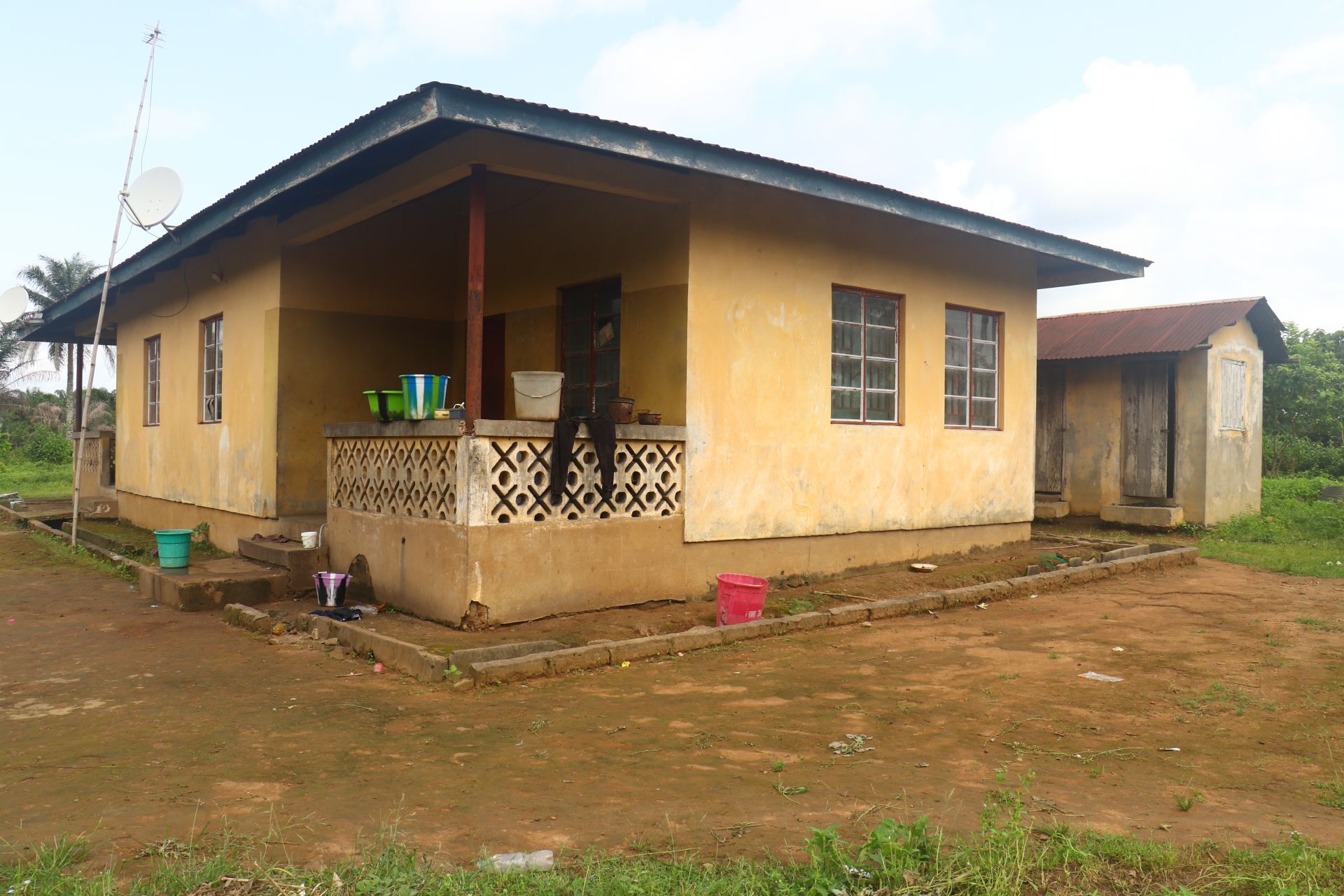
Staff living quarters.

Water flowing throughout the health center will also enable the medical staff to care for patients effectively and practice proper hygiene and sanitation practices, making the environment safer for everyone.

Steps Toward a Solution

For health care settings, immediate access to a large quantity of clean water is crucial for handwashing, sterilization of equipment, cleaning, and safe childbirth. Water that is off-site creates delays, impacts patient care, and increases the risk of hospital-acquired infections.

Our coverage goals aim for all health centers to have an on-premises water source that will sufficiently serve the patients, healthcare providers, and staff to ensure accessibility, reliability, and safety. With more water available, healthcare workers do not have to ration water, worry about purchasing water with their limited funds, or make tough decisions about when to wash their hands or equipment.

Reliable, clean water ensures that healthcare workers have sufficient water so they can provide excellent patient care!

Our technical experts worked with the health center leadership and the local community to identify the most effective solution to their water crisis. They decided to install a solar-powered submersible pump in a new well, which will distribute water throughout the clinic and to a community kiosk where people can collect safe water.

Access to clean, reliable water will not only provide water essential for daily tasks and drinking, but also enable it to be piped to sinks in treatment rooms throughout the facility and to newly installed latrines. Having access to water in these locations will empower staff members to practice proper hygiene, ensuring safety and reducing the transmission of diseases.

Solar Submersible Pump
This project will be a two-part system powered by solar energy. A solar panel will supply electricity to run a submersible pump in the well. Pipes will be connected to the well, pumping water to a storage tank that will feed water to pipes within the clinic's key service areas. A second water pipeline will supply water to a kiosk where community members can collect clean, safe water.
Project Updates


September, 2026: Malap Community Health Center Solar Project Complete!

Your contribution has given the Malap Community Health Center in Sierra Leone access to clean water, thanks to the completion of its borehole well and solar-powered pump! The staff members and patients are already using the well’s flowing water, which will provide the health center with a reliable water source for all of its daily needs.

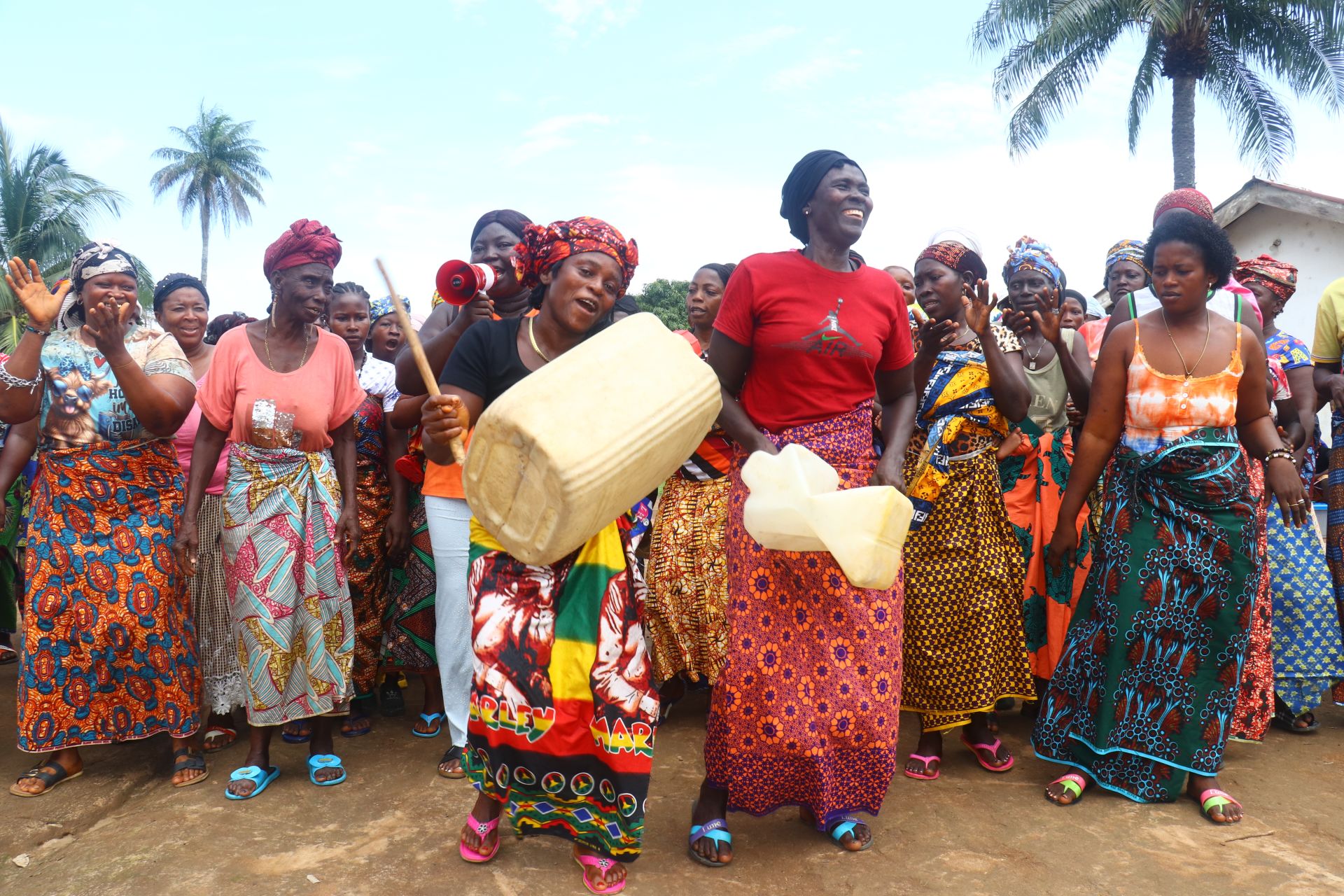
Celebrating the new solar pumped water!

"I strongly believe that the newly renovated facility will enhance patients’ outcomes. At least we have access to water in the facility, and I no longer, nor patients [have to] go out to [collect water to] bathe or bathe babies after being delivered. I have enough water to carry out deliveries, clean the facility, and this will give courage for pregnant women and children to seek health services when they need it most," elated Nurse Fatmata Kamara.

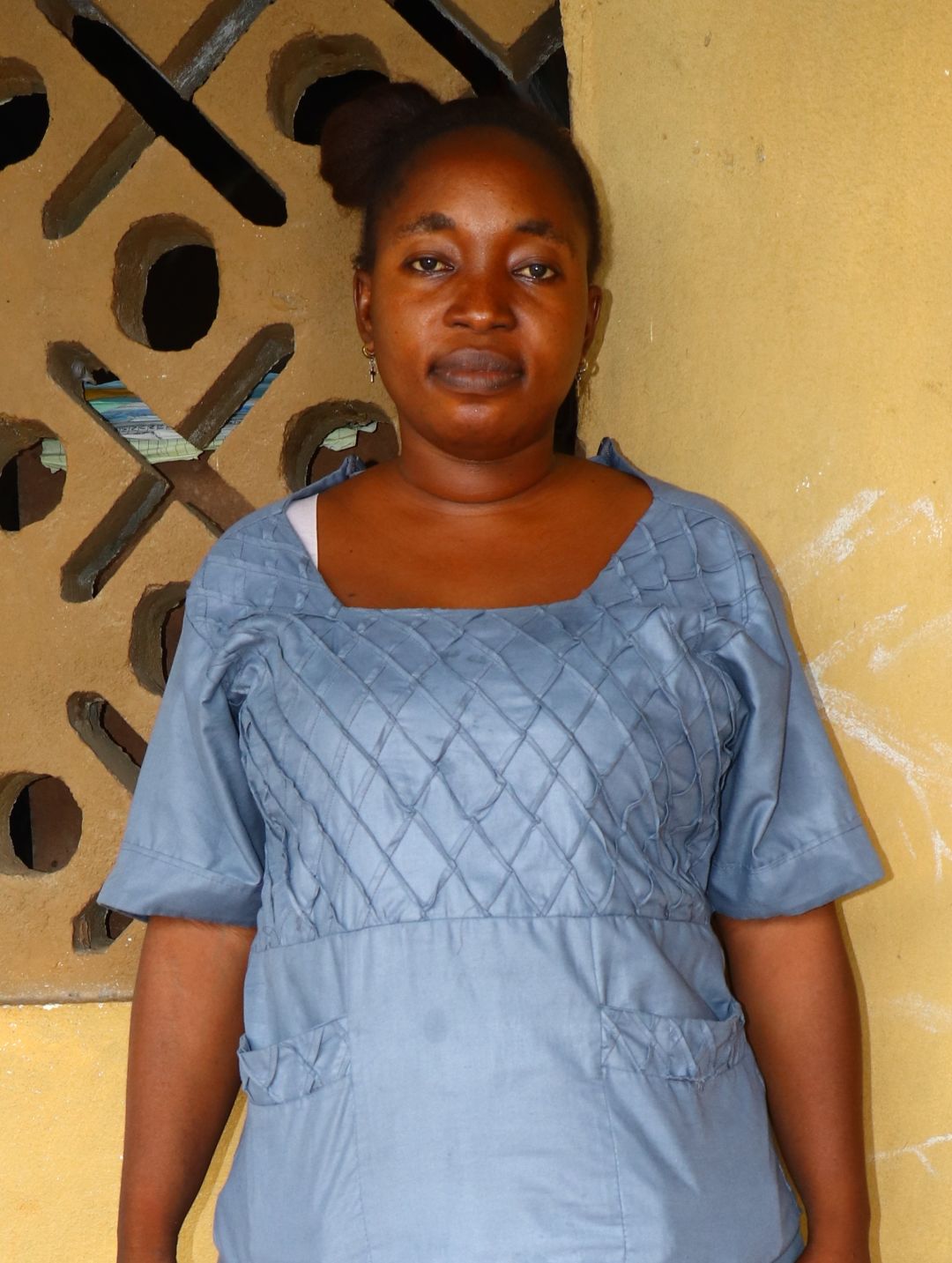
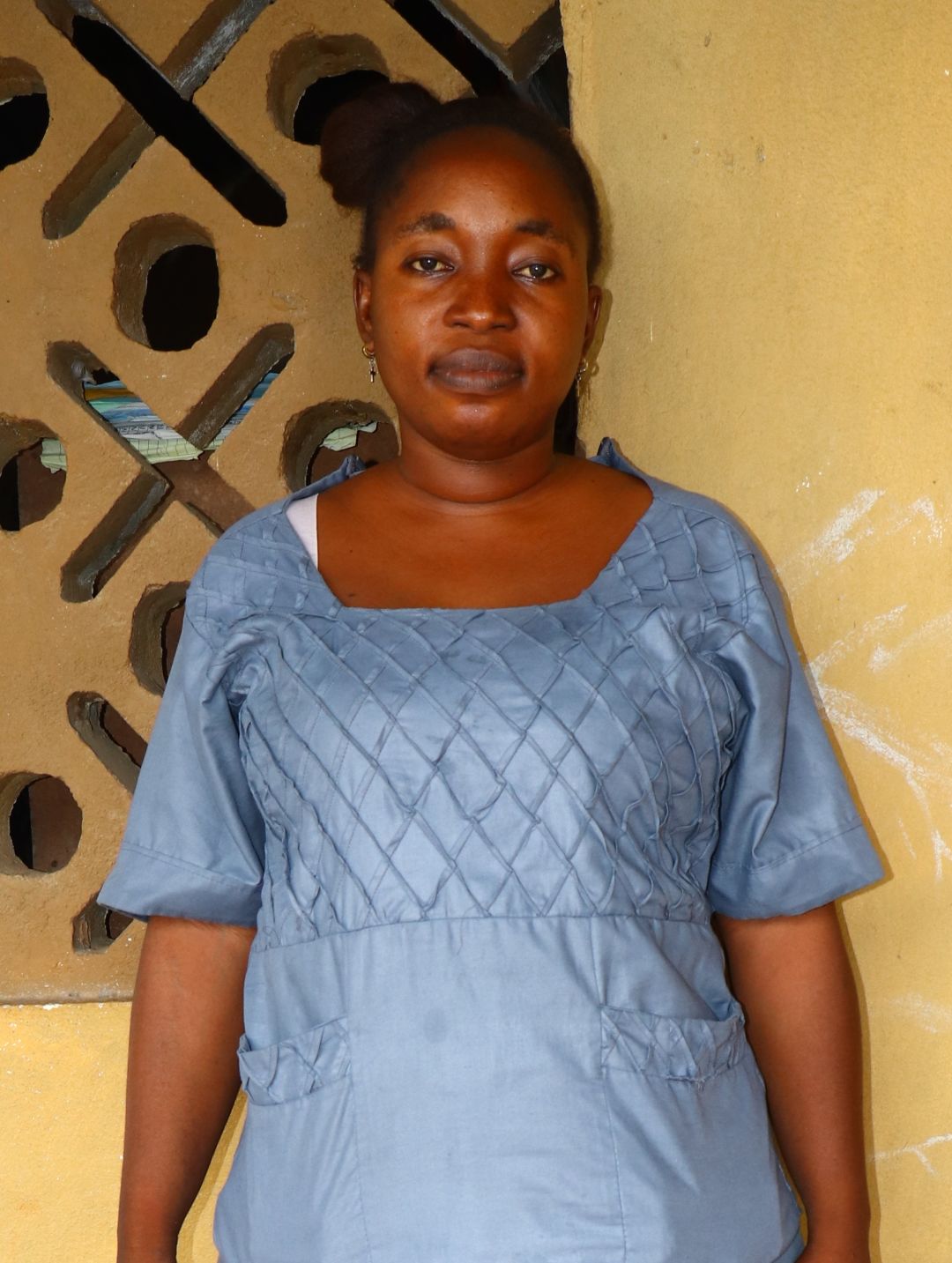
Fatmata Kamara.

"These investments have a great impact on patients’ lives, and [the] health outcome will be great. Access to water in the facility will reduce the risk of disease transmission, pregnant women [will have] safe deliveries, and reduce maternal and newborn mortality rate," she continued.

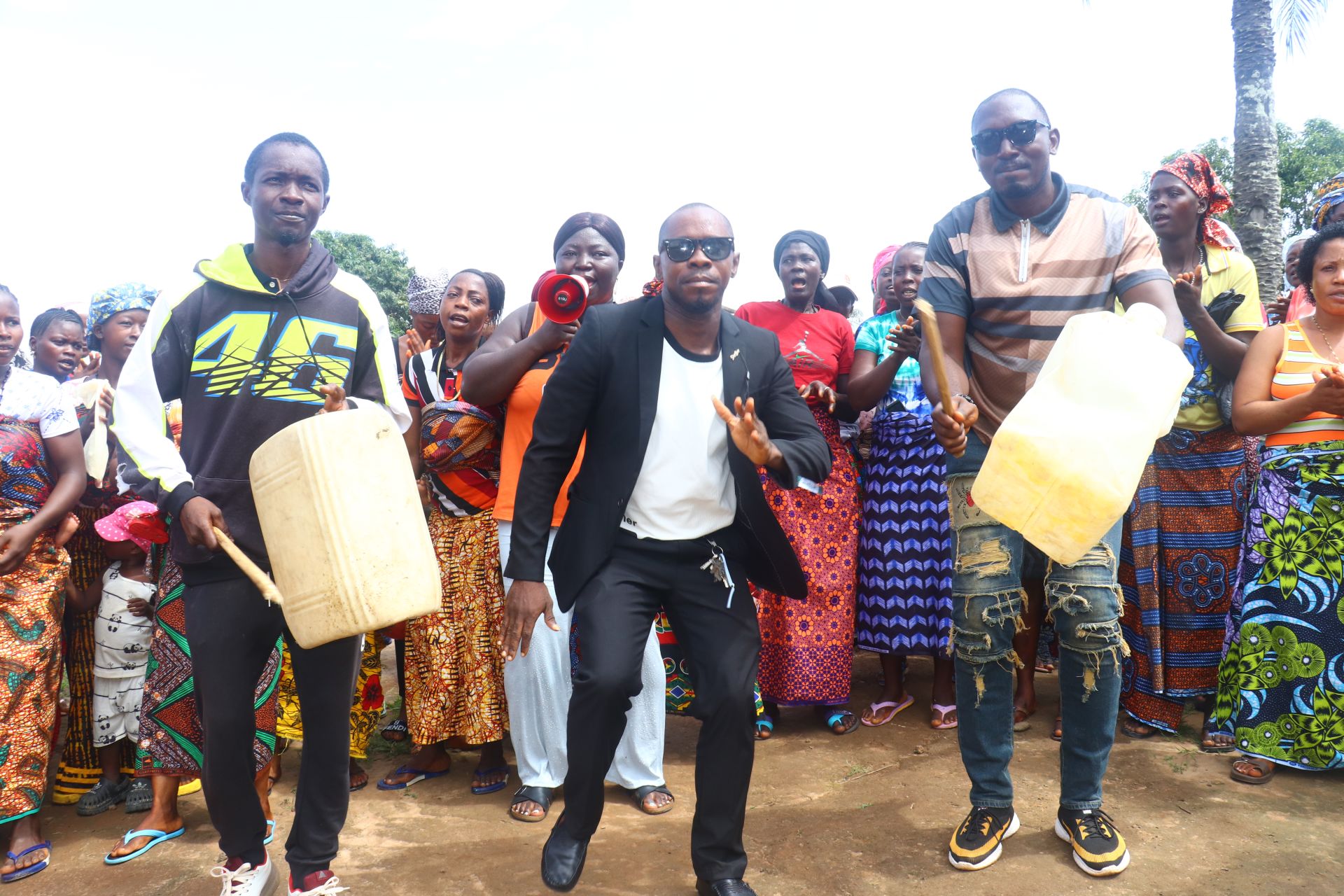
Field Officer Alie Kamara described the handover ceremony upon completion of construction.

He said, "Today, [we] handed over a renovated Community Health Post to the people of the Malap Community. We strongly believe that every pregnant woman or child deserve [a] healthy life. The healthcare facility had challenges to access water within the facility, and this led to not providing effective care for mothers and babies. That story changed yesterday: the facility was renovated with a solar-powered system, a water supply into the building, a laundry place, and latrines. Fourteen communities rely on this facility for their health services."

Handing over celebration!

Solar Adaptation

A submersible pump was carefully installed in the well located at the health center. This pump is designed to draw water effectively, ensuring a reliable supply for the center's medical facilities and services. The installation process involved thorough evaluations of the well's depth, yield, and water quality, all aimed at optimizing performance and guaranteeing a reliable water supply!

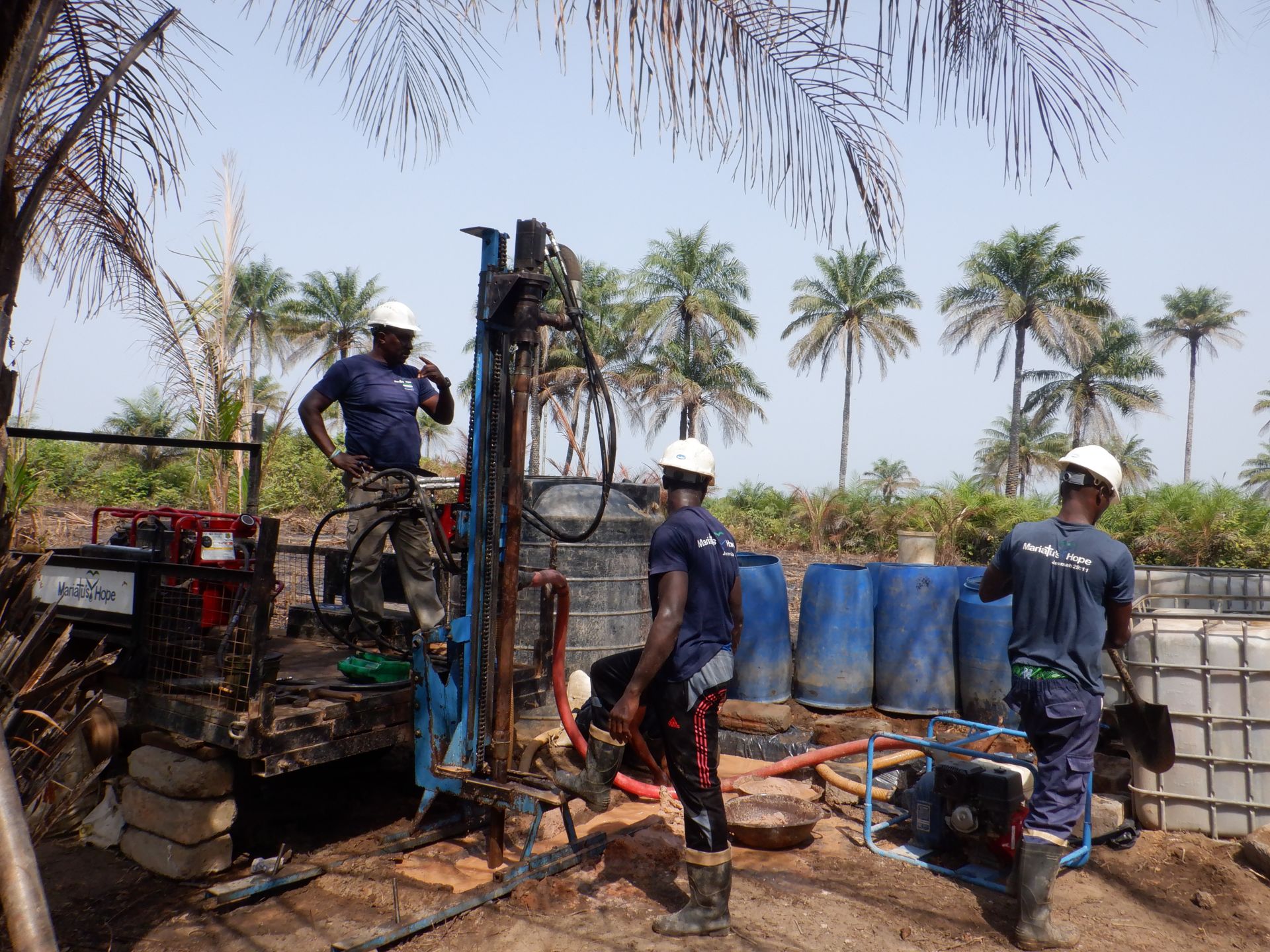
Drilling the well begins!

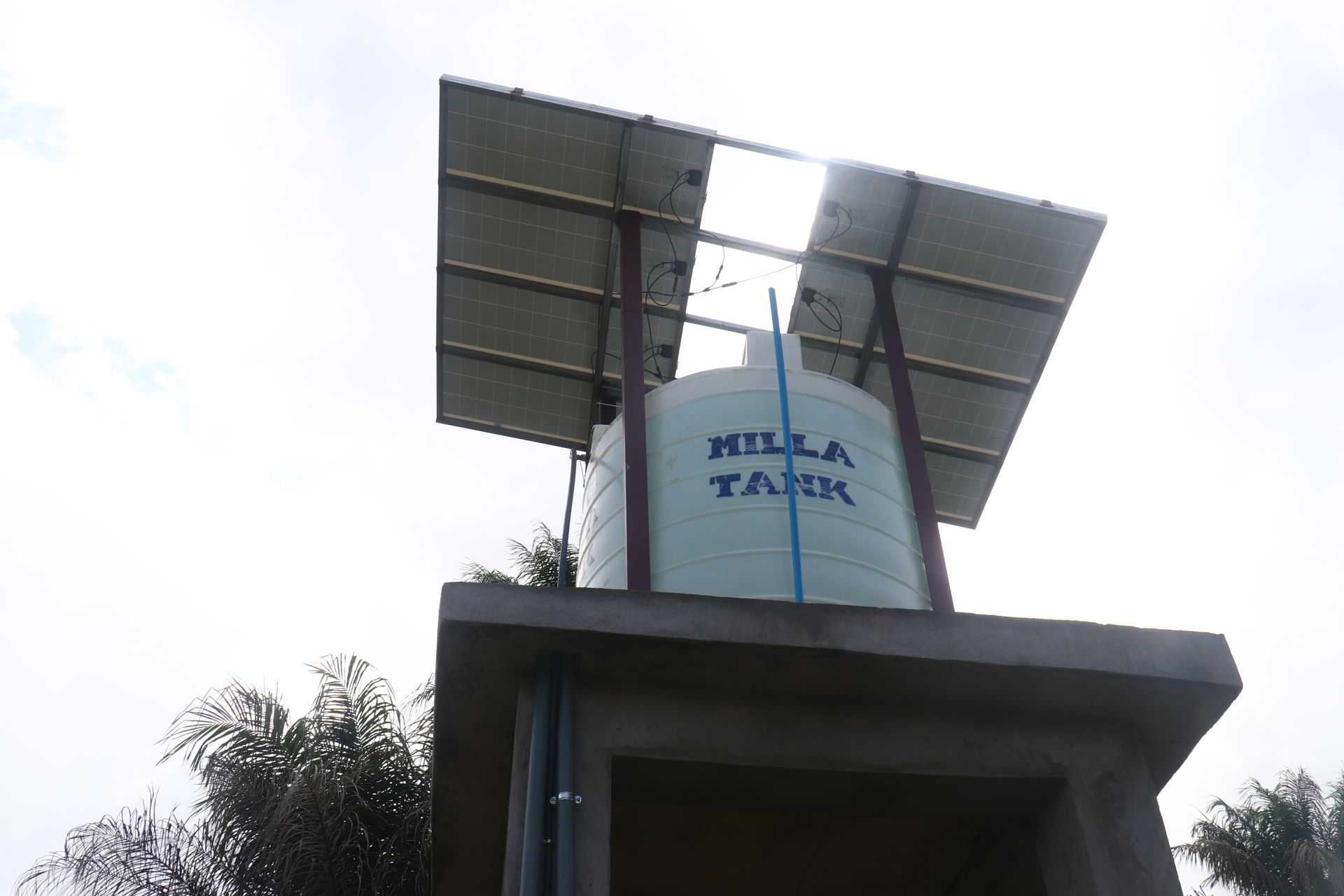
We then installed solar panels to power the submersible pump, ensuring they’re angled for maximum sunlight – harnessing energy efficiently and sustainably!

Solar panels are installed above the water storage tank, where water will be pumped.

The solar pump will drive water from the well through the piping system to a water storage tower that will feed water lines within the health center.

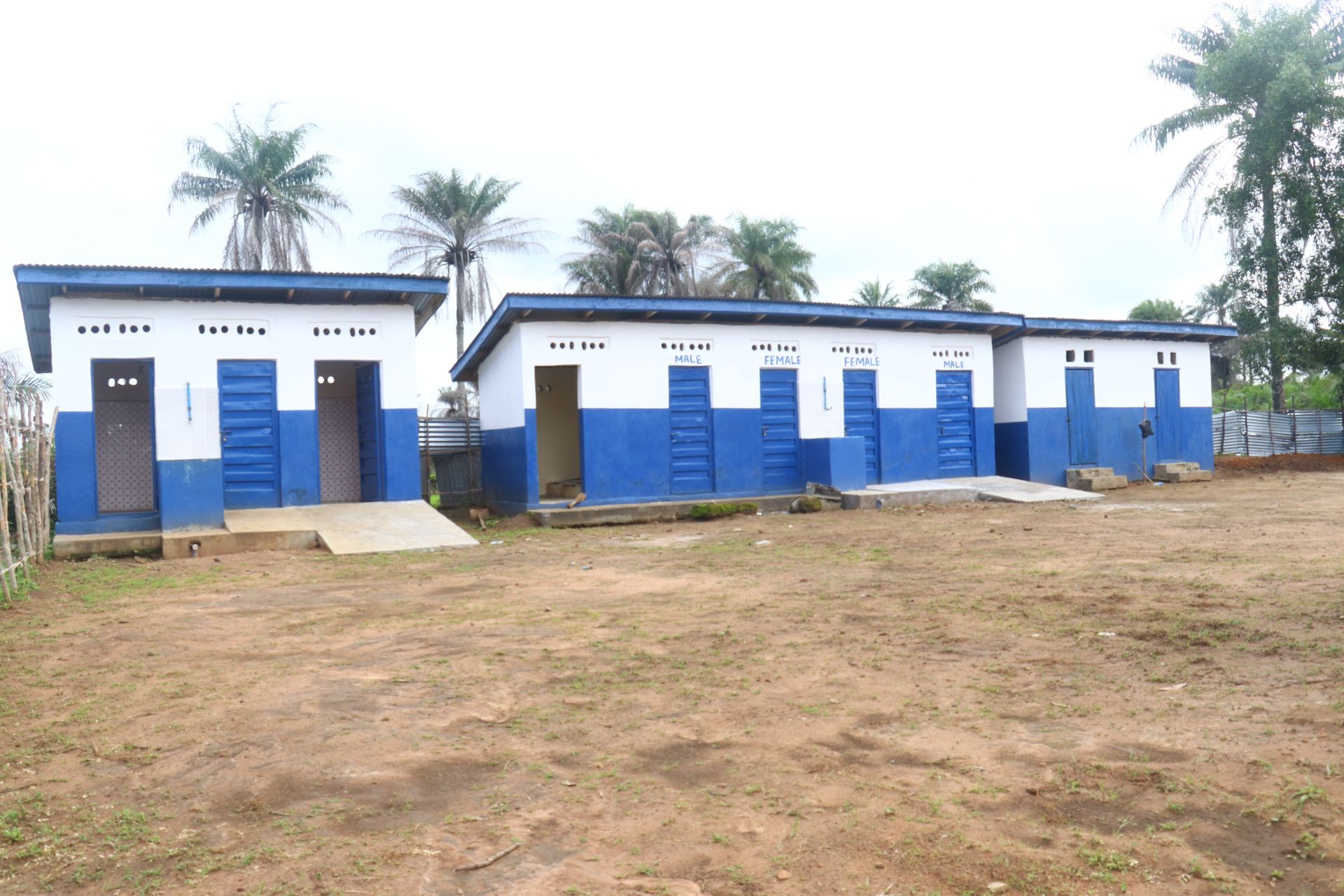
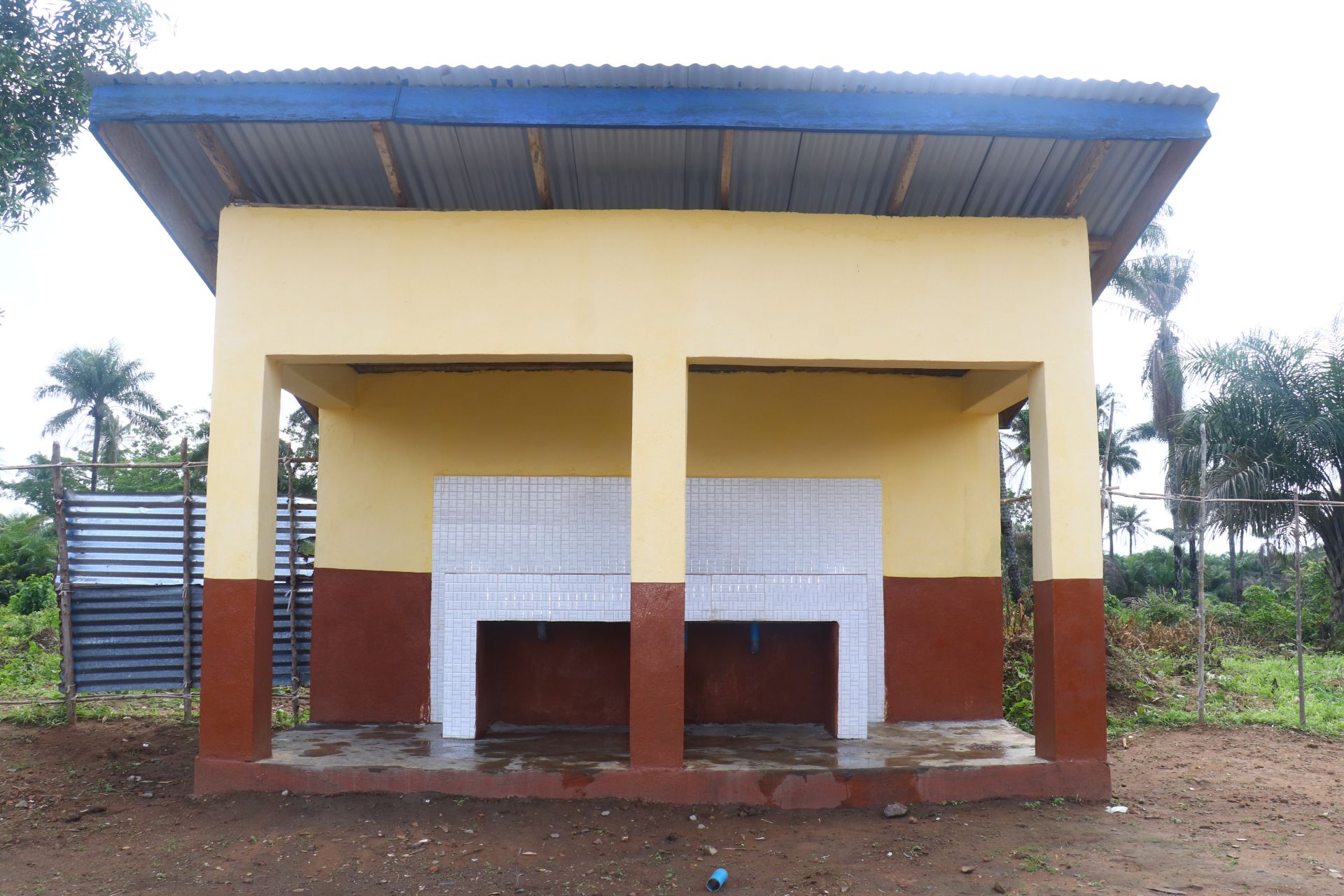
Latrines and showers with accessible stalls.

This supply will reach various points in the healthcare facility, including sinks for handwashing, toilets for sanitation and menstrual hygiene, shower facilities for personal hygiene, and a laundry area. Each distribution point is designed to facilitate easy access and promote the health and well-being of all users within the center.

A specific laundry station that will be easier to utilize with running water!

Easy access to water empowers clinic staff to uphold excellent hygiene and promptly resume their essential work, ultimately enhancing the quality of patient care.

Latrines

The inside of the latrines.

Water from the tower will supply the latrines on the clinic grounds, ensuring that staff, patients, and patient families will have adequate facilities. One stall is specifically designed to assist those with mobility challenges.

Incinerators

Incinerator on the health facility grounds.

In addition, we installed an on-site incinerator dedicated to the safe and responsible disposal of medical waste. This system effectively reduces the volume of hazardous materials, ensuring that they are destroyed at high temperatures to minimize environmental impact and possible disease transmission. By processing medical waste on-site, we improve staff and community safety. This significant investment underscores our commitment to sustainability and public health.

Health Center Education

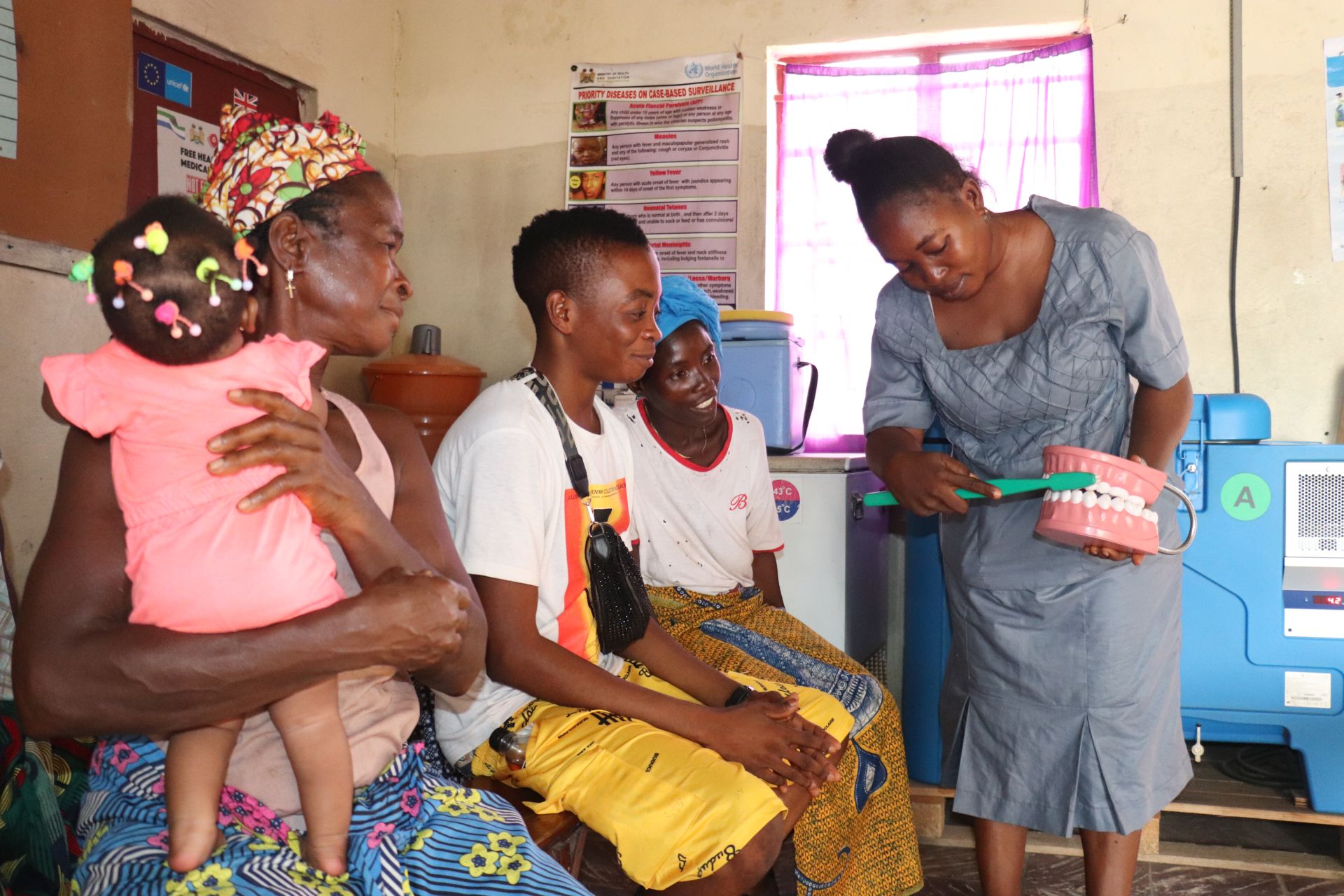
Before conducting any hygiene training, we collaborated with the health center staff to understand their challenges. Training was tailored to the health center's specific needs and included key topics such as proper water handling, improved hygiene and sanitation practices, disease transmission prevention, and care of the new water point. The health center staff assumes responsibility for maintaining the water point, promoting safe hygiene and sanitation practices, and keeping handwashing stations well-stocked. After training, the local nurses and community health officers, encouraged and supported by our team's guidance, will provide community training.

Dental hygiene lesson.

Field Officer Alie Kamara shared, "Handwashing prompted the most discussion among the participants. The facilitator demonstrated germs on his hand, then greeted one person, and this continued to two people. All the people that greeted each other had germs. The facilitator and participants highlighted the importance of handwashing. As handwashing is the first step to stop disease transmission or outbreak in a community or country. Handwashing has techniques and can [be done] with clean water and soap to remove germs. Without water and soap, handwashing [is] hard to maintain, especially at the health facility."

Handwashing lesson.

Nurse Fatmata Kamara, 34, shared her experience of the training.

Nurse Fatmata Kamara.

"I have gained new ideas from the training. I will use what I have learned to improve my job. Also, I will make sure I educate patients [about] health topics. This will help me as a nurse at this facility," she said.

Thank you for making all of this possible!


Update photo


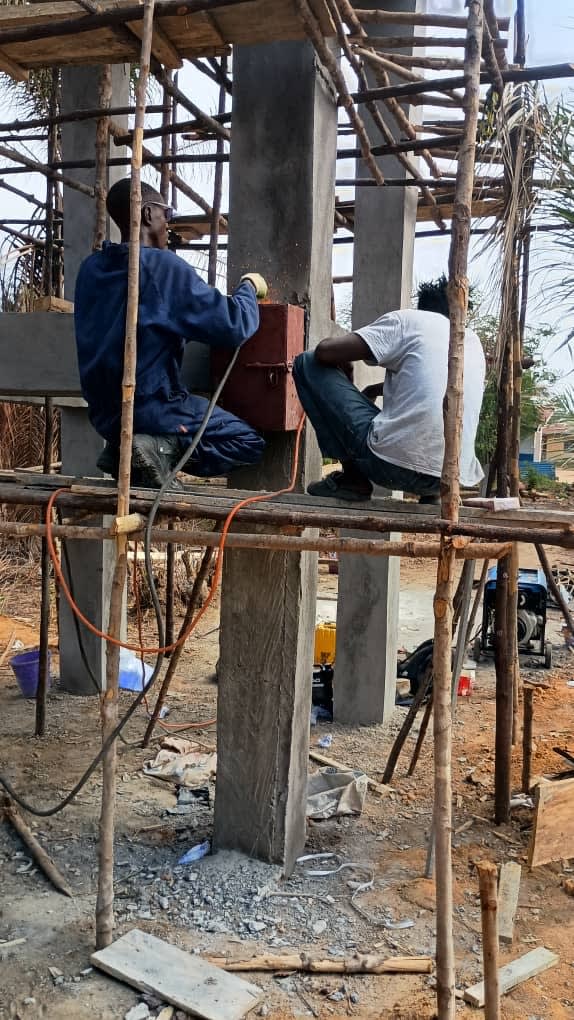
July, 2026: Exciting Progress at Malap Community Health Center!

We’re thrilled to share that, thanks to your generous support, significant change is coming for Aminata and the staff and patients at Malap Community Health Center. Construction has begun on the solar project, bringing them one step closer to having a power source for clean, reliable water.

But that's not all—during construction, we’re also providing vital health training. These sessions equip the community with essential hygiene practices, ensuring that the benefits of clean water extend to lasting health improvements.

We’re so grateful for your role in making this possible. Stay tuned for more updates—soon, we’ll be celebrating the arrival of solar energy that provides safe water at the Malap Community Health Center!


Loading photos...


Project Type

Solar water systems use energy from the sun to power a low-maintenance submersible (underground) electric pump. The solar-powered pump is ideal for pulling water from an already-existing source without the input of human energy and for transporting it to a more convenient location.


Contributors

HFO Foundation
2 individual donor(s)